





















































By [Your Name/Journalistic Correspondent]

The humid air of Redwood County was thick with more than just the scent of livestock and diesel fuel this week. As thousands of Minnesotans descended upon the Gilfillan Estate in Morgan, Minnesota, for the annual Farmfest, the event served as a high-stakes backdrop for the state’s political theater. With the August 11 primary election looming, the sprawling agricultural exposition transformed into a critical battleground where candidates for governor, the U.S. Senate, and Congress vied for the attention of the state’s rural backbone.

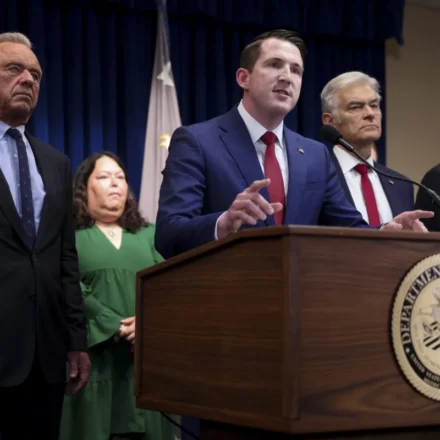
For two days, MinnPost photographer Bridget Bennett documented the relentless rhythm of the campaign trail: the structured formality of candidate forums, the chaotic energy of media scrums, and the perennial, exhausting ritual of the handshake. As the dust settled on the Gilfillan grounds, the images captured a stark reality: in Minnesota, the road to victory still runs through the farm gate.

Main Facts: The Political Stakes in Morgan
Farmfest has long been regarded as the premier venue for political engagement in the Upper Midwest. This year’s edition proved to be no exception, as the proximity to the primary election amplified the urgency of every stump speech and policy debate.

The core of the event focused on three distinct tiers of political competition:

- The Gubernatorial Pulse: Candidates vying for the executive mansion used the platform to address the growing divide between urban economic policy and rural infrastructure needs.
- U.S. Senate Contention: With federal policy directly impacting trade, tariffs, and crop insurance, Senate hopefuls sought to frame their platforms as the most "farm-friendly" in a volatile global market.
- Congressional Scuffles: Candidates for the House of Representatives engaged in localized debates, focusing on the granular concerns of their respective districts—water quality, broadband access, and the long-term viability of the family farm.
The significance of these forums cannot be overstated. For many voters in rural Minnesota, this is the only time they get to see high-level candidates outside of a television screen. The forums allowed for a "reality check" on campaign promises, as candidates were forced to address specific, non-scripted questions from an audience that is arguably the most informed constituency in the state regarding agricultural policy.

Chronology: Two Days of Handshakes and Headlines
Day One: The Opening Salvos
The event kicked off with a flurry of activity as candidates arrived in early morning convoys. The morning sessions were dominated by agricultural policy experts and industry lobbyists, but by midday, the political machinery took center stage.

The first major forum saw gubernatorial candidates debating the state’s tax structure. The tone was professional but sharp, with incumbent-aligned candidates defending current spending, while challengers pointed to the rising cost of inputs—fertilizer, fuel, and seed—as evidence that the state’s fiscal policy is failing the agrarian sector. By 3:00 PM, the "handshake circuit" was in full swing. Candidates moved through the exhibit halls, navigating narrow aisles to engage with farmers, vendors, and local business owners.

Day Two: The Media Scrums
The second day shifted toward the federal level. Senate and Congressional candidates took to the main stage, addressing the complexities of the upcoming Farm Bill. The atmosphere was notably more tense; media scrums erupted behind the bleachers as reporters pushed for clarity on controversial trade stances and healthcare mandates.

As the sun reached its peak, the physical toll of the campaign became evident. Candidates, many of whom had been on the road since dawn, leaned into the final hours of the event. The recurring motif of the day was the handshake—a symbolic gesture of connection that serves as the primary currency in Minnesota’s retail-politics culture. Thousands of these interactions occurred, each one a potential vote secured or lost based on a fleeting impression.

Supporting Data: The Agricultural Context
To understand the fervor at Farmfest, one must look at the economic data currently shaping Minnesota’s rural landscape. According to the U.S. Department of Agriculture (USDA) and the Minnesota Department of Agriculture, the state remains a powerhouse, consistently ranking among the top five in the nation for agricultural production.

- Export Reliance: Minnesota agriculture exports contribute over $10 billion annually to the state economy. Any candidate failing to address trade policy risks alienating a massive segment of the agricultural workforce.
- Broadband Deficit: Despite significant state investment, roughly 10% of rural Minnesota households still lack high-speed internet, a key pain point raised repeatedly during the forums.
- The Age Factor: The average age of a Minnesota farmer is 58. Succession planning and the ability of young farmers to enter the market were recurring themes in candidate Q&A sessions.
These metrics provided the "fact-check" framework for the candidates. When a speaker claimed to support rural growth, the audience instinctively compared that rhetoric to the local reality of declining rural population centers and the consolidation of farmland into larger, corporate-owned holdings.

Official Responses: What the Candidates Said
While the content of the forums varied, the messaging from the leading candidates coalesced around a few key themes.

- On Trade and Tariffs: The consensus among candidates was a push for "market stability." Republican candidates largely emphasized the need to lower regulatory burdens to allow farmers to compete globally, while Democratic candidates focused on state-sponsored programs to mitigate the impact of international trade wars on local crop prices.
- On Climate and Sustainability: The discourse was noticeably more pragmatic than in urban political settings. Candidates avoided sweeping climate rhetoric, opting instead to discuss soil health, carbon sequestration programs, and water quality—topics that are inextricably linked to long-term profitability.
- On Healthcare and Education: Rural candidates highlighted the "brain drain" and the struggle to maintain local hospitals. The common refrain was that "if you can’t get a doctor or a teacher, you can’t keep a farm family."
Implications: The Road to August 11
The implications of Farmfest extend far beyond the two-day gathering. As the primary election on August 11 approaches, the candidates who performed well in Morgan are expected to see a boost in their rural polling numbers.

- The "Ground Game" Advantage: The sheer number of handshakes and direct voter interactions at Farmfest acts as a proxy for a campaign’s organizational strength. Candidates who were absent or appeared aloof at the event may find themselves struggling to gain traction in the final weeks.
- The Urban-Rural Divide: The event underscored a widening gap in policy priorities. While urban campaigns focus on social issues and housing, the Farmfest crowd made it clear that their vote will be decided by the bottom line: crop prices, tax rates, and the accessibility of rural services.
- Media Visibility: The media scrums documented by MinnPost highlight the role of legacy and digital media in framing the narrative. Candidates who successfully managed these interactions to present a consistent, unflappable persona will likely dominate the news cycle in the closing days of the campaign.
As the candidates depart Morgan and return to the digital advertising wars and television spots, the memories of the Gilfillan Estate will linger. For the farmers, the focus now turns to the harvest. For the politicians, the focus is singular: the ballot box.

The primary election on August 11 will be the ultimate test of whether the handshakes in Morgan were merely polite formalities or the foundations of a winning coalition. In the unpredictable landscape of Minnesota politics, the answer is rarely clear until the last vote is tallied. However, one thing is certain: those who stood on the stage in Morgan have now defined themselves, for better or for worse, in the eyes of those who feed the nation.