




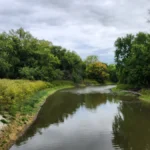





































In 1992, then-Governor Arne Carlson stood before a crowd and articulated a bold, generational vision: to restore the Minnesota River to a state of health that would make it a jewel of the state’s natural landscape. At the time, Tom Crawford—now a pivotal figure in the state’s environmental advocacy scene—had not yet been born. David Minge, a former judge and newly elected U.S. Congressman representing the sprawling agricultural expanse of western Minnesota, was just beginning his first term in Washington, D.C.
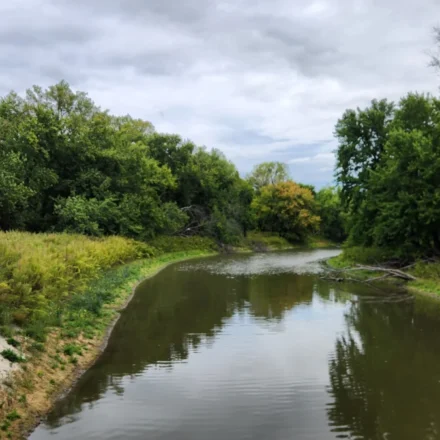
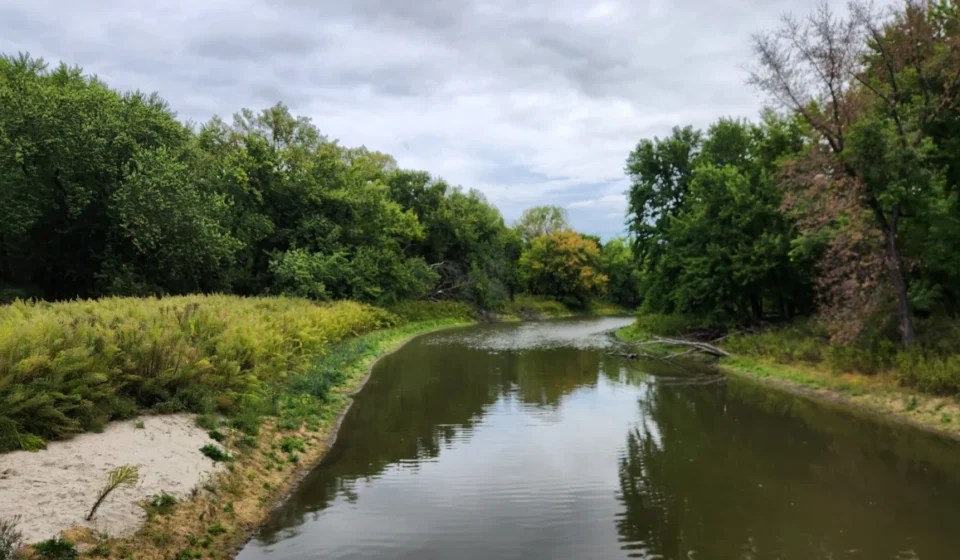
Three decades later, these two men, separated by a half-century in age but united by a singular obsession, sit on the front lines of a modern environmental struggle. They are members of the Minnesota River Collaborative (MRC), a grassroots collective of engineers, retired attorneys, and agency veterans. Their mission is as daunting as it is necessary: to mitigate the pollution of the Minnesota River, a waterway long maligned as one of the most degraded in the United States.
The Anatomy of a Grassroots Coalition
The Minnesota River Collaborative is an anomaly in the world of environmental activism. Eschewing the traditional nonprofit structure, the group operates as a lean, agile network of approximately 50 experts. They meet weekly in virtual sessions and maintain a formal monthly dialogue with the Minnesota Department of Natural Resources (DNR).
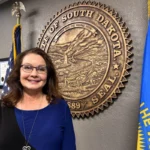
"We’ve moved the needle within the DNR," says 31-year-old Tom Crawford, whose work with the Friends of the Minnesota Valley and the Izaak Walton League has been instrumental in the group’s formation.
For 84-year-old David Minge, the MRC represents a final stand for a river that has suffered from decades of institutional inertia. "We’ve had four or five active and retired lawyers. Engineers have taken a real leadership role—six to seven engineers—and we have three or four agency retirees," Minge notes. This density of technical expertise allows the group to challenge state agencies on their own terms. Rather than advocating for generalized "best management practices," such as the planting of ditch buffers or the creation of grassed waterways, the MRC acts as a high-level watchdog. They pore over engineering reports for drainage projects, challenging the assumptions of local government and ensuring that environmental impacts are not just noted, but mitigated.
A Chronology of Decline: From Hydrology to “Fire Hose” Effects
The history of the Minnesota River Basin is a history of landscape transformation. Since the mid-20th century, the basin has undergone radical hydrological alterations. The region, once characterized by vast, water-absorbing wetlands, has been systematically drained to maximize agricultural production.
The result is what hydrologists describe as an altered hydrology. By installing miles of subsurface drain tiles and deepening drainage ditches, the state has effectively turned the landscape into a funnel. When rain falls, it no longer percolates slowly through the soil; it is whisked away at high speed into the tributaries.
This creates a "fire hose" effect. During heavy rain events—which have become more frequent due to shifting climate patterns—the river experiences massive, high-velocity surges. These surges scour the riverbanks, stripping away soft, sandy soil and flushing massive quantities of sediment downstream.
The consequences of this process are felt far beyond the Minnesota border. The river is the largest contributor of sediment to the Upper Mississippi. It also carries a heavy load of nitrogen and phosphorus, the primary ingredients for the expansive "dead zone" in the Gulf of Mexico, where oxygen-starved waters can no longer support marine life.
"The more water that flows into the river, the more erosive the river becomes," Crawford explains. "And those soft sandy banks of the Minnesota River get chewed up and sent down into the Gulf."
Supporting Data: The Invisible Infrastructure
The sheer scale of the challenge is exacerbated by the lack of documentation. According to Crawford, the landscape is riddled with thousands of miles of private drainage tiles that remain unmapped and, crucially, unregulated.
"We’ve got probably 100,000 miles of private tile that is totally unmapped and unaccounted for," Crawford says. "There’s no requirement that these people are to notify anybody."

To counter this information void, Crawford maintains a highly detailed, public-facing spreadsheet that has become a vital resource for environmental regulators. He tracks 17 major drainage projects across 11 counties, documenting engineering reports, work timelines, and formal comments from the collaborative. By integrating the work of experts like former University of Minnesota agricultural economist Steven Taff, the MRC is able to perform rigorous financial analysis, often exposing the economic "absurdity" of projects that promise benefits to landowners that never materialize.
In one notable success, the collaborative’s intervention in a Jackson County project led to the discovery of a potential threat to a calcareous fen—a rare and fragile wetland type. Their pressure forced a re-evaluation of the project, leading to more protective measures. In Lyon County, the group’s advocacy helped secure a state grant for a large-scale water storage project, which will help mitigate the flooding risks associated with local drainage.
Official Responses and the Legal Battleground
The battle for the river is increasingly shifting to the courtroom. A central point of contention is whether the Minnesota Pollution Control Agency (MPCA) has the legal authority to regulate agricultural drainage systems as "point sources" of pollution.
In a recent legal clash, the Minnesota Center for Environmental Advocacy (MCEA) argued that such regulation is necessary to address the influx of nutrients into the river. However, in August, a Ramsey County District Court judge sided with the MPCA, ruling that the agency lacked the legislative mandate to regulate these systems. The MCEA is currently appealing that decision.
Minge, who has spent his career navigating the intricacies of the legal system, sees the current situation as a stalemate that is rapidly approaching a breaking point. "I expect that’s going to end up in court by the end of the year," he says. The lack of a central governing body for drainage means that local counties are often left to manage complex hydrological systems without a unified, science-based framework.
Implications: The Quest for a River Commission
As the MRC continues its watchdog efforts, the conversation in the state legislature is turning toward a more structural solution: the creation of a Minnesota River Commission.
Proponents, including Scott Sparlin of the Coalition for a Clean Minnesota River, view a commission as the missing link in Minnesota’s water governance. While previous efforts to launch the commission stalled in the last legislative session, the group is already preparing for the next cycle. "After the elections, we will begin securing potential bill authors on both the House and Senate sides," Sparlin stated.
However, the path forward is fraught with political friction. Recent attempts to address water quality through a task force convened by Attorney General Keith Ellison were met with significant frustration. Some members of that task force reported that a subset of participants utilized stalling tactics to avoid addressing the core issues of agricultural and industrial impact. The request to extend the life of the task force was ultimately declined.
Despite these setbacks, the members of the Minnesota River Collaborative remain undeterred. Their work is a testament to the power of persistent, informed citizenship. By holding the line on ditch projects, demanding accountability from state agencies, and providing the analytical rigor that is often missing from public debates, they are forcing a slow, painful, but necessary evolution in how Minnesota manages its most precious resource.
For Crawford, the work is not merely about policy; it is about the long-term survival of a landscape that is under siege. "It feels like there’s more diligence or willingness to enforce environmental rights," he says. "We’re always trying to push the idea with the state boards and agencies as far as how we legislate and handle our water on the landscape."
Whether the vision of a cleaner, healthier Minnesota River—first articulated by Arne Carlson in 1992—can finally be realized rests on the shoulders of these volunteers. In a world of fleeting political trends, they have chosen the long game: one spreadsheet, one engineering report, and one lawsuit at a time.