








































The Guardians of the Watershed: How a Grassroots Coalition is Challenging the Status Quo on the Minnesota River

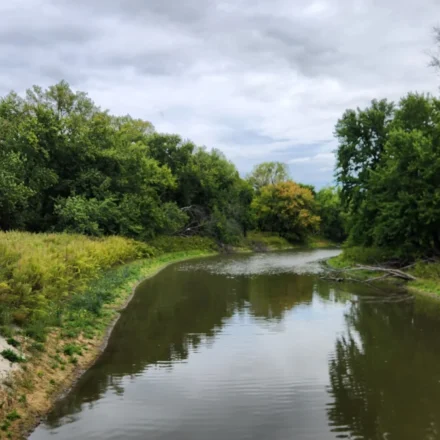
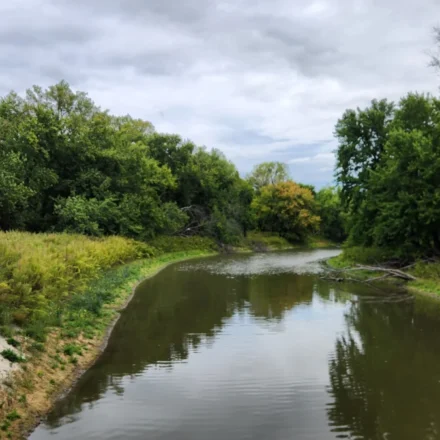
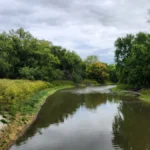
For over three decades, the Minnesota River has carried the dubious distinction of being among the most polluted waterways in the United States. It is a river defined by its contradictions: a vital artery for the state’s agricultural engine and a source of profound environmental concern. While high-level policy goals have shifted and stalled since 1992, a unique, unconventional coalition has emerged to hold the status quo accountable.
The Minnesota River Collaborative (MRC) represents a generational bridge in environmental advocacy. Its members range from octogenarians like David Minge—a former U.S. Congressman and judge who was first elected to federal office as the state began its initial push for water quality—to 31-year-old Tom Crawford, who represents the next wave of activists. Together, this group of roughly 50 retired engineers, lawyers, agency veterans, and dedicated citizens is systematically scrutinizing the drainage projects that have long operated in the shadows of the state’s agricultural landscape.
The Engineering of Erosion: A Systemic Crisis
To understand the urgency of the MRC’s mission, one must look at the "fire hose" effect. Before the rapid expansion of modern industrial agriculture, the Minnesota River Basin functioned with a natural rhythm, slowly filtering water through vast wetlands and deep-rooted native prairies. Today, the landscape is defined by altered hydrology.
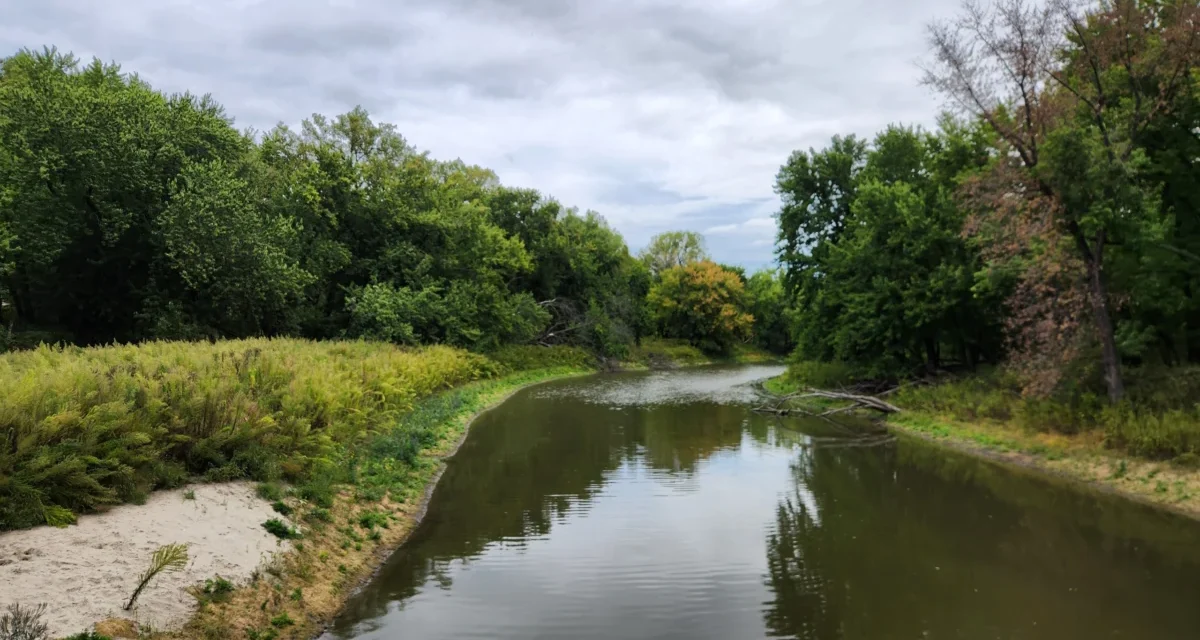
A sprawling, largely unmapped network of private drain tiles and public ditches acts as a high-speed transit system for rainfall. This system removes water from the land with such efficiency that it transforms the river into a scouring force. High-volume, high-velocity water rips into the river’s sandy banks, pulling tons of sediment and legacy fertilizers—specifically nitrogen and phosphorus—into the current.
This nutrient-rich sediment is the primary driver of the "dead zone" in the Gulf of Mexico, where oxygen-depleted waters make marine life impossible. As Tom Crawford notes, "The more water that flows into the river, the more erosive the river becomes, and those soft sandy banks of the Minnesota River get chewed up and sent down into the Gulf."
Chronology of Advocacy: From Policy Goals to Data-Driven Vigilance
The history of the Minnesota River’s restoration is a story of ambitious goals met with sluggish implementation. In 1992, Governor Arne Carlson set a bold target to restore the river’s health. Thirty-three years later, while millions of state dollars have been funneled into various initiatives, the physical reality of the river remains grim.
The MRC was formed not as a traditional protest group, but as a technical, legal, and engineering watchdog. Recognizing that conventional "best management practices"—like planting grass buffers—were insufficient to handle the sheer volume of water generated by climate-change-driven storm events, the group pivoted to a high-level review of drainage infrastructure.
Their methodology is meticulous. By tracking public engineering reports, participating in legal proceedings as amicus curiae, and forcing transparency in county-level ditch projects, they have effectively "moved the needle" within the Department of Natural Resources (DNR). Their work often involves challenging the "redetermination of benefits"—the process by which counties decide the economic value of drainage projects. With the help of experts like former University of Minnesota agricultural economist Steven Taff, the group exposes the economic and environmental absurdities buried in these technical filings.
Supporting Data: Mapping the Unseen
One of the greatest hurdles to managing the Minnesota River is the lack of a central, comprehensive map of the drainage infrastructure. Crawford maintains a detailed, living spreadsheet that tracks 17 major drainage projects across 11 counties.

The scope of the challenge is massive: estimates suggest there are over 100,000 miles of private, unregulated, and unmapped tile lines threading through the basin. This "invisible" infrastructure is the primary culprit behind the increased volume and velocity of water entering the river. By compiling data on engineering timelines and agency comments, the MRC provides the oversight that the state government, currently lacking a centralized drainage governance authority, fails to provide.
The collaborative’s impact is already visible. In Jackson County, for example, their investigation revealed that a proposed ditch project would have severely degraded a calcareous fen—an incredibly rare and ecologically sensitive type of wetland. Furthermore, their advocacy helped Lyon County secure the funding and technical support necessary to install a large water storage area, a rare win that prioritizes water retention over rapid drainage.
Official Responses and the Legal Battleground
The battle for the river is increasingly taking place in courtrooms. The Minnesota Center for Environmental Advocacy (MCEA) has led the charge, arguing that the Minnesota Pollution Control Agency (MPCA) possesses the legal authority to regulate these drainage outlets as "point sources" of pollution.
This legal strategy faced a significant setback in August, when a Ramsey County District judge sided with the MPCA, ruling that the agency lacks the statutory authority to regulate agricultural drainage systems. The MCEA is currently appealing this decision, and the MRC remains a key ally in this effort. As David Minge, 84, observes, the dispute over regulatory authority is the next great frontier for the river. "I expect that’s going to end up in court by the end of the year," he says, signaling that the coalition is prepared for a long, arduous legal climb.
Meanwhile, the state’s response to the crisis remains fragmented. A recent water quality task force convened by Attorney General Keith Ellison highlighted the divide between stakeholders. Some members expressed frustration, citing "stalling tactics" from groups that sought to avoid substantive discussions on agricultural and mining impacts. The refusal to extend the task force’s mandate has only emboldened advocates to seek legislative solutions, specifically the creation of a dedicated Minnesota River Commission.
Implications: A Call for Governance
The implications of the MRC’s work extend far beyond the borders of Minnesota. They are proving that a small, highly specialized group of volunteers can disrupt the inertia of government bureaucracy. However, they are also highlighting a fundamental flaw in the state’s approach to land and water management: the total lack of integrated governance regarding drainage.
The push for a Minnesota River Commission is not just about oversight; it is about creating a unified vision for a landscape that has been subdivided, drained, and depleted for over a century. Proponents, including Scott Sparlin of the Coalition for a Clean Minnesota River, are already looking toward the next legislative session to secure authors for a bill that would establish such a commission.
As the MRC continues its weekly virtual meetings and monthly consultations with the DNR, their persistence serves as a reminder that environmental restoration is not a sprint, but a generational commitment. They are the record-keepers of the watershed, documenting every mile of tile and every acre of lost wetland.
"It feels like there’s more diligence or willingness to enforce environmental rights," Crawford says. But as the coalition looks toward the future, they know that the "fire hose" of the Minnesota River will continue to flow until the state reconciles its agricultural productivity with the ecological limits of its landscape. For now, the members of the MRC—the engineers, the lawyers, and the retirees—remain the river’s most dogged, and perhaps most important, defense.