
























































Defiance in Albert Lea: City Council Rejects Cannabis License in Direct Challenge to State Law

In an unprecedented move that signals a burgeoning conflict between local autonomy and state authority, the Albert Lea City Council has voted to deny a business registration for the city’s first licensed cannabis dispensary. The decision, reached during a contentious meeting on Monday, places the southern Minnesota city in direct defiance of state statutes governing the rollout of the legal marijuana market.
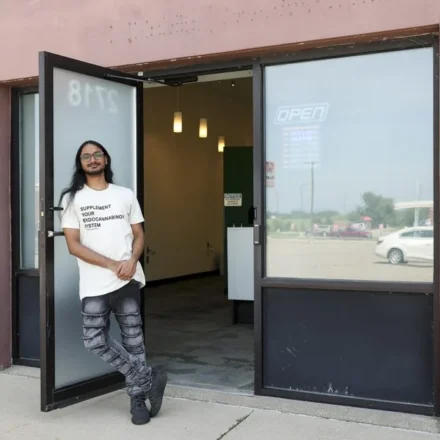
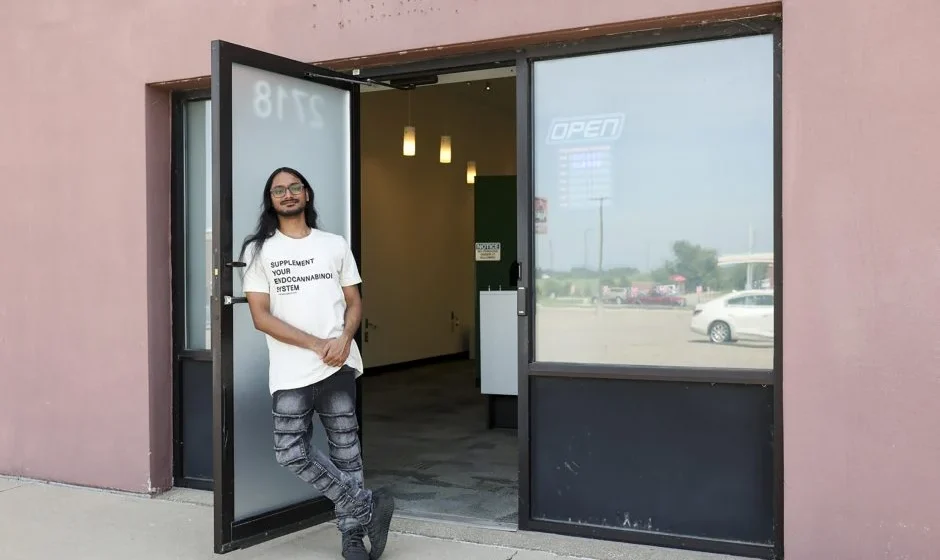
The 4-3 vote against registering "The Smoking Tree" has sent shockwaves through the local business community and the state’s regulatory offices. For the business owner, Jacob Schlichter, the denial came as a blindsiding blow. Schlichter, who had already cleared the rigorous hurdles of the Minnesota Office of Cannabis Management (OCM), had intended to host a soft opening for his retail location on Tuesday. Instead, he now finds himself at the center of a legal and political firestorm that could cost the city hundreds of thousands of dollars in penalties and litigation fees.
Main Facts: A Council Divided Against the State
The core of the dispute lies in the interpretation of Minnesota’s cannabis legalization laws, which were designed to prevent local municipalities from enacting de facto bans on the industry. While the law allows cities to implement reasonable zoning restrictions—dictating how far a shop must be from schools, parks, or places of worship—it explicitly states that local governments cannot prohibit a business that has already received state licensure and meets local zoning requirements.
The Smoking Tree, according to City Manager Ian Rigg, had met every technical and legal requirement set forth by both the state and the city’s own ordinances. Despite this, a majority of the council chose to ignore the recommendations of their legal counsel and city staff.
Key Points of the Conflict:
- The Vote: Mayor Rich Murray and Councilors Larry Baker, Rachel Christensen, and Keith Van Beek voted against the registration. Councilors Brian Anderson, Jason Howland, and Reid Olson voted in favor.
- Legal Standing: The city attorney warned that a denial would likely result in a lawsuit from the State of Minnesota, with a "highly unlikely" chance of a city victory.
- Financial Risk: Beyond legal fees, the city faces a potential 5% reduction in Local Government Aid (LGA), amounting to a $300,000 annual penalty.
- Statutory Requirement: Based on its population, Albert Lea is legally required to register at least two cannabis retail businesses.
Chronology: From State Mandate to Local Rebellion
The path to Monday’s defiance began with the passage of Minnesota’s cannabis legalization bill in 2023. The legislation established the Office of Cannabis Management (OCM) to oversee the industry and created a framework where cities were expected to act as ministerial partners in the registration process.
May 2024: The Albert Lea City Council approved a local ordinance detailing the registration process for cannabis businesses. The ordinance specified a “first-come, first-served” system based on the time stamps of state licensure. This move was intended to create an orderly queue for prospective entrepreneurs.
June 2024: Jacob Schlichter made history by becoming the first micro-retail cannabis applicant in Minnesota to pass a formal state licensing inspection. This achievement placed The Smoking Tree at the forefront of the industry’s retail debut in the state.
July 18, 2024: Following his state approval, Schlichter completed his local registration paperwork with Albert Lea city staff. At this stage, the process was viewed by both staff and the applicant as a formality—a final "rubber stamp" before the doors could open.
August 2024: The registration was placed on the City Council’s "consent agenda" for the Monday meeting. In municipal governance, the consent agenda is reserved for routine, non-controversial items that are passed in a single vote without discussion. However, the item was pulled for individual consideration, leading to the unexpected 4-3 rejection.
Supporting Data: The High Price of "Principle"
The financial implications of the council’s decision are stark. Albert Lea, like many Greater Minnesota cities, relies heavily on Local Government Aid (LGA) to balance its books and provide essential services.
The LGA Factor
According to City Manager Ian Rigg, Albert Lea receives approximately $6 million in LGA annually. This funding accounts for roughly one-third of the city’s general fund revenue. The state has built-in mechanisms to ensure municipal compliance with state laws; one such mechanism is the withholding of LGA. Rigg noted that a 5% penalty for non-compliance would result in an immediate $300,000 loss—a figure that represents a significant portion of the city’s discretionary spending for infrastructure, public safety, and parks.
Litigation Costs
City Attorney Joel Holstad provided a sobering estimate regarding the cost of defending the council’s position in court. He informed the council that a "legitimate defense" against a lawsuit from the State of Minnesota would easily exceed $100,000. When combined with the potential LGA penalties, the city could be looking at a $400,000 deficit in the first year alone, with no guarantee of success.
Population Ratios
Minnesota law requires one cannabis retail registration for every 12,500 residents. With Albert Lea’s population hovering around 18,000, the city is mandated to host at least two dispensaries. By denying the first applicant who met all criteria, the council has effectively signaled a refusal to meet its minimum statutory obligation.
Official Responses: Local Control vs. State Supremacy
The debate during the council meeting highlighted a deep philosophical divide regarding the role of local government in the face of state mandates.
The Opposition: A Stand for Local Autonomy
Mayor Rich Murray was blunt in his assessment of the state’s rollout, framing the council’s denial as a protest against legislative overreach. "I do not like the way the state Legislature and the governor has rammed this down our throats with very little say in the process, all because they’re hungry for more revenue," Murray stated. He expressed a personal preference that the city host zero cannabis businesses, regardless of the law.
Councilor Larry Baker echoed these sentiments, characterizing the vote as a "point of principle." Baker argued that the erosion of local control is a slippery slope. "At some point, people have to start saying no to the state and federal government taking power away from cities," he said. Baker even speculated that if the city did not take a stand now, the state might eventually strip away local zoning authority entirely, allowing for high-rises in residential neighborhoods.
The Proponents: Prudence and Realism
On the other side of the dais, Councilor Brian Anderson argued for a more pragmatic approach. He noted that the council’s "choice" was largely an illusion and that defiance would only lead to a waste of taxpayer resources. "I think it’s up to me sitting up here to do the responsible thing and actually say that this is going to happen whether we want it to or not," Anderson said. "I think we need to embrace it and make the best of it."
City Manager Ian Rigg also urged the council to recognize the reality of their position. While he acknowledged a desire for more local control, he reminded the council that as agents of the state’s regulatory framework, "we have our orders."
The Applicant: Caught in the Crossfire
Jacob Schlichter expressed frustration at being used as a pawn in a political battle. Having invested significant capital and time into meeting every state and local requirement, he now faces an uncertain future. "Whether or not you agree with cannabis, we can all agree that this is a bad use of our tax money," Schlichter said. "The law is the law." He indicated that while he hopes the council will reconsider, he is currently weighing all legal options.
Implications: A Precedent for the State
The situation in Albert Lea serves as a cautionary tale for the rest of Minnesota as the retail cannabis market prepares for its full launch. The council’s decision raises several critical questions about the future of the industry and the stability of state-local relations.
1. Legal Precedent
If the State of Minnesota chooses to sue Albert Lea, the resulting court case will likely set a definitive precedent regarding the limits of local government authority under Chapter 342 of the Minnesota Statutes. A victory for the state would reinforce the mandatory nature of the registration process, while a victory for the city—however unlikely—could embolden dozens of other conservative-leaning municipalities to block cannabis businesses.
2. Economic Chill
The denial of a license to a business that had already passed state inspection sends a chilling message to entrepreneurs. Investors may be hesitant to commit capital to Minnesota cities if they fear that local councils will ignore the law and block their operations based on personal or political opposition.
3. Taxpayer Liability
Residents of Albert Lea now face the prospect of their tax dollars being used to fund a legal battle that their own attorney admits they are likely to lose. Furthermore, the potential loss of $300,000 in LGA could lead to property tax hikes or cuts to essential services, creating a tangible local impact for a symbolic political gesture.
4. The "Mushrooming" of Defiance
Albert Lea is likely not the only city where elected officials feel "rammed" by the state’s cannabis policy. The OCM will be watching closely to see if this defiance spreads. If more cities follow Albert Lea’s lead, the state may be forced to take even more aggressive measures, such as stripping cities of their remaining zoning powers or centralizing the registration process entirely at the state level to bypass local obstruction.
As it stands, The Smoking Tree remains shuttered, its inventory ready but its doors locked by a 4-3 vote. The next move lies with the state regulators and Schlichter’s legal team, while the people of Albert Lea wait to see the true cost of their council’s "principled stand."