






















































The High Stakes of Manoomin: Navigating the Future of Minnesota’s Wetlands Amidst the Tamarack Mine Proposal

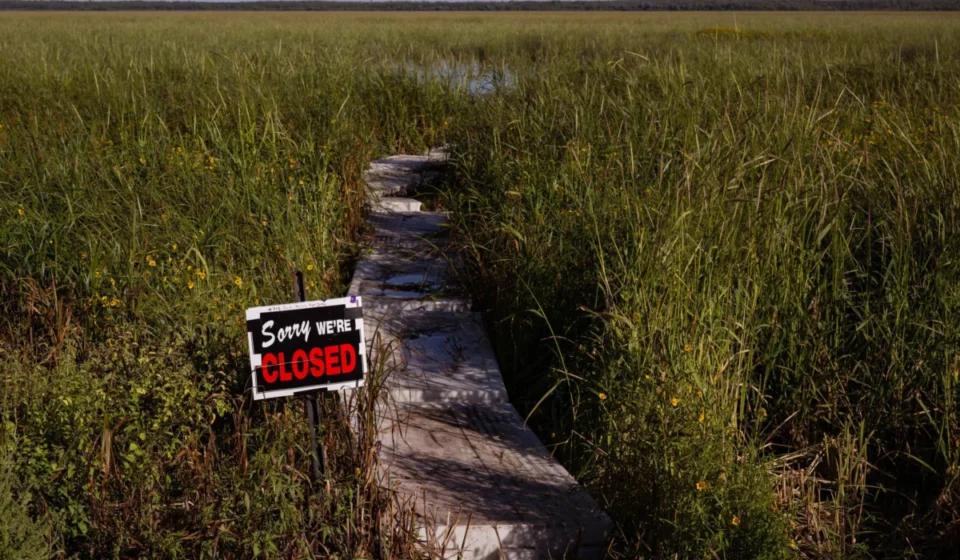
As the late summer sun hits the shallow waters of Rice Lake National Wildlife Refuge, the air is thick with humidity, biting insects, and the quiet, rhythmic sounds of a centuries-old tradition. It is August, the season of manoomin—wild rice. For the Mille Lacs Band of Ojibwe, this harvest is not merely a food source; it is a spiritual anchor and a pillar of cultural identity. Harvesters launch their canoes into the marsh, using gentle, precise taps to knock the ripened grains into the boat.
“The reward at the end is beautiful wild rice,” says Kelly Applegate, the commissioner of natural resources for the Mille Lacs Band. But as Applegate gazes out over the sprawling wetlands—a region he considers the “crown jewel” of Minnesota’s wild rice ecosystems—his focus is not just on the harvest at hand, but on a looming industrial shadow.
The Tamarack Project, a proposed nickel and copper mine, sits on the horizon of this water-rich landscape. While the project promises economic growth and a supply of critical minerals, it has sparked a fierce debate over the environmental future of central Minnesota. With a critical regulatory comment period drawing to a close, the clash between industrial development and indigenous land stewardship has reached a boiling point.
The Chronology of a Regulatory Milestone
The debate surrounding the Tamarack Project is far from new, but it has entered a pivotal phase. The Minnesota Department of Natural Resources (DNR) recently concluded a 60-day public comment period on the project’s environmental scope—a window of time that ended on Monday, September 14, 2026.
This phase is foundational. In the complex world of environmental law, the “scoping” document determines the boundaries of what the state will study. If a potential impact is not included in the final scope, it is effectively barred from being scrutinized in the environmental impact statement (EIS).

“It’s really important to get the scope right because this document covers everything that’s going to be included in the environmental review,” explains Joy Anderson, legal director at the Minnesota Center for Environmental Advocacy. “If it’s not in that scoping document, it doesn’t get studied. Even if later we figure out that this was a really big problem, it’s too bad—it’s not in the scope.”
For the Mille Lacs Band, the urgency of this moment cannot be overstated. Their initiative, Water Over Nickel, was formed specifically to advocate for the protection of cultural sites and natural resources from the long-term risks associated with sulfide mining. The band has been active in public meetings in McGregor and Blaine, presenting a case against the mine that emphasizes the irreversible nature of potential water contamination.
The Economic Argument: A Case for Critical Minerals
While opponents focus on environmental degradation, the proponents of the Tamarack Project emphasize national security and economic revitalization. Talon Metals, the company spearheading the venture, points to the global demand for the minerals necessary for the transition to green energy—specifically nickel, which is a key component in electric vehicle batteries.
U.S. Rep. Pete Stauber has been a vocal proponent of the project, arguing in public outreach materials that the development of the Tamarack mine is essential for the United States to “win the 21st century” by securing domestic mineral supply chains. The company’s strategy involves leveraging its recent acquisition of the Eagle Mine in Michigan, the only primary nickel and copper mine currently operating in the U.S. Talon Metals suggests that by integrating the Michigan facilities, they can create a streamlined, efficient supply chain that benefits the regional economy.
Rob Beranek, Talon’s vice president of projects and environmental affairs, maintains that the company has done the necessary legwork. “The public scoping period marks the next public step in a process that has already included extensive baseline data collection, technical studies, local input through Talon’s informal community engagement, and project design refinements,” Beranek stated in a recent release. He argues that because the foundational data is already robust, the state’s review process can proceed with a clear, technical base.

A Fragile Ecosystem: The "Wet Sponge" Analogy
The tension in Aitkin County, where the mine is situated, is palpable. The town of Tamarack, with its modest population of 62, is now the epicenter of a massive regulatory tug-of-war. For Virgil Wind, the chief executive of the Mille Lacs Band, the primary concern is the hydrogeology of the region.
Wind describes the landscape with a hauntingly simple metaphor: “It’s like drilling a hole in a wet sponge and then thinking water isn’t going to come in.”
The area is dominated by bogs and interconnected wetlands. Despite recent drought conditions, the region remains a complex hydraulic system. Mining critics argue that sulfide mining, which involves extracting metals from ore that can produce sulfuric acid when exposed to water and oxygen, is inherently risky in such a saturated environment. They fear that the technical safeguards proposed by mining companies may fail over the long term, leading to the contamination of the watersheds that eventually feed into the Mississippi River.
Implications for Governance and Tribal Sovereignty
The Tamarack Project exists in a different regulatory climate than the copper-nickel mining proposals near the Boundary Waters. Gov. Tim Walz recently issued an executive order halting state-level action on mines near the Boundary Waters, a move that cheered environmentalists but did not extend to the Tamarack site.
However, for tribal leaders like Wind and Applegate, the Boundary Waters decision serves as a beacon of hope. “Anytime they get advancement or get some protection, it kind of sets the stage for hopefully the same thing happening to us,” Wind said.

Yet, there is a lingering anxiety regarding the longevity of such protections. Executive orders are temporary; they depend on the political willpower of the sitting administration. As the current term draws to a close, there is a sense of uncertainty about what the next chapter of state leadership will prioritize.
The Mille Lacs Band is also concerned that the regulatory process seems designed to move forward toward approval rather than providing a meaningful “no-build” alternative. “One of the things that I thought was kind of glazed over during [the public meetings] was the conversation of: ‘Hey, what if we just land at a no-build?’” Wind remarked.
The Weight of Future Generations
As the comment period closes, the focus shifts to the Department of Natural Resources. The agency must now sort through thousands of submissions, balancing the promise of economic jobs and mineral independence against the warnings of ecological catastrophe and the preservation of indigenous cultural practices.
For the Ojibwe, the stakes are not merely political or economic—they are existential. The fear is that a short-term industrial boom will leave behind a legacy of water pollution that future generations will be forced to manage.
“We get to babysit this for countless generations into the future and have the anxiety and the worry that this big hole in the ground full of polluted water is sitting in our backyard,” Applegate says. “Is that fair to us? Again, we’re going to have a sad chapter of American Indian history.”

As Minnesota stands at this crossroads, the debate over the Tamarack mine serves as a microcosm of a larger national struggle: how to balance the urgent demands of a modern, mineral-hungry economy with the sacred duty to protect the natural systems that sustain life. Whether the state chooses to prioritize the potential of the drill or the health of the wild rice beds will define the environmental legacy of the region for decades to come.
For now, the DNR is the arbiter, and the public has had its say. The next phase of the environmental review will reveal exactly how much weight the voices of the local communities and the Mille Lacs Band will carry in the halls of government. In the quiet marshes of McGregor, the harvest continues, shadowed by the uncertainty of what lies beneath the surface of the earth.