


























Breaking the Sound Barrier: How ASL Translation is Revolutionizing Media Accessibility

For decades, the standard for media accessibility for the Deaf and hard-of-hearing community has been a text-based solution: closed captioning. Since its introduction in the 1970s, it has been the primary tool used by broadcasters to bridge the gap between spoken audio and the millions of individuals who cannot access it. However, as technology advances and our understanding of accessibility evolves, a critical limitation has emerged. Text is not a universal language, and for many—including Deaf children who have not yet developed literacy skills and adults with limited English proficiency—captions are an imperfect, and sometimes isolating, bridge.
Today, a paradigm shift is underway. A burgeoning partnership between streaming giants and the innovative startup Signup Media is ushering in a new era of inclusivity by embedding American Sign Language (ASL) directly into the screens of popular movies and television shows. By replacing static text with the fluid, emotive, and nuanced language of ASL, these pioneers are not just translating dialogue—they are opening up worlds.
The Core Innovation: Moving Beyond Text
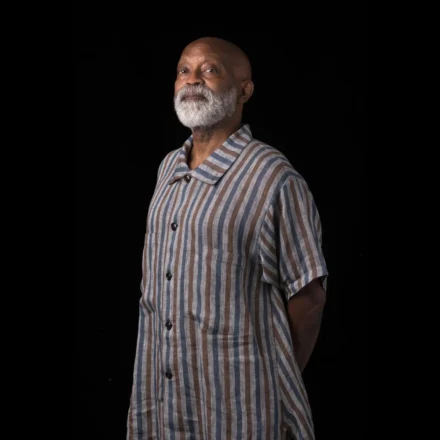
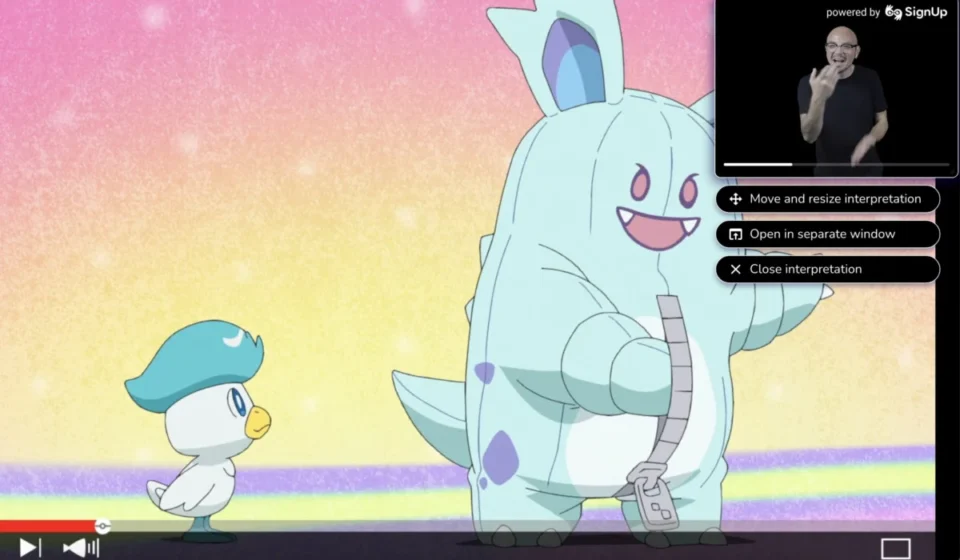
At the heart of this movement is a simple but transformative idea: visual media should be truly visual. Among those leading the charge is Minneapolis-based translator Everett Glenn, who recently completed an exhaustive 45-hour project translating the animated series Pokémon Horizons.
For viewers, the experience is seamless. In the corner of the screen, a dedicated box features a translator who does more than just mimic dialogue; they embody the story. Through expressive facial movements, rhythmic posture shifts, and intricate hand signs, Glenn and his colleagues translate not only words but the underlying emotional stakes of a scene.
"I figure out how I want to sign something, and what the meaning is behind some of the vocabulary," Glenn explains, describing his meticulous creative process. "I just try to have some background, and then I go through the story to find the moments where I really want to lean in and explore the depth."
A Brief History: From Closed Captions to Signing Avatars
The history of media accessibility is a narrative of technological progress. When closed captioning arrived in the 70s, it was a landmark victory for civil rights, finally allowing Deaf viewers to participate in the shared cultural zeitgeist of television. However, the reliance on text created a secondary, often overlooked, hurdle.
For the Deaf community, English is often a second language, while ASL is the primary, native tongue. Forcing a viewer to read captions while simultaneously trying to watch the visual action of a film creates a cognitive load that hearing viewers never experience.
The genesis of the current revolution can be traced back to 2021, when a 17-year-old student named Mariella Satow founded Signup Media. Starting with just three translated titles, the platform was born out of a desire to address the "language deprivation" that often impacts Deaf youth. Within a few short years, the platform has exploded in popularity, boasting over 25,000 monthly active users and securing high-profile collaborations, most notably with Netflix. Today, the library includes more than 70 titles, focusing primarily on the youth and family market, where the impact of early language access is most profound.
The Data: Why Accessibility is a Human Rights Issue
The need for this transition is backed by sobering statistics. According to the World Health Organization, there are more than 430 million Deaf people globally, with 34 million of them being children. Despite the ubiquity of captioning, a stubborn and concerning gap remains: the median literacy rate for Deaf high school graduates in the United States has hovered around a fourth-grade level for over a century.
This is often attributed to "language deprivation"—the lack of consistent, accessible linguistic input during the critical formative years of brain development. When a child is not provided with a robust language—whether spoken or signed—they struggle to grasp the foundations of literacy.

By integrating ASL into mainstream media, platforms like Signup Media are providing a consistent, accessible, and enjoyable linguistic model. "There are a lot of problems in the Deaf community with language deprivation," Glenn notes. "Deaf kids don’t always have the access to language that they need early on. This platform provides that for so many kids."
The Creative Process: Signing for a New Generation
Translating a show like Pokémon Horizons is no simple task. It requires more than just fluency in ASL; it requires a deep understanding of the source material. Glenn, who grew up playing the Pokémon trading card game, approached the project with the enthusiasm of a fan and the precision of a professional.
One of the most complex challenges in ASL translation is the creation of "name signs." In the Deaf community, names are often represented by unique signs that reflect a person’s personality or physical characteristics, rather than finger-spelling every letter of a name. For a show like Pokémon, which features a vast roster of characters, this required significant creativity.
"We had to get creative," Glenn says. For Pikachu, for example, Glenn developed a sign that incorporates the character’s iconic dimples. This level of detail allows Deaf children to build the same immediate, emotional connection with characters that hearing children do when they hear a name spoken aloud. It is an act of cultural translation, ensuring that the experience of the story is equivalent across all audiences.
Implications for the Future: A More Inclusive Screen
The impact of this work extends far beyond the Deaf community. While it serves as a critical lifeline for children who have not yet learned to read and for adults who find captions inadequate, it also serves as a gateway for hearing individuals to learn ASL.
"Hearing people can use it, too, as a way to learn," says Glenn. "It’s an enjoyable way to have access to the language and to learn."
As the technology continues to scale, the industry is beginning to take notice. The success of the Netflix partnership suggests that on-screen translation is no longer a niche service, but a viable and necessary component of modern streaming. From big-budget Marvel films like Shang-Chi and the Legend of the Ten Rings to family classics like The Grinch, the range of translated content is expanding rapidly.
However, for those involved, it is about more than just numbers or partnerships. It is about the fundamental right to participate in culture. Glenn, who is currently working toward his license as a mental health therapist, views his work as a direct extension of his commitment to the well-being of the Deaf community.
"Every generation figures out a way to do it better," he says, looking at the screen where his own hands dance to tell a story.
As we look toward the future, the integration of ASL into digital media signals a move toward a more equitable landscape. It challenges the "text-first" assumption that has dominated accessibility for half a century and suggests that the future of media is one where language is fluid, visual, and—above all—accessible to everyone. By breaking the sound barrier, these translators are not just making shows watchable; they are ensuring that the stories we tell can be understood, enjoyed, and felt by every member of our global community.