
































A sudden reversal in strategy by Oracle’s co-founder leaves analysts speculating as the tech giant navigates a turbulent fiscal year marked by aggressive infrastructure spending and high-stakes legal battles.
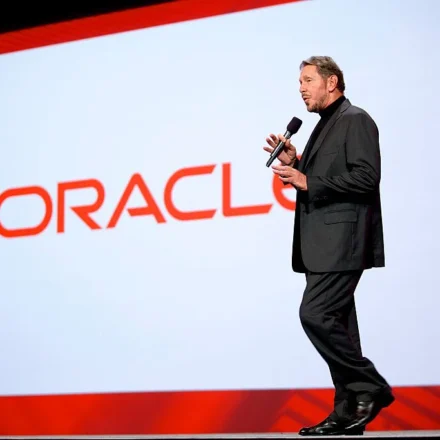
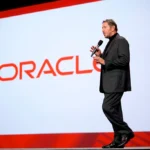
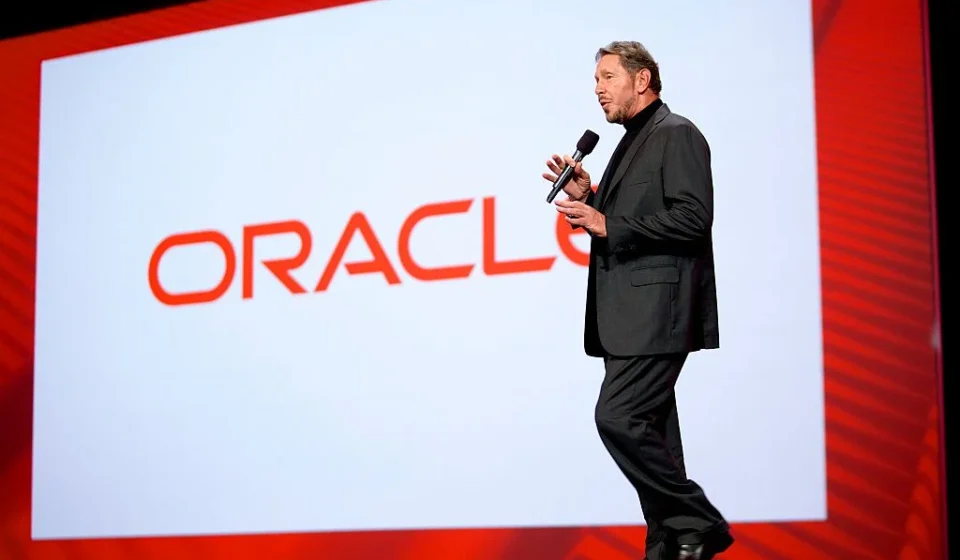
In a move that has sent ripples through the technology sector, Oracle Corporation announced on Saturday that executive chairman and co-founder Larry Ellison has officially canceled his previously disclosed plan to sell a significant portion of his holdings in the software giant. The decision, which halts the liquidation of 50 million shares valued at approximately $7.5 billion, marks a major pivot in the financial strategy of one of Silicon Valley’s most influential figures.
The announcement was made via a brief regulatory update, leaving market watchers and institutional investors to grapple with the implications of Ellison—who remains the primary architect of Oracle’s long-term vision—choosing to maintain his stake in the company amidst a period of significant market volatility.
Main Facts: The Cancellation and Its Immediate Context
The core of the development is straightforward yet profound: Larry Ellison, who holds a massive equity position in Oracle, has formally rescinded his intent to divest. According to the official statement released by the company, "No Oracle stock was sold under that plan, and he has no other plans to sell any of his Oracle stock."
This reversal comes at a time when Oracle’s stock performance has been under intense pressure. Year-to-date, shares of ORCL have declined by 22%, a trend that has prompted questions regarding the company’s massive capital expenditure strategy. By canceling the sale, Ellison is effectively signaling a "vote of confidence" in the company’s future, effectively keeping his fortune tied to the success of Oracle’s cloud infrastructure and AI-driven pivot.
Chronology of the Decision
To understand the weight of this reversal, one must look at the timeline of events that preceded this weekend’s announcement:
- Initial Filing (Q3 2026): Oracle submitted regulatory filings indicating that Ellison had adopted a trading plan to offload 50 million shares. At the time, market conditions and the valuation of Oracle stock made this a significant divestment, estimated at $7.5 billion.
- Market Turbulence (Q1-Q2 2026): Throughout the first half of the year, Oracle’s stock faced downward pressure. The tech sector experienced a broader rotation away from high-growth cloud stocks, and Oracle’s aggressive pivot toward AI infrastructure necessitated unprecedented spending, which some investors initially viewed with skepticism.
- The TikTok Security Partnership (January 2026): Oracle solidified its role as a primary security partner and host for TikTok’s U.S. operations. While this secured a major enterprise client, it also brought regulatory scrutiny and operational complexity.
- The Warner Bros. Acquisition (Late 2025 – Present): Ellison’s personal financial involvement in his son David Ellison’s acquisition of Warner Bros. became a point of public discourse. As the acquisition faced legal hurdles, questions regarding the liquidity of the Ellison family’s assets began to circulate in financial circles.
- The Cancellation (September 12, 2026): Oracle officially informed the market that the trading plan had been terminated, ensuring no shares would be sold.
Supporting Data: Oracle’s Financial Landscape
The decision to hold rather than sell occurs against a backdrop of complex financial metrics. Oracle has been in a phase of heavy capital investment, primarily focused on the construction of massive data centers designed to compete with the likes of Amazon Web Services (AWS), Microsoft Azure, and Google Cloud.
Data Center Expenditure
Oracle’s "cloud-first" strategy has required billions in capital expenditure. These data centers are not merely storage facilities; they are high-performance computing hubs engineered to run generative AI models for enterprise customers. While these investments are necessary for long-term competitiveness, they have compressed free cash flow margins in the short term, contributing to the 22% decline in share price seen over the last nine months.
The TikTok Factor
Oracle’s role as the guardian of TikTok’s U.S. data has been a double-edged sword. While it serves as a testament to the robustness of Oracle’s security and cloud architecture, it has tethered the company’s reputation to the volatile political and regulatory climate surrounding the social media platform. The ongoing uncertainty regarding TikTok’s future in the United States adds a layer of risk that institutional investors have been pricing into ORCL stock.
Official Responses and Corporate Stance
Oracle’s communication regarding the move has been notably terse. By stating that there is "no other plan to sell," the company is attempting to provide stability and minimize speculation about Ellison’s personal liquidity needs.
Historically, Ellison has been known to use his Oracle stock as collateral or as a source of capital for his various philanthropic and private business endeavors, such as his acquisition of the island of Lanai or his investments in startups. The sudden cancellation suggests that either the capital requirements for his other ventures—specifically the backing of his son’s acquisition of Warner Bros.—have been met through other means, or that he perceives the current market price of Oracle to be significantly undervalued.
Implications: What This Means for Shareholders
The decision to keep his 50 million shares has several layers of implication for the market and the future of Oracle.
1. Signaling Undervaluation
When a founder of Ellison’s stature cancels a planned sale of such magnitude, it is almost universally interpreted by the market as a signal that the executive believes the stock is currently undervalued. By retaining the shares, Ellison is opting for future appreciation over immediate liquidity.
2. Stability in Leadership
Oracle’s identity is inextricably linked to Larry Ellison. His continued heavy ownership provides a sense of continuity. Investors often find comfort in founder-led companies where the founder’s "skin in the game" is substantial, as it aligns the interests of the board with those of the common shareholders.
3. The Warner Bros. Connection
The legal challenges surrounding the Warner Bros. deal—which have included intense scrutiny from state regulators and legal teams—may have necessitated a reassessment of the Ellison family’s assets. While the cancellation of the Oracle stock sale does not explicitly detail the funding of the Warner Bros. acquisition, it suggests that the family has navigated the capital requirements of that deal without needing to liquidate their primary software holding.
4. A Shift in Strategy?
There is also the possibility that Oracle’s internal projections for the next fiscal year are more optimistic than the market consensus. If Oracle’s data center investments are beginning to yield the expected returns in terms of cloud revenue growth, the stock may be poised for a rebound. Ellison, having intimate knowledge of the company’s "in-the-pipe" deals and infrastructure utilization, may be betting that the market is about to turn in the company’s favor.
Conclusion: A Founder’s Resolve
The landscape of big tech is shifting toward an era of massive infrastructure costs, where the giants of the past must reinvent themselves as the utilities of the AI future. Larry Ellison’s decision to pull back from a $7.5 billion liquidation is a definitive moment in this transition.
While the reasons for the change in plans remain behind closed doors, the public outcome is clear: the most significant shareholder in Oracle is doubling down. As Oracle continues to grapple with the demands of its massive data center expansion and the complex web of its high-profile partnerships, the market will be watching closely to see if Ellison’s confidence is rewarded by a recovery in the company’s share price. For now, the "Oracle of Redwood Shores" remains firmly in control of his stake, betting on a future that he continues to shape from the helm of the company he founded.