













































While the national spotlight recently shifted to Washington, D.C., where a persistent, neon-green algae bloom has plagued the Lincoln Memorial Reflecting Pool—a challenge exacerbated by the pool’s shallow depth, intense heat, and the specific chemical composition of its water source—a far more complex environmental battle is unfolding across the American Midwest. In Minnesota, the "Land of 10,000 Lakes," state regulators are grappling with a task of monumental proportions: managing the water quality of thousands of bodies of water that form the backbone of the state’s identity, economy, and ecology.
As the nation approaches the 250th anniversary of its founding, the stark contrast between the single, man-made basin in D.C. and the vast, interconnected watershed network of Minnesota highlights the immense scale of modern water management. The Minnesota Pollution Control Agency (MPCA) has released its 2026 draft list of "impaired waters," a biennial report required by the federal Clean Water Act that serves as a diagnostic roadmap for the state’s environmental health.
The Magnitude of the Challenge: Facts and Figures
Under the provisions of the federal Clean Water Act, every state is mandated to monitor and report on waters that fail to meet specific water-quality standards. These failures, known as "impairments," are typically caused by excessive sediment, harmful bacteria, or nutrient overloading—specifically nitrogen and phosphorus—which act as fertilizers for the same type of algae currently confounding federal workers at the Lincoln Memorial.
The 2026 draft list, now open for public review through July 22, paints a sobering picture of the state’s water quality. The report identifies 2,979 individual water bodies—a vast array of lakes, rivers, streams, and wetlands—that are currently failing to meet state health or ecological standards. Within these bodies, the MPCA has documented a total of 6,410 unique impairments.
The breakdown of these issues reveals the multifaceted nature of the pollution:
- Aquatic Life Impairments (32%): These represent the most frequent issue, where fish and macroinvertebrate populations are failing to thrive, often due to degraded habitat or poor water quality.
- Mercury Contamination (27%): A persistent legacy issue that restricts the safe consumption of fish across many of the state’s most beloved recreational lakes.
- Bacterial Contamination (15%): Primarily related to E. coli and other pathogens, impacting the safety of swimming and secondary water contact.
- Nutrient and Sediment Loads (Remainder): The primary drivers of the "green" water issues that mirror the aesthetic and biological problems seen in D.C.
A Chronology of Stewardship: From Fragmented Efforts to Holistic Watershed Management
The trajectory of Minnesota’s water policy has evolved significantly over the last three decades. In the early 1990s, when the state first launched its formal impaired-waters tracking program, the approach was largely reactive and fragmented. Agencies would target individual lakes or stream segments in isolation, often treating symptoms rather than addressing the upstream causes of pollution.
By 2007, the MPCA underwent a paradigm shift, adopting what is now known as the "watershed approach." Recognizing that water does not respect municipal boundaries, the agency began focusing on 80 major watersheds. This transition allowed state officials to work in tandem with local partners, soil and water conservation districts, and tribal nations to look at the entire drainage area as a single, living system.
This evolution is reflected in the current reporting cycle. While the 2026 list adds 46 new impairments, it also marks a significant milestone in restoration efforts. The draft proposes the removal of 45 bodies of water from the impaired list—the highest number of successful restorations in a single two-year cycle since the program’s inception in 1992.
Success Stories: The Riley Lake Blueprint
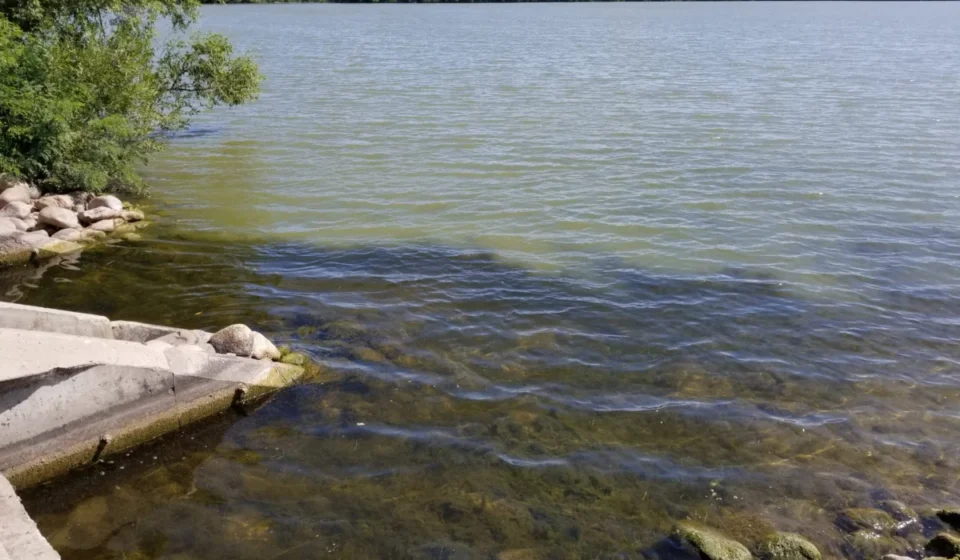
To understand what "restoration" looks like in practice, one must look at success stories like Riley Lake, situated on the border of Chanhassen and Eden Prairie. For years, the lake struggled with excessive phosphorus and murky water, common symptoms of a degraded watershed.
The turnaround was not the result of a single "quick fix," but a multi-year, science-based intervention led by the Riley Purgatory Bluff Creek Watershed District. The process, as detailed by district administrator Terry Jeffery, began with a deep dive into the lake’s ecology, specifically the migratory and reproductive patterns of common carp.

"We began the process with the University of Minnesota in which we studied the migratory and reproductive patterns of common carp," Jeffery noted. The district then systematically reduced the carp population to prevent them from uprooting aquatic vegetation—an essential filter for lake water. Following this, crews removed invasive species like Eurasian water milfoil and curly-leaf pondweed, finally applying alum (aluminum sulfate) to the lake bed. The alum acts as a binding agent, trapping phosphorus in the sediment and starving the algae of the nutrients they need to bloom. The result is a lake that has regained its clarity and is no longer classified as "impaired."
Supporting Data: The "TMDL" Mechanism
At the heart of the state’s regulatory apparatus is the "Total Maximum Daily Load" (TMDL). While the term is bureaucratic, its function is vital: it calculates the maximum amount of a specific pollutant that a water body can receive while still meeting water quality standards.
The state has currently completed 205 EPA-approved TMDL projects. These are not merely administrative documents; they serve as legal and technical blueprints for infrastructure upgrades, agricultural runoff mitigation, and urban stormwater management. According to the 2026 report to Congress, Minnesota remains a national leader in the transparency and systematic application of these restoration projects. However, the data also serves as a constant reminder of the scale of the remaining work, as thousands of miles of river and hundreds of lakes remain on the "needs-attention" list.
Official Responses and Public Engagement
The MPCA’s recent move to open the 2026 list for public comment is more than a formality; it is a critical component of the agency’s democratic oversight. Throughout late June and early July 2026, the agency has held a series of virtual town halls to engage stakeholders in the Upper Mississippi River region—a massive area including the watersheds of the Pine, Long Prairie, Redeye, and South Fork Crow rivers.
These meetings allow farmers, city planners, and local residents to provide feedback on the data. For the MPCA, this feedback is essential to ensure that the restoration strategies are not only scientifically sound but also socially and economically viable for the communities they affect.
Financial Implications: The "Legacy" Legacy
Unlike many states that struggle to find funding for environmental cleanup, Minnesota occupies a unique position thanks to the 2008 Clean Water, Land and Legacy Amendment. Voters approved a 0.375% sales tax specifically dedicated to environmental stewardship, a fund that has been instrumental in the progress seen to date.
For the 2024-2025 biennium alone, the Minnesota Legislature appropriated $318 million from the Clean Water Fund. Of this, $48 million was directed specifically to the MPCA for water quality protection. This financial backing has allowed the state to invest in cutting-edge research, such as the carp-management studies in the Riley Purgatory Bluff Creek district, and to subsidize the expensive engineering required to retrofit urban storm drains and agricultural drainage tiles.
The Path Ahead: Complexities of Water Stewardship
As Minnesota moves forward, the challenges are shifting. Climate change is bringing more intense rain events, which increase the runoff of nitrogen and phosphorus from urban and agricultural landscapes. These nutrients move downstream, eventually reaching the Mississippi River and contributing to the "dead zone" in the Gulf of Mexico.
The comparison to the Lincoln Memorial Reflecting Pool, while simplistic, serves as a poignant reminder of the global nature of water quality issues. Whether it is a shallow, man-made pond in Washington or the complex, interconnected lake systems of the Midwest, the core issue remains the same: the interaction between heat, nutrients, and human activity.
For Minnesotans, the 2026 impaired waters list is not just a list of failures; it is an accounting of the state’s most valuable resource. As the public comment period closes and the state moves toward final adoption of the list, the focus will remain on the long-term, incremental work of restoration. While the algae in the reflecting pool can be managed with chemicals and temporary fixes, the health of the Land of 10,000 Lakes requires a sustained, multi-generational commitment to the land and the watersheds that sustain it. The 2026 data confirms that while the road is long, the state’s systematic, watershed-based approach is yielding measurable, lasting progress.