
























































Across the United States, communities are increasingly confronting a new kind of industrial revolution: the rapid expansion of multi-billion-dollar data centers. These colossal facilities, the silent engines of our digital world, are reshaping local economies, straining natural resources, and fundamentally altering ways of life. As the demand for cloud computing and artificial intelligence (AI) skyrockets, towns and counties, often with little to no prior experience in such mega-developments, are being forced to make swift, impactful decisions that will resonate for generations.
This article serves as a comprehensive guide, drawing on insights from over 50 experts across the data center industry, local and state governments, national policy organizations, researchers, and affected residents. It aims to equip communities with the knowledge and strategies necessary to navigate these complex proposals, transforming potential challenges into opportunities for sustainable growth. The central message is clear: the arrival of a data center doesn’t demand a simple "yes" or "no," but rather a meticulously negotiated "how."
Main Facts: The Unprecedented Scale of Digital Infrastructure
The proliferation of data centers represents a critical juncture for local governance and environmental stewardship. These facilities, often spanning hundreds of acres and consuming vast amounts of power and water, are far from benign neighbors. They are the physical embodiment of the digital age, housing the servers that power everything from social media and streaming services to complex AI algorithms and industrial automation.
While developers often highlight job creation and economic benefits, communities frequently find themselves ill-prepared to assess the true costs and long-term impacts. The rapid buildout, driven by the insatiable appetite for data processing, means that decisions are often made under pressure, without adequate information or local capacity. Experts emphasize that successful engagement hinges on proactive planning, clear objectives, and legally binding agreements that protect community interests while maximizing genuine benefits. The challenge is not merely to accommodate these facilities but to integrate them responsibly into the existing social, economic, and ecological fabric.
The Accelerating Chronology of the Data Center Boom
The concept of a data center has evolved dramatically from humble server rooms in corporate basements to sprawling "hyperscale" campuses. For decades, these facilities were largely confined to urban or suburban industrial parks, often unnoticed by the wider public. However, the last decade has witnessed an exponential acceleration in their growth, fundamentally altering their footprint and impact.
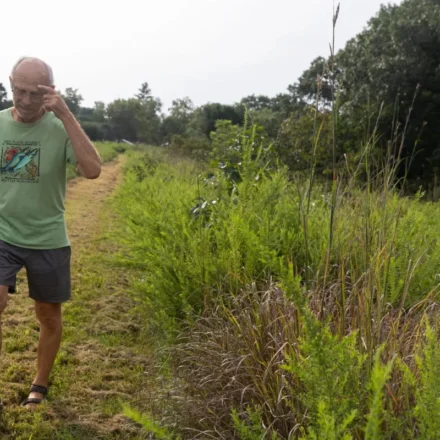
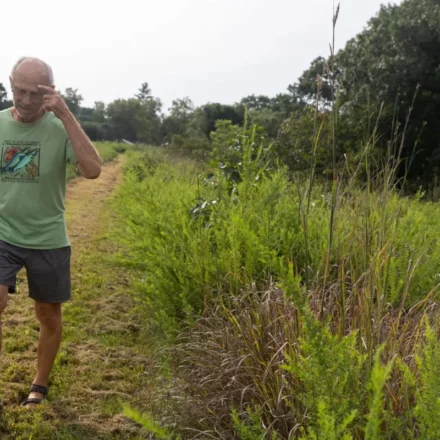
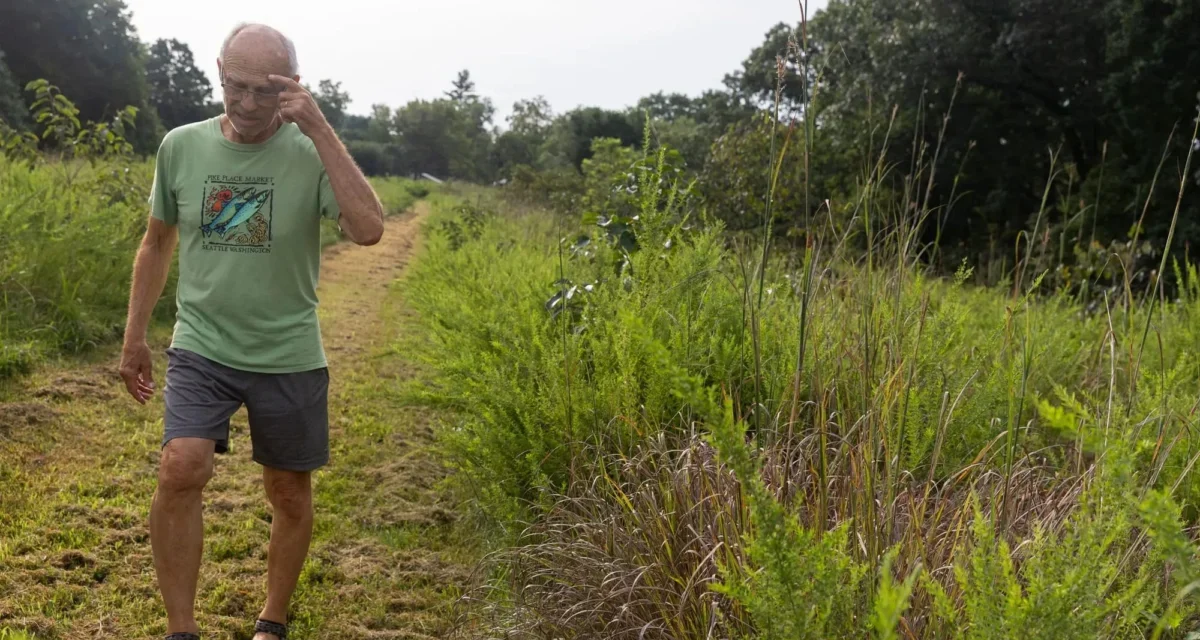
The primary catalysts for this boom are the pervasive adoption of cloud computing, the burgeoning field of artificial intelligence, and the increasing demand for high-speed data processing for everything from financial transactions to virtual reality. These technologies require immense computational power, leading to a surge in the construction of larger, more energy-intensive facilities. The image of Anna Farrar in Warren County, Missouri, examining the proposed route for the Ameren Missouri Montgomery-Callaway Connector Project in May 2026, encapsulates a pivotal moment in this chronology. This transmission line project, designed to connect substations and supply power, is a direct consequence of the escalating energy demands of regional data center developments. Such infrastructure projects are increasingly becoming commonplace, indicating the scale of investment and the transformation of landscapes to support the digital economy.
This shift has also seen data centers moving further into rural and exurban areas. Land is cheaper, and access to large tracts for expansion is easier. However, these locations often lack the existing robust infrastructure, particularly in terms of high-capacity power grids and water supplies, leading to significant new infrastructure projects that can fragment landscapes and impact agricultural lands. This migration has intensified the challenges for smaller, less resourced communities, thrusting them into complex negotiations with global tech giants.
Supporting Data and Expert Perspectives
The true impact of data centers becomes evident when examining their resource demands and the economic promises they often present. Scrutiny reveals a nuanced picture that requires careful community consideration.
The Resource Demands: Energy and Water
Perhaps the most striking aspect of data centers is their voracious appetite for resources. The energy consumption statistics are particularly stark. It’s estimated that data centers are projected to consume 8% of U.S. power by 2030, a dramatic increase from just 3% in 2022. This exponential growth in demand places immense pressure on existing energy grids and often necessitates the construction of new power generation facilities and transmission lines, as seen with the Ameren Missouri project.
A critical concern is the energy source. Despite the tech industry’s push for sustainability, these technology hubs largely rely on fossil fuels to generate electricity. This reliance exacerbates carbon emissions and contradicts broader climate goals. However, researchers from the Deep Tech Initiative at Duke University’s Sanford School of Public Policy suggest a paradoxical potential: data centers, due to their scale and concentrated demand, could become a significant force driving a global shift towards renewable energy use, provided the right policies and incentives are in place. This would require developers to commit to purchasing renewable energy credits or, ideally, investing directly in new renewable energy infrastructure.
Equally concerning is their prodigious water consumption. According to the Environmental and Energy Study Institute, hyperscale data centers can use up to 5 million gallons of water per day. To put this into perspective, this is equivalent to the daily water usage of a town housing 10,000 to 50,000 people. This staggering demand for water, primarily used for cooling servers to prevent overheating, poses a severe risk, especially when data centers are located in water-stressed regions. Duke University’s Hitchcock warns that such developments have the potential to significantly exacerbate existing water shortages, impacting agriculture, ecosystems, and residential supplies. Communities must demand detailed water usage plans, explore closed-loop cooling systems, and assess the long-term sustainability of local water sources.
Economic Promises vs. Realities: Jobs and Tax Incentives
Data centers are often pitched to communities with the promise of high-paying jobs and substantial taxable revenue. While they do create construction jobs and a smaller number of highly skilled operational roles, the long-term employment figures are often modest compared to the scale of investment and the resource demands. A single hyperscale data center might employ only a few dozen permanent staff once operational, a far cry from the hundreds or thousands often implied during initial presentations.
Furthermore, the allure of tax incentives and exemptions frequently offered to attract these developments warrants careful scrutiny. Many experts recommend that states and localities meticulously manage these incentives. While they can make a region competitive, overly generous tax breaks can deplete local tax bases, leaving communities with the environmental and infrastructure costs but little of the promised financial upside. Lauren Withycombe Keeler, a researcher at Arizona State University, emphasizes this point: "It doesn’t have to just be, ‘yes’ to hosting a data center, or ‘no.’ ‘No’ is certainly an option, but negotiations with data center operators also present an opportunity to distribute some of the wealth of the AI economy." This distribution, she argues, can be achieved through well-developed community benefits agreements.
The Imperative for Transparency and Planning
A recurring theme in community opposition to data centers is the pervasive lack of transparency. Developers often present proposals with limited information regarding environmental impact, operational specifics, and long-term commitments. This opacity leaves residents and local officials feeling disempowered and unable to make informed decisions. For effective planning, it is crucial that as much information as possible about the proposed development is made available from the outset.
Experts universally agree that the best time to plan for a data center is before it arrives. This means community members and leaders must engage in a proactive planning process to define their desired development trajectory. The NAACP’s "Stop Dirty Data report" strongly recommends calling for moratoriums on new data center construction when necessary. Such moratoriums provide critical time for communities to develop sufficient regulations, zoning ordinances, and oversight mechanisms tailored to these unique industrial facilities. This proactive approach ensures that communities are not merely reacting to proposals but are setting the terms for development on their own turf.

Official Responses and Community Engagement
The pathway to responsible data center development hinges on robust official responses from local governments and vigorous civic engagement from residents.
The Power of Community Benefits Agreements (CBAs)
One of the most effective tools for communities is the Community Benefits Agreement (CBA). These are legally binding contracts negotiated directly between developers and community coalitions. Keeler stresses that CBAs are essential for creating "clear, measurable and accountable goals." Unlike vague promises, CBAs ensure that communities genuinely "reap the benefits of the new development while mitigating risks."
A well-crafted CBA can stipulate a wide range of commitments, including:
- Local Hiring and Training: Guarantees for local residents in both construction and operational phases, with specific training programs.
- Infrastructure Contributions: Developer funding for upgrades to roads, water systems, and broadband that benefit the wider community, not just the data center.
- Environmental Protections: Commitments to specific water conservation measures, renewable energy sourcing, noise reduction, and land remediation.
- Financial Contributions: Direct payments to community funds for schools, parks, or other public services.
- Transparency and Oversight: Requirements for ongoing reporting on resource usage, employment numbers, and environmental compliance, with independent monitoring.
- Decommissioning Plans: Clear strategies for the site’s restoration should the data center cease operations.
Without such "teeth" and monitoring, Keeler warns, the promises often remain unfulfilled, leaving communities with the burdens but not the benefits.
Local Government’s Role: Regulation and Oversight
Local governments play a pivotal role in shaping data center development. This involves:
- Zoning and Land Use Planning: Designating specific industrial zones suitable for data centers, considering proximity to residential areas, natural resources, and existing infrastructure.
- Comprehensive Environmental Reviews: Mandating thorough assessments of potential impacts on air quality, water tables, noise levels, and local ecosystems, often requiring independent third-party evaluations.
- Permitting Processes: Establishing clear, rigorous processes for construction, operational permits, and environmental compliance, with opportunities for public input.
- Infrastructure Assessment: Demanding detailed reports on how the proposed data center will impact local power grids, water treatment facilities, and transportation networks, and requiring developers to bear the cost of necessary upgrades.
- Expert Consultation: Recognizing the complexity of these projects, local governments should seek external expertise in areas like energy grids, water management, and legal negotiations to level the playing field with well-resourced developers.
Grassroots Activism and Legal Challenges
When official channels fall short or transparency is lacking, residents often take matters into their own hands. Civic engagement becomes a powerful force in shaping outcomes. Examples of community actions include:
- Demanding Information: Organizing to request public records, environmental impact statements, and developer agreements that are often initially withheld.
- Rallies and Protests: Public demonstrations to raise awareness, put pressure on elected officials, and articulate collective concerns.
- Forming Advocacy Groups: Establishing formal organizations, like Preserve Montgomery County, to coordinate efforts, share information, and amplify voices. Brenda Buechele, as an organizer for this group, demonstrates the dedication required to collect signed affidavits and pursue legal avenues against local government and state economic development departments to halt data center construction.
- Voter Mobilization: Actively campaigning to elect officials who are responsive to community concerns or, conversely, voting out those perceived as unresponsive or too developer-friendly.
- Legal Action: Filing lawsuits, as seen in Montgomery County, to challenge zoning decisions, environmental approvals, or the legality of tax incentive packages.
- Media Outreach: Engaging with local and national media to highlight concerns and garner broader public support.
These grassroots efforts underscore the democratic principle that development should serve the interests of the community, not just corporate profits.
Broader Implications for the Digital Age
The localized battles over data centers are not isolated incidents; they are symptomatic of profound shifts in our global digital economy and carry significant broader implications.
The Ethical and Environmental Footprint of AI
The exponential growth of data centers is inextricably linked to the rapid advancement and deployment of artificial intelligence. AI, while promising transformative benefits, carries a substantial ethical and environmental footprint. The training of complex AI models requires immense computational power, translating directly into vast energy consumption and heat generation, which necessitates intensive cooling. This raises critical questions about the sustainability of our digital future. If AI is to be a force for good, its foundational infrastructure must also be environmentally responsible. Communities on the front lines of data center development are, in essence, grappling with the physical manifestation of AI’s environmental cost.
A National Conversation on Digital Infrastructure
The struggles faced by individual communities highlight the urgent need for a broader, national conversation about digital infrastructure. Currently, data center development is largely a patchwork of local decisions, often made without comprehensive federal or state guidance. This fragmented approach can lead to "race to the bottom" scenarios where localities offer excessive incentives to attract developers, or to environmental injustices where vulnerable communities bear a disproportionate share of the impact.
There is a growing argument for federal or state-level frameworks that could:
- Standardize Environmental Reviews: Ensure consistent and rigorous environmental impact assessments across jurisdictions.
- Regulate Resource Usage: Establish guidelines or mandates for renewable energy sourcing and water conservation in data centers.
- Promote Transparency: Require developers to disclose key operational and environmental data publicly.
- Offer Technical Assistance: Provide resources and expertise to help smaller communities negotiate effectively.
Such frameworks would help ensure that the benefits and burdens of the digital economy are distributed more equitably and sustainably.
Towards Sustainable Digital Growth
Ultimately, the future of data centers is not about halting progress, but about ensuring that digital growth is sustainable and serves the public good. The challenges are immense, but the experiences of communities and the insights of experts offer a roadmap. Responsible data center development is achievable, but it demands vigilance, proactive planning, robust, legally binding agreements, and unwavering civic engagement. It requires all stakeholders—developers, governments, and citizens—to collaborate on a vision for a digital future that respects natural resources, fosters local economies, and enhances the quality of life for all. The decisions made today, in towns like Montgomery County, Missouri, will define the legacy of our digital age for generations to come.
Jacob Tukker, Abby Cornell, and Finn Belleau contributed to this story.
This story is a product of the Mississippi River Basin Ag & Water Desk, an independent reporting network based at the University of Missouri in partnership with Report for America, with major funding from the Walton Family Foundation.