
























































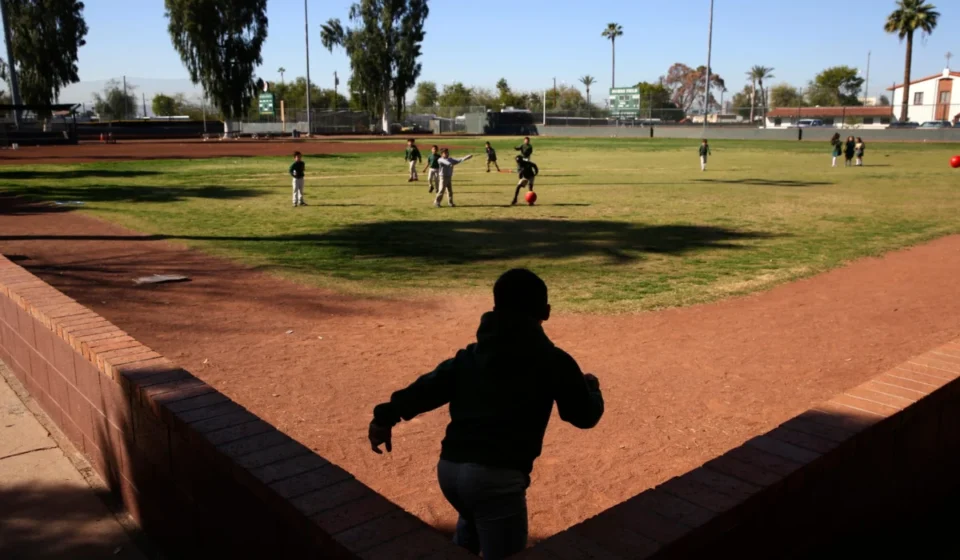

For generations, the image of children sprinting across a playground during recess has been a staple of the American school experience. However, in recent decades, that iconic scene has been increasingly sidelined by a relentless focus on standardized testing, academic rigor, and sedentary classroom time. Now, the nation’s leading pediatric authority is pushing back, issuing a clarion call to restore recess as a non-negotiable pillar of childhood development.
The American Academy of Pediatrics (AAP), in its first major policy update on the subject in 13 years, has officially declared that recess is not merely a break from learning—it is an essential component of it. By synthesizing over a decade of new research, the AAP aims to shift the narrative from recess as "lost time" to recess as "protected time," vital for the cognitive, physical, and emotional health of students from kindergarten through high school.
The Science of the Pause: Main Facts and Findings
The core of the AAP’s argument lies in the biology of the developing brain. Modern pedagogical pressure often leads schools to cram as much instruction as possible into the school day, assuming that more seat time equals more learning. Neuroscientific evidence suggests the opposite: the brain requires regular, unstructured intervals to consolidate information.
When students engage in "free play," they are doing more than blowing off steam. They are participating in a neurological "save" function. After a period of intense focus, the brain hits a saturation point where new information is no longer effectively absorbed. A recess break allows for the cognitive recalibration necessary to return to the classroom with renewed focus.
Furthermore, the AAP emphasizes that recess is a unique developmental laboratory. Unlike physical education (PE), which is structured and teacher-led, recess is largely self-directed. It is in this unstructured environment that children learn to negotiate rules, resolve conflicts, manage peer hierarchies, and build the self-confidence that is crucial for emotional intelligence.
A Chronological Decline: The Erosion of Play
To understand the current crisis, one must look at the trajectory of American education over the last two decades. The decline of recess can be traced back to the implementation of aggressive academic accountability measures, such as the No Child Left Behind Act, which placed immense pressure on schools to maximize instructional hours in core subjects like math and reading.
- Mid-2000s: Schools begin a noticeable shift, trading playground time for supplemental test preparation. Data suggests that up to 40% of U.S. school districts began reducing or eliminating recess during this period.
- 2011–2012: The AAP issues its previous landmark statement on recess, warning that the loss of play is detrimental to child development. Despite these warnings, the trend of shrinking recess continues in many districts.
- 2020: The COVID-19 pandemic forces a massive disruption to schooling. While some schools adapt to outdoor learning, others grapple with severe social isolation, highlighting the importance of the peer-to-peer interactions usually facilitated by recess.
- 2026: The AAP releases its updated guidance, citing the worsening state of children’s physical and mental health as a primary driver for the urgent need to reinstate and protect recess across all grade levels.
Supporting Data: The Cost of a Sedentary School Day
The statistics regarding the decline of children’s health in the United States are sobering, and experts argue that the lack of physical activity during the school day is a significant contributor. According to data from the Centers for Disease Control and Prevention (CDC) and Springboard to Active Schools, obesity now affects approximately 1 in 5 children and adolescents in the United States.
The AAP notes that the duration of recess across the country is currently inconsistent to the point of inequity. Some students enjoy an hour of daily activity, while others are granted fewer than 10 minutes—a window barely sufficient for a bathroom break, let alone meaningful exercise.
In contrast, international models provide a roadmap for success. In countries like Japan, the United Kingdom, and Denmark, students are afforded breaks after every 45 to 50 minutes of instruction. These nations, which often outperform the U.S. in both academic testing and student well-being metrics, view these frequent intervals as the "fuel" that drives successful learning.
Official Responses and Expert Consensus
Dr. Robert Murray, a lead author of the new AAP guidance, has been vocal about the systemic misuse of recess as a disciplinary tool. "If the child is disruptive or rude and disrespectful, recess is one of the things that teachers use to punish kids," Murray noted. He argues that this practice is counterproductive, as the students most likely to struggle with behavioral issues are the ones who benefit most from the stress-reducing effects of physical activity.
The AAP is unequivocal in its stance: Recess should never be withheld for academic or punitive reasons.
Dr. Lauren Fiechtner, a childhood obesity expert at Mass General Brigham for Children, supports this, emphasizing that the need for a break does not vanish once a child enters middle or high school. "As kids get older, they’re more on their screens," Fiechtner says. "It’s really helpful for outdoor activity and recess to be happening. Recess is great. We all kind of need recess."
The consensus among pediatricians is that the "academic-first" mentality that has squeezed recess out of the schedule is fundamentally flawed. By prioritizing test scores over human development, schools have inadvertently created a population of students who are more stressed, less fit, and less capable of sustaining long-term academic focus.
Implications: The Path Forward
The implications of this new guidance are far-reaching. For school administrators and policymakers, the AAP’s message is a directive to overhaul daily schedules. The recommended standard is a minimum of 20 minutes of daily recess, ideally broken into multiple sessions throughout the day.
For parents and teachers, the recommendation serves as an advocacy tool. It empowers stakeholders to demand that schools treat play as a legitimate pedagogical priority rather than a luxury.
However, the transition will not be without challenges. Many schools lack the necessary outdoor infrastructure, or they face logistical hurdles regarding safety and supervision. Yet, the AAP argues that these are obstacles that can and must be overcome. The long-term cost of a generation raised in high-pressure, sedentary environments—manifesting in rising rates of anxiety, obesity, and burnout—is far greater than the cost of scheduling a few extra minutes on the playground.
As the educational landscape continues to evolve in the wake of rapid technological change and shifting social norms, the simple act of play remains a constant, non-negotiable human need. The message from the American Academy of Pediatrics is clear: if we want our children to excel, we must first allow them to be children. By protecting recess, we are not just investing in their health—we are investing in the very foundation of their academic and personal success.