





















































From the thunderous, mist-shrouded gorges of North America to the hidden, jungle-clad cliffs of the Amazon, waterfalls have long served as nature’s most compelling spectacles. They are the earth’s raw kinetic energy made visible, drawing millions of travelers annually to witness the sublime intersection of geology and hydrology. This report examines twenty of the most significant waterfalls on the planet, analyzing their geographical significance, the logistics of visiting them, and their evolving status in an era of digital tourism.
The Geography of Power: Key Facts and Figures
Waterfalls are classified by their formation and the sheer volume of water displacement. While height is the metric most frequently cited by casual observers, hydrologists often look at "discharge rates"—the cubic meters of water per second—to determine the true "power" of a cataract.
The list below represents a diverse cross-section of global geography, highlighting everything from the record-breaking, sheer drops of the Andes to the wide, roaring curtains of the Zambezi.
1. Niagara Falls (USA/Canada)
- Height: 167 feet
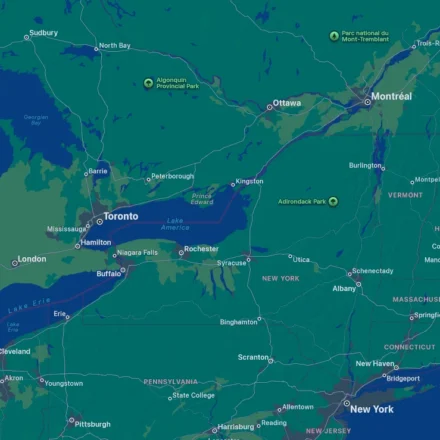
- Status: The undisputed monarch of digital engagement, Niagara Falls is the most photographed and hashtagged waterfall globally. Spanning the border of New York and Ontario, it offers an infrastructure of tourism that is unrivaled, allowing visitors to experience the "Horseshoe" formation from multiple vantage points.
2. Iguazu Falls (Argentina, Brazil, and Paraguay)
- Height: 269 feet
- Status: A complex of over 200 individual cascades, Iguazu provides a masterclass in topographical variety. The Brazilian side is renowned for its sweeping panoramic vistas, while the Argentine side offers intimate, labyrinthine walkways that bring visitors inches away from the deluge.
3. Multnomah Falls (Oregon, USA)
- Height: 620 feet
- Status: A jewel of the Pacific Northwest, this two-tiered waterfall is a testament to the beauty of the Columbia River Gorge. Its iconic stone bridge offers one of the most aesthetic photo opportunities in the United States, blending human architectural history with natural majesty.
4. Victoria Falls (Zambia/Zimbabwe)
- Height: 354 feet
- Status: Known locally as Mosi-oa-Tunya ("The Smoke That Thunders"), this massive curtain of water on the Zambezi River is a bucket-list destination. Beyond mere sightseeing, it serves as an adventure hub for bungee jumping, white-water rafting, and the daring "Devil’s Pool" swim.
5. Gullfoss (Iceland)
- Height: 104 feet
- Status: Located on the Hvítá river, Gullfoss represents the "Golden Circle" of Icelandic tourism. Its multi-step drop into a deep crevice creates a dramatic display of water-born energy that has become a symbol of the nation’s pristine wilderness.
6. Skogafoss (Iceland)
- Height: 197 feet
- Status: Renowned for its sheer power and accessibility, Skogafoss is a staple for landscape photographers. The mist created by the falls frequently results in rainbows, adding a layer of ethereal beauty to the site.
7. Yosemite Falls (California, USA)
- Height: 2,424 feet
- Status: As the highest waterfall in the U.S. mainland, Yosemite Falls is the crown jewel of the Sierra Nevada range. Its seasonal variability makes it a living entity, roaring in the spring thaw and receding to a trickle by late summer.
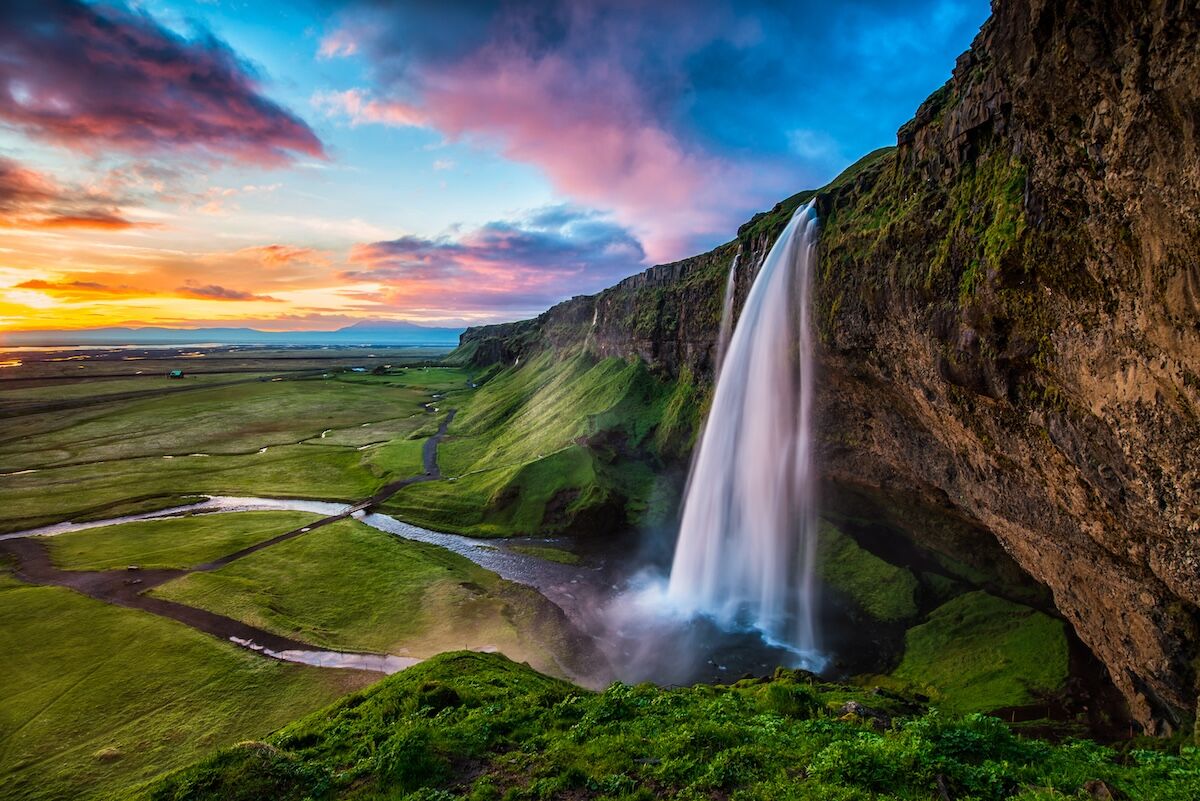
8. Seljalandsfoss (Iceland)
- Height: 197 feet
- Status: This waterfall offers a unique experience: the ability to walk behind the cascade. This rare perspective allows for a transformative view of the Icelandic landscape through a veil of falling water.
9. Havasu Falls (Arizona, USA)
- Height: 98 feet
- Status: Nestled within the Havasupai Reservation, this site is defined by its striking turquoise water set against red desert rock. Access is strictly controlled via a permit system, protecting the cultural and natural integrity of the site from over-tourism.
10. Bridalveil Falls (California, USA)
- Height: 616 feet
- Status: Another Yosemite titan, Bridalveil is famous for its powerful mist, which can blow across the valley floor for over a mile during peak flow.
Historical Context and Discovery
The chronology of these waterfalls ranges from the prehistoric to the surprisingly recent. While Niagara and the Rhine Falls have been fixtures of human settlement for centuries, other giants remained hidden from Western maps until the 21st century.
The Gocta Waterfall (Peru), standing at a staggering 2,529 feet, was only "discovered" by the outside world in 2002 when German explorer Stefan Ziemendorff trekked through the Utcubamba Valley. This highlights the reality that even in the modern age, the Amazon Basin remains a frontier of geographical mystery.
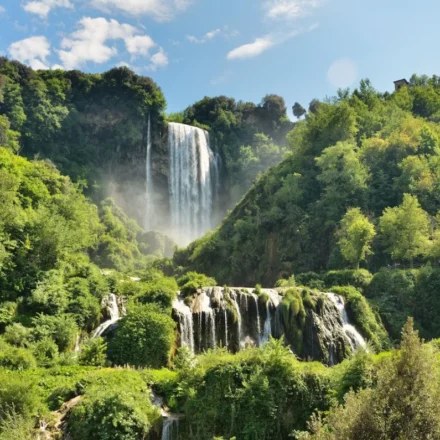
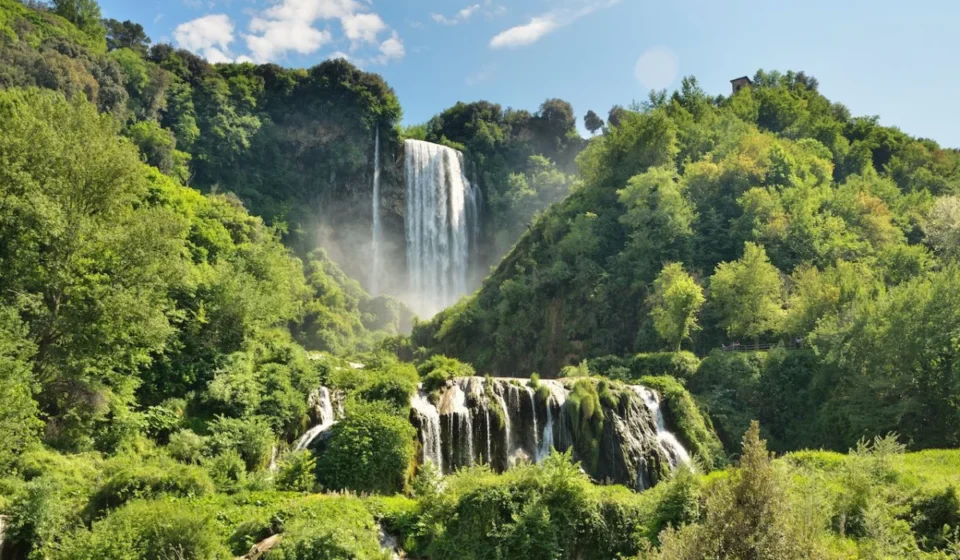
Conversely, sites like the Cascata delle Marmore (Italy) represent a fascinating blend of nature and human intervention. Commissioned by Roman consul Manius Curius Dentatus in 271 BC, these falls were an ancient engineering project designed to divert stagnant water away from the city of Rieti. Today, they serve as both a historical monument and a functional hydroelectric source, proving that man-made beauty can endure for millennia.
Supporting Data: The Power of Flow
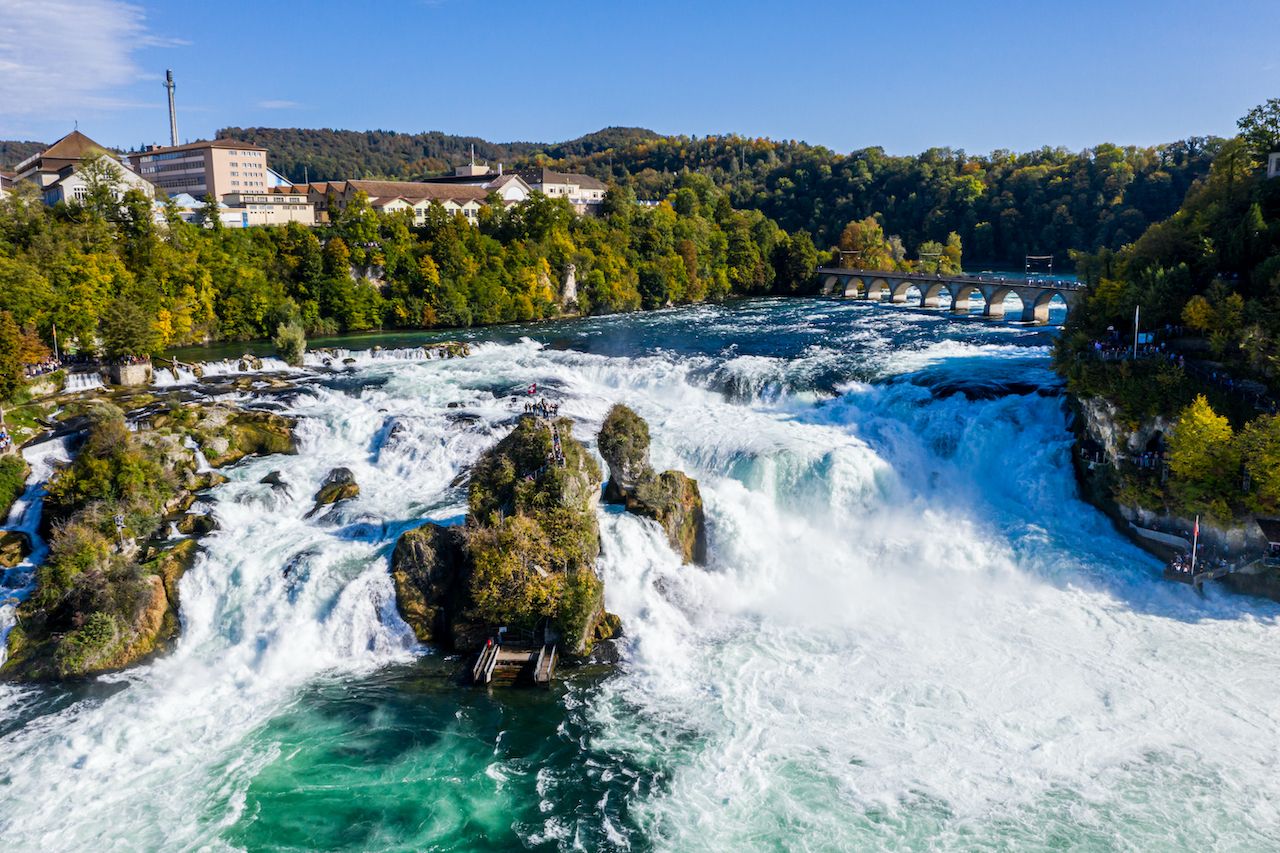
Hydrology defines the visitor experience. For instance, Rhine Falls (Switzerland), though relatively short at 75 feet, is arguably the most powerful in Europe, moving 600 cubic meters of water per second. The Swiss approach—preserving the falls for tourism rather than industrial energy diversion—has paid dividends, attracting over a million visitors annually.
In contrast, Jog Falls (India) highlights the delicate balance between energy needs and tourism. During the monsoon season, the falls are a spectacle of 830-foot drops, but for the remainder of the year, water is often diverted for hydroelectric power, leaving only a trickle. This illustrates a recurring theme: the environmental and economic tension between local resource needs and the global desire for nature tourism.
Official Responses and Conservation
As social media platforms like Instagram turn once-remote waterfalls into "must-visit" destinations, official management agencies have been forced to adapt.
- Managed Access: The Havasupai Tribe in Arizona has implemented strict permit quotas. By capping visitor numbers, they prioritize the preservation of the land and the quality of the experience over mass-market volume.
- Infrastructure Investment: In locations like Iceland, the government has invested heavily in pathways, safety railings, and parking facilities to mitigate the impact of the massive influx of tourists brought on by the "Instagram Effect."
- Sustainable Tourism: Countries like Venezuela, which houses the world’s tallest waterfall, Angel Falls (3,211 feet), face complex challenges. The site, located in the remote Canaima National Park, requires significant political and economic stability to maintain its role as a premier international destination.
Implications for the Future Traveler
The future of waterfall tourism lies in the tension between accessibility and preservation. Travelers are increasingly seeking "authentic" experiences, often venturing into rugged environments like the Amazon or the Icelandic highlands.
However, the implications of this trend are significant:
- Environmental Degradation: Increased foot traffic leads to soil erosion and the destruction of sensitive flora near the spray zones of popular falls.
- Technological Integration: The rise of drone photography is changing how we view these sites, allowing for perspectives that were once impossible. Yet, it also brings issues of noise pollution and safety regulations.
- Digital Fatigue: As "Instagrammability" becomes the primary driver for travel, there is a risk that visitors may focus on capturing the image rather than experiencing the location. The most seasoned travelers are now looking toward the "hidden" cascades, moving away from the crowded observation decks of Niagara or Multnomah in search of solitude.
Ultimately, waterfalls remain some of the most resilient and awe-inspiring features of the natural world. Whether they are the roaring, iconic landmarks of the Americas or the hidden, tranquil drops of the high Andes, they serve as a reminder of the earth’s dynamic, shifting beauty. For the modern traveler, the goal should be to engage with these wonders responsibly, ensuring that the "thundering smoke" continues to inspire generations to come.