














































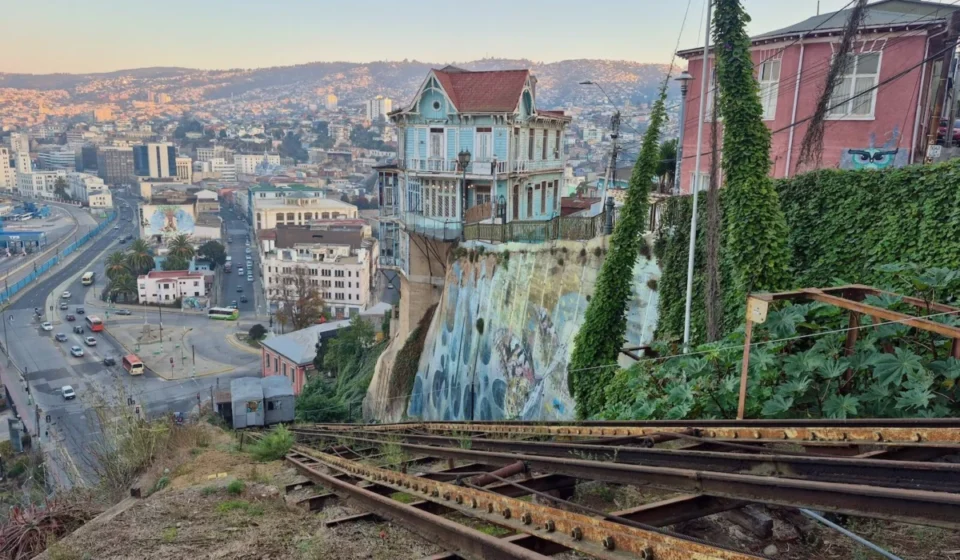

In the labyrinthine hills of Valparaíso, Chile, the geography is both the city’s greatest aesthetic asset and its most daunting logistical challenge. Here, the "ascensores"—the iconic, creaking funiculars that climb the steep inclines—are far more than vintage postcards or tourist curiosities. They are the circulatory system of a city built on 42 hills, a vital lifeline that binds the port’s flat, bustling commercial center to the high-altitude neighborhoods where generations of porteños reside.
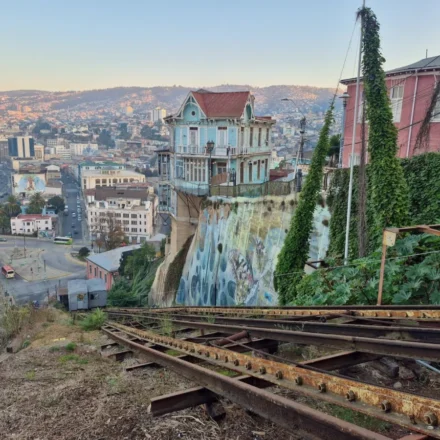
However, this lifeline is fraying. Once a network of over 30 bustling funiculars, fewer than 10 remain operational today. As the tracks of the defunct lines succumb to rust and encroaching foliage, a dedicated group of citizens has risen to fight for the survival of this industrial heritage. Led by the Association of Elevator Users in Valparaíso (Ascenval), these activists are rewriting the narrative of urban mobility, arguing that the ascensores are not relics of the past, but the only sustainable future for a city that refuses to be tamed by modern, car-centric urban planning.
Main Facts: The Anatomy of a Crisis
The ascensores of Valparaíso were born from the desperate necessity of a 19th-century boomtown. As the seaport expanded rapidly to accommodate the influx of global trade, workers needed a reliable way to traverse the precipitous slopes between the docks and their homes. By the early 1900s, these funiculars were the city’s primary artery, utilizing innovative (for the time) steam and eventually electric technology.
Today, the reality is stark. Of the 19 surviving structures, most are either in a state of suspended animation or total decay. The decline of these systems is multi-faceted: the 1914 opening of the Panama Canal significantly reduced maritime traffic through Valparaíso, leading to a period of economic stagnation. As the city modernized, the preference shifted toward roads and bus transit, leaving the funiculars to fall into disrepair.
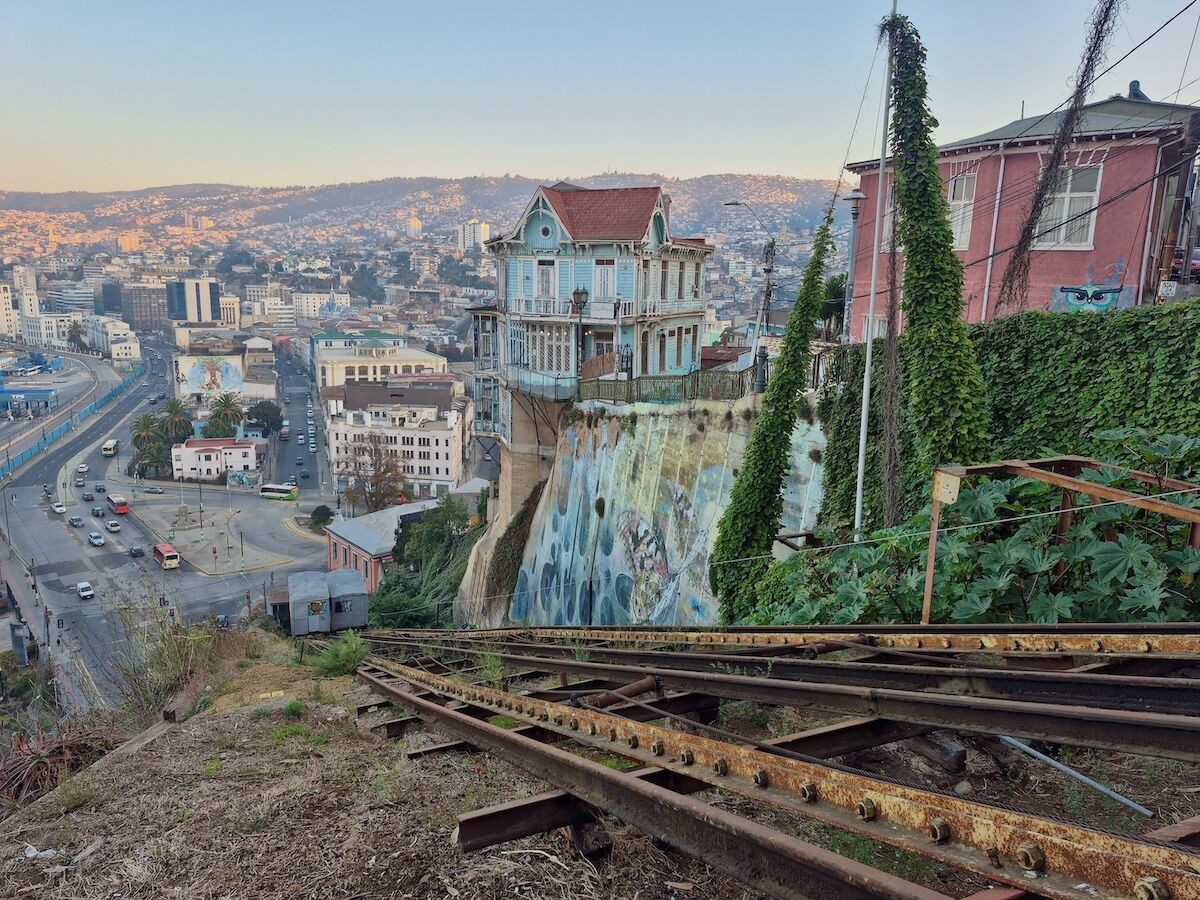
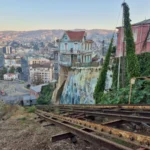
The current management landscape is equally fragmented. Ownership is split between the local municipality and regional government, leading to bureaucratic inertia. When a funicular breaks down, the path to restoration is often a labyrinth of tenders, funding gaps, and technical hurdles that can keep a lift offline for years—or, in the case of the Artillería and Villaseca lines, indefinitely.
A Chronology of a Vertical City
- Late 19th Century: The golden age of the ascensores. As Valparaíso becomes the "Jewel of the Pacific," over 30 funiculars are constructed to connect the port to the hills.
- 1914: The opening of the Panama Canal shifts global shipping routes, stripping Valparaíso of its monopoly on trade and triggering a slow economic decline.
- Mid-20th Century: The rise of the automobile and paved roads makes funiculars appear obsolete to city planners. Many are abandoned as private operators can no longer justify the maintenance costs.
- 2003: UNESCO designates the historic quarter of Valparaíso as a World Heritage Site, recognizing the ascensores as integral to the city’s cultural landscape. However, the status brings prestige rather than a guaranteed maintenance budget.
- 2021: In the midst of the global pandemic, César Andrade Valdebenito founds Ascenval. Recognizing that the isolation brought on by lockdowns made the lack of transit even more severe, the group begins organizing to hold the government accountable.
- Present Day: Ascenval continues to act as a watchdog, lobbying for the restoration of iconic lines while working to integrate the funiculars into a modern, sustainable public transit framework.
Supporting Data: The Cost of Stagnation
The impact of the funicular decline is not merely nostalgic; it is profoundly economic and social. For the residents of the hills, the cost of a non-functional ascensor is a long, physically taxing trek up steep staircases. For the elderly or those with disabilities, it represents a form of enforced house arrest.
According to Ascenval’s internal assessments, the socioeconomic implications are three-fold:
- Economic Isolation: When the lifts fail, foot traffic to hillside local businesses—the picadas (traditional eateries) and craft shops—drops significantly, hurting the local micro-economy.
- Public Health: Reduced mobility leads to increased physical strain and, significantly, contributes to the mental health crisis of residents who feel cut off from the vibrant heart of the city.
- Environmental Pressure: The reliance on buses to navigate winding, narrow roads increases congestion and carbon emissions. A functioning funicular system is, by definition, a zero-emission, high-efficiency transit solution.
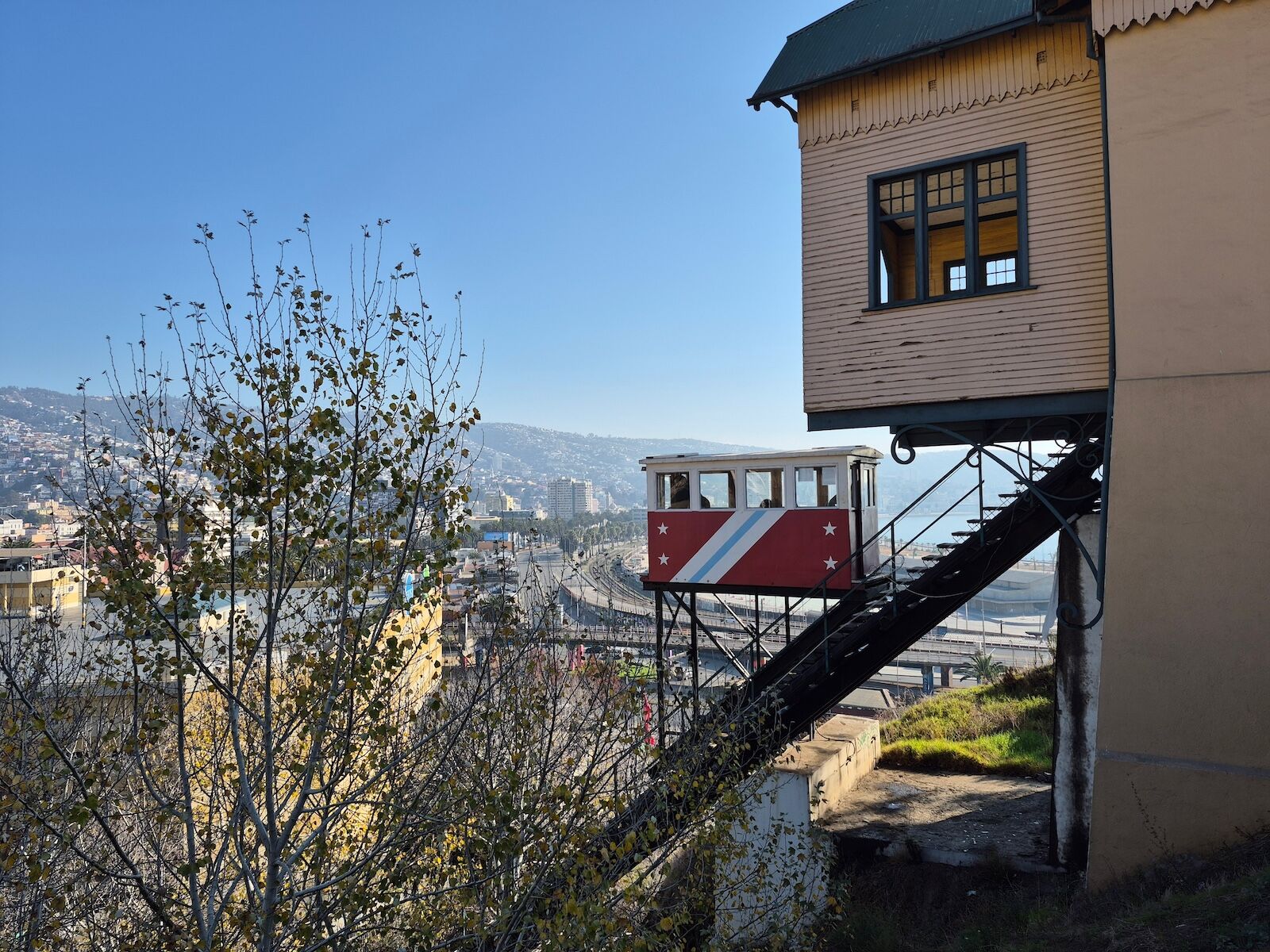
The financial model is also a point of contention. Currently, the most popular tourist-centric lines, such as El Peral and Concepción, remain operational due to consistent revenue and maintenance attention. However, the "resident-centric" lines, such as San Agustín, often struggle to secure the necessary capital for repairs because they are not perceived as "profitable" in the same way.
Official Responses and the Advocacy Gap
The struggle to keep these lifts moving highlights a systemic failure in public policy. Pilar Espinoza Figueroa, president of Ascenval, notes that the association’s primary role is to bridge the "advocacy gap."
"Our work includes organizing meetings with authorities and representing Ascenval before ministries, public services, and members of parliament," Figueroa explains. "We don’t just complain; we develop and put forward specific proposals to influence public policy. We monitor the commitments made by authorities, because, too often, a project is announced with great fanfare only to stall due to a lack of technical expertise or shifting political priorities."
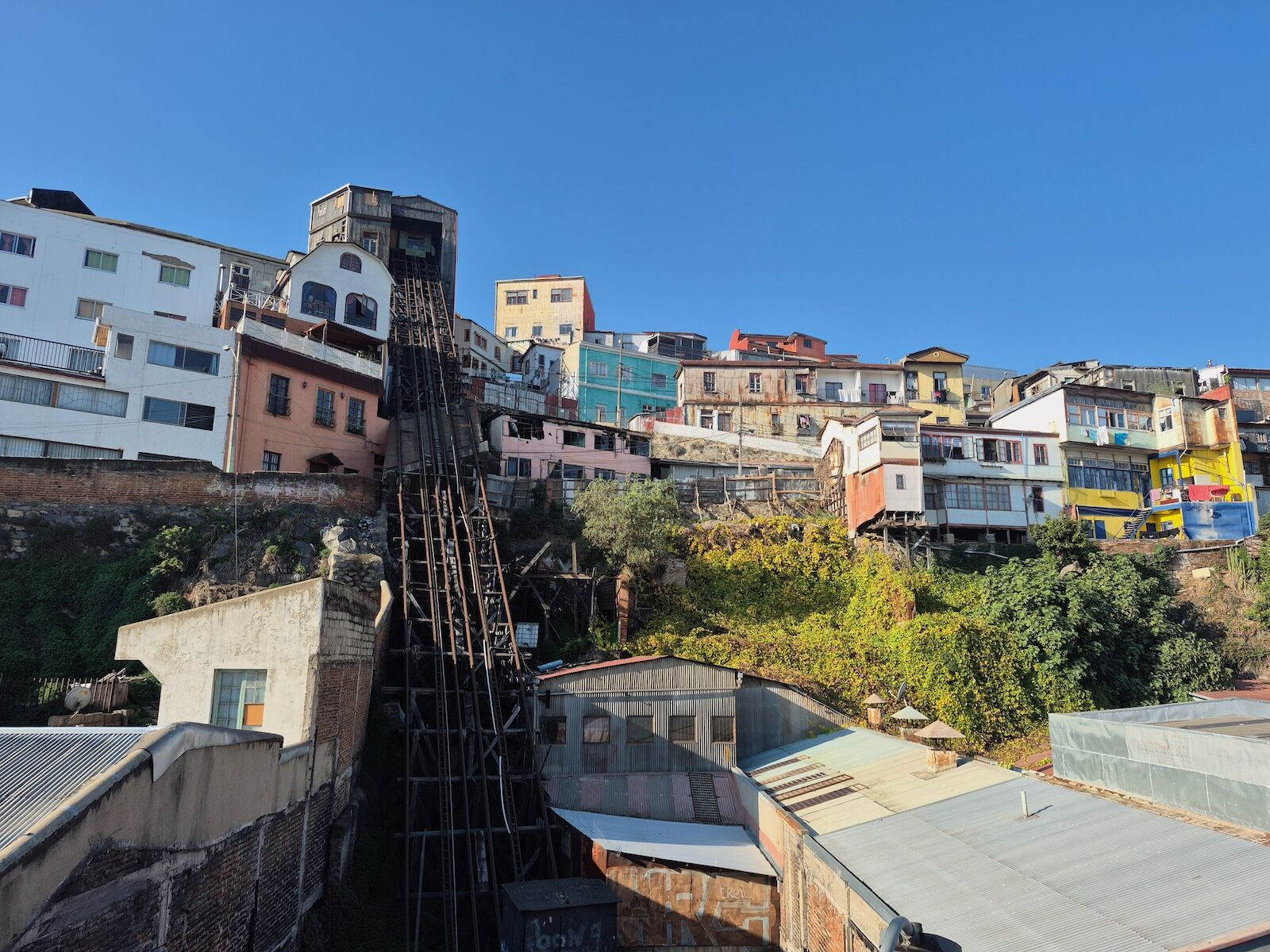
The government, for its part, often cites the complexity of heritage restoration as the primary barrier. Restoring a century-old mechanical system requires specialized engineering that standard construction companies often lack. When tenders fail, the result is the sight of rusted carriages sitting motionless at the top of a hill—a permanent reminder of what the government calls "pending projects" and the residents call "broken promises."
Implications: The Future of Urban Heritage
The fight for the ascensores is essentially a fight for the identity of Valparaíso. Andrés Rodrigo Valenzuela Ormeño, a board member of Ascenval, emphasizes that these machines are more than just transport; they are the city’s identity. "It is a mode of transport suited to the city’s geography," he says. "Without them, the city stops being a connected community and starts being a collection of fragmented, isolated hilltops."
A Sustainable Model for Tourism
While the primary mission of Ascenval is public service, they are not blind to the potential of tourism. They advocate for a model of "community-based tourism," where visitors are encouraged to use the lifts not just to see a view, but to interact with the neighborhoods.
"Tourism is beneficial for Valparaíso as long as visitors respect its residents," Ormeño adds. By creating a system that serves both the local resident going to work and the tourist exploring the architecture, the city could generate a more robust funding stream for maintenance.
The "True" Elevator: A Case Study in Preservation
Perhaps the most poignant example of the current state of affairs is the Ascensor Polanco. Unlike the other funiculars, which follow the slope of the hill, Polanco is a purely vertical elevator accessed through a long, subterranean tunnel. It is a masterpiece of engineering that has become a symbol of the city’s struggle. Currently closed, it stands as a testament to the fact that if a city loses its ability to maintain its own infrastructure, it eventually loses its ability to function as a unified society.
Conclusion: A Call to Action
The work of Ascenval serves as a powerful reminder that history is not a static object kept behind glass; it is a living, breathing component of urban life. The ascensores of Valparaíso are a fragile masterpiece of the industrial revolution, yet their survival depends on the modern, grassroots activism of the people who rely on them every day.
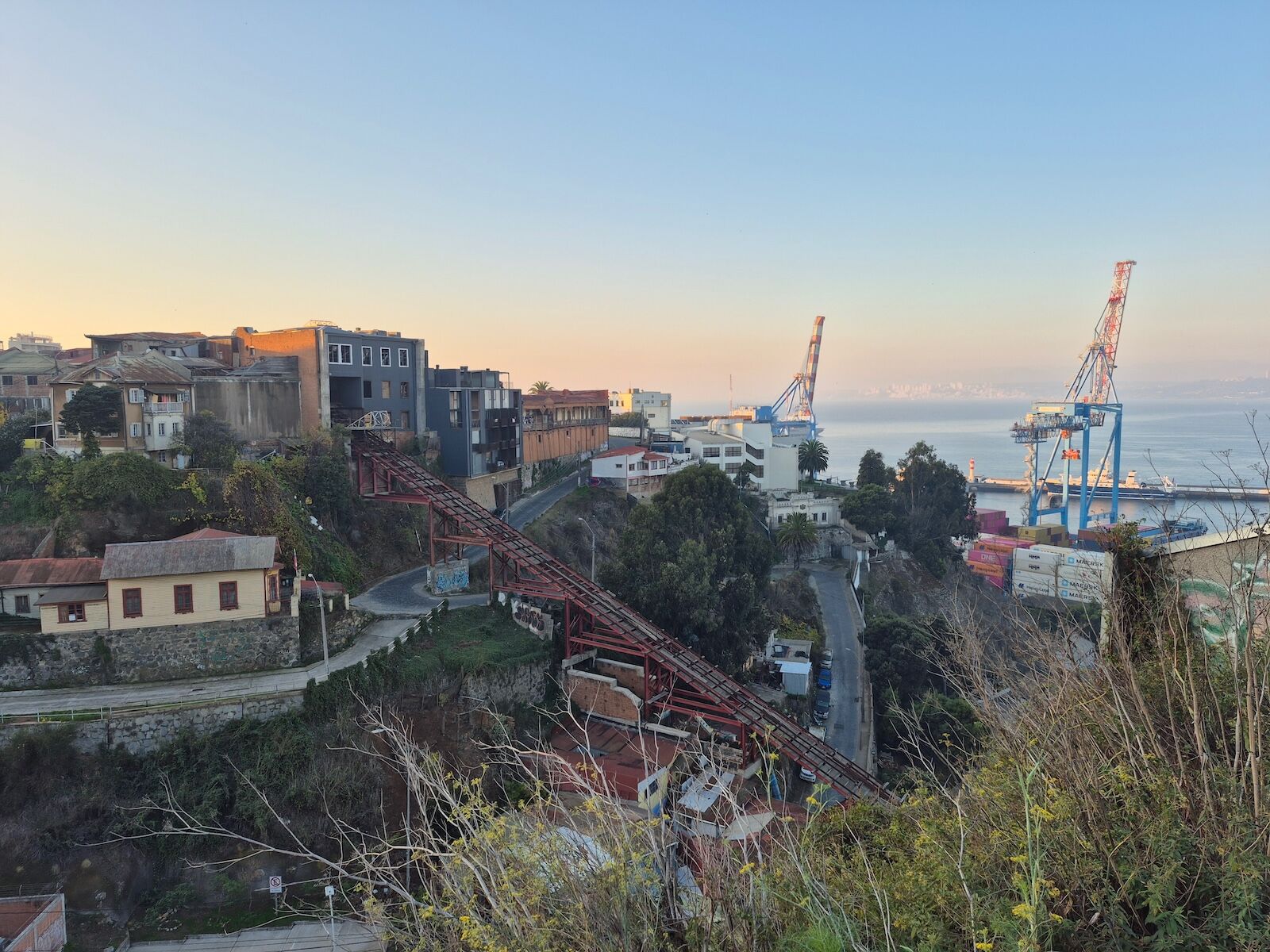
For the visitor, a ride on an ascensor for 1,000 Chilean pesos (roughly 1 USD) is a bargain for a piece of history. For the resident, that same ride is the difference between a connected life and a isolated one. As Ascenval continues to lobby, protest, and innovate, the message to the municipal and regional government is clear: the future of Valparaíso is not found in new roads or bypasses, but in the faithful restoration of the tracks that have carried the city’s soul for over a century. The vertical city depends on it.