























































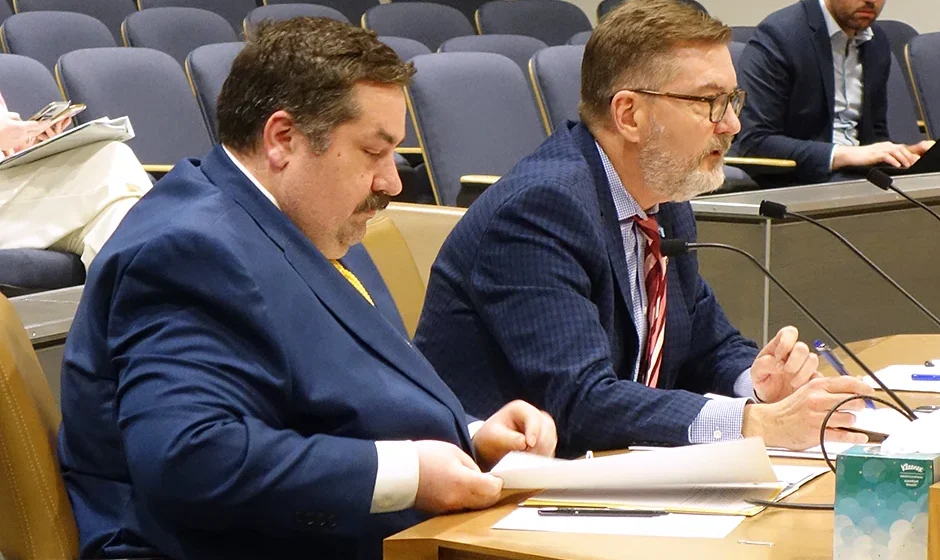
Stability at the Helm: Eric Taubel Appointed Permanent Director of Minnesota’s Office of Cannabis Management

ST. PAUL, MN — Governor Tim Walz has officially signaled a new chapter of stability for Minnesota’s nascent recreational marijuana industry by appointing Eric Taubel as the permanent executive director of the Office of Cannabis Management (OCM). Taubel, who has served as the agency’s interim director since January and previously acted as its general counsel, is now tasked with navigating the state through the final, critical hurdles of market activation.
The appointment comes at a pivotal moment. While the legislative framework for legalization was established in 2023, the rollout has been characterized by administrative shifts, local regulatory friction, and a complex tiered licensing system. By elevating Taubel, the Walz administration is betting on a "steady hand" to transform a legislative mandate into a functional, multi-million-dollar retail economy.
Main Facts: Transitioning from Interim to Permanent Leadership
The announcement, made on Wednesday, formalizes a leadership role that has been in flux for nearly a year. Eric Taubel’s tenure as interim director was marked by a shift in tone from the OCM—moving away from the defensive posture necessitated by early administrative stumbles and toward a more aggressive, schedule-oriented regulatory body.
Governor Walz, in a statement accompanying the appointment, praised Taubel’s ability to stabilize the office. "Over the past eight months, Eric Taubel has ensured that the priorities that drove cannabis legalization in Minnesota—equity, safety, and local opportunity—are reflected in our emerging market," Walz said. The Governor had previously described the rollout as "rocky," an admission of the difficulties faced in standing up a brand-new state agency responsible for everything from seed-to-sale tracking to social equity vetting.
Taubel’s background as the agency’s former general counsel is viewed as a strategic asset. As the OCM enters the "final rule-making" phase, his legal expertise is expected to be instrumental in defending the state against potential litigation from disappointed license applicants or municipalities seeking to overstep their regulatory bounds.
Key Objectives for the New Director:
- Licensing Velocity: Accelerating the transition from "pre-approval" to "final licensure" for over 100 retailers by the end of 2024.
- Market Integrity: Ensuring that the social equity components of the law—designed to benefit those disproportionately impacted by previous prohibition—are not diluted by corporate "straw man" applications.
- Local Coordination: Resolving the growing tension between state-granted licenses and local municipal zoning or registration denials.
Chronology: The Long Road to Legalization and Leadership
To understand the weight of Taubel’s appointment, one must look at the tumultuous timeline of Minnesota’s cannabis journey.
May 2023: The Bill is Signed
Governor Walz signed Chapter 63 into law, making Minnesota the 23rd state to legalize recreational cannabis for adults. The law was hailed as one of the most progressive in the nation, featuring robust social equity provisions and a unique path for tribal nations to enter the market early.
September 2023: The Initial Leadership Crisis
The administration’s first choice for director, Erin DuPree, resigned just one day after her appointment following reports regarding her previous business practices and the sale of non-compliant products. This left the OCM in a state of administrative limbo during a critical setup phase.
January 2024: Taubel Takes the Interim Reins
Following several months of internal searching and temporary oversight by the Department of Commerce, Eric Taubel was moved from his role as general counsel to interim director. His primary mission was to build the agency’s staff and begin the massive task of drafting the rules that would govern the industry.
May 2024: Legislative Refinements
The Minnesota Legislature passed a "cleanup" bill to streamline the licensing process, introducing a lottery system for social equity applicants to avoid the "first-come, first-served" chaos seen in other states.
July–August 2024: First Retail Approvals
The OCM began issuing the first rounds of final approvals for business registrations. However, this period also saw the first major "pushback" from local governments, specifically in Albert Lea, highlighting the friction that Taubel will now have to manage as permanent director.
Supporting Data: The State of the Market
As Taubel assumes permanent control, he inherits a landscape that is slowly but surely populating with legal entities.
Tribal Dominance and Early Entry
Minnesota’s 11 tribal nations were granted "first dibs" on the market, a policy intended to respect tribal sovereignty and provide an economic head start.
- White Earth Nation: Recently secured an agreement to open dispensaries off-reservation in St. Cloud and Moorhead, significantly expanding the reach of tribal-led cannabis commerce.
- Red Lake Nation & Prairie Island Indian Community: These nations have already been operating dispensaries, serving as the only legal retail outlets in the state for much of 2023 and early 2024.
The Licensing Pipeline
In a recent interview, Taubel provided a glimpse into the scale of the upcoming retail expansion. He predicted that the state would grant final license status to between 100 and 150 cannabis retailers by the end of the current calendar year. This would represent a massive influx of legal product into the market, aimed at curbing the "gray market" that has persisted since possession became legal in August 2023.
Municipal Interest
Beyond private enterprise, 13 Minnesota cities are currently in the exploratory stages of establishing publicly-owned municipal cannabis stores. This model, similar to municipal liquor stores ("munis"), would allow local governments to retain profits for community projects, though it adds another layer of complexity to the OCM’s oversight duties.
Official Responses: Shifting the Onus to the Industry
The rhetoric coming from the OCM under Taubel has shifted from administrative apology to regulatory expectation. In recent statements, Taubel has been clear that while the state provides the framework, the burden of success now lies with the entrepreneurs.
"We’ve transitioned to the point where the onus is on the applicant and a prospective business owner," Taubel stated. This "onus" refers to the rigorous documentation required for final licensure, including proof of local zoning compliance, security plans, and environmental impact assessments. Taubel’s stance suggests that the OCM will not be "hand-holding" businesses that fail to meet the state’s high regulatory bar.
Legislative reaction to the appointment has been largely positive. State Senator Scott Dibble (DFL-Minneapolis), a key architect of the legalization bill, has frequently testified alongside Taubel. Supporters in the legislature view Taubel as a pragmatist who understands that the law’s success depends on a transparent and predictable regulatory environment.
However, some industry advocates remain cautious. The "Smoking Tree" incident in Albert Lea has raised concerns about whether the OCM has enough "teeth" to protect state-licensed businesses from local obstructionism.
Implications: The Challenges Ahead
The permanent appointment of Eric Taubel does not mean the road ahead is without obstacles. Several key issues will define his first year of permanent leadership.
The "Albert Lea" Precedent and Local Control
One of the most pressing issues is the conflict between state licensing and local business registration. Last month, the Albert Lea City Council denied a business registration license to "The Smoking Tree," despite the business having received final approval from the OCM.
This creates a legal "no-man’s land." If local governments can effectively veto state-approved businesses through registration denials or restrictive zoning, the state’s goal of a uniform, equitable market could be jeopardized. Taubel will likely be forced to coordinate with the Attorney General’s office to clarify the limits of local authority.
Preventing a "Supply Gap"
With 100–150 retailers expected by year-end, the OCM must ensure that the cultivation side of the industry keeps pace. If retail licenses outstrip the supply of legal, tested, and tracked cannabis, prices will skyrocket, and consumers will return to the illicit market. Taubel’s office must balance the issuance of retail, microbusiness, and large-scale cultivation licenses to maintain market equilibrium.
Social Equity and Corporate Influence
Minnesota’s law is designed to prevent the "Big Weed" monopolies seen in states like California or Colorado. As permanent director, Taubel will be the gatekeeper of these protections. The challenge will be identifying and disqualifying "predatory" partnerships where large out-of-state firms use local social equity applicants as a "front" to gain entry into the Minnesota market.
Public Health and Safety
As the market opens, the OCM will also become a public health agency. Taubel will oversee the enforcement of strict packaging laws (to prevent appeal to children) and the implementation of a robust laboratory testing system to ensure all products are free of heavy metals, pesticides, and mold.
Conclusion
Eric Taubel’s transition from interim to permanent director marks the end of the OCM’s "startup" phase and the beginning of its "operational" phase. With the full backing of Governor Walz and a clear mandate to launch the market by 2025, Taubel is now the most influential figure in Minnesota’s cannabis landscape.
His success will be measured not just by the number of stores that open, but by the stability of the market and the agency’s ability to withstand the inevitable legal and political challenges that come with ending nearly a century of prohibition. For now, the message from the Governor’s office is clear: the period of uncertainty is over, and the "onus" is now on the industry to rise to the occasion.