






















































WASHINGTON D.C. – As Representative Angie Craig prepares to vacate her hard-won seat in Minnesota’s 2nd Congressional District to pursue a U.S. Senate bid, her refusal to endorse a successor has cast a long, complex shadow over the August 11th Democratic-Farmer-Labor (DFL) primary. The race to fill one of the nation’s most pivotal swing districts sees three prominent Democrats—former state senator Matt Little, state senator Matt Klein, and state representative Kaela Berg—vying for a nomination that could define the future direction of the DFL party in a politically volatile landscape.
Craig, a political force who successfully wrestled control of the 2nd Congressional District from Republican hands in 2018 and held it for four terms, built her success on a carefully cultivated moderate image. This centrist approach broadened her appeal, allowing her to bridge partisan divides in a district notoriously described as the state’s most "purple," encompassing the southern Twin Cities suburbs and diverse rural farm areas. Her departure leaves a vacuum that highlights the DFL’s internal struggle between its progressive base and the need for broad electability in a historically competitive region.
The Dynamics of Non-Endorsement: A Strategic Silence
Rep. Craig, now locked in her own high-stakes primary against Lieutenant Governor Peggy Flanagan for retiring Senator Tina Smith’s seat, maintains a public stance of neutrality in the 2nd District contest. “That choice belongs to 2nd District voters,” she affirmed, signaling her intention to stay out of the highly competitive nomination battle. This hands-off approach, while seemingly democratic, carries significant strategic implications for all involved.
Political analysts offer varied interpretations of Craig’s decision. Larry Jacobs, a political science professor at the University of Minnesota, notes that an incumbent’s avoidance of endorsing a potential successor is not uncommon. “I think there’s a sense of ‘letting the voters decide’,” Jacobs observed, suggesting a desire to empower the electorate rather than dictate outcomes.
However, Hamline University political science professor David Schultz points to a more intricate calculus, especially for Craig herself. Endorsing a candidate, Schultz contends, is fraught with risks. Backing the wrong candidate could alienate crucial voter blocs in her own primary against Flanagan, particularly given her recent voting record, which has drawn scrutiny from progressive activists. This includes her support for GOP-sponsored legislation, notably bills supporting police and, prior to the destabilizing "Operation Metro Surge," stronger border security.
The most prominent flashpoint in Craig’s recent record has been her vote for the Laken Riley Act. This legislation, which expands the Department of Homeland Security’s authority to detain and deport noncitizens charged with – not just arrested for or convicted of – offenses like burglary, shoplifting, or assault on a law enforcement officer, caused significant friction with the DFL’s progressive wing. Craig has since expressed regret for her vote, acknowledging the controversy it generated and its potential impact on her standing with the party’s left flank. This regret underscores the tightrope walk many moderate Democrats face in an increasingly polarized political environment.
The Contenders: A Spectrum of Strategies
The three Democratic hopefuls approach Craig’s non-endorsement with differing strategies, reflecting their political ideologies and perceived paths to victory.

Matt Little: The Progressive Frontrunner with DFL Backing
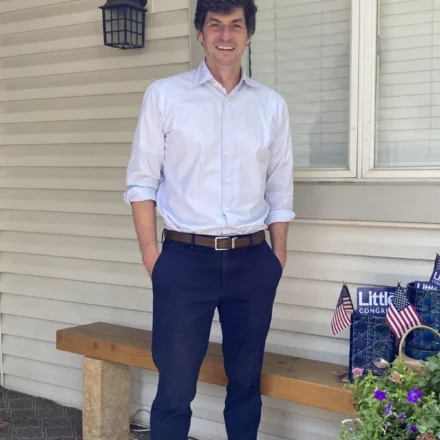
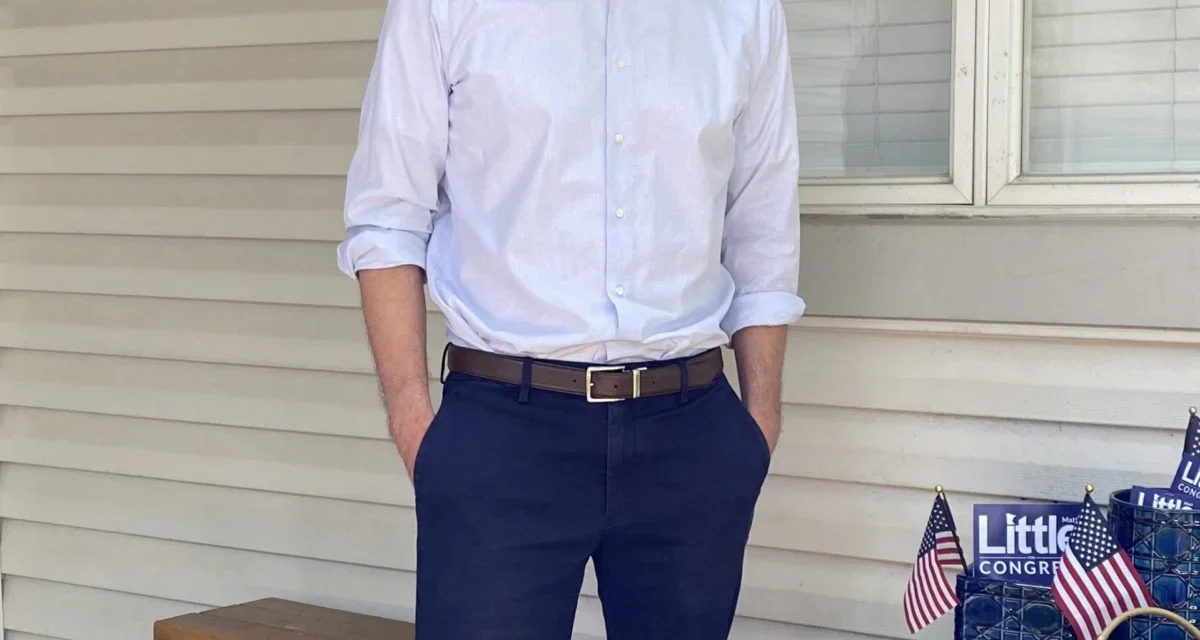
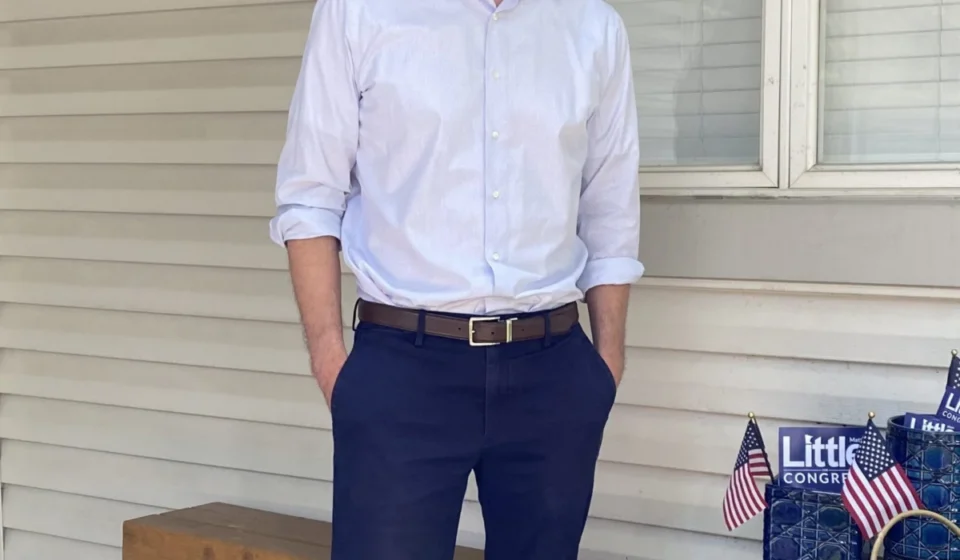
Matt Little, a former state senator and one-time mayor of Lakeville, stands as the most progressive candidate in the field and holds the coveted DFL Party endorsement. Despite this official party backing, Little has explicitly stated he is not seeking Craig’s endorsement. "It’s not something we’ve sought because she’s made it very clear she will not endorse," Little said, acknowledging Craig’s position.
Schultz suggests that Little’s reluctance is rooted in strategic positioning. "Little is trying to run as the candidate furthest to the left," Schultz explained. "And he’s concerned that because of (Craig’s) support for the Laken Riley Act, progressives may not support him if he has her endorsement." This highlights a delicate balance: while a popular incumbent’s backing typically confers an advantage, in a climate of heightened progressive activism, it can also be a liability if that incumbent’s record is viewed as insufficiently progressive. Little aims to energize the DFL’s base, which has been particularly galvanized by recent events, including the aftermath of "Operation Metro Surge" – a state-level policy initiative (details inferred as contentious) that amplified calls for change and greater accountability.
Little’s campaign emphasizes grassroots organizing and issues like economic justice, environmental protection, and accessible healthcare. His background as a local official and state legislator provides him with a strong understanding of the district’s diverse needs, from the growing suburban communities to the agricultural heartland. His DFL endorsement, secured through a rigorous convention process, signals strong internal party support, giving him a structural advantage in mobilizing volunteers and reaching dedicated party voters.
Matt Klein: The Moderate Seeking Continuity
State Senator Matt Klein, a physician at the Mayo Clinic in Rochester, positions himself as a moderate Democrat, explicitly aligning with Craig’s successful political mold. Unlike Little, Klein actively sought Craig’s endorsement, stating, "I would be honored to have it." His campaign narrative centers on his ability to "bridge a (partisan) divide," a formula he believes is essential for holding CD-2, which he calls "the last swing district in Minnesota."
Klein’s appeal lies in his electability in a general election scenario. He has successfully represented a suburban district in the state Senate, demonstrating an ability to attract unaffiliated voters and even moderate Republicans, in addition to Democrats. His message resonates with voters who prioritize pragmatism and bipartisan cooperation over ideological purity. Klein frequently reminds voters that the primary winner will need to pivot to the center to compete against the Republican candidate, state Senator Eric Pratt. "We need a Democrat who can win every cycle," Klein asserts, questioning whether a purely progressive candidate can truly succeed in all parts of the diverse 2nd District.
Klein’s campaign focuses on healthcare access, fiscal responsibility, and local economic development. His professional background as a physician lends him credibility on health policy, a key issue for many voters. His moderate stance, while potentially less energizing to the progressive base, aims to consolidate support from the district’s more centrist Democrats and independent voters, mirroring Craig’s winning coalition.
Kaela Berg: The Progressive Woman Championing Representation
State Representative Kaela Berg, who represents Burnsville in the Legislature and works as a flight attendant, also identifies as a progressive and has actively sought Craig’s endorsement. Berg highlights her close working relationship with Craig, citing collaborative efforts like securing funding for a dangerous intersection, as evidence of their shared commitment to the district.

A distinctive element of Berg’s campaign is her emphasis on gender. As the sole woman in the DFL primary, she believes her gender provides a significant boost. "I’m the only woman in the Blue Collar Brigade, and the only woman in the race," Berg stated, referencing her membership in a national group of five House candidates with ties to organized labor. "That matters right now. I love an ally and a great dude, but women’s voices are needed right now." Schultz echoes this sentiment, noting that Craig’s tenure has led many voters in the 2nd District to "view it now as a female seat," suggesting a built-in advantage for Berg.
Berg’s campaign has also garnered the backing of Emily’s List, a powerful organization that supports pro-choice female candidates. Emily’s List provides not only financial support but also strategic campaign advice and has produced advertisements promoting Berg. This institutional backing is a significant asset, helping Berg to amplify her message and reach a broader audience, particularly women voters who may feel a strong connection to her platform and identity.
Her platform champions workers’ rights, reproductive freedom, and social justice. As a flight attendant and union member, Berg brings a working-class perspective that resonates with organized labor and a segment of the progressive base. Her connection to the Blue Collar Brigade, which includes candidates like Bob Brooks (firefighter union chief in Pennsylvania), Randy Villegas (teacher’s union in California), Brian Poindexter (ironworker in Ohio), and Sam Forstag (union leader in Montana), underscores her commitment to labor issues and reflects a national trend of working-class candidates seeking office.
Campaign Finance: A Glimpse into Momentum
Fundraising is a critical barometer of campaign strength, and the 2nd District primary is no exception. While none of the candidates are matching Craig’s prodigious fundraising efforts – she raised an astounding $8.3 million in her last reelection bid in 2024, winning by nearly 14 percentage points – their current financial standings offer insights into their campaign’s health.
According to the latest Federal Election Committee filings as of June 30:
- Matt Klein leads the pack in overall fundraising, having raised over $1 million. This financial muscle allows him greater flexibility in advertising and voter outreach, crucial for a competitive primary.
- Matt Little follows with nearly $900,000, a figure that includes a significant $155,000 personal loan to his campaign. While impressive, the reliance on a personal loan suggests a need to supplement traditional fundraising.
- Kaela Berg has raised $355,000. While lower than her male counterparts, this figure is bolstered by the strategic support from Emily’s List, which often includes independent expenditures for ads and grassroots organizing not directly reflected in her campaign’s cash-on-hand.
For comparison, the Republican candidate, state Senator Eric Pratt, has raised approximately $462,000, indicating that the general election will also be a financially demanding contest. The significant fundraising gap between the DFL candidates and Craig’s past performance suggests that the eventual nominee will face an uphill battle in matching the financial firepower traditionally required to defend this seat.
Implications: A Pivotal Primary for the DFL
The August 11th primary in Minnesota’s 2nd Congressional District carries profound implications, not just for the district but for the broader DFL party and its strategic direction.

The Risk of Vote Splitting
One of the most significant concerns for progressives is the potential for vote splitting between Little and Berg. Both candidates are vying for the progressive vote, and if they divide this base, it could inadvertently pave "a path for Klein" to win the nomination, as Jacobs suggests. This scenario would favor Klein’s moderate appeal, potentially allowing him to emerge victorious with a plurality of votes against two fractured progressive candidacies. This strategic dynamic underscores the often-unintended consequences of multi-candidate primaries.
The General Election Challenge
Regardless of who wins the DFL primary, the general election against Republican State Senator Eric Pratt promises to be fiercely contested. Pratt, who lives in Prior Lake and whose senate district covers much of Scott County, represents a more conservative wing of the district and will undoubtedly capitalize on any internal DFL divisions.
Klein is keenly aware of this challenge, emphasizing the need for the DFL nominee to pivot to the center to secure victory. "Democrats now have an advantage in the district, which analysts say leans Democratic. But it’s not clear how far it leans Democratic," Klein noted. He added, "The question is, ‘Can a progressive candidate win in parts of the district that are not progressive?’" This question cuts to the heart of the DFL’s dilemma in a "purple" district: how to energize the base without alienating crucial moderate and independent voters.
Craig’s Senate Race and the DFL’s Identity
The outcome of the 2nd District primary could also reverberate in Angie Craig’s own Senate primary against Peggy Flanagan. A strong showing by a progressive in the 2nd CD could signal a broader shift in the DFL electorate, potentially pressuring Craig to further justify her moderate record. Conversely, a moderate victory could validate her approach.
More broadly, this primary is a microcosm of the DFL’s ongoing identity struggle. The "Operation Metro Surge" event, which led to significant public discourse and calls for systemic change, has amplified the voices of progressive activists. This makes the traditional moderate path, exemplified by Craig, increasingly difficult to navigate without facing internal party dissent. The 2nd District primary will offer a crucial test of whether the DFL base prioritizes ideological alignment over perceived electability in a swing district.
The "Woman’s Seat" Narrative and Future Elections
Berg’s emphasis on the "woman’s seat" narrative, bolstered by expert opinion and Emily’s List support, could have lasting implications. If she were to win, it would solidify the perception of the 2nd District as a seat where female representation is not just desired but expected. Even if she doesn’t win, the prominence of this narrative could influence future candidate recruitment and voter expectations in a district that has, for several terms, been represented by a woman. Schultz rightly points out that advocating for "keeping this seat in a woman’s hand" is a powerful message that won’t hurt Berg, regardless of the endorsement dynamics.
Ultimately, the battle for Minnesota’s 2nd Congressional District is more than just a contest for one seat; it’s a critical test of the DFL’s internal coherence, its ability to adapt to a changing political landscape, and its strategy for maintaining power in a fiercely contested region. The primary on August 11th will not only select Craig’s potential successor but also offer a significant indicator of the DFL’s direction in the years to come. The eventual winner will inherit a challenging legacy and the daunting task of uniting a diverse district in an era of deepening partisan divides.