






















































WAYNESBORO, Miss. — In the quiet, pine-fringed landscape of Wayne County, Mississippi, a chilling intersection of industry and public health is unfolding. For the 20,000 residents living amidst the region’s sprawling forests and agricultural fields, life is shadowed by a facility that processes one of the most controversial chemicals in modern agriculture: paraquat.
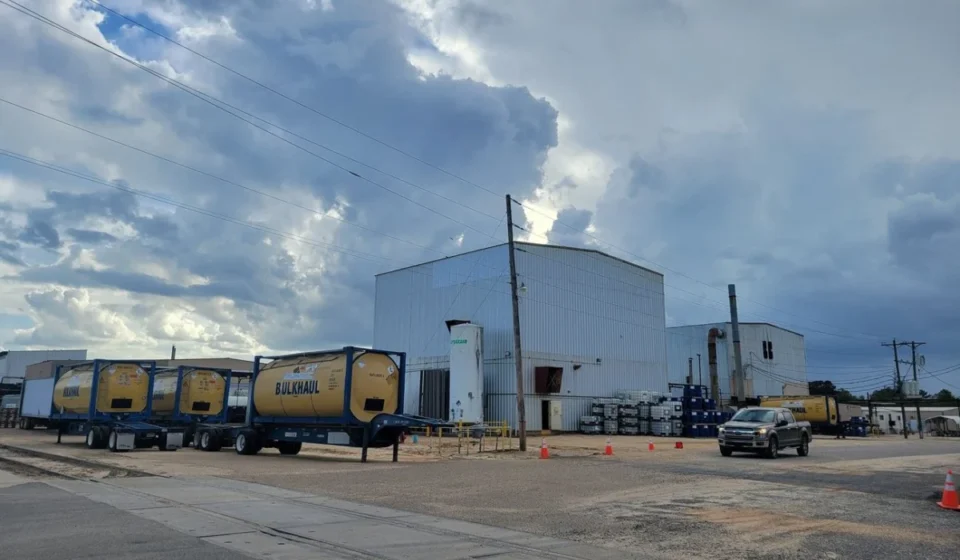
Wayne County is not just another rural enclave; it has become a focal point for a national health crisis. Between 2018 and 2024, the county reported Parkinson’s disease death rates that placed it within the top 7% of all U.S. counties. While correlations do not equate to absolute causation, the presence of the Sipcam Agro plant—the largest single emitter of paraquat in the United States—has ignited a fierce debate about environmental justice, the efficacy of federal oversight, and the true human cost of industrial farming.
The Science of the "One-Sip" Poison
Paraquat, a synthetic chemical known scientifically as paraquat dichloride and marketed historically under the brand name Gramoxone, is a potent, non-selective herbicide. Since its introduction in the 1960s, it has become a staple of commercial farming, prized for its ability to clear massive tracts of land without the need for manual labor.
However, the chemical is notoriously lethal. The Environmental Protection Agency (EPA) has long warned that "one sip can kill," and its high toxicity has led to its total ban in over 70 countries, including the entire European Union, China, and Brazil. Unlike many modern pesticides that are designed to target specific pests or weeds, paraquat acts as a broad-spectrum killer. Even when used with standard personal protective equipment (PPE), applicators remain at risk, and the scientific consensus on its neurological impact is hardening.
Research, including a rigorous 2024 study published in the International Journal of Epidemiology, has confirmed that paraquat exposure is linked to the destruction of dopamine-producing neurons in the brain—the primary pathology of Parkinson’s disease. Farmworkers who handle the chemical are 2.5 times more likely to develop the incurable neurodegenerative condition than those who do not.
A Chronology of Contamination
The history of paraquat in the United States is a narrative of escalating usage and shifting blame.
- 1960s: Paraquat is introduced to the market by a predecessor of Syngenta. Internal research from as early as the 1950s by Imperial Chemical Industries allegedly suggested potential adverse effects on brain tissue.
- 2006–2017: Usage of the herbicide triples in the U.S. as weeds develop resistance to glyphosate (Roundup).
- 2015: The Sipcam Agro facility opens in Waynesboro, Mississippi, beginning operations that would eventually lead to record-breaking air emissions.
- 2018–2024: During this period, the Waynesboro facility’s reported airborne emissions of paraquat increase dramatically, spiking to over 47,000 pounds in 2024 alone.
- March 2026: Syngenta announces it will phase out the production of paraquat, citing market competition from generic manufacturers rather than health concerns.
- Present Day: As major players like Syngenta exit the market, smaller, less-scrutinized facilities are poised to fill the vacuum, potentially increasing the burden on local communities.
Supporting Data: The Cost of Exposure
The data surrounding the Waynesboro facility is stark. According to environmental records, the plant released a combined 81,667 pounds of paraquat into the air during 2023 and 2024. These are classified as "fugitive emissions"—unintentional leaks that occur during industrial processing.
For perspective, 47,000 pounds of paraquat is enough to treat a land mass larger than the city of Atlanta. Yet, because paraquat is not classified as a "hazardous air pollutant" under federal law, there is no maximum emission threshold. This regulatory loophole leaves surrounding communities—often predominantly Black, low-income populations—with little legal recourse to challenge the facility’s operations.
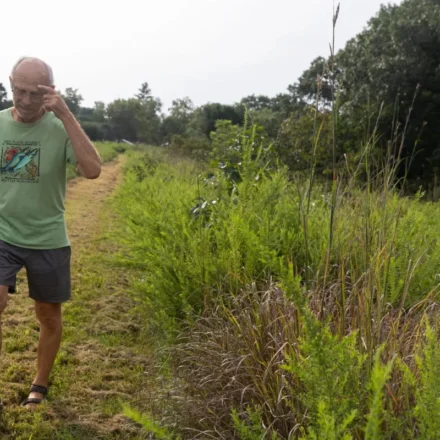
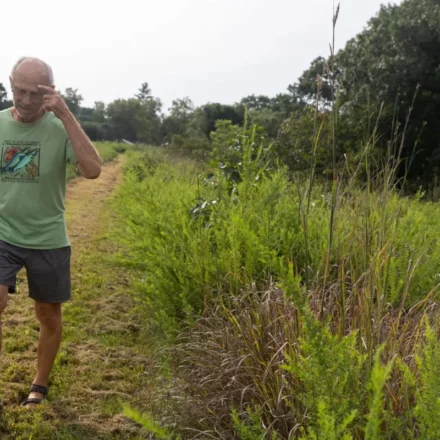
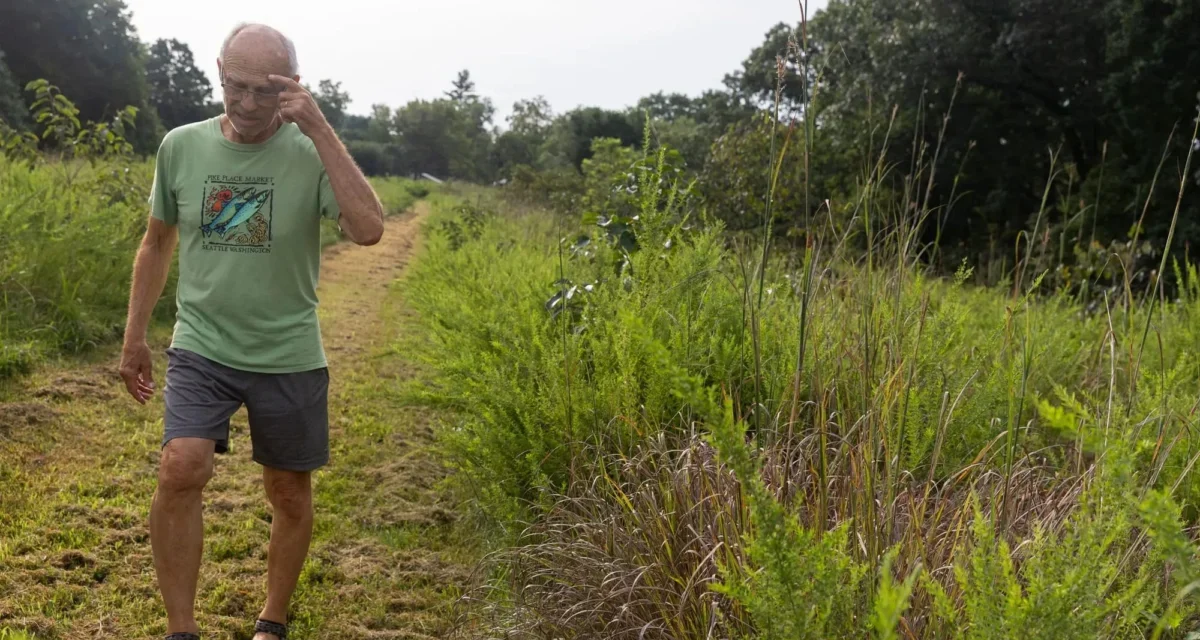
The human toll is captured in the lived experiences of residents like Ashton Pearson Sr. A retired mechanical engineer and lifelong Mississippi resident, Pearson was diagnosed with Parkinson’s in 2013 at age 58. Having grown up around agricultural spray rigs, he reflects on his childhood friends with a somber realization: "We’re all dying off."
Similarly, the death of Martin Montelongo, a former employee at the Sipcam plant who died in 2025 at age 63, has left his widow, Jannette Holifield, searching for answers. While his death was attributed to a heart attack, the presence of chronic respiratory issues consistent with chemical exposure raises questions that remain unaddressed by official investigations.

Official Responses and Regulatory Failures
The response from regulatory bodies has been, at best, inconsistent. The Mississippi Department of Environmental Quality (MDEQ) has acknowledged an "open enforcement action" regarding air violations at the Waynesboro plant but maintains that it can only regulate chemicals specifically classified as hazardous air pollutants.
When questioned about the potential health impacts, the EPA has historically maintained that the link between paraquat and Parkinson’s is "too weak" to justify a total ban. However, recent political shifts have created a strange paradox. While some current federal officials, such as those associated with the "Make America Healthy Again" (MAHA) movement, have signaled support for re-assessing the chemical’s safety, the legislative reality is more restrictive.
Provisions in the pending House Farm Bill include language that would pre-empt state-level bans, effectively stripping individual states of their ability to regulate or restrict pesticides like paraquat. This "revolving door" between industry and government—exemplified by former Syngenta managers moving into key roles at the U.S. Department of Agriculture—suggests that the systemic barriers to reform remain entrenched.
Implications: The Road Ahead
The implications of the paraquat crisis extend far beyond the borders of Mississippi. As the chemical industry shifts production to smaller, regional plants, the geographic spread of potential exposure is widening.
The Legislative Battleground
Thirteen states introduced legislation to curb paraquat use this year. In states like New York, Iowa, and Illinois, the battle is being fought in committee rooms. However, the threat of federal pre-emption looms large. If the Farm Bill passes with the current language, state efforts to protect public health will be rendered moot, leaving local communities at the mercy of federal agencies that have historically prioritized agricultural output over public safety.
Environmental Injustice
The siting of these facilities in communities of color is a classic example of environmental racism. In Iberville Parish, Louisiana—the heart of "Cancer Alley"—and in Wayne County, Mississippi, residents are effectively living in the shadow of chemical manufacturing. The shortened life expectancies in these regions often mask the slow, degenerative progression of diseases like Parkinson’s, as many residents may not reach the age where symptoms typically become severe.
The "No-Need" Argument
Perhaps the most damning evidence against the continued use of paraquat is the growing body of research suggesting it is not essential for agricultural productivity. A 2023 study concluded that ending paraquat use would save lives without causing a decline in crop yields. As Andi Fristedt of the Parkinson’s Foundation notes, "There are so many public health risks that we don’t understand… this isn’t one of those."
Conclusion
The story of Waynesboro is a microcosm of a much larger failure. It is a story of how a chemical, long known to be neurotoxic and banned by the majority of the world’s developed nations, remains in use because of corporate lobbying and regulatory inertia.
As long as the production of paraquat is permitted to expand under the guise of agricultural necessity, the "silent epidemic" of Parkinson’s disease will likely continue to thrive in the shadow of industrial plants. For the people of Wayne County, the fight to ban paraquat is not just about environmental policy; it is a fight for the future of their health, their families, and their fundamental right to live in a community free from toxic air.
With the legislative session continuing and the EPA’s review process underway, the coming months will prove decisive. Will the United States join the rest of the world in acknowledging the risks of this potent herbicide, or will the "one-sip" poison continue to be sprayed across the heartland, leaving a legacy of neurological damage in its wake? The answer, for now, remains buried in the soil and the air of Mississippi.