



















































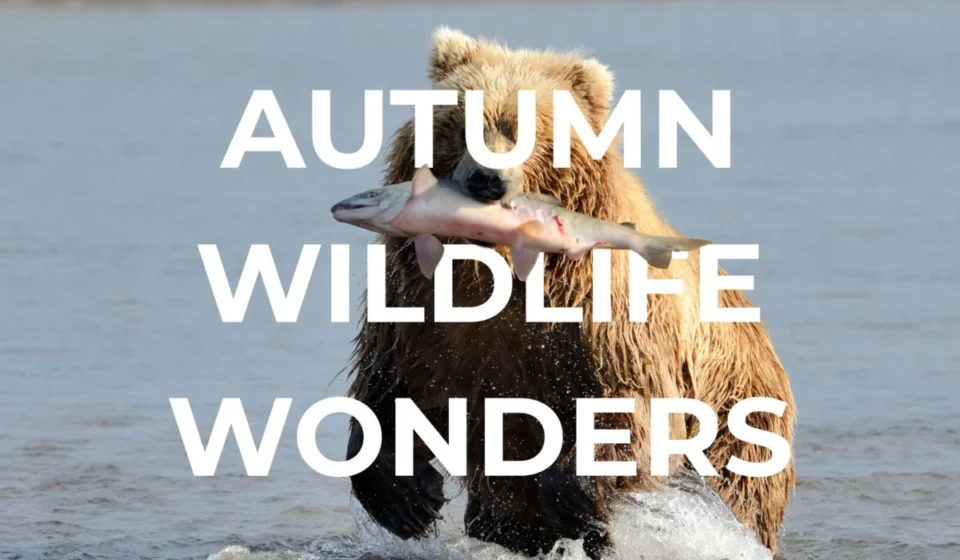

As the sweltering heat of summer wanes and the natural world prepares for the encroaching dormancy of winter, a profound transformation occurs across the globe. For wildlife, autumn is not merely a change in scenery; it is a critical, high-stakes period of survival. Driven by the biological imperative to either store energy for hibernation or fuel the strenuous journey of migration, animals become more active, more visible, and more predictable.
For the intrepid traveler, this convergence of necessity and instinct creates an unparalleled opportunity. Whether you are tracking the lumbering giants of the North American wilderness or observing the predatory prowess of the African savanna, autumn offers the highest probability of witnessing nature in its most raw, unfiltered state.
The Biological Clock: Why Autumn Matters
The phenomenon of "autumn activity" is rooted in two primary survival strategies: hyperphagia—the intense drive to consume calories before winter—and the seasonal movement of migratory species.
In North America, the turning of the leaves signals the return of the salmon. This aquatic pilgrimage acts as a massive biological magnet, pulling apex predators like grizzly and black bears from the dense forest cover toward the riverbanks. As these animals prioritize caloric intake, their wariness of human presence often takes a backseat to their drive to feed, allowing for safer, more consistent observation opportunities.
Similarly, in equatorial regions, the end of the dry season dictates movement patterns. When water sources dwindle, fauna congregates around the few remaining permanent pools. In places like Australia’s Kakadu National Park, this creates a "fish-in-a-barrel" effect for the patient observer, as diverse species are forced to share limited resources, providing a spectacular tableau of ecosystem dynamics.
A Chronological Guide to Autumn Wildlife Peaks
September: The Peak of the Salmon Run
September marks the zenith of the salmon migration in the Northern Hemisphere. From the fjords of Alaska to the temperate rainforests of British Columbia, this is the prime time for bear enthusiasts. The bears are at their most active, often competing for the best fishing spots along the river. This is also the period when coastal ecosystems are most vibrant, as avian scavengers—such as bald eagles—follow the bears to capitalize on the fish carcasses left behind.
October: The Great Transition
As the calendar turns to October, the dynamics shift. In Kenya, the legendary Great Migration begins its southern retreat. While the spectacle of the Mara River crossing is the primary draw for many, October offers a "shoulder season" experience that many wildlife photographers prefer. The herds are on the move, the landscape is shifting, and the dense crowds that define the peak of the Migration begin to thin, providing a more intimate experience with the landscape.
November: The Quiet Green Season
November is often overlooked by the casual tourist, yet it is arguably one of the most rewarding months for the naturalist. In Kenya, the "short rains" arrive, transforming the arid plains into lush, verdant grasslands. This is the "Green Season." Prices at luxury lodges plummet, and the influx of migratory birds adds a new layer of biodiversity to the already rich savanna. It is a time of renewal, offering a stark contrast to the dust and heat of the earlier months.
Regional Spotlights: Where to Experience the Best of Autumn
British Columbia: The Realm of the Spirit Bear
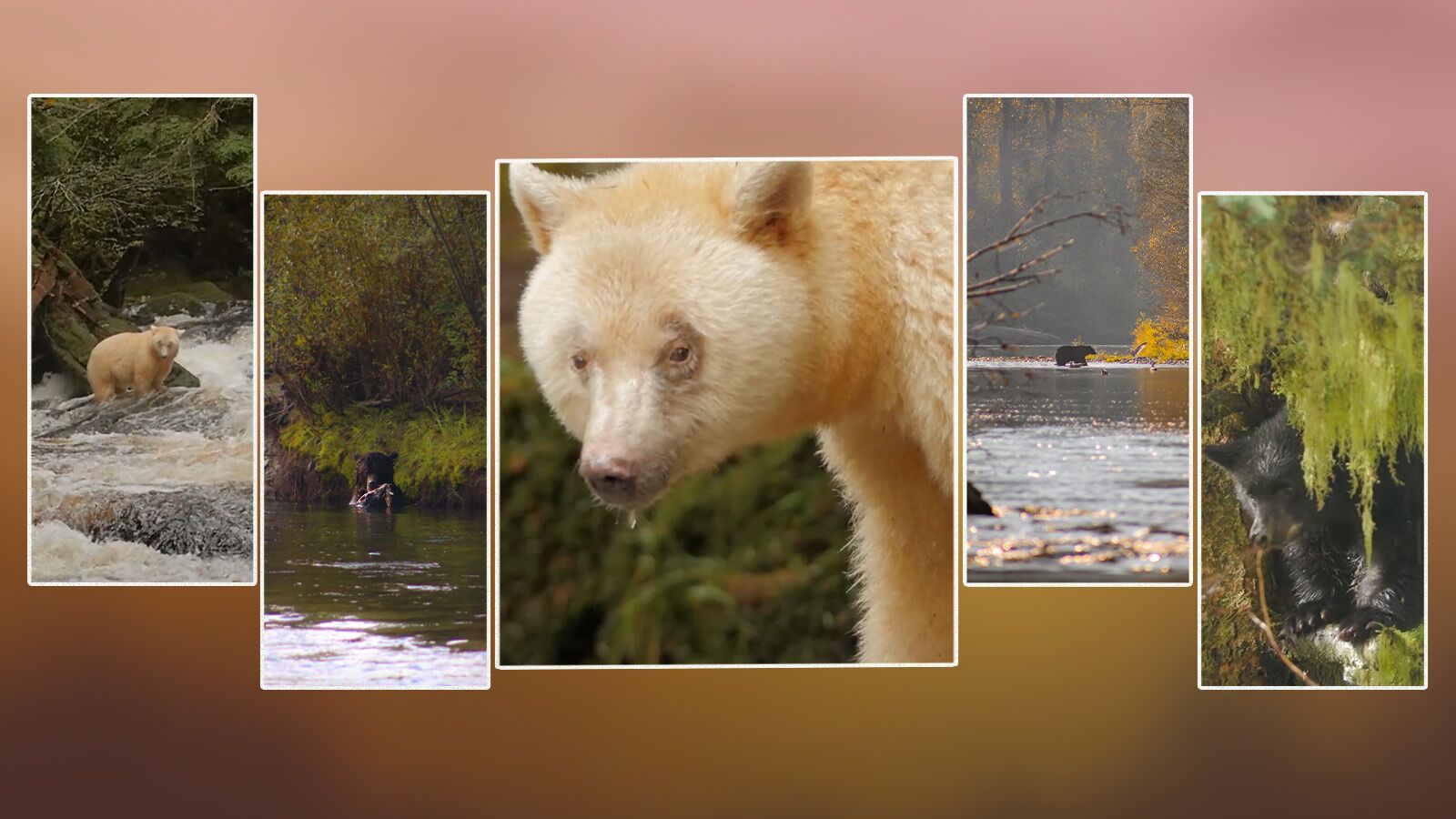
British Columbia stands as a global titan for bear viewing. Northern Vancouver Island serves as the gateway to Knight Inlet, where the grizzly population gathers to gorge on salmon. However, the true crown jewel of the region is the Great Bear Rainforest. This vast, temperate wilderness is the only place on Earth where you might catch a glimpse of the elusive "Spirit Bear"—a white-phased black bear that carries a unique recessive gene.
Beyond the bears, the coastal waters of BC are alive with migrating humpback and orca whales, making the province a dual-threat destination for land and sea wildlife enthusiasts.
Alaska: The "Big Five" and Fat Bear Week
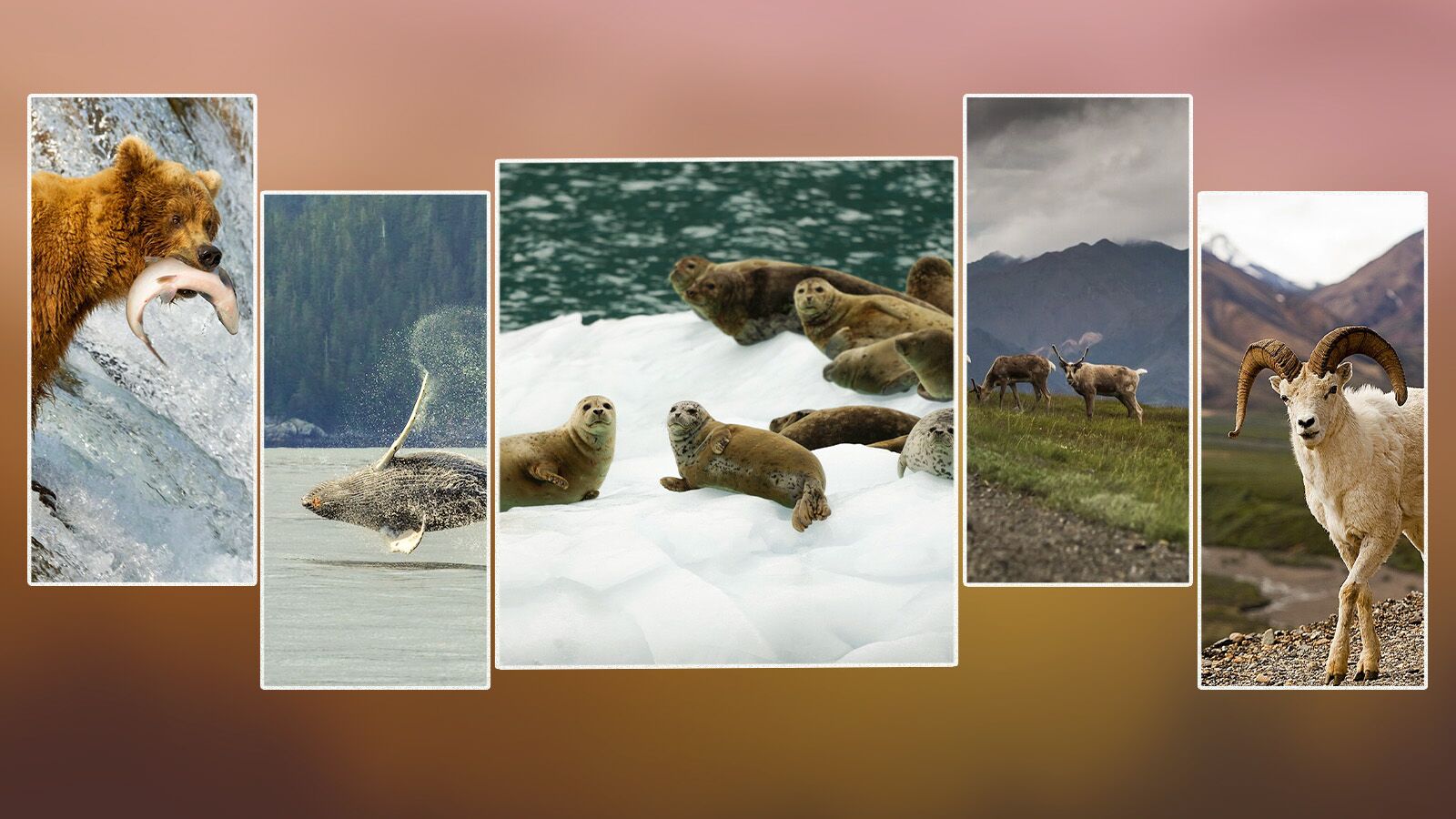
Alaska provides an intense, compressed wildlife experience. In the interior, Denali National Park is the stage for the "Big Five": moose, caribou, Dall sheep, wolves, and grizzlies. The landscape, framed by the backdrop of the Alaska Range, reaches its visual peak in early September when the tundra turns a fiery red and gold.
In the southwest, Katmai National Park has achieved cult status through "Fat Bear Week," an online tournament celebrating the girth of the brown bears that spend the season feasting on salmon. It is a lighthearted, public-facing testament to the serious biological reality of the season. Visitors should note, however, that the Alaskan window is short; by mid-to-late September, many tourism operators begin shuttering operations as the first snows threaten to close mountain passes.
Kenya: Life After the Migration
The Maasai Mara is often defined by the Great Migration, but the ecosystem’s true strength lies in its year-round residents. When the wildebeest herds depart for the Serengeti in late October, the Mara does not fall silent. Instead, it enters a phase of high-tension predatory activity. Lions, leopards, and cheetahs remain, and with fewer vehicles roaming the plains, the interaction between these predators and their prey becomes easier to track. The November rains also herald the arrival of colorful migratory birds, turning the plains into a paradise for ornithologists.
Supporting Data: Economic and Ecological Implications
The economic impact of wildlife tourism during the shoulder season is significant. By encouraging travel in September and November, tourism boards are able to mitigate the "over-tourism" spikes that often plague popular parks during July and August.
- Conservation Funding: Visitor fees during these periods provide essential revenue for anti-poaching units and habitat restoration, which are often underfunded during the "off-season."
- Crowd Dispersion: Ecological studies suggest that wildlife behavior is less disrupted when human observers are spread out over a longer season rather than concentrated in a single, high-intensity month.
- Economic Sustainability: For local communities, extending the tourism season provides consistent employment for guides, lodge staff, and park rangers, reducing reliance on seasonal, low-wage cycles.
Official Perspectives: The Value of the Guide
While the prime viewing season is statistically the best time to visit, professionals emphasize that "guaranteed" is a word that does not exist in nature. The value of a trip is often determined not by the animal, but by the expertise of the interpreter.
According to conservation guides in British Columbia, the primary error travelers make is focusing on the "check-list" approach—wanting to see a bear in a specific way at a specific time. "Nature does not run on a schedule," says a veteran guide from Telegraph Cove. "The most successful wildlife encounters happen when you hire someone who understands the micro-seasons—the subtle cues like the temperature of the river, the maturity of the berry crops, and the behavior of the prey species. A guide doesn’t just show you the animal; they show you the context of its life."
Implications for Future Travel
As climate patterns become more erratic, the traditional "seasons" for wildlife viewing are shifting. Earlier or later winters can disrupt salmon runs and migration timing, making the guidance of local experts more critical than ever.
For the modern traveler, the implication is clear: flexibility is the ultimate currency. Planning a trip around the "shoulder" of autumn—the late weeks of September or the early weeks of November—offers the best intersection of high-frequency wildlife activity, lower costs, and reduced environmental impact. By choosing to travel during these periods, enthusiasts not only increase their chances of an encounter but also contribute to a more sustainable, year-round model for global wildlife tourism.
Whether you find yourself under the towering pines of British Columbia or on the vast, rain-washed plains of the Maasai Mara, remember that you are an observer in a cycle that has persisted for millennia. Approach with patience, respect the biological demands of the creatures you seek, and above all, embrace the uncertainty. After all, the joy of the wild lies in the fact that it remains, even in our modern age, fundamentally untamable.