





















































For the seasoned traveler, the true magic of autumn lies not in the turning of the leaves, but in the turning of the tide—the moment the harvest arrives. It is a season defined by sensory abundance: the scent of fermenting grapes, the crisp chill in the air that demands a return to comfort food, and the ancient, rhythmic pulse of agricultural cycles that dictate life in some of the world’s most enchanting destinations.
As the frantic pace of summer fades, a more deliberate, flavorful energy takes hold. From the vineyards of California and Virginia to the ancient, marigold-strewn streets of Mexico and the high-altitude pastures of the Swiss Alps, autumn is when the world prepares for winter by celebrating the bounty of the earth.
The Chronology of the Harvest
While "autumn" is a broad seasonal window, the harvest itself operates on a precise, time-sensitive clock.
- August through October: Known in the wine world as "the crush," this is the primary window for viticulture. It begins with the early harvest of sparkling wine grapes and white varietals, followed by the deep, robust reds that define regions like Napa.
- September: The Swiss Alpabzug begins as temperatures drop in the high mountains, signaling the descent of cattle.
- October: Coastal regions like Portland, Maine, see the intersection of peak culinary tourism and the tail end of the lobster season, which remains robust as the waters cool.
- Early November: The focus shifts to cultural harvest and spiritual reflection, most notably with Día de los Muertos in Mexico.
The Epicenters of Autumnal Abundance
Virginia Wine Country: Beyond the Old Guard
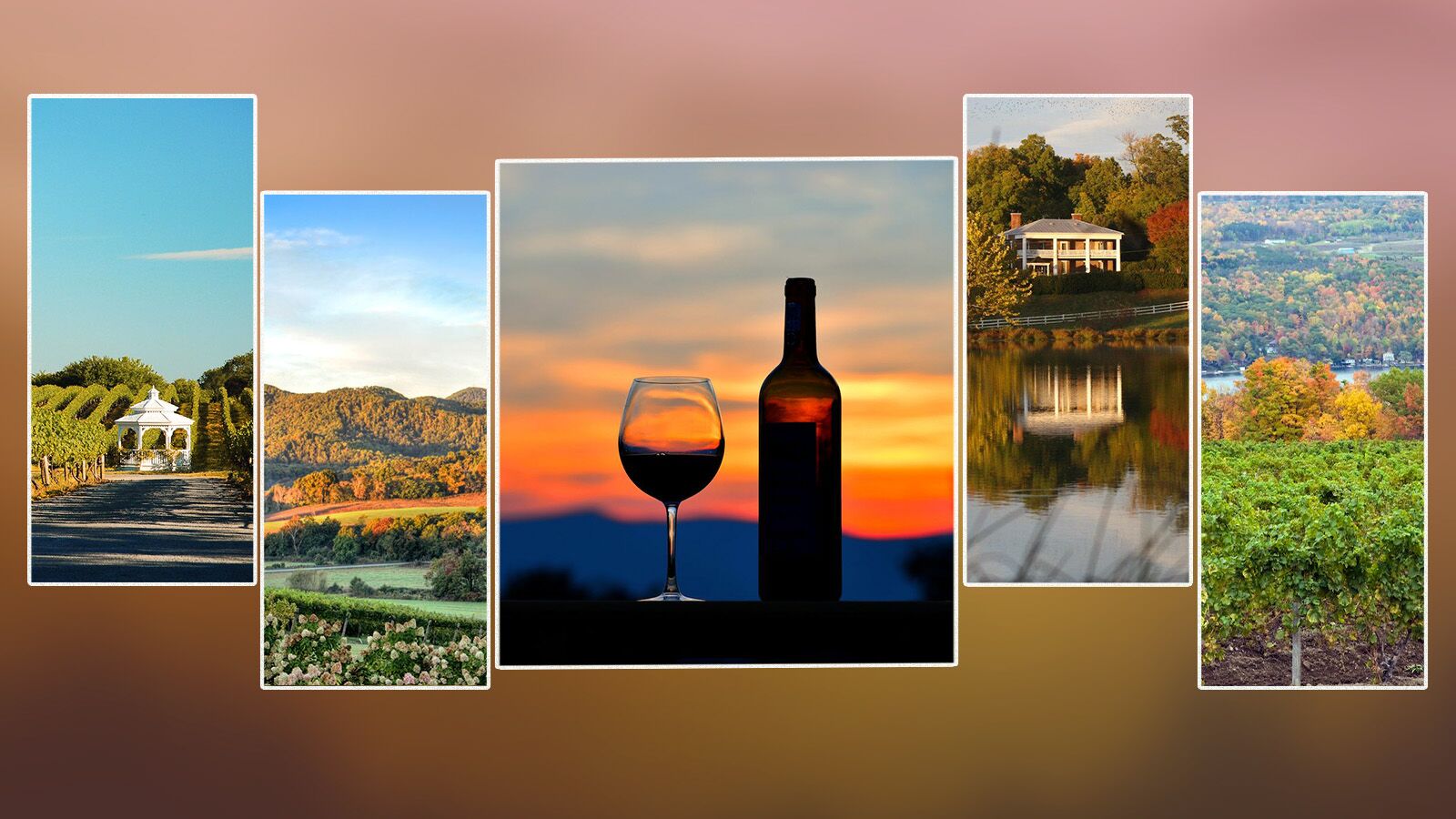
For decades, the American wine narrative was dominated by the West Coast. However, the East Coast has quietly cultivated a sophisticated viticultural identity that is now impossible to ignore. Virginia, in particular, has emerged as a premier destination for those seeking a more intimate wine experience.
While Charlottesville serves as the epicenter of the state’s American Viticultural Areas (AVAs), the scene has expanded to include diverse terroirs. From the mineral-rich soils of the Blue Ridge foothills to the unexpected, maritime-influenced vineyards of the Eastern Shore and Virginia Beach, the state offers a range of profiles. Visiting in autumn allows travelers to witness the winemakers at their most industrious. Unlike the manicured, large-scale tourism of some Western regions, Virginia’s wineries often provide a "boots-on-the-ground" experience, where guests can frequently engage with the vintners themselves during the peak of the harvest.
Portland, Maine: The Culinary Coastal Haven
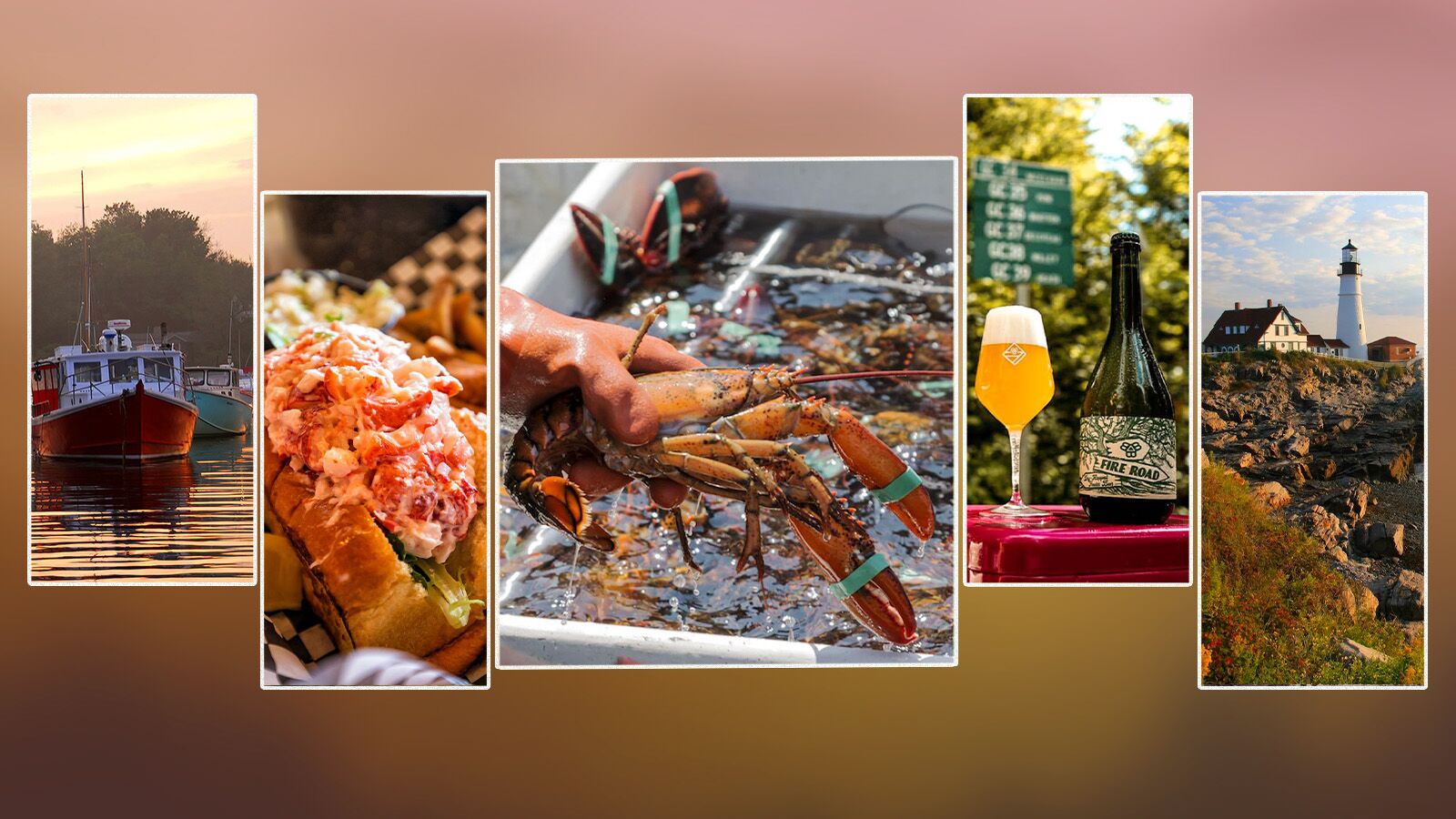
With a population of just under 70,000, Portland, Maine, punches well above its weight class. Recognized by Bon Appétit as the "Restaurant City of the Year" in 2018, the city boasts over 400 restaurants, many of which are clustered within walking distance along the historic Fore and Middle Streets.
Autumn is the definitive time to visit. The frantic energy of summer tourists subsides, providing a more relaxed atmosphere at James Beard Award-winning establishments. Lobster season remains highly active through December, and the cooling Atlantic waters produce some of the finest oysters of the year. For the traveler, this creates an ideal pairing: a crisp, locally brewed craft beer, a plate of fresh bivalves, and the quiet, rugged beauty of the Maine coastline.
The Spiritual Harvest: Oaxaca and Mexico City
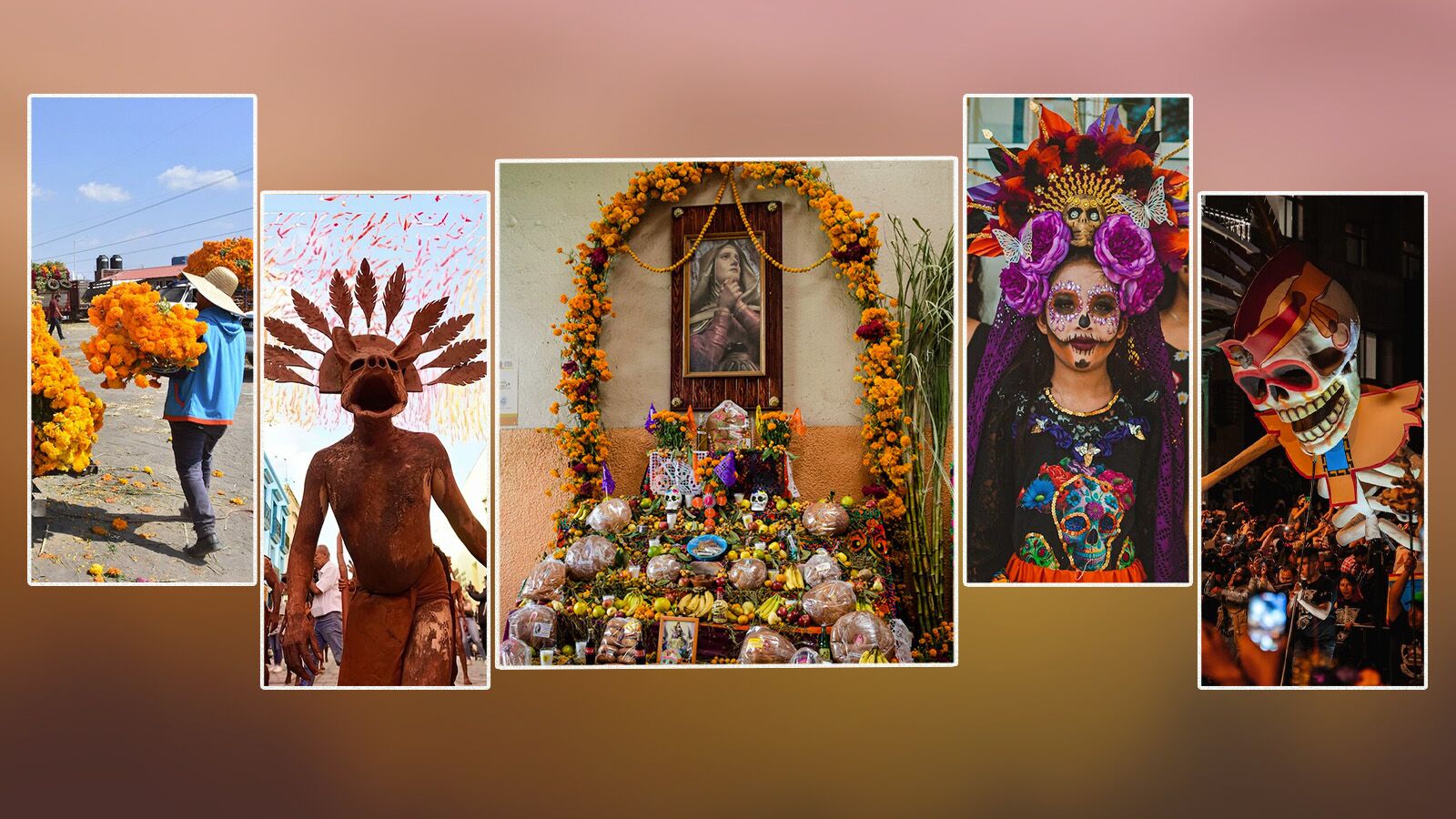
While many harvest festivals are tied to the soil, Día de los Muertos (Day of the Dead) represents a harvest of memory and spirit. Occurring on November 1 and 2, this tradition serves as the most profound reason to visit Mexico during the autumn.
The experience varies significantly by location. Mexico City offers a spectacle of modern urban tradition; its massive, week-long parades and public altar installations are a testament to the country’s evolving relationship with its heritage. In contrast, Oaxaca offers a more intimate, ceremonial immersion. Visitors will encounter calendas—lively street processions featuring traditional bands and towering mojigangas (papier-mâché puppets)—alongside the solemn, candlelit beauty of cemeteries like Xoxocotlán, where families gather to honor their ancestors amidst the scent of copal incense and thousands of marigolds.
Napa & Carneros: The Science of the Crush
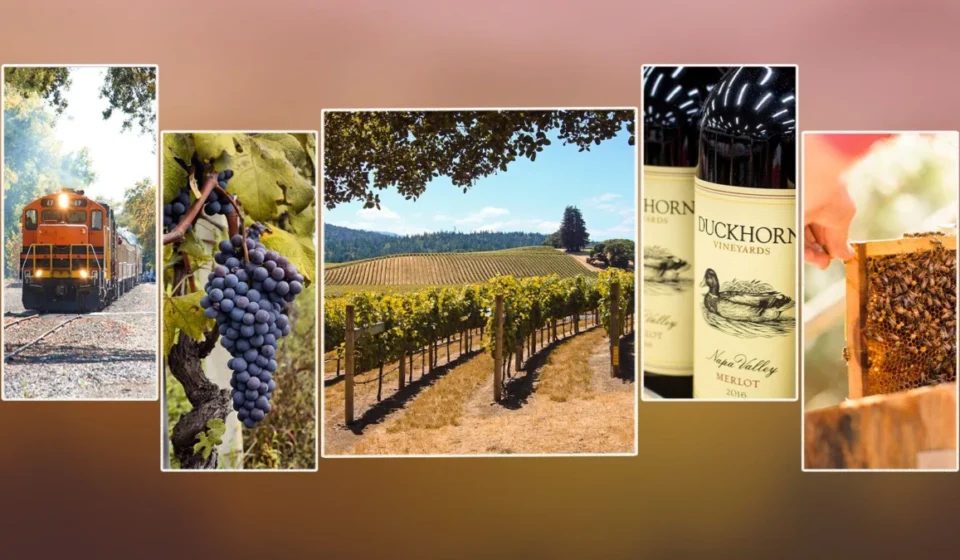
In the valleys of Northern California, the harvest is known simply as "the crush." This is the industry’s most critical period, typically spanning August through October. Cabernet Sauvignon remains the king of the region, accounting for approximately 40% of the total acreage.
With upwards of 500 public wineries, the logistical complexity of visiting Napa in the fall cannot be overstated. Industry experts recommend a mid-week strategy. By avoiding the weekend surge, travelers gain better access to exclusive winemaker dinners and barrel tastings. Furthermore, the "crush" is a dynamic process; arriving on a Wednesday offers a much higher probability of seeing the actual machinery and human effort that goes into the transformation of fruit to vintage.
The Swiss Alpabzug: Tradition in the Clouds
In Switzerland, the transition to autumn is marked by the Alpabzug (or Désalpe in French-speaking regions). This is a centuries-old tradition where farmers bring their cattle down from high-altitude summer pastures to the valley barns.
In towns like Gstaad, the festival—known as the Züglete—is a sensory marvel. Cows are adorned in elaborate flower crowns, and the streets fill with live folk music, artisanal cheese markets, and traditional food stalls. Beyond the pageantry, it is an ideal time for hiking. Most alpine infrastructure, including cable cars and mountain gondolas, remains operational until late October, providing access to breathtaking vistas. The season concludes with the return of "cheese season," where the quintessential Swiss experience of raclette and fondue takes center stage in mountain chalets.
Supporting Data and Travel Logistics
Travelers planning an autumn excursion should note that the "official" dates of these festivals are often just the tip of the iceberg.
- Sustainability of Demand: Data from tourism boards in both Napa and Virginia suggest that mid-week travel during the harvest window reduces the carbon footprint of regional transit and alleviates the strain on local infrastructure by nearly 30% compared to weekend visits.
- Economic Impact: In Portland, Maine, the hospitality sector notes that the "shoulder season" (post-Labor Day) is increasingly becoming the most profitable period for high-end dining, as visitors shift from day-trippers to overnight culinary tourists.
- Cultural Preservation: In Mexico, the government reports that Día de los Muertos tourism has seen a 15% year-over-year increase, prompting local municipalities to invest more heavily in the preservation of cemetery sites and traditional craft markets to handle the influx responsibly.
Official Perspectives: The Value of "The Shoulder"
Tourism authorities emphasize that the value of these regions lies in their commitment to their primary industries.
"The goal is not to create a tourist attraction, but to invite guests into the cycle of our work," says a representative from the Virginia Wine Board. "When a visitor sees a tractor in the field or a team sorting grapes at 4:00 AM, they gain a deeper understanding of the product in their glass. That is the true value of the harvest season."
Similarly, in Switzerland, local tourism offices note that the Alpabzug is a critical social event for mountain communities. It is a time of communal labor and celebration, and the inclusion of international guests is seen as a way to maintain the economic viability of small-scale mountain farming.
Implications for Future Travel
The shift toward "harvest-centric" travel signals a broader change in how modern travelers value their time. There is a growing preference for experiences that are tethered to natural and agricultural cycles rather than manufactured tourist seasons.
As climate patterns shift, the timing of these harvests is becoming more variable. Vintners in Napa and winemakers in Virginia are increasingly adapting to earlier, hotter summers, which occasionally push the harvest window earlier in the calendar. For the traveler, this means that flexibility is the new currency. Booking in advance is essential, but maintaining a degree of spontaneity—allowing the weather and the pace of the harvest to dictate the itinerary—will yield the most authentic experience.
Ultimately, whether you are traversing the fog-covered vineyards of Northern California or following the sound of cowbells through a Swiss mountain pass, autumn offers a unique opportunity to connect with the land. It is a season of hard work, yes, but it is also a season of profound reward—a time when the world gathers its strength, and we are invited to share in the feast.