
























































For over four decades, the Minnesota State Grant Program has served as a cornerstone of the state’s higher education strategy, acting as a vital lifeline for tens of thousands of students striving for social mobility. Yet, as the 2025 fiscal year unfolds, this pillar of academic support is showing signs of severe structural fatigue. Faced with a staggering $131 million budget deficit—the fourth consecutive year of fiscal shortfall—the program is being forced to contract, leaving thousands of students scrambling to cover tuition gaps that were previously secured by state aid.
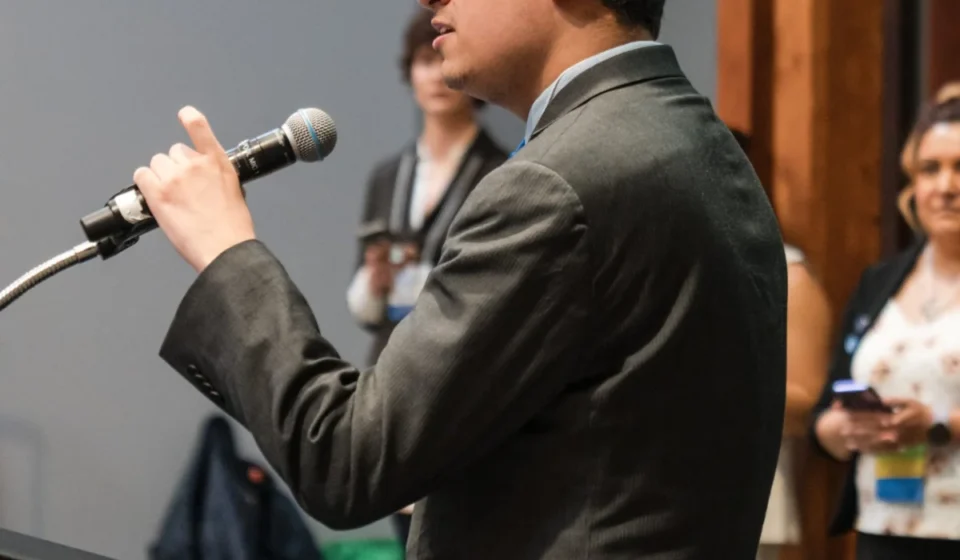
For students like 19-year-old Aaron Eischen, a graphic design major at Dakota County Technical College, these state grants are not merely supplemental; they are the difference between persistence and withdrawal. Eischen, who balances a demanding course load with a job at Sam’s Club, represents the thousands of first-generation students for whom the promise of higher education is tethered to the stability of public funding. While he received approximately $2,900 in aid last year, the shadow of systemic underfunding looms large over his peers.
The Anatomy of a Budgetary Crisis
The Minnesota State Grant Program, the largest of 12 need-based aid initiatives overseen by the Office of Higher Education, funneled $222 million to more than 75,000 students in fiscal year 2025. However, this reach is now being curtailed by a combination of surging demand, federal policy shifts, and an inability of state lawmakers to reach a bipartisan consensus on long-term funding.
State officials estimate that as many as 80% of grant recipients will see their awards diminished this fall. Perhaps most alarming is the projection that between 17,000 and 20,000 students could lose their grants entirely. Data indicates that nearly one-third of recipients are expected to face a reduction of at least $1,000—a significant sum for students already living on the margins of financial stability.
A Chronology of Declining Support
The current crisis did not appear overnight. After a decade of declining applications, the State Grant Program has seen a sudden, massive influx of interest, with nearly 27,000 more applications filed since 2023. This surge is fueled by two primary factors: increased college enrollment and federal changes that expanded the eligibility and value of the Federal Pell Grant. Because Minnesota’s state grant formula is tied directly to the federal Pell Grant, the state’s financial commitment automatically expanded—without a corresponding increase in state legislative appropriations.
The budgetary instability has become a cyclical nightmare for the state:
- 2023-2024: The Office of Higher Education narrowly avoided disaster by shifting internal funds to plug a $9 million deficit.
- 2024-2025: A subsequent shortfall resulted in the total elimination of aid for over 8,400 students.
- Spring 2025: Lawmakers authorized a $44.4 million injection to address a $239 million hole, but the move was insufficient, requiring program cuts, including a reduction in the number of eligible college credits covered by the grant.
- Present Day: A persistent $131 million deficit remains, with no clear legislative roadmap for a permanent fix.
Supporting Data: Who Gets Hurt?
The demographics of the grant recipients underscore the high stakes of this policy failure. More than half of the students receiving grants in fiscal year 2025 come from families earning less than $40,000 annually. Nearly half identify as students of color, and over 40% are enrolled in public community colleges and technical schools—institutions that serve as the primary engine for the state’s workforce development.

The "equity gap" is a central concern for educators and advocates. Minnesota previously set a goal that 70% of residents aged 25 to 44 would obtain a post-secondary degree or credential by 2025. The state has missed this benchmark, and experts argue that the current financial aid volatility will only widen the divide, particularly for marginalized communities. Furthermore, a 2024 state report highlighted that 40% of undergraduate students in Minnesota currently struggle to afford basic necessities like food, housing, and healthcare, making the reduction in tuition aid a potential catalyst for a mass exodus from the higher education system.
The Political Deadlock
While Gov. Tim Walz and members of the state legislature have acknowledged the severity of the crisis, political friction has prevented a resolution. The debate has largely stalled over the structure of financial aid and competing budget priorities.
Governor Walz proposed a recalibration of how student financial need is calculated—a move that would have saved $38 million but would have simultaneously reduced the amount of money going to the lowest-income students. Critics, including Rep. Jessica Hanson (DFL-Burnsville), described this as "pulling the rug out from under poor students."
Meanwhile, Republican lawmakers have advocated for austerity measures, including the exclusion of undocumented students from grant programs and the potential diversion of funds from the "North Star Promise" program—a newer initiative that covers remaining tuition and fees for low-income students. Republicans argue that by creating multiple, overlapping aid programs, the state has diluted the effectiveness of the original, reliable State Grant Program.
"We’ve diverted it elsewhere," said Sen. Zach Duckworth (R-Lakeville), "at the expense of drying up that bucket that most people have relied upon over the decades."
Conversely, Democrats like Rep. Nathan Coulter (DFL-Bloomington) argue that the issue is not the creation of new programs like North Star, but rather the failure to properly fund the system as a whole. Coulter proposed, unsuccessfully, to eliminate grant eligibility for private, for-profit institutions, which received $6.5 million in state aid during the last fiscal year, to keep more funds within the public system.
Implications for the Future of Minnesota Higher Education
The long-term implications of "hobbling along," as Sen. Duckworth described the current state of the program, are profound. Scott Olson, chancellor of the Minnesota State system, warns that the shortfall has a ripple effect on tuition rates. As state aid falters, universities and colleges are forced to increase tuition to cover operating costs, which in turn places even more pressure on the already strained financial aid system.

For nonprofit organizations like College Possible Minnesota, the situation is increasingly desperate. BG Tucker, the executive director, noted that her organization is preparing to dip into emergency funds to ensure students do not drop out due to the sudden loss of a few hundred dollars.
"How can you say we’re going to open the door, but you might not be able to afford it?" Tucker asked. "That feels like a disingenuous offer."
The state education agency is currently studying a redesign of the financial aid model to create a more sustainable path forward. However, any structural change will require legislative approval—a hurdle that has proven insurmountable in recent sessions.
As for Aaron Eischen, his recent discovery that his own aid will only decrease by $215 this semester provided a small measure of relief, but he remains focused on the bigger picture. He continues to meet with lawmakers, advocating for a system that recognizes the value of human capital.
"Even when I’m done with college," Eischen said, "there’s still going to be people who are in college who are trying to afford it. We have to address the failure of systems."
As the state enters another academic year, the message from advocates is clear: without a fundamental, bipartisan commitment to funding higher education, the "ladder out of poverty" that the State Grant Program was designed to provide is becoming increasingly broken, leaving thousands of Minnesota’s most ambitious students to fend for themselves in an increasingly unaffordable landscape.