



















































The Minnesota Twins find themselves in the midst of a summer that feels more like an existential crisis than a pennant race. As the calendar turned from June to July, the American League landscape resembled a collective race to the bottom, with only six of the 15 teams managing to maintain a .500 record. In this landscape of mediocrity, the Twins are clinging to the periphery of a wild-card berth, yet they remain a team defined by defensive blunders, injury-riddled rotations, and a front office that seems caught between a desire to compete and a history of fiscal retrenchment.
The State of the Union: A Flawed Roster
The current state of the Twins serves as a case study in the risks of prioritizing payroll flexibility over on-field stability. With the team sitting within 4.5 games of the final wild-card spot, the standings suggest they are "in it." However, the eye test—and the advanced metrics—paint a far grimmer picture.
The team has been forced to play a high-stakes game of "musical chairs" with their infield. On Opening Day in Baltimore, the projected starters were Royce Lewis at third, Brooks Lee at short, Luke Keaschall at second, and Victor Caratini at first. Months later, that unit has been decimated by both poor performance and positional experimentation. Lewis, Lee, and Keaschall have all been moved to positions they were not originally slated to man, a byproduct of organizational desperation.
This defensive instability is not just a visual frustration for fans; it is a statistical disaster. Entering July, the Twins ranked dead last in Major League Baseball in Defensive Runs Saved (DRS), posting negative figures at every position on the diamond except for center field. Their conversion rate for turning ground balls into outs stood at a dismal 69.9%, trailing the MLB average of 73.4% by a significant margin. The shortstop position, a premium defensive spot, has been a black hole for the team, with a cumulative -15 DRS—the worst in the league by a wide margin.
Chronology: From Playoff Hopes to Defensive Despair
To understand how the Twins reached this point, one must look at the recent trajectory of the franchise.
- The 2023 Offseason: Following a playoff run that offered a flicker of hope, the organization pivoted toward a cost-cutting strategy. The departure of key veteran leadership and a lack of significant free-agent investment signaled a shift in priority that alienated the fanbase.
- The 2024–2025 Transition: The arrival of a new manager, a revamped baseball operations department, and Tom Pohlad assuming the mantle of chairman and CEO were intended to usher in a new era. Yet, the moves failed to spark the anticipated resurgence or drive a meaningful increase in ticket sales.
- Late June 2026: A series against the Los Angeles Dodgers provided a temporary surge in attendance, drawing over 105,000 fans. The highlight was a sellout night featuring Shohei Ohtani. However, despite this brief spike, total attendance for the season remains approximately 30,000 behind the 2025 pace, highlighting the growing disconnect between the club and the community.
- July 2026: The current reality. The team is hovering around the wild-card threshold, forced to rely on utility players and prospects who are being thrust into roles for which they lack experience.
Supporting Data: The Metrics of Mismanagement
The struggles on the field are deeply rooted in the data provided by organizations like Sports Info Solutions. The "plus/minus" system, which benchmarks defensive performance against a league average of zero, has been particularly unkind to the Twins.
At the shortstop position, Tristan Gray and Brooks Lee each recorded a -7, placing them in a tie for last among 112 qualified players. Similarly, at second base, Luke Keaschall sat at -6, tied for 134th out of 136 players. While a series against the equally defensively challenged New York Yankees provided a brief statistical reprieve, the overarching trend is clear: the Twins are frequently unable to make the "routine" plays that separate contenders from also-rans.
Injuries have undoubtedly exacerbated the situation. The loss of Pablo Lopez to season-ending Tommy John surgery, coupled with Bailey Ober’s elbow inflammation and Ryan Jeffers’ fractured hand, would strain any roster. However, the decision to fill these voids with inexperienced utility players—save for the versatile Kody Clemens—has proven to be a strategic failure.
The Philosophical Divide: "New-Age" Thinking vs. Baseball Reality
Manager Derek Shelton has frequently defended the team’s defensive shuffling by pointing to the changing nature of the game. "Very few players in the game today, unless you’re a superstar, play only one position," Shelton noted in June. He further leaned on the baseball adage that "if you can play in the middle of the diamond, you can play anywhere."
While technically sound in a vacuum, this philosophy ignores the reality of developmental timelines. Historically, players were granted an entire off-season and spring training to master a position change. In the modern, "just-in-time" delivery model of the current front office, players like Keaschall and Lee are being asked to learn new positions while simultaneously competing for a playoff spot. This has resulted in a chaotic learning curve that has directly contributed to the team’s high rate of defensive error and lack of cohesion.
Official Responses and Organizational Outlook
Chairman and CEO Tom Pohlad has been vocal, if repetitive, in his assertion that the club must win. Yet, the "Sell the Team" chants that occasionally echo through Target Field suggest that the fans are not yet convinced that the change in leadership represents a change in philosophy.
The upcoming August 3 trade deadline presents a binary choice for the organization: pivot to a full-scale rebuild or double down on the current roster to chase a low-ceiling wild-card spot. While the prospect of calling up Triple-A standout Kaelen Culpepper offers a glimmer of hope, the pitching staff remains a glaring vacancy that cannot be filled by internal promotions alone.
Implications: The Case for Retention
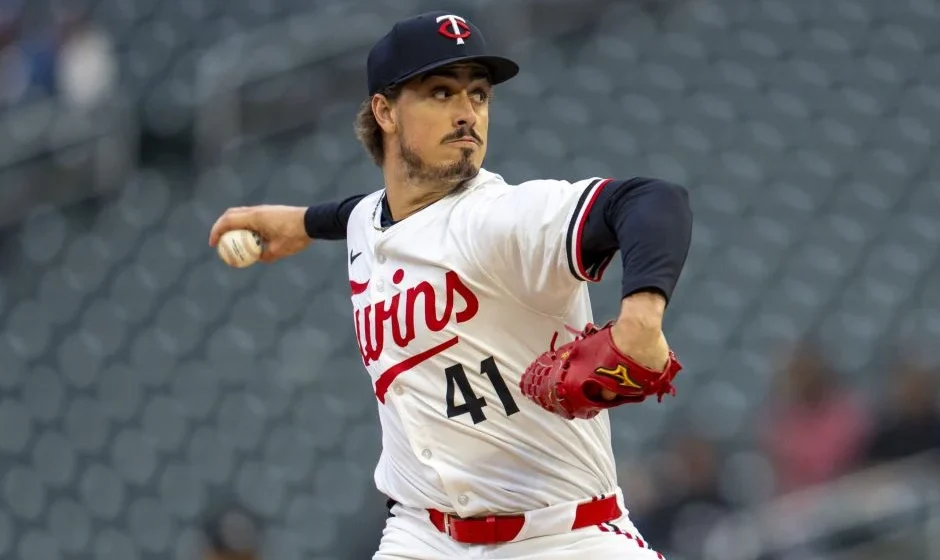
As the deadline approaches, the organization is fielding interest in two of its most valuable assets: 29-year-old catcher Ryan Jeffers and 30-year-old starter Joe Ryan. Both are vital to the team’s identity, yet both are nearing contract milestones that often trigger a sell-off in the current market.
The temptation to trade these assets for prospects is high, but it would be a profound strategic error. The Twins’ history of cycling through veterans like "batting gloves" has created a culture where fans feel no emotional investment in the players. Joe Ryan, a vocal critic of the team’s decision to let Sonny Gray walk, represents the rare, intelligent veteran voice the team desperately needs. Jeffers, a product of the internal farm system, provides the continuity and leadership that young players like Culpepper and Walker Jenkins will require as they graduate to the majors.
If the organization truly intends to win back its fanbase, it must stop treating its core players as liabilities to be offloaded. Extending the contracts of Jeffers and Ryan would signal a departure from the "same act under a different name" critique that currently haunts the front office.
Conclusion: A Test of Ambition
The 2026 season for the Minnesota Twins is not merely about the standings; it is a test of whether the organization can break its cycle of austerity and mediocrity. Whether the team is currently three games back of Cleveland or a game-and-a-half out of a wild-card spot is secondary to the long-term health of the franchise.
For the Twins, the path forward is clear: move beyond the reliance on utility-player stopgaps, invest in the talent already in the building, and demonstrate to a skeptical fanbase that winning is, in fact, the primary objective. Anything less will only deepen the rift between the Pohlads and the people who fill the seats at Target Field. The time for experimentation is over; the time for building a sustainable, competitive culture has arrived. The question remains whether the current front office has the stomach to make the investments necessary to see that transformation through.