
























































The Pixel 11 Paradox: Why Google’s "Boring" New Flagship Is Actually a Masterclass in Utility

After a week of intensive, real-world testing with Google’s newly launched Pixel 11, Pixel 11 Pro, and the ambitious Pixel 11 Pro Fold, I have arrived at a conclusion that feels like a cognitive dissonance: these devices are simultaneously among the most impressive pieces of consumer hardware ever produced and arguably the most unexciting upgrades in the company’s history.
For the productivity-minded professional, this "paradox" is not a negative. In a market obsessed with gimmicky "AI-first" marketing and radical hardware shifts that often break more workflows than they fix, Google’s latest release represents a maturation of the smartphone as a reliable, predictable, and exceptionally powerful tool.
The Main Facts: Refinement Over Revolution
The Google Pixel 11 series—comprising the standard Pixel 11, the feature-rich Pixel 11 Pro, and the refined Pixel 11 Pro Fold—arrived with little fanfare, following a somewhat disjointed launch schedule last Wednesday. While the marketing materials emphasize "Gemini Intelligence" and new silicon, the actual user experience is defined by iterative excellence.

The headline features include:
- Next-Gen Silicon: More efficient processing power that favors thermal management and battery longevity over raw, unnecessary benchmarks.
- Hardware Refinement: A thinner, more ergonomic camera bar and improved scratch-resistant display glass.
- The Fold Evolution: The Pixel 11 Pro Fold has undergone a subtle but vital design adjustment, further cementing its form factor as the "regular phone" that transforms into a tablet, avoiding the awkward aspect ratios favored by some competitors.
- Software Dominance: Unmatched update guarantees that continue to set the industry standard for privacy and security.
A Chronology of the Pixel 11 Launch
The lead-up to the Pixel 11 was characterized by a distinct lack of "leaks" that felt intentional, followed by a somewhat awkward rollout.
- The Announcement: Google opted for a dual-pronged approach, featuring an early, extensive blog-based deep dive into the technical specifications, followed by an elaborate evening presentation several hours later.
- Hands-On Arrival: Review units arrived on my desk the same Wednesday as the event. Having spent the last year with the Pixel 10 Pro—and having owned almost every flagship-caliber Pixel since the series’ inception—my baseline for comparison was established long before the unboxing.
- The Testing Period: My week was defined by replacing my daily driver (the Pixel 10 Pro) with the full suite of 11-series devices. This wasn’t just a casual test; it involved standard professional workflows, including heavy email management, dictation, video conferencing, and multi-app multitasking.
Supporting Data: The Specs and the Subtle Shifts
To understand why the Pixel 11 feels like a "boring" update, one must look at the data.
Hardware Nuance
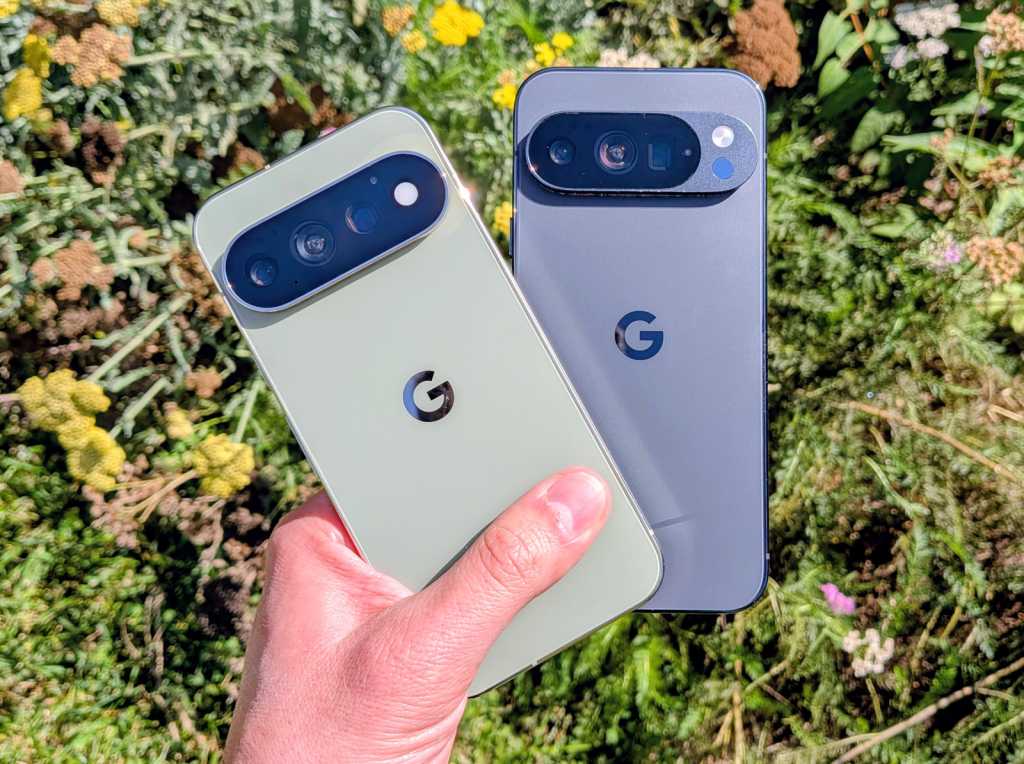
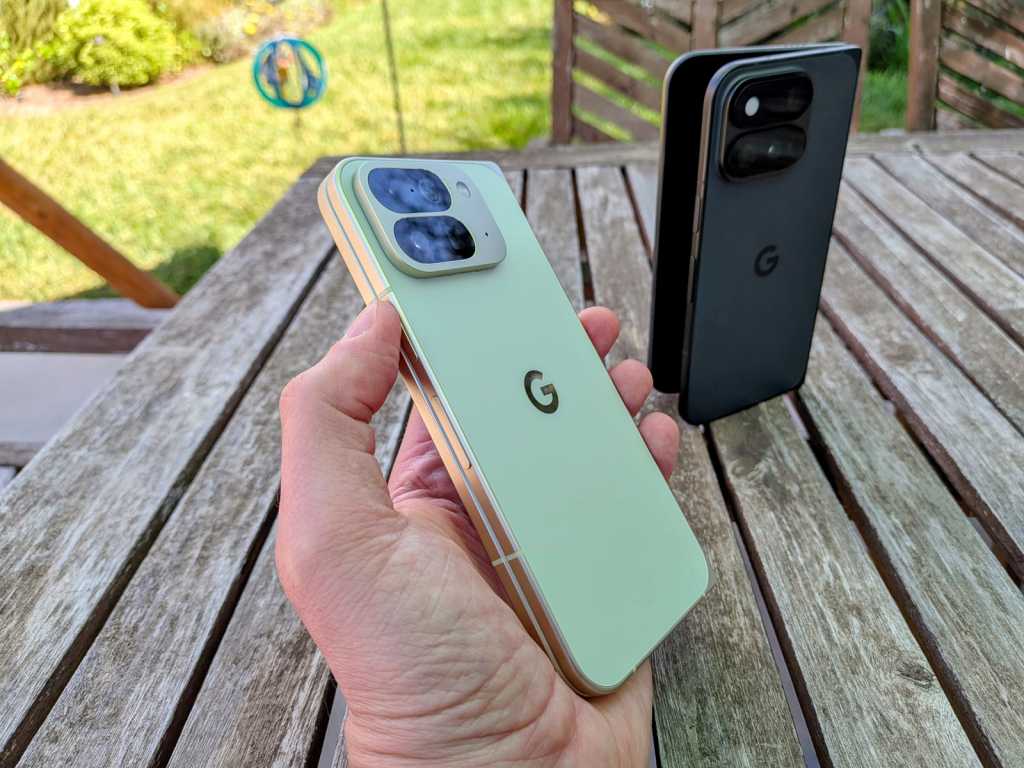
The Pixel 11 Pro Fold is, by the numbers, a marvel of engineering, yet it remains almost indistinguishable from its predecessor at a glance. It is 0.7mm thinner and 19g lighter. While these are objectively improvements, they are improvements that disappear the moment the device is placed in a pocket. The camera bar, while thinner, maintains the iconic Pixel aesthetic, ensuring that the device remains a recognizable part of the Google ecosystem.
Memory and Performance
A point of contention for power users is the RAM configuration. The Pixel 11 Pro models now start at 12GB of RAM, with the 16GB tier reserved for the 512GB storage models. While this shift is largely attributed to global memory supply chain constraints—an issue impacting the entire tech industry through 2027—it is a regression for the "Pro" moniker. However, in real-world usage, the difference is negligible. The device remains snappy, fluid, and capable of handling complex multitasking without breaking a sweat.
The Camera: Diminishing Returns
The camera performance remains "second to none." Yet, in side-by-side comparisons with the Pixel 10 Pro, the differences in image quality are so subtle that they border on the invisible. This is not a failure of the hardware; it is a testament to how good the 10-series cameras already were. We have reached a plateau of computational photography where software algorithms are now more important than sensor size or lens aperture.
Official Responses and Strategic Positioning
Google’s messaging regarding the Pixel 11 centers heavily on "Intelligence." The new Magic Capture mode—which allows users to record video while simultaneously pulling high-resolution stills from the footage—is the flagship feature for content creators. Additionally, the enhanced Android voice typing system, which aims to mirror the efficiency of specialized tools like Wispr Flow, is the standout productivity addition.
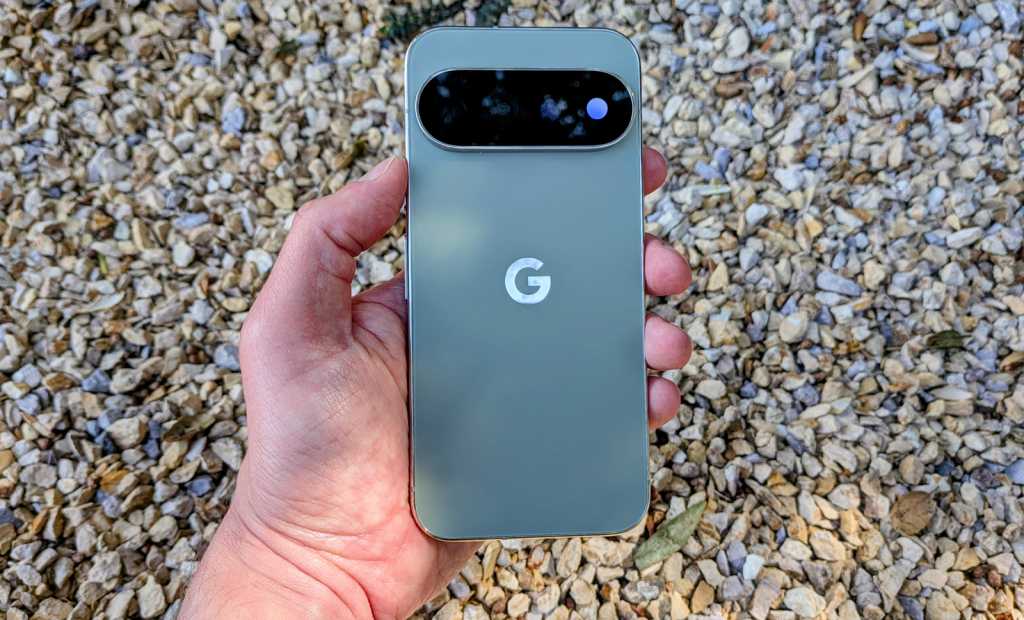
However, the inclusion of the HiLight LED on the back of the Pro models serves as a cautionary tale of "innovation for the sake of it." Currently, its functionality is limited to notifying the user when Gemini is listening or when a favorite contact calls. It is, frankly, a half-baked implementation of what could have been a powerful, customizable notification system. As noted in my testing, a user can configure similar—or better—notifications on almost any Android device with a bit of "crafty configuring."
Implications: What This Means for You
The question of whether you should upgrade is the most important part of this analysis. If you are currently carrying a Pixel 10 or even a well-maintained Pixel 9, the Pixel 11 is not an "essential" upgrade. You will not see a massive jump in speed, camera capability, or battery life.
The Case for the "Boring" Phone
If you are a professional, "excitement" is often the enemy of productivity. You do not want a phone that forces you to relearn your workflow or introduces "AI gimmicks" that degrade the quality of your work. You want a device that is:
- Reliable: The Pixel 11 offers the most consistent software experience in the Android world.
- Secure: The seven-year update promise is the gold standard. When you buy a Pixel 11, you are buying a promise that your phone will remain as secure in 2033 as it is today.
- Predictable: The user interface is clean, the integration with the Google ecosystem is seamless, and the hardware is robust.
The Verdict for Buyers
- For the Power User on a 10-series: Skip this year. Your current device is likely still operating at 95% of the capability of the 11. Use your budget to invest in accessories or cloud storage rather than a new chassis.
- For the New Buyer or Older-Gen User: If you are coming from a Pixel 7, 8, or a device from another manufacturer, the Pixel 11 is the most sensible purchase you can make in 2026. It is a refined, stable, and highly intelligent tool that avoids the pitfalls of the current AI-hype cycle.
In a world where manufacturers are desperately trying to reinvent the wheel, Google has chosen to perfect the chassis. The Pixel 11 is not designed to be a "must-have" sensation; it is designed to be the best tool for the job. In an era of constant, often forced innovation, there is something profoundly refreshing about a phone that simply, reliably, and effectively does what it is told.