

























































The 2026 Great European Eclipse: A Comprehensive Guide to the August 12 Total Solar Eclipse

On August 12, 2026, a rare and highly anticipated celestial alignment will draw the eyes of millions toward the heavens. For the first time in decades, a total solar eclipse will sweep across parts of the Arctic, Greenland, Iceland, and Europe. This event, characterized by the Moon passing directly between the Earth and the Sun, will cast a narrow shadow—known as the path of totality—across a unique corridor of the northern and western hemispheres.
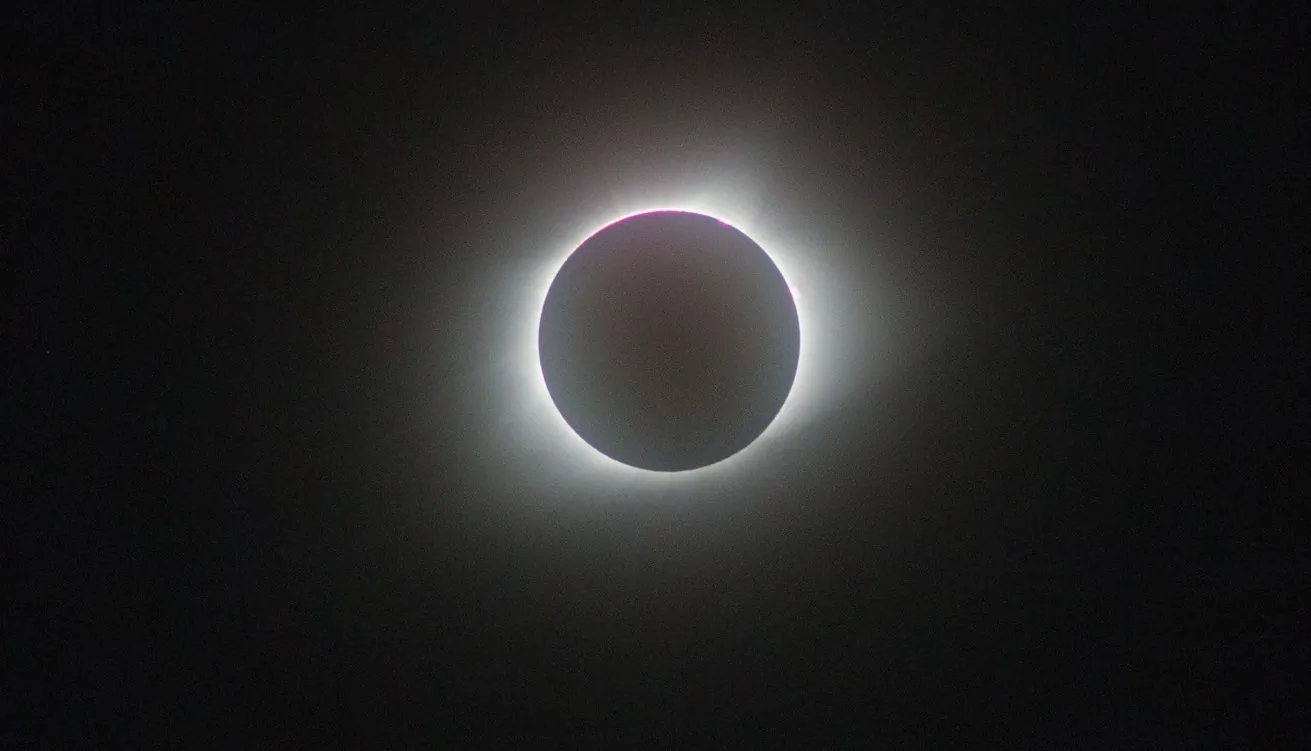
For observers positioned precisely within this path, the Sun will vanish entirely for a brief, awe-inspiring window. Daylight will rapidly dissolve into an eerie twilight, local temperatures will plunge, and the elusive solar corona—the Sun’s external, superheated atmosphere—will reveal itself as a pearlescent halo surrounding the black disk of the Moon. Outside this narrow track, hundreds of millions of people across Europe, North America, and North Africa will witness a partial solar eclipse, making this one of the most widely observed astronomical events of the decade.
Main Facts: The Anatomy of the 2026 Eclipse
A total solar eclipse is a masterclass in cosmic geometry. Though the Sun is roughly 400 times larger than the Moon, it is also approximately 400 times farther away from Earth. This celestial coincidence allows the Moon, when perfectly aligned, to completely obscure the solar disk.
Path of Totality: Arctic -> Greenland -> Iceland -> Atlantic Ocean -> Northern Spain -> Northwest PortugalThe key features of the August 12, 2026, eclipse include:
- The Path of Totality: The core shadow (umbra) will trace a path starting in northern Russia, crossing the Arctic Ocean, brushing past Greenland, bisecting Iceland, crossing the North Atlantic, and sweeping across northern Spain before terminating in the Mediterranean Sea just past the Balearic Islands. A tiny sliver of northwestern Portugal will also experience totality.
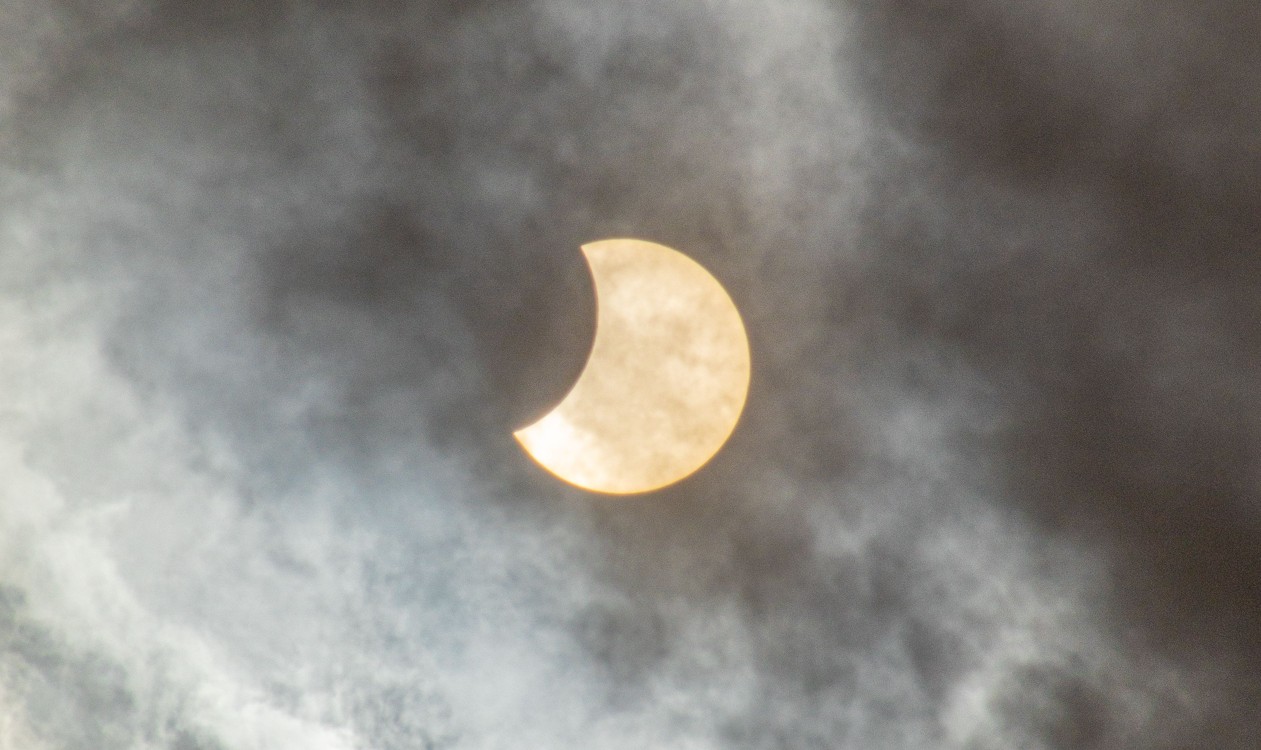
- The Partial Eclipse Zone: A vastly larger penumbral shadow will cover most of Europe, northern North America (including Canada and the northern United States), and northwestern Africa. In these regions, the Moon will appear to take a "bite" out of the Sun, with the size of the bite depending on the observer’s proximity to the path of totality.
- The Sunset Phenomenon: Uniquely, as the path of totality reaches its final stages in Spain, the eclipse will occur very low on the western horizon. This "sunset eclipse" presents both extraordinary photographic opportunities and distinct viewing challenges.
Chronology of the Celestial Event
The progression of the eclipse on August 12 is calculated down to the second by astronomers. The global timeline, measured in Coordinated Universal Time (UTC), outlines how the Moon’s shadow will race across the globe:
[15:34 UTC] Partial Eclipse Begins
       │
[16:58 UTC] Totality First Touches Earth
       │
[17:46 UTC] Maximum Eclipse Globally
       │
[18:34 UTC] Totality Ends (Final Location)
Phase 1: Partial Eclipse Initiation (15:34 UTC)
The event begins as the outer edge of the Moon’s penumbra first touches Earth. Observers in the far northern reaches of the globe will see the first contact, where the Moon begins to slowly encroach upon the Sun’s western limb.
Phase 2: Totality Commences (16:58 UTC)
The umbra—the dark inner shadow where the Sun is 100% obscured—makes its first contact with Earth in northern Russia. It will then sweep rapidly across the Arctic Ocean, moving toward Greenland.
Phase 3: Peak Eclipse (17:46 UTC)
The moment of maximum eclipse occurs. This is the point where the axis of the Moon’s shadow pass closest to the center of the Earth. The greatest duration of totality will be experienced by observers in the Denmark Strait, off the coast of western Iceland, where totality will last approximately 2 minutes and 18 seconds.
Phase 4: European Totality and Sunset (18:00–18:30 UTC)
The shadow moves southeastward across the Atlantic, reaching the northern coast of Spain. Here, the eclipse occurs in the late afternoon and early evening. By the time the shadow reaches the Balearic Islands, the Sun will be mere degrees above the horizon.
Phase 5: Conclusion of Totality (18:34 UTC)
The path of totality leaves the Earth’s surface in the Mediterranean Sea, south of Mallorca. The partial eclipse continues to fade globally as the penumbra slides off the Earth, ending the event.
Supporting Data: Regional Outlooks and Weather Dynamics
Because the path of totality spans vastly different climates and topographies, prospective viewers must weigh geographical advantages against local weather patterns.
Iceland: Prime Positioning with Meteorological Risks
Iceland is widely considered one of the premier viewing destinations for this eclipse. The capital city of Reykjavik lies just inside the southern edge of the path of totality, while the western fjords offer an even longer duration of darkness.
| Region | Totality Status | Key Challenge |
|---|---|---|
| Western Iceland | Deep within totality path | Highly unpredictable maritime weather |
| Reykjavik | Inside the edge of totality | Urban light pollution and cloud cover |
The primary obstacle in Iceland is the country’s notoriously volatile maritime climate. Cloud cover can develop rapidly, and weather systems from the North Atlantic can easily obscure the sky. However, meteorologists and astronomers note that even under light cloud cover, the dramatic drop in ambient light and the rapid onset of twilight will still be highly palpable. To see the delicate structure of the solar corona, however, a completely clear sky is required.
Spain: Low-Angle Drama and Topographical Obstacles
Northern Spain offers some of the most meteorologically promising viewing locations, with a higher historical probability of clear August skies than Iceland or Greenland. The shadow will cross key Spanish regions including Galicia, Asturias, Castile and León, Aragón, Catalonia, and the Balearic Islands.
Sun Elevation in Spain during Totality:
Very Low (approx. 2° to 10° above western horizon)
  │
  ├── High Risk: Blocked by mountains, hills, and buildings
  └── Solution: Seek elevated sites with clear, unobstructed western horizons
Because the eclipse occurs just before sunset in Spain, the Sun will sit extremely low in the sky (between 2 and 10 degrees above the western horizon depending on the exact location). This low altitude introduces two critical factors:
- Landscape Obstructions: Nearby mountains, hills, forests, or buildings can easily block the Sun entirely. Viewers must carefully select observing sites with a completely unobstructed view of the western-southwestern horizon.
- Atmospheric Distortion: Looking at the Sun through a thick layer of Earth’s atmosphere near the horizon can cause atmospheric shimmering, which may distort the view of the corona but can also create stunning, deeply saturated red and orange hues in the surrounding sky.
North American and Broad European Partial Views
For those unable to travel to the path of totality, the partial eclipse will still offer a notable celestial show.
- United States: While no part of the US will experience totality, northern and eastern regions will see a partial eclipse. In northern Alaska and the extreme Northeast (such as Maine), the Moon will cover a significant portion of the Sun. Farther south and west, the effect will be minimal.
- Canada: Much of Canada will have an excellent view of the partial phases. Eastern Canada, including Newfoundland and Labrador, will see the eclipse during the mid-to-late afternoon, with substantial solar coverage.
- Europe: Countries outside the path of totality—including the United Kingdom, Ireland, France, Germany, and Italy—will witness a deep partial eclipse. In London and Paris, a large percentage of the Sun will be obscured just as evening approaches, creating a unique "sunset partial eclipse."
Official Responses and Safety Protocols
National space agencies, astronomical societies, and local governments are already preparing infrastructure and safety campaigns for the August 12 event.
NASA’s Safety and Observation Guidelines
The National Aeronautics and Space Administration (NASA) has issued strict guidelines regarding eye safety. Looking directly at the Sun, even when it is 99% obscured by the Moon, can cause permanent eye damage known as solar retinopathy.
             ┌────────────────────────────────────────┐
             │         Is the Sun 100% covered?       │
             └───────────────────┬────────────────────┘
                                 │
                   ┌─────────────┴─────────────┐
                   ▼                           ▼
                [ YES ]                     [ NO ]
          (During brief totality)     (Partial phases/Outside path)
                   │                           │
          ┌────────┴────────┐         ┌────────┴────────┐
          │   OK to remove  │         │ MUST WEAR ISO   │
          │ eclipse glasses │         │ 12312-2 GLASSES │
          └─────────────────┘         └─────────────────┘
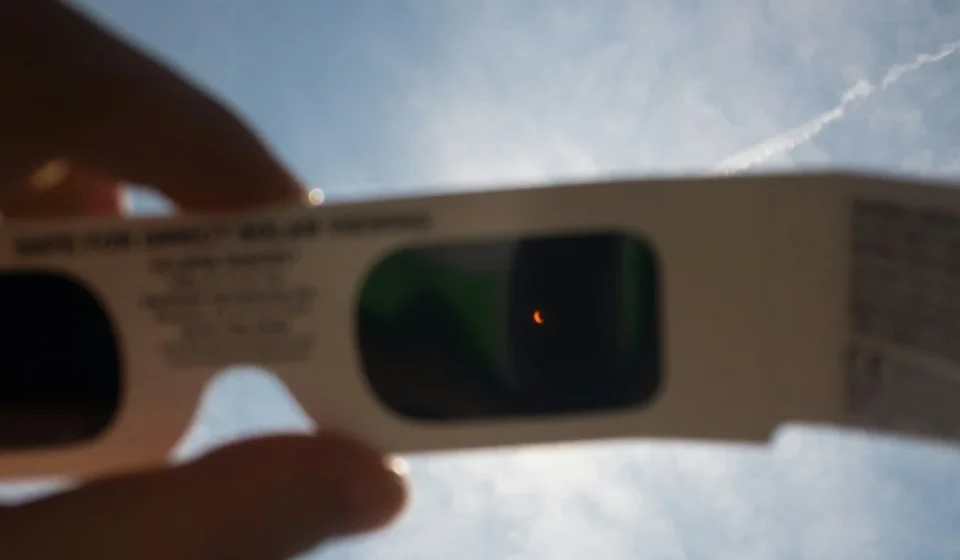
NASA emphasizes that standard sunglasses, polarizers, and camera filters are entirely insufficient. Viewers must use specialized solar filters that comply with the ISO 12312-2 international safety standard. The only time it is safe to view the eclipse with the naked eye is during the brief period of 100% totality, and only within the path of totality. The moment the first bead of direct sunlight reappears, protective eyewear must be replaced immediately.
Public Broadcasting and Science Outreach
Recognizing that millions of people will be outside the path of totality or blocked by inclement weather, NASA has announced plans to host a live, high-definition broadcast of the event beginning at 1:15 p.m. EDT (17:15 UTC) on August 12. The stream will feature live views from ground-based telescopes in Greenland, Iceland, and Spain, alongside commentary from astrophysicists.
Astronomical organizations, such as Space.com, are deploying mobile reporting teams along the path to capture real-time telemetry, high-resolution imagery, and atmospheric data as the shadow sweeps across the European continent.
Implications: Scientific, Economic, and Cultural
The August 12, 2026, total solar eclipse is far more than a visual spectacle; it carries profound implications across multiple sectors.
Scientific Research at Low Altitudes
For solar physicists, a total eclipse provides a rare opportunity to study the inner solar corona, a region of highly ionized gas that is normally drowned out by the intense glare of the Sun’s photosphere. The low altitude of the 2026 eclipse in Spain offers a unique laboratory to study how atmospheric refraction affects coronal observations and allows scientists to test new imaging technologies designed to filter out atmospheric noise.
The Astrotourism Surge
The tourism sectors in Iceland and northern Spain are bracing for a massive influx of international travelers. Dubbed "astrotourists," these travelers are highly mobile and willing to pay premium prices for accommodations within the path of totality.
- Iceland: Hotel rooms and rental cars in western Iceland are expected to reach capacity months in advance. Local municipalities are preparing designated viewing areas to manage traffic and minimize ecological impact on sensitive volcanic landscapes.
- Spain: The timing of the eclipse coincides with the peak of the European summer holiday season. Coastal areas in Galicia and the Balearic Islands are expecting unprecedented crowds, prompting local authorities to plan traffic control measures and public safety campaigns.
The Psychological Gap: Totality vs. Partiality
Astronomers often emphasize the vast psychological difference between a 99% partial eclipse and a 100% total eclipse. Even with 99% of the Sun covered, the remaining 1% of sunlight is intense enough to keep the sky relatively bright and prevent the corona from becoming visible.
To experience the true majesty of the event—the drop in temperature, the sudden appearance of stars in the daytime sky, and the emotional impact of the solar corona—one must cross the threshold into 100% totality. It is this profound difference that drives millions of people to travel vast distances, chasing a shadow that lasts just a few precious minutes.