























































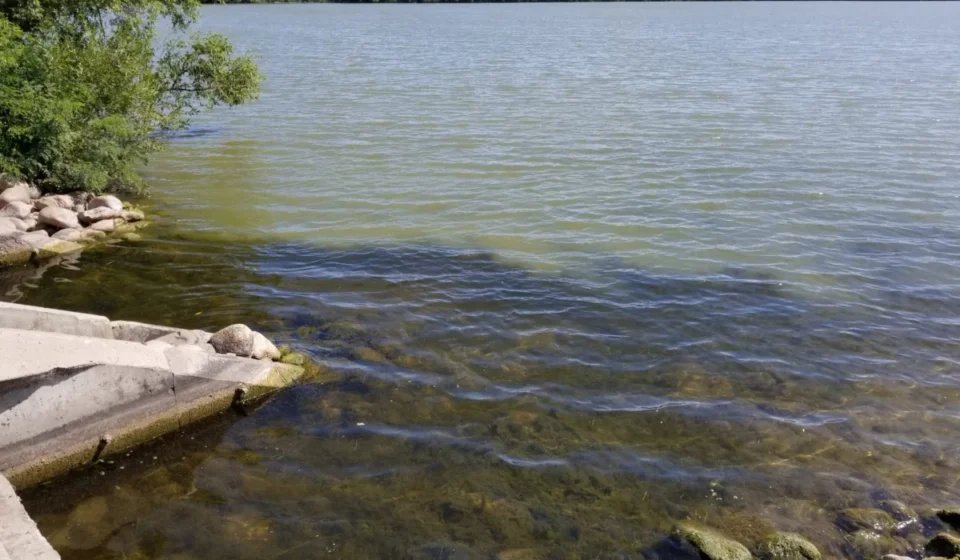

While the nation’s attention remains fixed on the emerald-green hue of the Lincoln Memorial Reflecting Pool—a spectacle of algae blooms exacerbated by the Potomac’s heat and the memorial’s own architectural quirks—a far more extensive and complex struggle is unfolding across the “Land of 10,000 Lakes.” In Minnesota, the battle for clean water is not merely a matter of aesthetics or tourist appeal; it is a fundamental challenge to the state’s ecological health and economic future.
As the Minnesota Pollution Control Agency (MPCA) releases its 2026 draft list of “impaired waters,” the state finds itself at a critical juncture. Under the federal Clean Water Act, states are mandated to identify and report bodies of water that fail to meet specific quality standards. This year’s draft list, currently open for public comment through July 22, paints a sobering picture of a state wrestling with the legacy of agricultural runoff, urban development, and the pervasive impact of a changing climate.
The Scope of the Crisis: A Statistical Snapshot
The 2026 impaired waters list is a massive, data-driven catalog of the state’s environmental struggles. It encompasses 2,979 individual water bodies, including lakes, rivers, streams, and wetlands. Within these systems, the MPCA has identified 6,410 distinct impairments—a figure that reflects the reality that many of Minnesota’s waterways suffer from a "cocktail" of pollutants rather than a single source of contamination.
The composition of these impairments is telling:
- Aquatic Life Stressors: 32% of impairments involve the degradation of habitats necessary for fish and macroinvertebrates.
- Mercury Contamination: 27% of the list is dominated by mercury, a persistent neurotoxin that accumulates in fish tissue, posing significant public health risks to anglers and families who rely on local catches.
- Bacterial Pathogens: 15% of impairments are linked to bacteria, often originating from failing septic systems, livestock operations, or urban stormwater runoff.
The remaining percentage is comprised of nutrient loading—specifically phosphorus and nitrogen—which serves as the primary engine for the harmful algae blooms currently causing such distress at the Lincoln Memorial. When these nutrients enter Minnesota’s shallow, warm-water lakes, they create a perfect environment for rapid, suffocating algal growth that chokes off oxygen and destroys biodiversity.
A Chronology of Stewardship: From Fragmented Efforts to Watershed Management
The current approach to water quality is a far cry from the disjointed, reactive strategies of the 20th century. For decades, the state’s efforts were localized and often ineffective, focusing on single, isolated lakes or stream segments. It wasn’t until 2007 that the MPCA pivoted to the "watershed approach," a holistic philosophy that recognizes water does not respect municipal boundaries.
2007: The Shift to Watershed-Based Management
By shifting focus to the 80 major watersheds that define Minnesota’s geography, the MPCA began to address the source of pollutants rather than just the symptoms. This transition allowed for regional coordination between state agencies, local watershed districts, and private landowners.
2008: The Legacy Amendment
A landmark year in Minnesota’s environmental history, voters approved the Clean Water, Land and Legacy Amendment. By dedicating a 0.375% sales tax toward environmental protection, Minnesotans established a permanent, robust funding stream. This financial bedrock has allowed the state to move beyond mere monitoring and into large-scale, multi-year restoration projects.
2026: A Milestone in Restoration
The 2026 draft list signals a potential turning point. For the first time since the state began tracking these data in 1992, the MPCA has proposed the removal of 45 water bodies from the impaired list. While 46 new impairments are being added—demonstrating the dynamic and ongoing nature of pollution—the removal of over 100 impairments in recent cycles suggests that restoration efforts are finally yielding measurable, long-term dividends.
Case Study: The Riley Lake Restoration
To understand the mechanics of these "removals," one need only look at Riley Lake, situated on the border of Chanhassen and Eden Prairie. The lake’s journey from impaired to restored serves as a blueprint for the state’s future.

The Riley Purgatory Bluff Creek Watershed District employed a multi-faceted approach. First, they collaborated with the University of Minnesota to study the migratory patterns of common carp. These invasive bottom-feeders are notorious for uprooting native vegetation and stirring up sediment, which releases phosphorus into the water column. By drastically reducing the carp population, the district allowed native plants to recolonize the lake bed, naturally filtering the water.
Following the biological intervention, the district addressed the existing phosphorus load by applying alum. Alum, or aluminum sulfate, binds with phosphorus in the sediment, effectively "locking" it away so it can no longer fuel algae blooms. This combination of scientific research, biological management, and chemical treatment successfully cleared the lake from the impaired list, providing a template for other districts to replicate.
Official Responses and the Mechanics of the TMDL
The "Total Maximum Daily Load" (TMDL) is the bureaucratic engine driving this work. A TMDL acts as a "pollution budget" for a specific body of water, calculating the maximum amount of a pollutant that can enter a system while still allowing it to meet water quality standards.
The MPCA has successfully completed 205 EPA-approved TMDL projects. However, the agency is quick to note that a "completed project" is not the end of the road. "TMDLs are the diagnostic phase," explains a spokesperson for the agency. "The real work happens in the implementation phase, where local partners must incentivize farmers to use cover crops, force cities to upgrade stormwater infrastructure, and manage invasive species."
The state’s 2026 report to Congress highlights the fiscal commitment to this process. For the 2024-2025 biennium, the legislature appropriated $318 million from the Clean Water Fund. Of this, $48 million was funneled directly to the MPCA for core protection activities. This level of investment is unique in the United States, positioning Minnesota as a leader in sub-national water policy.
The Human Element: Public Participation
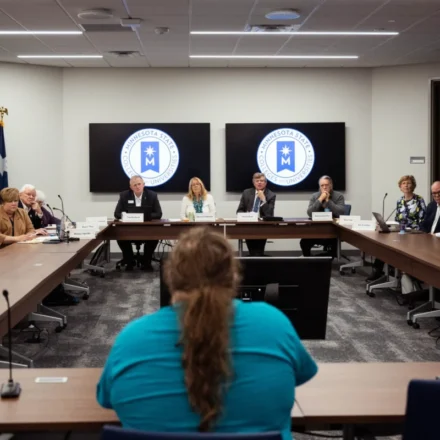
The MPCA maintains that transparency is essential to the success of these programs. Recognizing that water policy often feels detached from the people who live near these lakes, the agency has launched a series of virtual public hearings regarding the 2026 list.
Starting June 23, these sessions have moved across the state, covering the Upper Mississippi River region, the Leech Lake River, and the South Fork Crow River. By engaging stakeholders—from farmers concerned about nitrogen regulation to urban residents worried about beach closures—the MPCA hopes to build the social license necessary for long-term ecological projects.
Implications: The Long Road Ahead
The contrast between the Lincoln Memorial Reflecting Pool and the thousands of lakes in Minnesota is stark. While Washington deals with a contained, engineered fountain, Minnesota is managing a vast, living, and interconnected network of ecosystems.
The implications of the 2026 list are clear: the state is making progress, but the rate of improvement is hampered by the sheer volume of legacy pollutants and the increasing frequency of extreme weather events. As temperatures rise, the "heat-and-nutrient" cycle that plagues the reflecting pool in D.C. is becoming an increasingly common reality for Minnesota’s shallower lakes.
The next decade will likely define whether the state’s "watershed approach" can keep pace with climate change. With the Legacy Amendment funding guaranteed through 2034, Minnesota has the time and the capital to continue its restoration work. However, as the 2026 draft list shows, the work of cleaning up the "Land of 10,000 Lakes" is a perpetual task—one that requires constant vigilance, scientific rigor, and an unwavering commitment from the public to protect the water that defines the state’s identity.