
























































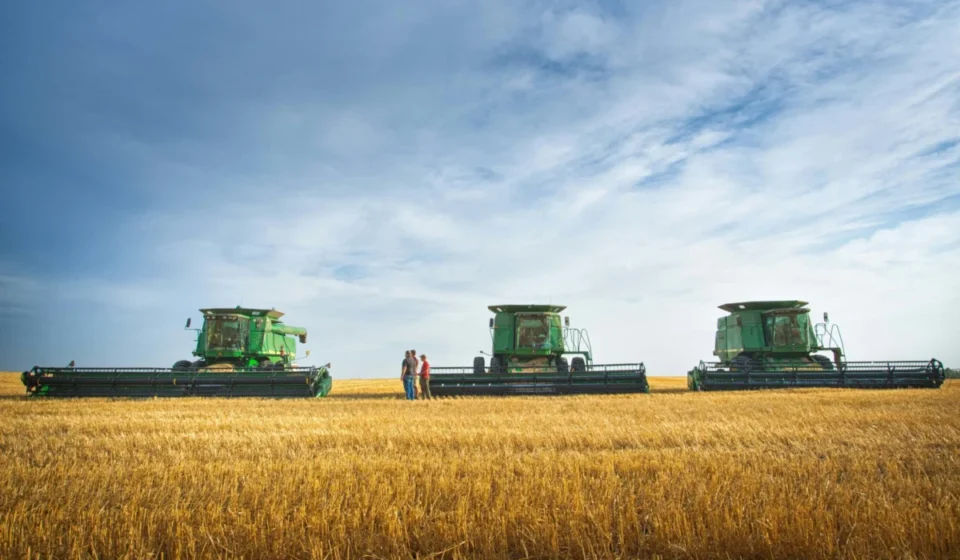
Shadow Over the Valley: The Rising Correlation Between Pesticide Use and Cancer in North Dakota

By Investigative Staff
The Red River Valley, a sprawling, fertile expanse stretching across eastern North Dakota, is the backbone of the state’s agricultural economy. Renowned for its high-yield corn and soybean production, this region serves as a cornerstone of American food security. However, beneath the golden fields and the hum of tractors lies a deepening public health concern: a persistent, statistical link between the intensive use of agricultural chemicals and elevated cancer rates among the local population.
A comprehensive analysis of data from the U.S. Geological Survey (USGS) and the National Cancer Institute (NCI) reveals a sobering trend. As chemical application intensifies to protect industrial-scale crops, the incidence of cancer in these communities is rising, fueling a debate that pits the economic survival of the farming industry against the health and well-being of the people who call the region home.
The Core Data: A Statistical Pattern
The correlation is as undeniable as it is concerning. Of the top 500 U.S. counties ranked by pesticide and herbicide application volume, seven are located within North Dakota—all situated within the fertile soil of the Red River Valley. When these geographical hotspots are overlaid with cancer incidence data, the findings are stark.
Counties such as Pembina, Cass, and Richland—all primary hubs for intensive agriculture—report cancer rates that consistently outpace the national average. In a state-wide analysis, the trend is consistent: the higher a county’s reliance on synthetic pesticides, the higher its documented cancer rates tend to be. While health experts often note that correlation does not definitively prove causation, the consistency of this pattern across the Midwest has moved the conversation from academic speculation to a critical public health investigation.
Chronology of a Growing Crisis
The intersection of chemical agriculture and public health has not emerged overnight. The trajectory of this crisis can be traced through several key phases:
- Mid-20th Century to Present: The expansion of large-scale monoculture farming in the Red River Valley necessitated an increase in chemical reliance to manage pests and weeds. As corn and soybean production became the dominant economic drivers, the volume of herbicides like glyphosate—the active ingredient in products such as Roundup—surged.
- Early 2020s: As cancer clusters began to receive more anecdotal attention in rural North Dakota, community advocacy groups started calling for deeper investigations into environmental toxins.
- 2025: The political landscape shifted dramatically with the passage of House Bill 1318. This legislation, heavily lobbied for by major agrichemical corporations, effectively barred North Dakota residents from bringing lawsuits against these companies regarding the health impacts of their products.
- 2026: Investigative reporting by organizations like Investigate Midwest brought the data to the forefront, highlighting that North Dakota is now one of only two states in the nation to provide such broad legal immunity to pesticide manufacturers, effectively insulating them from litigation that has seen multi-billion dollar settlements elsewhere in the country.
Supporting Data: Understanding the Chemical Load
To understand the scope of the problem, one must look at the sheer volume of chemicals being introduced into the ecosystem. The Red River Valley’s soil, rich in nutrients, is also a sink for various herbicides.
Pesticide Accumulation
Data from the U.S. Geological Survey indicates that the application of systemic herbicides has reached record levels in the Valley. These chemicals are designed to remain active in the environment to ensure crop yield, but their persistence in soil and potential runoff into local water tables remains a primary focus of environmental researchers.
Health Disparities
The National Cancer Institute’s mapping of the region shows that rural populations are not only grappling with the physical toll of cancer but also the logistical nightmare of accessing care. Because many of these impacted communities are isolated, patients often face long travel times to reach specialized oncological facilities, leading to late-stage diagnoses and poorer overall health outcomes.

Official Responses and Political Maneuvering
The passage of House Bill 1318 represents a significant victory for the chemical lobby and a crushing blow to those seeking accountability. By effectively blocking the courtroom as a venue for redress, the state government has created a regulatory and legal vacuum.
The Influence of the Lobby
Critics argue that the influence of companies like Bayer on the North Dakota legislature is profound. The lobbying efforts behind HB 1318 were characterized by proponents as a measure to "protect family farmers from frivolous litigation," ensuring the stability of the agricultural sector. However, opponents view this as a systematic erosion of the rights of citizens to hold corporations accountable for products that may have long-term, carcinogenic consequences.
The Lack of Oversight
Beyond the legal shield, there is a noted lack of state-sponsored, longitudinal studies examining the health of residents living in these high-spray zones. While federal agencies provide the raw data, the state has been slow to allocate resources for an independent, local investigation that could link specific chemical exposures to specific cancer types in the region.
Implications: The High Price of Productivity
The situation in North Dakota forces a difficult question: What is the true cost of industrial-scale agricultural efficiency?
Economic vs. Public Health
The Red River Valley is a economic powerhouse, and its contribution to the global food supply is immense. However, the long-term cost of healthcare, the loss of human capital, and the emotional toll on families in cancer-stricken communities represent a massive, albeit often ignored, economic burden. If the agricultural sector cannot exist without creating "cancer hotspots," society must consider whether the current model of chemical-intensive farming is sustainable in the long term.
The Legal Precedent
North Dakota’s status as one of the two states where residents cannot sue chemical companies is a dangerous precedent. It signals to other states that if they prioritize corporate protection over public health, they can effectively insulate multinational companies from the consequences of their products. This creates a "legal desert" where the burden of illness is shifted entirely onto the individual, while the corporations that profit from the products remain untouchable.
Looking Toward a Future of Accountability
As the residents of the Red River Valley continue to face these health challenges, the demand for transparency is growing. Advocacy groups are pushing for:
- Independent Environmental Testing: Greater access to soil and water data in high-use counties to determine the extent of chemical migration.
- Increased Public Health Funding: As seen in neighboring states, there is a desperate need for funding to address the rural cancer care disparity, ensuring that those in remote areas have the same survival chances as those in urban centers.
- Legislative Reform: A repeal or amendment of HB 1318 to restore the rights of citizens to seek justice in the court system, allowing for the discovery process to reveal what companies knew—and when they knew it—regarding the health risks of their products.
The Red River Valley is at a crossroads. The golden wheat and corn fields serve as a testament to the region’s agricultural prowess, but they are increasingly shadowed by a public health crisis that can no longer be ignored. The future of North Dakota’s farming communities depends not just on the quality of their soil, but on the health of their people. Without a shift toward transparency, stricter regulation, and the restoration of legal accountability, the region risks trading the long-term vitality of its population for short-term economic gains.
As the data continues to mount, the call for a more holistic approach to agriculture—one that respects both the land and the lives of those who inhabit it—has never been more urgent.