






















































A Critical Crossroads: Minnesota Lawmakers Race to Save Hennepin County Medical Center from Financial Collapse

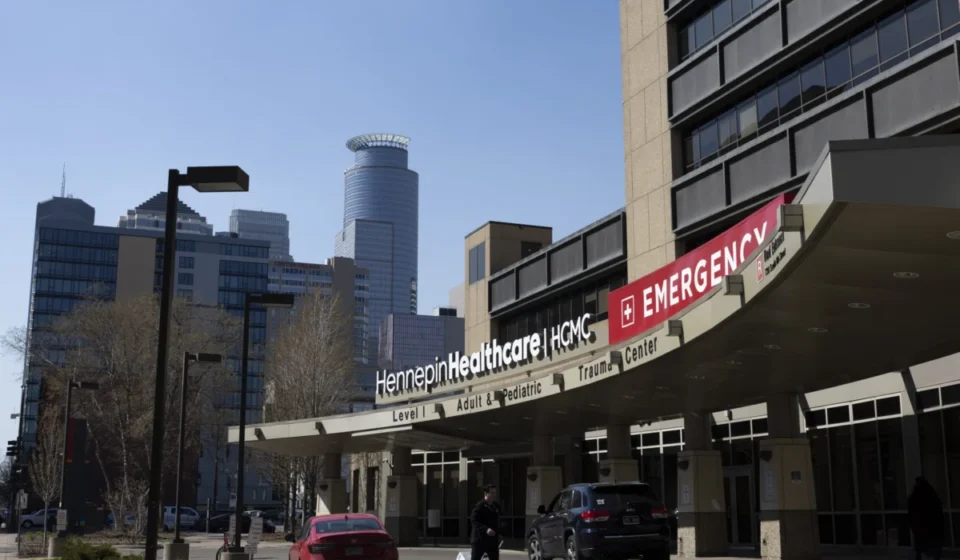
As the May 18 deadline for the Minnesota legislative session rapidly approaches, the fate of Hennepin County Medical Center (HCMC)—the state’s busiest Level 1 adult and pediatric trauma center—hangs in the balance. Amidst a deepening financial crisis that threatens to shutter the facility, lawmakers are currently engaged in a high-stakes legislative scramble to provide both immediate emergency relief and long-term fiscal stability.
The crisis is not merely a budgetary dispute; it is a fundamental challenge to the state’s healthcare safety net. As the primary provider for patients regardless of their insurance status or ability to pay, HCMC occupies a unique and irreplaceable position in the Minnesota healthcare ecosystem. With the threat of closure looming as early as June, the legislature is currently weighing a suite of competing tax and funding proposals to prevent what advocates describe as a potential catastrophe for the Midwest’s medical infrastructure.
The Financial Precipice: Why HCMC is at Risk
HCMC, a cornerstone of the Hennepin Healthcare system, has been operating under immense pressure for several years. However, recent projections have shifted the narrative from "challenging" to "existential." According to data shared with the Hennepin County Board’s budget committee this past March, the hospital faces a staggering $1.7 billion in losses over the next decade.
The causes of this shortfall are multifaceted, reflecting both national healthcare trends and specific, localized economic shocks. Chief among them is the rising cost of uncompensated care. Because HCMC serves a disproportionate number of uninsured and publicly insured patients, it carries a financial burden that private hospital systems do not. This systemic imbalance has been exacerbated by impending federal Medicaid cuts, which threaten to strip away vital revenue streams.
Furthermore, the hospital is dealing with a significant liquidity crisis stemming from the collapse of Minnesota-based health insurer UCare. The insurer currently owes HCMC approximately $115 million, a debt that has severely hampered the hospital’s operational capacity.
Hennepin County Commissioner Angela Conley has been stark in her assessment: should the legislature fail to act, the hospital could begin the process of closure as early as June. Estimates suggest that the closure process alone would cost taxpayers $100 million, not accounting for the long-term, irreversible damage to public health in the region.
The Legislative Battle: Taxing for Survival
With time running out, lawmakers have introduced several distinct paths toward solvency. At the center of the debate are two major tax bills that would amend the existing 2007 Hennepin County sales tax, which was originally enacted to fund the construction of the Minnesota Twins’ Target Field.
The Senate Approach: A Measured Adjustment
Authored by Sen. Ann Rest, DFL-New Hope, the Senate bill (SF 4986) proposes a moderate increase to the current 0.15% sales tax, raising it to 0.25%. A formal analysis by the Minnesota Department of Revenue indicates this would generate approximately $84 million in annual revenue.
Under this plan, the distribution of funds is carefully partitioned:
- HCMC: $50 million, serving as the primary recipient.
- North Memorial (Robbinsdale): $21 million, specifically earmarked for uncompensated care costs.
- Target Field: $9 million for ongoing facility improvements.
- Community Support: Up to $4 million for Hennepin County libraries and youth programs.
Sen. Rest has defended this proposal as a necessary, albeit imperfect, solution. "My bill still is going to be regressive," Rest acknowledged in an interview, "but I believe that it is a burden that can be absorbed by everyone."
The House Approach: A More Aggressive Strategy
Conversely, the House bill (HF 4841) suggests a more aggressive 1% tax rate. According to co-author Rep. Esther Agbaje, DFL-Minneapolis, this would generate roughly $337 million annually. The allocation strategy here prioritizes a much larger infusion for HCMC, with over $300 million directed toward the hospital, $24 million for North Memorial, and $7 million for stadium maintenance.
The stark difference between the $84 million Senate plan and the $337 million House plan highlights the internal friction within the Capitol. Rep. Danny Nadeau, R-Rogers, a co-author of the House bill, noted that the current gridlock makes the final outcome highly unpredictable. He suggests that the discussion has expanded beyond simple tax rates to include a critical examination of HCMC’s governance structure and its historical fiscal management.
A Two-Pronged Strategy: Emergency Relief vs. Systemic Change
Recognizing that tax adjustments take time to implement, the legislature is simultaneously pursuing a "one-time" funding bill to provide an immediate "shot in the arm" to the hospital’s balance sheet.
The Stabilization Proposal
Authored by Sen. Melissa Wiklund, DFL-Bloomington, the proposed bill (SF 4612) allocates nearly $300 million in emergency hospital stabilization funding. The breakdown is as follows:
- $150 million: Directly for HCMC.
- $114.8 million: A broader fund for providers across the state facing similar financial instability.
This bill has already cleared the Senate Health and Human Services committee and is currently under review by the Senate Finance committee. Lawmakers are largely in agreement that one-time funding is insufficient on its own, but they view it as a critical bridge. As Sen. Wiklund stated, "I’ve been clear that one-time support alone won’t solve the underlying problem. Senator Rest’s proposal takes an important step toward a long-term solution."
Redirecting Surcharges
In a move to create a more equitable distribution of resources, Rep. Nadeau has introduced a separate bill (HF 4143) that would redirect a 1.56% hospital surcharge—currently funneled into the state’s general fund—to instead support hospitals in financial crisis. This would essentially allow more profitable hospitals within the state to subsidize the operations of safety-net facilities like HCMC, creating a internal safety valve for the healthcare system.
The Human and Economic Stakes
The potential closure of HCMC is not just a localized issue for Minneapolis; it is a regional concern. National Nurses United (NNU), the largest registered nurses’ union in the U.S., placed HCMC on "Red Alert" on April 21. The union’s public statement warned that the loss of this facility would have a "drastic, irreversible impact on patients and healthcare workers across Minnesota and the Midwest."
The implications of such a closure include:
- Overcrowding: The loss of the state’s primary Level 1 trauma center would force thousands of patients to divert to other hospitals, likely overwhelming capacity in suburban and regional facilities.
- Economic Disruption: The loss of thousands of high-skilled healthcare jobs and the cessation of a major institutional economic anchor would destabilize the local economy.
- Public Health Crisis: The removal of a safety-net provider would disproportionately affect the most vulnerable populations, potentially leading to increased morbidity and mortality rates among the uninsured.
Moving Toward Consensus
As the legislative clock ticks down to May 18, the atmosphere in the Capitol remains one of cautious optimism tempered by urgency. Hennepin County Commissioner Jeffrey Lunde, who serves as the chair of the Hennepin Health Board, emphasizes the importance of simply getting the issue on the floor.
"People undersell that," Lunde said. "If you can’t get a bill on the table, you got nothing to work with. So, at least there are bills on the table."
The path forward requires a reconciliation of the House and Senate visions. While the specific tax rates and the balance between long-term funding and emergency relief remain subject to intense negotiation, there is a bipartisan consensus that allowing HCMC to collapse is not a viable policy option.
Lawmakers, including Rest, Nadeau, and Agbaje, maintain that a solution is within reach. "I sometimes get discouraged," Sen. Rest reflected, "but I think we’re going to come through."
Ultimately, the resolution of this crisis will serve as a bellwether for how the State of Minnesota intends to handle the broader, escalating costs of healthcare in an era of diminishing federal support. The outcome of the next few weeks will determine whether HCMC remains a beacon of accessible care or becomes a cautionary tale of institutional failure.