















































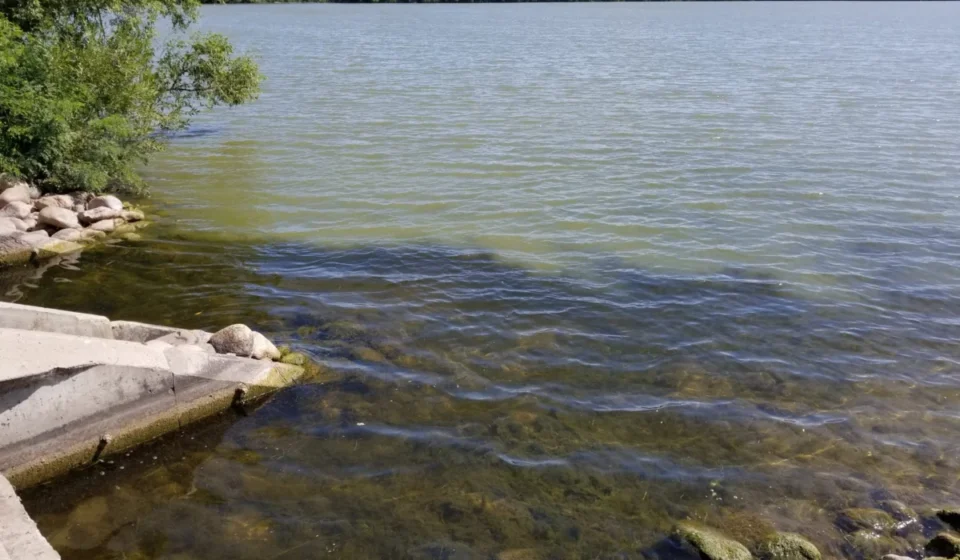

While the national spotlight remains fixed on Washington, D.C., where the iconic Lincoln Memorial Reflecting Pool struggles against a stubborn, unsightly bloom of algae, a far more extensive and critical environmental challenge is playing out in the “Land of 10,000 Lakes.” For Minnesota regulators, the fight for water quality is not just a seasonal nuisance to be managed for a national anniversary; it is a systematic, data-driven, and decades-long campaign to preserve the state’s most precious natural resource.
The Minnesota Pollution Control Agency (MPCA) has officially released its 2026 draft list of impaired waters—a state-mandated report under the federal Clean Water Act. As the public comment period remains open through July 22, the report paints a complex picture of a state grappling with the legacy of development, agricultural runoff, and a changing climate.
The Scope of the Crisis: A State Under Pressure
The 2026 draft list is a sobering reminder of the environmental toll exacted by modern land use. The report identifies 2,979 individual water bodies—ranging from pristine northern lakes to critical urban streams and expansive wetlands—that fail to meet state and federal water-quality standards. These bodies of water account for a staggering 6,410 unique impairments.
The nature of these impairments is diverse, reflecting the multifaceted threats to Minnesota’s hydrology:
- Aquatic Life Impairments (32%): The largest category, involving the decline of fish and macroinvertebrate populations, which serve as essential indicators of ecosystem health.
- Mercury Contamination (27%): A persistent challenge that limits safe fish consumption across the state.
- Bacteria (15%): High levels of E. coli and other pathogens that limit recreational use, such as swimming and boating.
- Nutrient and Sediment Loading: Elevated levels of phosphorus and nitrogen, which, much like the problems plaguing the Lincoln Memorial, provide the fuel for toxic algae blooms.
Chronology of Stewardship: From Fragmented Efforts to Watershed Management
Minnesota’s approach to water quality has evolved significantly since the early days of environmental regulation. Before 2007, the state’s strategy was largely fragmented, focusing on individual water bodies in isolation. However, the MPCA realized that water does not respect property lines or political boundaries.
In 2007, the agency adopted the “watershed approach,” a holistic strategy that treats entire drainage basins as the fundamental unit of management. By focusing on all 80 major watersheds in the state, the MPCA works in concert with local watershed districts, counties, and tribal nations to identify the root causes of pollution.
A Timeline of Progress:
- 1992: The inception of the state’s impaired waters program, establishing the biennial reporting cycle.
- 2007: Adoption of the holistic “watershed approach,” shifting focus from isolated segments to systemic drainage basin health.
- 2008: A landmark year for conservation as Minnesota voters approved the Clean Water, Land, and Legacy Amendment, creating a dedicated, long-term funding stream for water protection.
- 2026: The current cycle, which marks the highest number of water body removals from the impaired list in the program’s history, signaling a shift from reactive monitoring to successful restoration.
Success Stories: The Case of Riley Lake
While the list of impairments is long, there are tangible signs of progress. The 2026 report proposes the removal of 45 bodies of water from the impaired list—a milestone that demonstrates the efficacy of targeted, scientific intervention.
One success story involves Riley Lake, located on the border of Chanhassen and Eden Prairie. For years, the lake struggled with excessive phosphorus and murky waters. The Riley Purgatory Bluff Creek Watershed District took a multi-disciplinary approach to restore the lake.
“We began the process with the University of Minnesota in which we studied the migratory and reproductive patterns of common carp,” explains Terry Jeffery, administrator of the watershed district. By systematically reducing the carp population, the district was able to prevent the stirring up of sediment and the destruction of native vegetation. Following the carp removal, the team addressed aquatic invasive species like Eurasian water milfoil and curly leaf pondweed, and finally applied alum treatments to bind phosphorus, effectively starving the algae of the nutrients it needed to bloom.
Supporting Data and The “TMDL” Framework
At the heart of the MPCA’s work is the “Total Maximum Daily Load” (TMDL). While the term is dense with bureaucratic jargon, its purpose is simple: it calculates the maximum amount of a pollutant a specific water body can absorb while still meeting quality standards.

To date, Minnesota has secured EPA approval for 205 TMDL projects. These are not merely studies; they are blueprints for restoration. Each project outlines specific reduction targets for nitrogen, phosphorus, or sediment, and provides a pathway for local stakeholders to achieve them. The 2026 report to Congress serves as a comprehensive audit of these projects, proving that when localized data is paired with consistent funding, water quality metrics begin to trend in the right direction.
Official Responses and Public Engagement
The MPCA is not working in a vacuum. Recognizing that water stewardship is a shared responsibility, the agency has initiated a series of virtual public meetings to ensure the 2026 list reflects the concerns of those who live and work near these waters.
The series began on June 23, focusing on the Upper Mississippi River region—a vital artery for the state’s ecology. By engaging with residents in the Leech Lake, Pine, and Crow River watersheds, the agency aims to build public trust and provide transparency. These meetings are essential, as they allow for the integration of local knowledge—often called "community science"—with the high-level data collected by state regulators.
“Public engagement is the difference between a list of regulations and a shared community mission,” says a spokesperson for the MPCA. “When citizens understand why a stream is impaired—whether it’s due to agricultural runoff, urban stormwater, or failing septic systems—they are more likely to support the restoration projects that follow.”
Implications: The Future of the Land of 10,000 Lakes
The findings of the 2026 report carry profound implications for the state’s economy, tourism, and public health. Minnesota’s identity is inextricably linked to its water; when those waters fail to meet health standards, the impact is felt from the local fishing lodge to the municipal water treatment facility.
The Financial Backbone: The Clean Water Fund
The primary engine driving this work is the Clean Water Fund. Born from the 2008 constitutional amendment, this fund is financed by a 0.375% sales tax, ensuring that restoration efforts are not subject to the whims of annual budget cycles. For the 2024-2025 biennium, the legislature allocated $318 million to water resource activities.
However, funding alone is not a panacea. The challenge for the next decade will be balancing economic growth with the stringent requirements of the Clean Water Act. As the climate shifts, bringing more intense rainfall events, the state must move beyond simple restoration to “resilience planning.” This means designing infrastructure that can handle increased runoff, incentivizing sustainable agricultural practices, and restoring wetlands that act as the state’s natural kidneys.
Conclusion
The contrast between the Lincoln Memorial Reflecting Pool and Minnesota’s thousands of lakes is striking. While the former is a controlled, shallow, and artificial environment, the latter is a vast, interconnected, and dynamic ecosystem. Yet, the core problem remains the same: the delicate balance of nutrients, light, and temperature is being disrupted.
Minnesota’s 2026 impaired waters list is more than a catalog of failures; it is a roadmap for recovery. It acknowledges the severity of the challenges ahead while highlighting that, through sustained investment and scientific rigor, the state is beginning to turn the tide. As the comment period draws to a close, the path forward is clear: protecting the Land of 10,000 Lakes requires a commitment that is as deep and enduring as the waters themselves.