


























































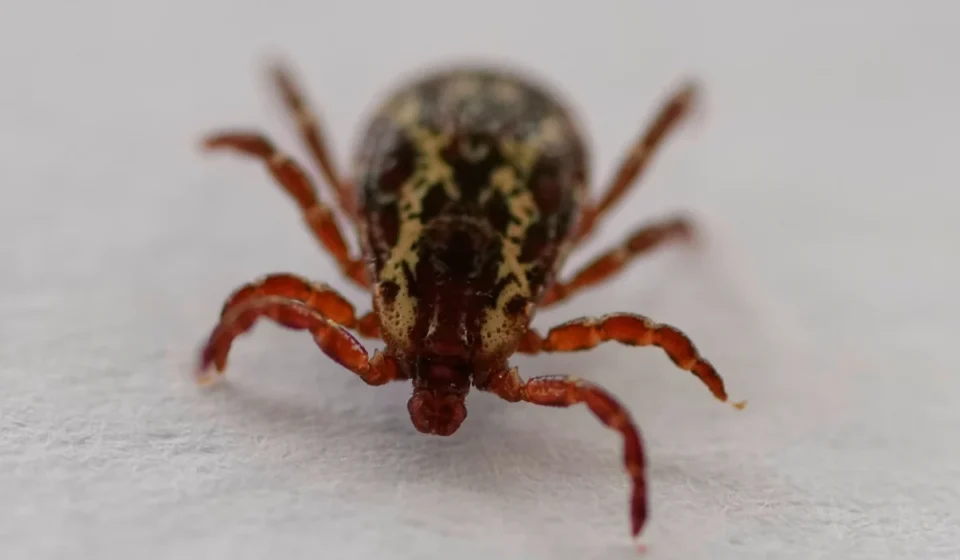

As spring ushers in warmer weather, a familiar yet increasingly dangerous ritual begins: the exodus of outdoor enthusiasts, families, and hikers into the forests and fields of the United States. However, this year, the lush landscapes come with a heightened warning. Public health data indicates that the 2026 tick season is not merely arriving—it is booming, with emergency room visits related to tick bites reaching their highest levels since 2017.
For infectious disease experts, this spike is a sobering reminder that Lyme disease is no longer a localized nuisance of the Northeast; it is a burgeoning national health challenge, fueled by a warming climate and the changing ecology of our suburbs.
Main Facts: The Bacterial Invader
Lyme disease is a multi-systemic illness caused by a specific group of bacteria, Borrelia, most notably the species Borrelia burgdorferi. Named after the town of Old Lyme, Connecticut, where it was first clinically identified in 1975, the disease acts as a "great imitator," often presenting symptoms that mimic common viral infections or neurological conditions.
The transmission vector is the black-legged tick, or "deer tick" (Ixodes scapularis). These arachnids do not hatch with the bacteria; they acquire it during their larval or nymph stages by feeding on infected reservoir hosts, typically white-footed mice or certain bird species. Once the tick matures, it becomes a carrier capable of transmitting the bacteria to humans. A critical factor for public awareness is the duration of contact: the bacteria typically reside in the tick’s midgut and require an attachment period of 24 to 48 hours to migrate to the salivary glands and enter the human bloodstream. This window of opportunity is the primary reason why prompt tick removal is the most effective defense against infection.
A Chronology of a Growing Crisis
The trajectory of Lyme disease in the United States has been one of steady, alarming expansion over the last half-century.
- 1975: The first cluster of cases is identified in Connecticut, sparking the initial medical investigation into the link between tick bites and localized arthritis.
- 1995: The Centers for Disease Control and Prevention (CDC) begins tracking the incidence of Lyme disease with higher fidelity as the range of the deer tick expands across the mid-Atlantic and Upper Midwest.
- 2023: State health departments officially report over 89,000 cases. However, independent epidemiological modeling suggests this is a massive undercount, with actual infections likely approaching 500,000 annually due to asymptomatic cases and diagnostic challenges.
- 2026: April 23 marks a significant milestone in public health reporting, as the CDC issues an urgent advisory noting that emergency department visits for tick bites are at an eight-year high, signaling a potentially severe season for Lyme and other tick-borne co-infections.
Supporting Data: Mapping the Spread
The geographical footprint of Lyme disease has changed dramatically. Historically confined to the Northeast, the disease has moved westward and northward. Roughly 90% of all reported cases originate from the Northeast, the mid-Atlantic corridor, and the Upper Midwest, including Wisconsin, Michigan, and Minnesota. However, sporadic, confirmed cases are appearing with increasing frequency in the Pacific Northwest, including Oregon and Washington.
The doubling of incidence rates since the mid-1990s is attributed to three primary drivers:
- Climate Change: Rising average temperatures and shorter, milder winters allow ticks to emerge earlier in the spring and remain active later into the autumn. In some southern regions, freezing temperatures—the natural "cull" for tick populations—are becoming rare, allowing for year-round activity.
- Urban Sprawl: The development of woodland areas into suburban housing estates has fragmented habitats, forcing deer and mice into closer proximity to human residences.
- Host Proliferation: The unchecked growth of deer populations, which serve as the primary mating ground for adult ticks, has provided the fuel for the current population explosion.
Official Responses and Medical Implications
The medical community is currently grappling with a "two-front war": treating acute infections and addressing the debilitating long-term consequences of delayed diagnosis.
The Diagnostic Challenge
Early symptoms—fever, fatigue, and muscle aches—are often dismissed as seasonal allergies or the flu. The "bull’s-eye" rash (erythema migrans) occurs in 70% to 80% of cases and is a diagnostic hallmark. However, the absence of this rash does not rule out the disease. Blood tests for antibodies are standard but notoriously unreliable in the first two weeks of infection, often resulting in false negatives that lead patients to delay life-saving antibiotic treatment.
The Long-Term Toll
If left untreated, or treated inadequately, the bacteria disseminate throughout the body. Roughly 60% of untreated patients will develop Lyme arthritis, characterized by severe, intermittent joint pain and swelling. Even more concerning are the neurological and cardiac implications. Neuroborreliosis can cause inflammation of the meninges, leading to memory deficits, mood changes, and chronic headaches. In some cases, damage to the peripheral nervous system causes numbness and muscle weakness.
Recent research published in journals such as PNAS suggests that even after antibiotic treatment kills the bacteria, remnants of the bacterial cell wall may persist in joints, triggering a persistent, auto-immune-like inflammatory response. This explains why some patients continue to experience "post-treatment Lyme disease syndrome" (PTLDS) long after the infection has theoretically been cleared.
Hope on the Horizon: The Vaccine Effort
After decades of frustration, the scientific community is seeing light at the end of the tunnel. In March 2026, Pfizer announced that their latest vaccine candidate demonstrated a 70% efficacy rate in late-stage clinical trials. While not a panacea, a vaccine would provide a vital layer of protection for high-risk populations, such as foresters, outdoor athletes, and residents of tick-endemic rural areas.
How to Protect Yourself: Best Practices for the 2026 Season
While the pharmaceutical industry works to finalize a vaccine, personal vigilance remains the primary shield. Public health authorities recommend the following:
- Barrier Protection: When entering wooded or high-grass areas, wear long sleeves and pants. Tucking pants into socks creates a physical barrier that prevents ticks from reaching the skin.
- Chemical Defense: Use EPA-registered insect repellents containing DEET, picaridin, or IR3535. For clothing and gear, permethrin-treated garments provide a significant, long-lasting deterrent.
- The "Post-Hike" Sweep: Since transmission requires 24 to 48 hours of attachment, the daily "tick check" is non-negotiable. Inspect hard-to-see areas such as the hairline, behind the ears, the groin, and the backs of the knees.
- Tumble Drying: If you suspect you have walked through tick-heavy terrain, place your clothes in the dryer on high heat for 10 minutes. Dry heat is one of the most effective ways to kill ticks that may be hitchhiking on your fabric.
- Landscaping: Create a "buffer zone" of wood chips or gravel between your lawn and wooded areas. Keep grass mowed short to reduce the micro-climates that ticks require to survive.
Conclusion: A New Normal
The rise of Lyme disease is a stark indicator of how environmental changes directly impact human health. As we navigate the 2026 season, the message from the medical community is clear: awareness is the best medicine. By understanding the biology of the tick, the patterns of the bacteria, and the necessity of early intervention, individuals can continue to enjoy the outdoors while mitigating the risks of this persistent, evolving threat. If you find a tick, or if you develop flu-like symptoms after outdoor activity, do not wait for the symptoms to pass; consult a healthcare provider immediately. The difference between a simple two-week course of antibiotics and a lifetime of chronic health issues often comes down to acting within those first critical few days.