




















































The Spaceman’s Final Ledger: Inside the Financial Legacy and Enduring Influence of Ace Frehley

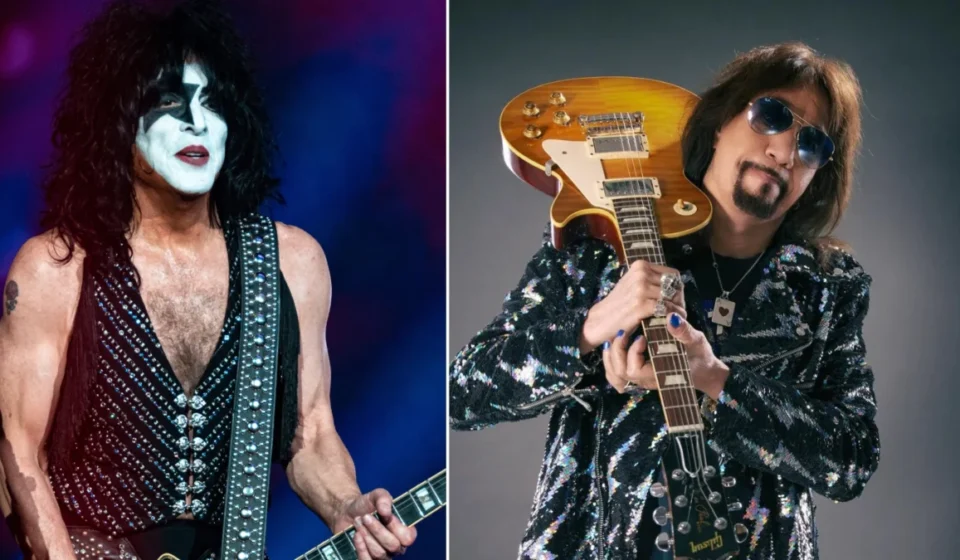
The history of rock and roll is filled with stories of immense wealth, creative triumphs, and financial cautionary tales. Few figures embody this complex intersection of art and commerce quite like Paul Daniel "Ace" Frehley. As the original lead guitarist and co-founder of KISS, Frehley designed the iconic "Spaceman" persona, co-created one of the world’s most recognizable band logos, and wrote the guitar riffs that defined 1970s arena rock.
Yet, following his passing in October 2025 at the age of 74, financial analysts and music historians alike have turned their attention to a striking paradox: while his former bandmates built multi-million-dollar empires, Frehley’s estimated net worth at the time of his death stood at approximately $1 million.
This investigative retrospective examines the main facts of Frehley’s financial standing, traces the chronology of his career and earnings, analyzes the supporting data behind his wealth, explores the legal complexities of his estate, and evaluates his enduring implications on rock culture and the music business.
1. Main Facts: The Paradox of the Spaceman’s Wealth
At the time of his death in October 2025, Ace Frehley’s net worth was valued at approximately $1 million, according to estimates from Celebrity Net Worth and estate valuation analysts. For a musician who co-founded a band that has sold more than 100 million records worldwide, this figure is remarkably modest.
The primary factors defining Frehley’s financial status at his death include:
- Ongoing Royalty Streams: Regular income from his songwriting contributions to classic KISS tracks (such as "Cold Gin," "Shock Me," and "Parasite") and his highly successful 1978 solo cover of "New York Groove."
- Asset Liquidation and Debt: A history of significant financial liabilities, including a high-profile home foreclosure in 2013 and outstanding federal tax debts that persisted late into his life.
- The Cost of Independence: A deliberate choice to prioritize creative freedom and personal well-being over corporate alignment, notably walking away from highly lucrative band contracts to pursue a solo career.
While a net worth of $1 million represents a comfortable sum for the average citizen, it stands in stark contrast to the fortunes accumulated by KISS co-founders Gene Simmons and Paul Stanley. Frehley’s financial trajectory serves as a case study in how early industry contracts, personal struggles, and independent business models can reshape a rock legend’s balance sheet.
2. Chronology: The Rise, Fall, and Stabilization of a Rock Fortune
To understand how Ace Frehley’s estate arrived at its final valuation, it is necessary to trace his five-decade career chronologically, tracking the moments where millions were earned, forfeited, or lost.
[1973] Co-founds KISS; signs early contract with Casablanca Records
  │
[1975] Breakthrough with 'Alive!'; merchandising empire begins
  │
[1978] Releases self-titled solo album; scores hit with "New York Groove"
  │
[1982] Departs KISS; forfeits a reported $15 million contract
  │
[1985] Surrenders remaining 25% partnership share in KISS corporate entity
  │
[1987] Launches 'Frehley's Comet'; signs with Megaforce Records
  │
[1996] Rejoins KISS for highly lucrative "Alive/Worldwide" Reunion Tour
  │
[2002] Departs KISS permanently; returns to independent solo touring
  │
[2013] Suffers foreclosure on Yorktown, NY home due to unpaid taxes/mortgage
  │
[2014] Inducted into the Rock & Roll Hall of Fame
  │
[2024] Faces passport renewal obstacles due to outstanding IRS tax liens
  │
[2025] Passes away in October; net worth estimated at $1 million
The Golden Era: 1973–1982
In 1973, Frehley joined Paul Stanley, Gene Simmons, and Peter Criss to form KISS. By 1975, the release of the double-live album Alive! catapulted the band into international superstardom. Throughout the late 1970s, Frehley earned millions of dollars annually from record sales, sold-out arena tours, and the band’s pioneering merchandising machine, which licensed everything from lunchboxes to pinball machines.
In 1978, all four members released self-titled solo albums on the same day. Frehley’s album was both the critical darling and the commercial peak of the project, reaching No. 26 on the Billboard album chart and spawning the Top 20 hit "New York Groove."
However, by 1982, creative exhaustion, internal friction, and severe substance abuse led Frehley to leave the band. In doing so, he walked away from a newly negotiated contract with Phonogram (Casablanca’s parent company) that was reportedly worth $15 million.
The Solo Years and the Reunion: 1983–2002
Following his departure, Frehley maintained a 25% partnership stake in the band’s corporate entity until 1985, when he officially surrendered his share in exchange for a royalty agreement. He formed the band Frehley’s Comet, releasing a successful debut album in 1987 under Megaforce Records, followed by Trouble Walkin’ in 1989. While these projects earned critical respect, the profit margins of an independent solo act could not compare to the corporate infrastructure of KISS.
In 1996, Frehley rejoined the original lineup for the Alive/Worldwide Reunion Tour. This tour became the top-grossing rock tour of 1996–1997, earning over $140 million. This period provided Frehley with a massive financial windfall. However, history repeated itself; by 2002, citing familiar frustrations with the band’s strict corporate management, Frehley departed the lineup permanently.
Financial Instability and Recovery: 2003–2025
The two decades following his final departure from KISS were marked by a relentless touring schedule, solo album releases (such as 2014’s Space Invader and 2024’s 10,000 Volts), and public financial struggles.
In 2013, Frehley’s home in Yorktown, New York, fell into foreclosure after he fell behind on mortgage payments and property taxes. He also faced persistent issues with the Internal Revenue Service (IRS). Despite these challenges, Frehley remained a sober, active performer, utilizing VIP meet-and-greets, guitar conventions, and steady independent album sales to stabilize his income during his final years.
3. Supporting Data: The Financial Breakdown
To put Ace Frehley’s $1 million net worth into perspective, it is helpful to look at the numbers behind his career, comparing his financial legacy directly with his former bandmates and examining the specific liabilities that impacted his estate.
Comparative Net Worth: The Founding Members of KISS
The wealth gap between the founding members of KISS is one of the most pronounced in rock history. It highlights the difference between those who retained ownership of the band’s intellectual property and brand name versus those who sold or forfeited their shares.
| Founding Member | Persona | Estimated Net Worth | Primary Financial Strategy |
|---|---|---|---|
| Gene Simmons | The Demon | $400 Million | Retained full brand ownership; extensive licensing, corporate speaking, and diverse business ventures. |
| Paul Stanley | The Starchild | $200 Million | Retained full brand ownership; active in fine art sales, musical theater, and branding. |
| Peter Criss | The Catman | $5 Million | Sold rights early; retired from active touring; lives primarily on legacy royalties. |
| Ace Frehley | The Spaceman | $1 Million | Relied on independent touring, solo record deals, and standard songwriting royalties. |
Sources: Celebrity Net Worth, industry financial reports.
Key Factors Restricting Frehley’s Net Worth
Several recorded financial setbacks prevented Frehley from maintaining the multi-million-dollar wealth typically associated with rock legends of his stature:
- Loss of the "Spaceman" Trademark: Unlike Simmons and Stanley, who retained the trademarks for the band’s iconic makeup designs, Frehley leased and eventually sold his "Spaceman" makeup design rights to the KISS corporate entity. This meant that when Tommy Thayer performed as the Spaceman in later iterations of KISS, Frehley received only licensing fees or negotiated royalties rather than direct performance profits.
- The 2013 Yorktown Foreclosure: Public records from Westchester County, New York, revealed that Frehley owed over $700,000 on a $1.19 million mortgage on his Yorktown home, leading to a long foreclosure process.
- IRS Tax Liens: Frehley’s financial struggles were compounded by recurring tax debts. In interviews leading up to his final years, Frehley acknowledged that outstanding federal tax liabilities had complicated his personal business, even temporarily affecting his ability to renew his U.S. passport under federal laws targeting delinquent taxpayers.
4. Official Responses, Estate Management, and Inheritance
Following Frehley’s death in October 2025, questions immediately arose regarding the legal distribution of his remaining estate, including his musical catalog, physical assets, and future royalty payments.
Legal Heirs and Family Dynamics
Ace Frehley’s immediate family structure presents a complex legal landscape for estate executors:
- Jeanette Trerotola: Frehley married Trerotola in 1976. Although the couple separated in the 1980s and Frehley was involved in long-term relationships afterward, reports indicate that the two never officially divorced. Under U.S. probate law, in the absence of a clear, legally binding will, a surviving spouse is often entitled to a significant portion of the estate.
- Monique Frehley: The only daughter of Ace and Jeanette. Monique has occasionally appeared at fan conventions and has remained a consistent part of her father’s life.
- Extended Family: Frehley’s surviving siblings (including sister Nancy Salvner) could have claims depending on the structure of any private estate planning documents.
The Probate Process and Creditor Claims
Before any assets can be distributed to Trerotola or Monique Frehley, the estate must undergo the formal probate process. During this time, secured and unsecured creditors are legally entitled to present claims against the estate to settle outstanding debts.
Given Frehley’s history of tax liens and mortgage disputes, any remaining federal or state tax liabilities must be paid directly from the estate’s liquid assets. If the estate’s cash reserves are insufficient to cover these debts, the executor may be forced to auction off physical memorabilia—such as Frehley’s signature Gibson Les Paul guitars—or sell a portion of his future royalty rights to private equity music firms.
The Valuation of Intellectual Property
The most valuable long-term asset in Frehley’s estate is his intellectual property portfolio. This includes:
- Songwriting Publishing Rights: Direct performance and mechanical royalties for songs he wrote or co-wrote.
- The 1978 Solo Catalog: Continued streaming and physical sales of his self-titled solo album, which remains a cult classic among rock fans.
- Sync Licensing: Future fees from movies, television shows, video games, and sports broadcasts using his music (particularly "New York Groove," which remains a staple anthem for New York sports teams like the Mets and Giants).
These intellectual property rights are protected under U.S. copyright law for decades after an artist’s death, ensuring that if managed correctly, Frehley’s family will receive steady royalty payments for generations to come.
5. Implications: Art, Commerce, and the Cautionary Tale of Rock Stardom
Ace Frehley’s financial legacy offers profound insights into the mechanics of the music industry, highlighting the tension between creative integrity and corporate branding.
The "Art vs. Commerce" Philosophy
Within the history of KISS, Frehley represented the raw, unpolished soul of rock and roll, while Gene Simmons and Paul Stanley represented the ultimate corporate business model. Frehley’s career choices demonstrate a consistent preference for personal autonomy over corporate compliance:
- Leaving at the Peak: Walking away from KISS in 1982 and again in 2002 meant sacrificing hundreds of millions of dollars in tour guarantees and merchandise sales. For Frehley, however, the trade-off was his mental health, physical sobriety, and artistic freedom.
- The Cost of the Brand: The KISS corporate machine proved that a band could become a multi-billion-dollar enterprise by treating its members as branded characters. By selling his trademark rights, Frehley allowed the brand to outgrow him, illustrating how musicians can lose control of their own creations when they treat their art strictly as a corporate asset.
An Unmatched Musical Legacy
While Gene Simmons and Paul Stanley won the battle of the bank accounts, many music critics argue that Frehley won the battle of musical influence. The "Spaceman" style—characterized by pentatonic blues runs delivered with raw power and a smoking guitar—inspired a generation of legendary musicians.
                  [Ace Frehley's Guitar Style]
                               │
       ┌───────────────────────┼───────────────────────┐
       ▼                       ▼                       ▼
[Slash (Guns N' Roses)] [Dimebag Darrell (Pantera)] [Mike McCready (Pearl Jam)]- Slash (Guns N’ Roses): Has frequently cited Frehley’s performance on KISS Alive! as the primary reason he first picked up a guitar.
- Dimebag Darrell (Pantera): Was famously buried in a KISS Kasket with an Ace Frehley tattoo on his chest, calling Frehley his ultimate musical hero.
- Mike McCready (Pearl Jam): Acknowledged that the guitar solo on Pearl Jam’s hit "Alive" was a direct homage to Frehley’s solo on the KISS song "She."
Conclusion: The Ultimate Balance Sheet
In the final analysis, Ace Frehley’s financial ledger cannot be measured solely in dollars and cents. While his $1 million estate at the time of his death in October 2025 was modest compared to the corporate empires of his peers, his wealth of cultural influence remains incalculable.
Frehley lived his life on his own terms—weathering the storms of addiction, navigating the pitfalls of fame, and ultimately securing his place in the Rock & Roll Hall of Fame. For the millions of fans who watched him launch rockets from his guitar neck, the Spaceman’s true legacy is not found in a bank account, but in every distorted guitar riff that continues to echo his signature sound.