







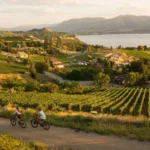






































In the rolling foothills of the Santa Ynez and San Rafael mountains, a revolution is quietly unfolding. Far from the rigid traditions of Bordeaux or the established prestige of Napa Valley, the winemakers of Santa Barbara County have cultivated what they affectionately call the "Wild West" of American viticulture. Here, the vine is not just a commodity; it is a canvas, and the winemaker is as much an artist and explorer as they are a steward of the land.
As a sommelier, I have traversed countless vineyards, but few regions offer the sheer latitude for experimentation found here. Santa Barbara Wine Country is a rare alchemy of geography and liberty, where a cooling Pacific current—traveling all the way from the Gulf of Alaska—collides with east-to-west mountain ranges, creating a climate that is, quite simply, unparalleled in the domestic wine scene.
The Geography of Innovation: Defining the AVAs
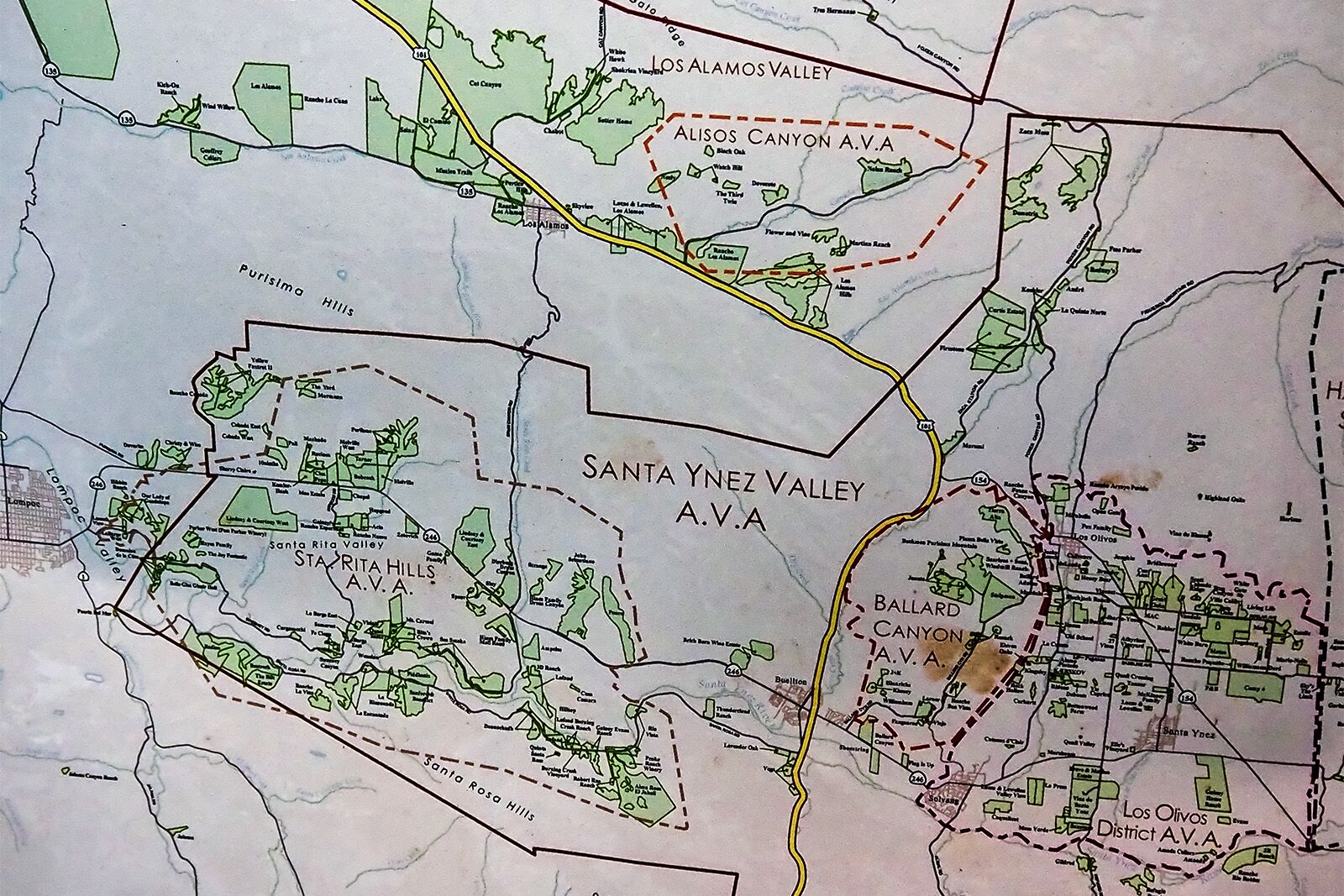
To understand Santa Barbara’s rise, one must first look at its map. The region is home to seven official American Viticultural Areas (AVAs), each defined by its proximity to the ocean and its unique soil composition. These include the Santa Maria Valley (California’s second-oldest AVA), Sta. Rita Hills, Ballard Canyon, Happy Canyon, Los Olivos District, Santa Ynez Valley, and Alisos Canyon.
Because these valleys run east-to-west, they act as funnels for the maritime air. This "cooling influence" creates an extended ripening season that is the secret weapon of local winemakers. While other regions might rush to harvest before the heat spikes, Santa Barbara’s grapes linger on the vine, developing complex tannins, vibrant acidity, and a flavor profile that ranges from the crisp, mineral-driven Chardonnays of the coast to the deep, spicy Syrahs of the interior.
Chronology of a Perfect Weekend
For the oenophile, the region is a playground. While a lifetime could be spent exploring its 250-plus wineries, a well-planned long weekend offers a masterclass in Central Coast terroir.
Day 1: The Urban Pulse of the Funk Zone
Your journey begins in the city of Santa Barbara, specifically the "Funk Zone." Once a gritty warehouse district, this neighborhood has been reclaimed by the Urban Wine Trail. It is a sensory experience: street art and iconic murals frame tasting rooms that bring the rural bounty of the county directly to the city’s doorstep.
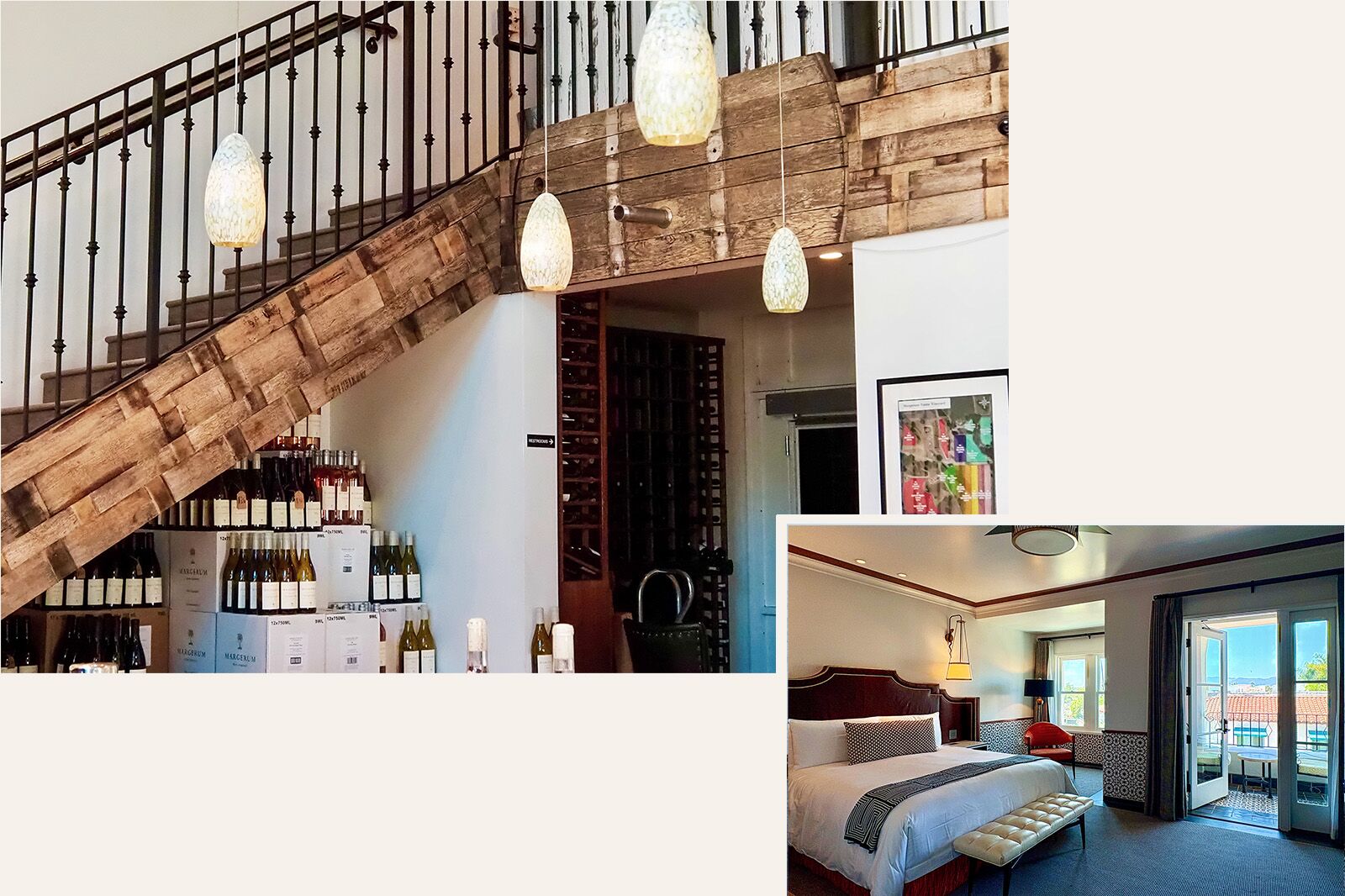
A mandatory stop is the Margerum Santa Barbara Tasting Room. Sitting at a marble bar, one can trace the evolution of the region through a seasonal flight. Dinner should be anchored in the "hyperlocal" ethos of the area, specifically at Blackbird within the Hotel Californian. Their focus on regional ingredients—from bone marrow with pickled mustard seeds to locally sourced citrus—is a testament to the sophistication of the Santa Barbara food scene.
Day 2: The Cool-Climate Mastery of Sta. Rita Hills
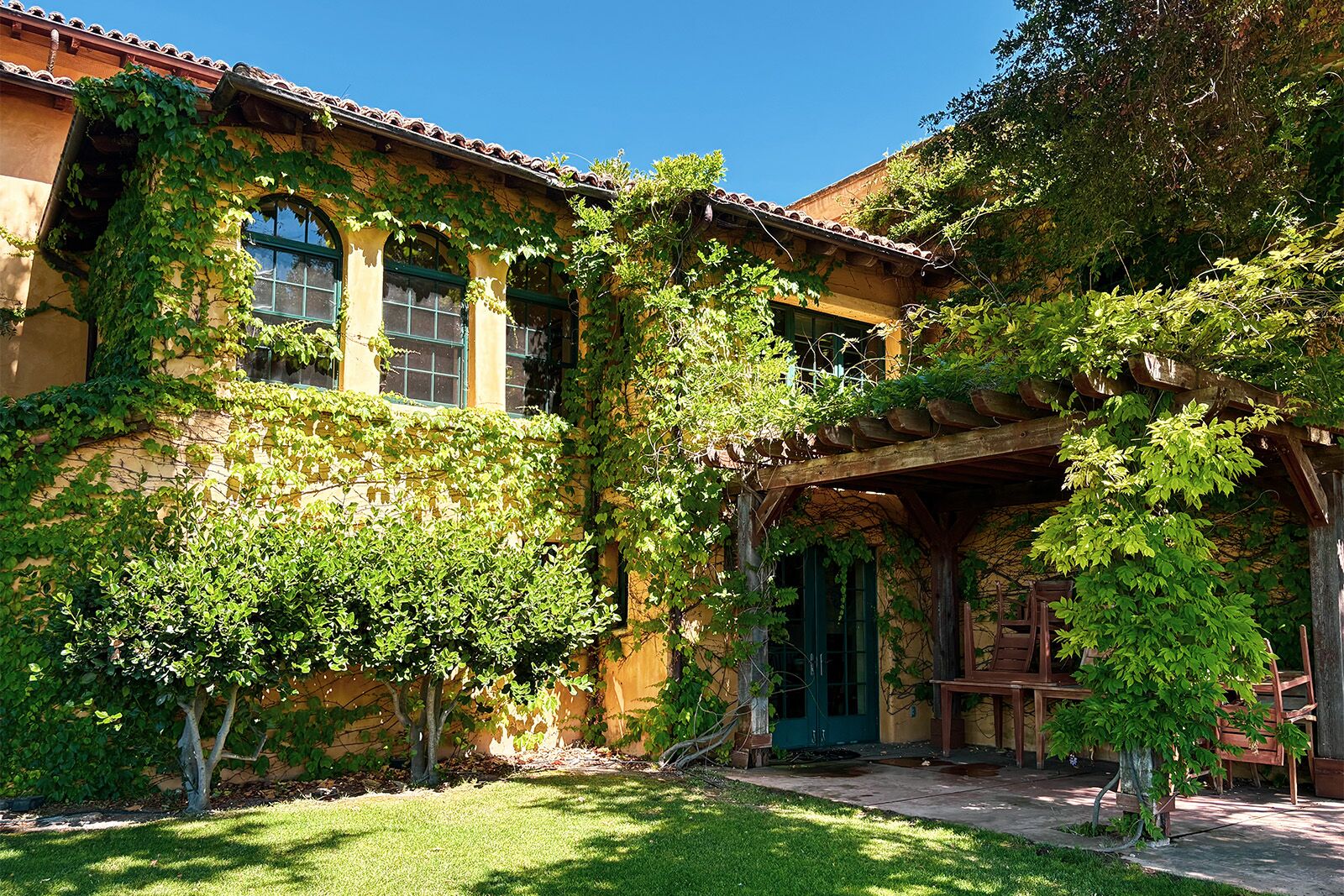
Traveling 45 minutes northwest, you enter the heart of the wine country. In the Sta. Rita Hills, the influence of the ocean is palpable. At Melville Winery, the architecture feels like a European villa, yet the soul is pure California. Here, the morning fog and maritime winds allow for a slow, steady ripening. During my visit, the 2024 Estate Pinot Noir revealed a complexity—notes of sage, white pepper, and wild rose—that serves as a benchmark for the region.
As you head east toward the Ballard Canyon AVA, lunch at The Hitching Post II in Buellton is essential. This is the birthplace of Santa Maria-style barbecue, where the scent of red oak smoke is a permanent fixture of the landscape. Pairing a thick, perfectly charred sirloin with a locally produced Piquette or Pet-Nat is a reminder that the region is not afraid to push boundaries.
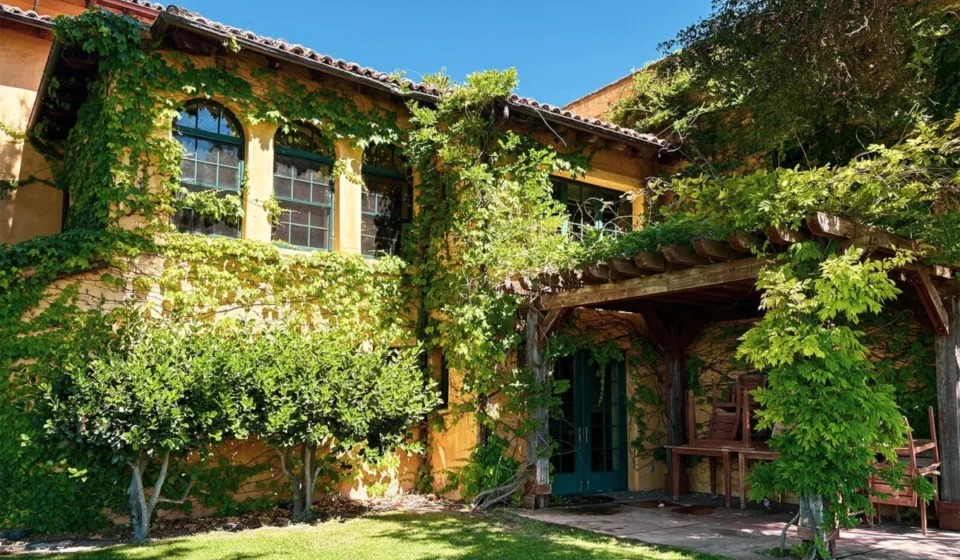
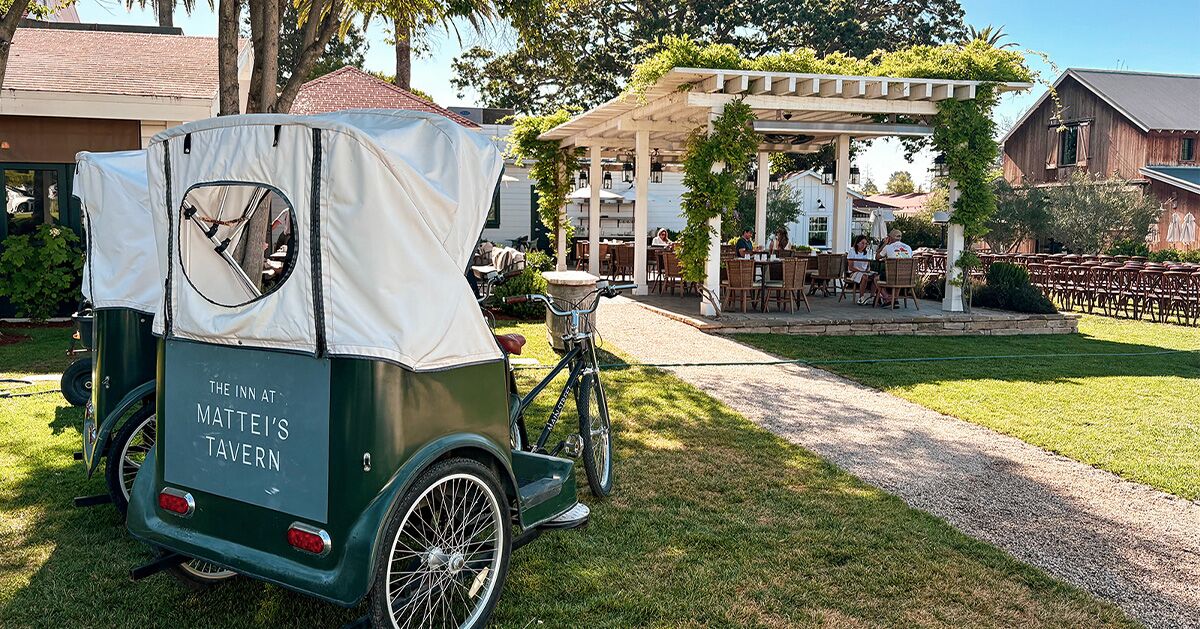
The day concludes in the Los Olivos District at Carhartt Family Wines. This 100% direct-to-consumer operation, housed in a charming wooden cabin, embodies the "family-first" spirit of the county. Staying overnight at The Inn at Mattei’s Tavern—a historic stagecoach stop turned luxury retreat—rounds out the experience, offering a glimpse into the region’s Prohibition-era past.
Day 3: Heritage and Sustainability in Santa Maria
The northern reaches of the Santa Maria Valley offer a glimpse into the generational dedication of the local farmers. Meeting James Ontiveros at Ranchos de Ontiveros is a lesson in legacy. As he pours Pinot Noir from the back of his truck, you realize this is not just business; it is stewardship. His ambition to see this land designated as a UNESCO World Heritage site speaks to the deep reverence winemakers hold for their alluvial soils.
Nearby, Presqu’ile Winery provides a masterclass in sustainability. Their SIP-certified (Sustainability in Practice) practices—utilizing cover crops like triticale and avoiding herbicides—show a forward-thinking approach to environmental health. Ending the trip in the frontier town of Los Alamos, with its historic facades and the Michelin-starred Bell’s Restaurant, confirms that Santa Barbara has moved beyond its "hidden gem" status to become a powerhouse of global gastronomy.
Supporting Data: The Science of the "Wild West"
The success of the Santa Barbara region is rooted in hard data. The "cooling influence" mentioned by local viticulturists is backed by meteorological evidence. The unique east-west orientation of the Santa Ynez Mountains allows the cold air from the Pacific to penetrate deep into the valley floor.
- Temperature Gradient: On average, temperatures rise by approximately one degree for every mile moved inland from the coast. This creates a spectrum of microclimates, allowing for the successful growth of cool-climate Pinot Noir and Chardonnay near the ocean, while hardy Cabernet Sauvignon and Grenache thrive in the warmer eastern pockets.
- Harvest Longevity: Many local wineries delay harvest until mid-October, a feat impossible in hotter climates where sugar spikes necessitate early picking. This "hang time" is directly responsible for the region’s signature balance of high acidity and phenolic ripeness.
Official Perspectives: The Winemaker’s Voice
The sentiment among the local winemaking community is one of collaborative competition. Sonja Magdevski, winemaker and founder of labels like The Feminist Party, emphasizes that the freedom to explore is what attracts top-tier talent to the Central Coast.
"We are not bound by the centuries of rules that dictate what you must plant in a specific French village," says one local vintner. "Here, if the soil speaks to us, we listen. If the climate supports a new varietal, we plant it. That’s the freedom of the Wild West."
This sentiment is echoed by the team at Presqu’ile, who view their role as both viticulturalists and ecological guardians. Their commitment to bird-friendly habitats and natural pest management is not just a marketing angle—it is a philosophical necessity to preserve the land for the next generation of Ontiveros-style generational farmers.
Implications: A Region in Transition
The implications of Santa Barbara’s growth are significant. As the region gains international acclaim, the balance between development and preservation becomes critical. The efforts by figures like James Ontiveros to secure heritage status suggest that the region is conscious of its vulnerability to over-commercialization.
Furthermore, the shift toward sustainable and organic farming sets a standard for the rest of the United States. Santa Barbara is proving that "fine wine" and "environmental responsibility" are not mutually exclusive. The rise of the Urban Wine Trail also suggests a shift in the wine tourism model, where consumers are increasingly looking for accessible, city-based experiences that act as gateways to the rugged, untamed landscapes of the interior.
As you conclude your tour, whether you are sipping a crisp Chardonnay on a rooftop in Santa Barbara or enjoying a glass of Syrah in the rustic shade of an oak tree in Los Alamos, one thing is clear: Santa Barbara Wine Country is no longer a secret. It is a sophisticated, evolving, and essential chapter in the story of American wine.