















































This article was originally published by The Daily Yonder.
In the quiet corridors of rural medical clinics across Minnesota, a quiet revolution in preventative care is taking hold. A pioneering research project, spearheaded by the Masonic Cancer Center at the University of Minnesota, is fundamentally changing how healthcare providers approach lung cancer screening. By shifting the responsibility from the patient to the entire clinic staff, researchers hope to dismantle the barriers that have historically left rural populations vulnerable to late-stage cancer diagnoses.
The Urgency of Early Detection
Lung cancer remains a formidable health challenge, particularly in non-metropolitan areas. Dr. Abbie Begnaud, a leading pulmonologist and associate professor at the University of Minnesota Medical School, emphasizes the stark reality of the disease: "Anybody with lungs can get lung cancer, and, when found early, lung cancer survival rates can reach 80% to 90%."
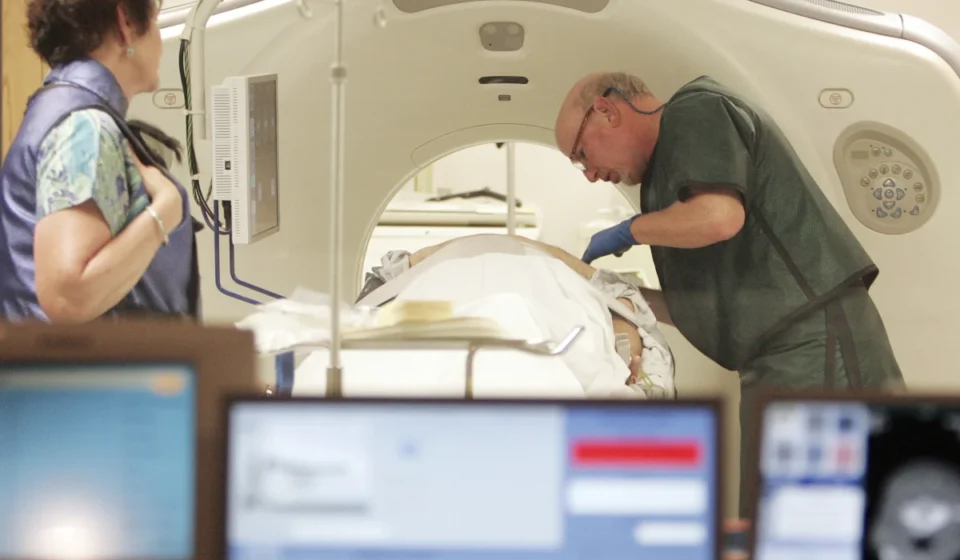
Despite these promising outcomes for early-stage detection, the utilization of screening services remains alarmingly low. Currently, less than 20% of eligible Minnesotans undergo the recommended annual low-dose computed tomography (LDCT) scans. This gap between the potential for survival and the reality of clinical practice is the primary driver behind the University of Minnesota’s new pilot program, which is currently collaborating with the Minnesota Cancer Clinical Trials Network.
Chronology of a Public Health Challenge
The struggle against lung cancer in rural America is not a new phenomenon, but the approach to solving it is evolving. For decades, the primary strategy involved public service announcements and aggressive anti-smoking campaigns. While these efforts successfully reduced national smoking rates, they inadvertently created a complex secondary problem: the profound stigmatization of smokers.
The Evolution of Advocacy
In the late 20th and early 21st centuries, the medical community focused heavily on cessation. While cessation remains critical, the public messaging—often centered on the dangers of tobacco—began to alienate those who were currently smoking or who had a long-term history of use.
By the mid-2010s, researchers began to realize that the "shame factor" was actively preventing high-risk individuals from seeking preventative screenings. Patients who felt judged by the medical establishment were less likely to disclose their smoking history or follow through on physician recommendations.
In 2023 and 2024, data from the American Lung Association and the U.S. Surgeon General began to crystallize the extent of the divide. The reports highlighted that rural residents do not just smoke at higher rates—15.4% compared to 10.1% in urban areas—but they also face systemic obstacles, such as longer travel times to imaging centers, lack of specialized care, and lower rates of successful cessation attempts.
In response, the current initiative was launched to move beyond awareness and toward "actionable infrastructure." The project transitioned from a theoretical study into a clinical pilot program across six rural primary care clinics, testing a "whole-of-office" workflow designed to normalize the screening conversation.
Supporting Data: The Rural-Urban Divide
The statistics provided by the U.S. Surgeon General’s 2024 report paint a sobering picture of health inequity. The disparities are not merely geographic; they are structural and behavioral.
Key Demographic Disparities
- Smoking Prevalence: Rural adults in the Midwest and Southeast are 40% more likely to smoke than their counterparts in the Northeast and West.
- Consumption Rates: Rural smokers are more likely to be "heavy" users, averaging 15 or more cigarettes per day.
- Generational Patterns: Youths in rural settings are starting earlier and transitioning to daily smoking at a higher frequency than urban youth.
- Cessation Hurdles: Rural smokers have lower "quit ratios" and lower success rates for past-year quit attempts.
The Surgeon General notes that these factors lead to a higher mortality rate from tobacco-related diseases in rural counties. When these statistics are layered over the existing "screening desert"—where imaging centers may be hours away—the result is a perfect storm of late-stage diagnosis.
The "Whole-of-Office" Model: A Strategic Shift
The pilot program led by Dr. Begnaud addresses the "last mile" problem of healthcare: the moment a patient leaves the doctor’s office. Historically, a physician might mention the need for a lung screening during a busy 15-minute appointment, hand the patient a brochure, and expect them to navigate the scheduling process.
For many, this is where the process breaks down. "By invoking a whole-of-office approach," Dr. Begnaud explains, "it’s possible to get the appointment scheduled while they are in the office instead of forcing patients to navigate the process alone."
How the Workflow Works
The pilot program integrates the screening process into the clinic’s standard operating procedures:
- Identification: Every member of the clinic staff, from the front desk to the nurse, is trained to identify patients who meet the criteria (age 50+, history of heavy smoking).
- Education: Staff members are trained to communicate the need for screening without judgment, focusing on the 80% to 90% survival rate of early detection.
- Scheduling: The clinic staff facilitates the booking of the imaging appointment before the patient leaves the building, removing the administrative burden from the patient.
This systemic change resulted in a 30% increase in screening orders during the pilot phase. While Dr. Begnaud remains humble about the data set, the results provide a clear roadmap for scalability.
Official Responses and Professional Insights
Dr. Begnaud, reflecting on the human impact of this research, notes that the clinical team’s enthusiasm was a surprising and heartening finding. "In the clinics that we’ve worked in, the entire clinic teams were excited to learn more about it," she notes.
The psychological component remains the most delicate aspect of the program. Dr. Begnaud believes that for rural screening to be effective, clinicians must "decouple the kind of shame or blame that goes along with smoking." When patients feel that their doctor is a partner rather than a judge, they are significantly more likely to engage with the preventative care process.
"Every time I see somebody who comes to me who should have been screened and wasn’t, and now they have a stage 3 or a stage 4 lung cancer, it motivates me to get up and work harder tomorrow," says Dr. Begnaud.
Implications for the Future of Rural Health
The success of this pilot in Minnesota suggests a broader application for rural health systems nationwide. As the project moves toward statewide trials, the implications are significant:
- Standardization of Care: By standardizing the identification and scheduling process, clinics can reduce the human error that leads to missed screening opportunities.
- Resource Optimization: Efficiently using current infrastructure, such as local imaging centers, allows for better healthcare delivery without the need for massive capital investment.
- Cultural Shift in Medicine: The model demonstrates that medical education for staff is just as vital as technological advancements. Training staff to handle sensitive conversations about smoking can transform a clinic into a more inclusive and effective environment.
A Path Forward
The next phase of the research will focus on expanding to a larger number of clinics to gather the statistical power necessary to prove that this approach is the gold standard for rural oncology prevention. If the 30% increase in screening orders holds true on a larger scale, it could translate into thousands of lives saved annually across the Midwest.
The work being done at the Masonic Cancer Center serves as a reminder that healthcare access is not just about having a hospital nearby—it is about the systems and workflows that connect a patient to the care they need. By empowering the entire clinic team to take ownership of the screening process, Minnesota is building a model that may well redefine rural oncology, turning a fatal diagnosis into a manageable, early-stage intervention.
For the rural residents who have long felt ignored by the healthcare system, this initiative represents more than just a medical scan; it represents a commitment to their longevity and a move away from the stigma that has, for too long, defined their relationship with the medical community.