




















































The Ultimate Safari Guide: Navigating Kenya’s National Parks and Reserves in the Autumn Season

Kenya, widely revered as the "Pride of Africa," remains the definitive destination for those seeking a connection with the natural world. While the country is famous for its iconic savannahs, its geography is a diverse tapestry of volcanic craters, dense montane forests, and pristine coastal reefs. For the modern traveler, the distinction between a "National Park" and a "National Reserve" is vital: while parks are generally managed by the national government, reserves often sit on community-owned land, fostering a collaborative management style that integrates the indigenous population—such as the Maasai—directly into the conservation and economic benefits of the region.
As autumn approaches—spanning the months of September through November—the environmental conditions shift, offering distinct opportunities for wildlife enthusiasts, photographers, and adventurers. Choosing the right destination requires a strategic approach, balancing species interest, desired activity levels, and seasonal climate patterns.
Main Facts: Understanding the Seasonal Shift
Kenya’s autumn is a period of transition. September is arguably the most reliable month for traditional game viewing, characterized by dry, sunny days that force wildlife to congregate around permanent water sources, making sightings predictable and frequent. As October progresses, the landscape begins to soften, and by November, the "short rains" arrive. While these rains bring potential mud and logistical challenges, they also rejuvenate the ecosystem, turning the savannahs a vibrant green and significantly increasing bird activity.
For the traveler, this season offers a "Goldilocks" window: the peak crowds of the summer have largely dissipated, and the high-season price tags begin to moderate, providing a more intimate and budget-friendly experience.
Chronology of the Autumn Safari Experience
September: The Peak of Dry-Season Wildlife
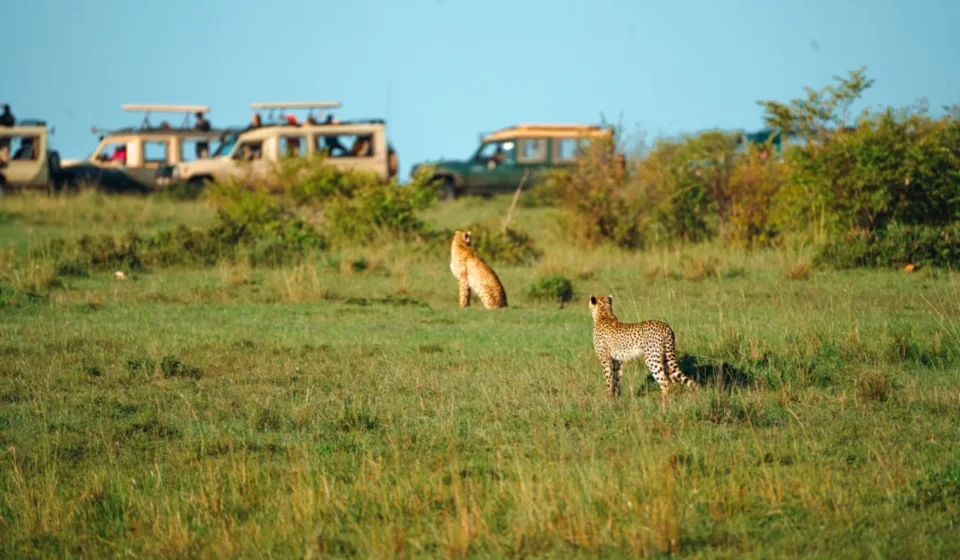
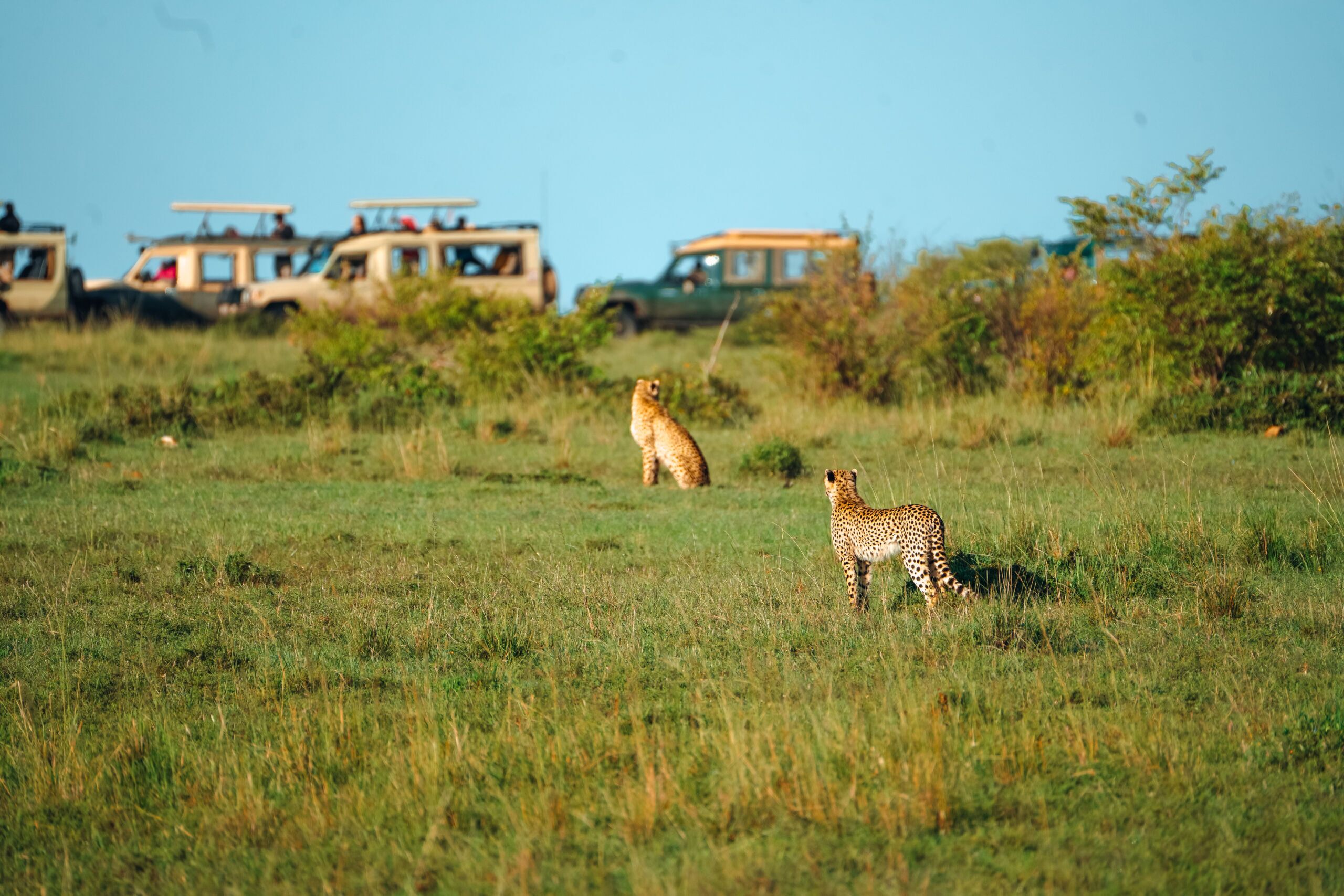
September is defined by clarity and concentration. The grass is low, the roads are firm, and the lack of foliage makes the Big Five—lion, leopard, elephant, buffalo, and rhinoceros—easier to track. This is the prime time for the Maasai Mara, where the tail end of the Great Migration often lingers, providing dramatic predator-prey interactions.
October: The Transitional Sweet Spot
October serves as a bridge. The weather is unpredictable, with clouds building and intermittent showers refreshing the dust-choked plains. For photographers, this is a golden period; the sky becomes a dynamic backdrop, and the first hints of new growth offer striking color contrasts. Prices are generally lower than in the height of the summer, and the atmosphere in camps is notably more relaxed.
November: The Green Season Awakening
November marks the arrival of the short rains. While the downpours are typically brief and intense, they catalyze a dramatic shift in animal behavior. Newborns emerge, and the birdlife, particularly migratory species, becomes spectacular. Travelers who do not mind the occasional muddy track will find themselves rewarded with lush landscapes and a profound sense of solitude.
Regional Spotlights: Top Parks and Reserves
Amboseli National Park: The Land of Giants
Renowned for its unparalleled views of Mount Kilimanjaro, Amboseli is best experienced in September and early October. The permanent marshes act as a magnet for massive elephant herds. Unlike parks focused on the "Big Five" checklist, Amboseli offers a slower, more contemplative experience, where the scale of the wildlife against the backdrop of the world’s tallest free-standing mountain creates a visual spectacle unlike any other.
Aberdare National Park: The Wilderness Retreat
For those seeking an alternative to the open plains, the Aberdares offer a cool, atmospheric escape. Characterized by montane forests and deep ravines, it is a haven for the elusive bongo and giant forest hogs. A stay at The Ark, a unique lodge overlooking a floodlit waterhole, allows for nocturnal wildlife observation from the comfort of a photographic hide, providing an intimate look at forest creatures that are rarely seen in the savanna.
Lake Nakuru National Park: A Study in Color
Famous for its namesake lake, Nakuru is a reliable choice throughout the entire autumn season. It remains a global focal point for flamingo populations, though it is equally vital for rhino conservation. Its compact size ensures that visitors can witness both rhinos and flocks of birds within a single day of game driving, making it an efficient choice for those on shorter itineraries.
Nairobi National Park: The Urban Safari
Perhaps the only place on earth where you can photograph a lion with a skyscraper in the background, Nairobi National Park is an accessible marvel. Its proximity to the capital makes it an ideal "last-day" activity. September offers the driest conditions, while November brings lush scenery, ensuring a high-quality experience regardless of the month.
Hell’s Gate National Park: Active Exploration
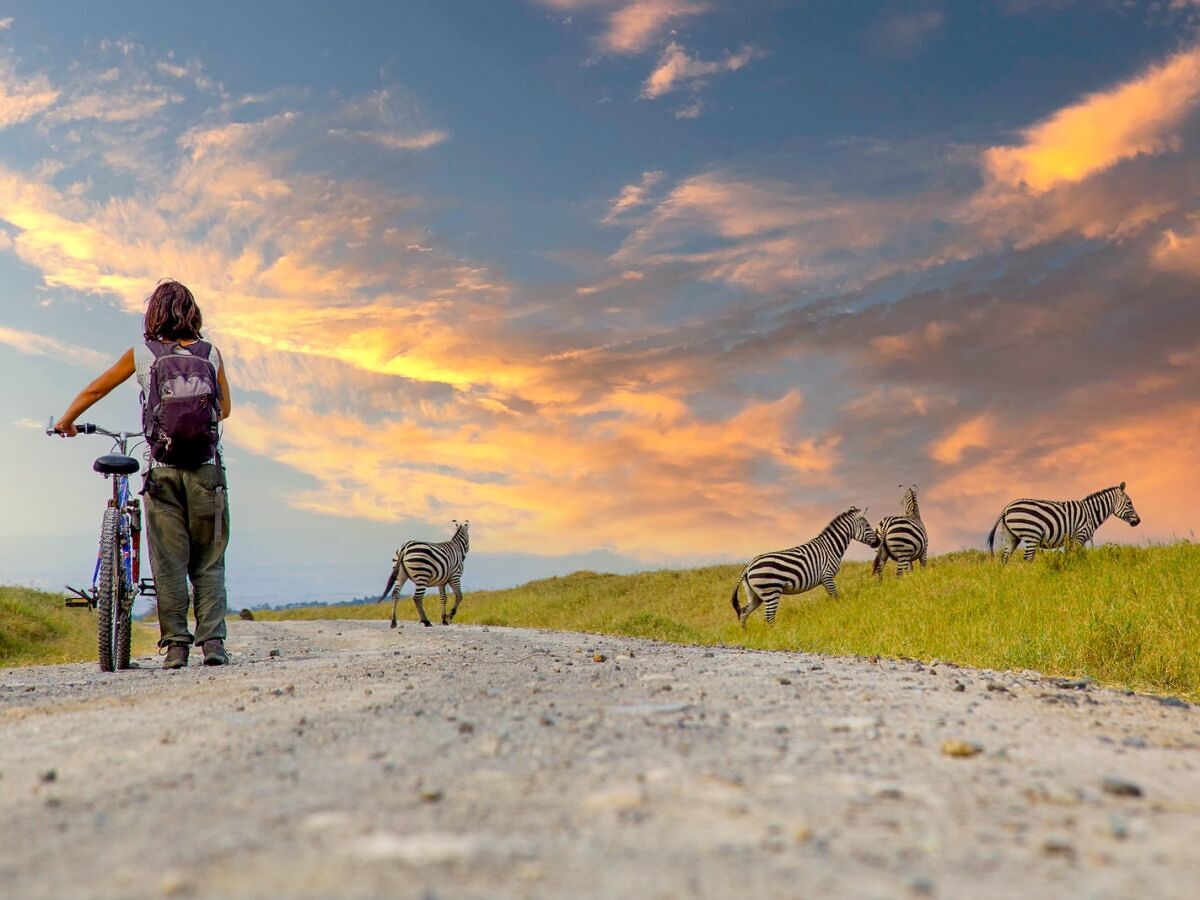
Breaking the mold of the "safari car" experience, Hell’s Gate is designed for movement. September and October provide the ideal dry conditions for cycling through the park. Navigating past zebras and giraffes on a mountain bike, coupled with hiking through geothermal vents and volcanic gorges, offers a level of physical engagement absent in traditional reserves.
Maasai Mara National Reserve: The Global Icon
The Mara remains the gold standard. Whether the Great Migration is at its height or in a quieter lull, the concentration of predators here is unmatched. The region’s strength lies in its surrounding conservancies, which allow for activities prohibited in the main reserve, such as night drives, guided bush walks, and direct community-led conservation projects.
Samburu National Reserve: The "Special Five"
Located in the arid north, Samburu is visually distinct from the southern parks. The Ewaso Nyiro River acts as a lifeline, drawing in the "Samburu Special Five": the Grevy’s zebra, reticulated giraffe, gerenuk, Beisa oryx, and Somali ostrich. The rugged, rocky terrain provides a dramatic contrast to the lush Mara, offering a unique aesthetic for seasoned safari-goers.
Kakamega Forest: The Rainforest Oasis
Kakamega represents the final fragment of the Guineo-Congolian rainforest in Kenya. Here, the focus shifts to colobus monkeys, rare bird species, and botanical diversity. It is the perfect destination for the "slow traveler" who prefers to explore on foot rather than by vehicle.
Watamu Marine National Park: The Coastal Frontier
For those who prefer salt water to savanna, Watamu is a coastal sanctuary. By November, the marine life—from sea turtles to coral reef residents—is highly active. Engaging in local conservation efforts, such as sea turtle monitoring, provides a meaningful way to contribute to the preservation of Kenya’s fragile marine ecosystems.
Supporting Data and Strategic Considerations
When planning an autumn safari, logistics remain the primary factor. While the "short rains" are generally manageable, travelers should note the following:
- Accessibility: Major parks like the Mara and Amboseli are well-serviced by regional flights, which are recommended in November to avoid potentially hazardous road conditions.
- Budgeting: September represents the tail end of the high season; October and November offer significant savings on accommodation, often ranging from 20% to 40% lower than peak July rates.
- Voluntourism: Many conservancies, particularly around the Mara and in Watamu, offer structured opportunities for guests to assist in habitat restoration and wildlife monitoring, turning a vacation into a meaningful contribution to local conservation efforts.
Official Perspectives and Conservation Implications
Kenya’s Wildlife Service (KWS) and local community conservancies have increasingly emphasized the "shared management" model. This approach is not merely a logistical preference; it is an economic necessity. By involving the Maasai and Samburu people in the management of the land, the reserves ensure that the benefits of tourism reach the communities living alongside wildlife. This, in turn, reduces human-wildlife conflict and ensures the long-term viability of the ecosystems.
Conservationists note that the influx of "off-season" travelers in October and November is vital for maintaining year-round support for these programs. By spreading out the tourism load, the country reduces the environmental pressure on sensitive habitats during the peak months while ensuring that the infrastructure and staff in remote lodges remain supported throughout the year.
Final Thoughts: The Traveler’s Mandate
Kenya is a destination that demands research and intention. Whether you are seeking the high-adrenaline spectacle of the Maasai Mara, the serene birding trails of Kakamega, or the volcanic cycling routes of Hell’s Gate, the autumn months provide a window of opportunity to see the country at its most authentic.
The choice of where to go depends less on the "best" park and more on the kind of traveler you are. If you crave the classic, fast-paced game drive, the southern reserves are your destination. If you seek solitude, cultural immersion, or active adventure, the northern reserves and coastal regions offer a more tailored experience. By choosing to visit in the autumn, you are not only securing a better value for your travel budget; you are participating in a more sustainable, balanced model of tourism that keeps the "Pride of Africa" wild for generations to come.