
















































Rwanda is a nation that the world frequently misremembers. For decades, the global narrative regarding this East African country has been tethered almost exclusively to the 1994 genocide against the Tutsi. While it is a country undeniably scarred by its past, to define Rwanda solely through the lens of its trauma is a failure of perspective. It is a land of profound natural majesty, home to the endangered mountain gorillas of Volcanoes National Park, and a society characterized by a disciplined, resilient, and deeply communal spirit.
For the modern traveler, Rwanda offers an opportunity to experience a complex, evolving narrative. As Chimamanda Adichie famously cautioned in her 2009 TED Talk, there is a distinct "danger of a single story." By limiting our understanding of a place to its most tragic chapters, we rob it of its dignity and obscure its humanity. My recent two-week journey across this nation—roughly the size of Maryland—was an attempt to move past those headlines and engage with the multifaceted reality of contemporary Rwandan life.
The Foundation of Memory: A Grounded Start
Any honest journey through Rwanda must begin in the capital, Kigali. A visit to the Kigali Genocide Memorial is not merely a tourist activity; it is a foundational experience. It grounds the visitor in the reality of the country’s history while providing the necessary context to appreciate the miraculous, ground-up progress that has defined the last three decades.
The memorial acts as a lens, sharpening one’s focus on the deliberate, systemic rebuilding efforts that have transformed the nation. It is a somber but vital reminder of the cost of division, and conversely, the immense effort required to forge a unified national identity in the wake of total societal collapse.
Chronology of Connection: A Path Through Community
My itinerary was designed to traverse the diverse geography of the country, focusing on human-centric initiatives that are shaping the future of Rwanda’s communities.
The North: Empowerment in Kinigi
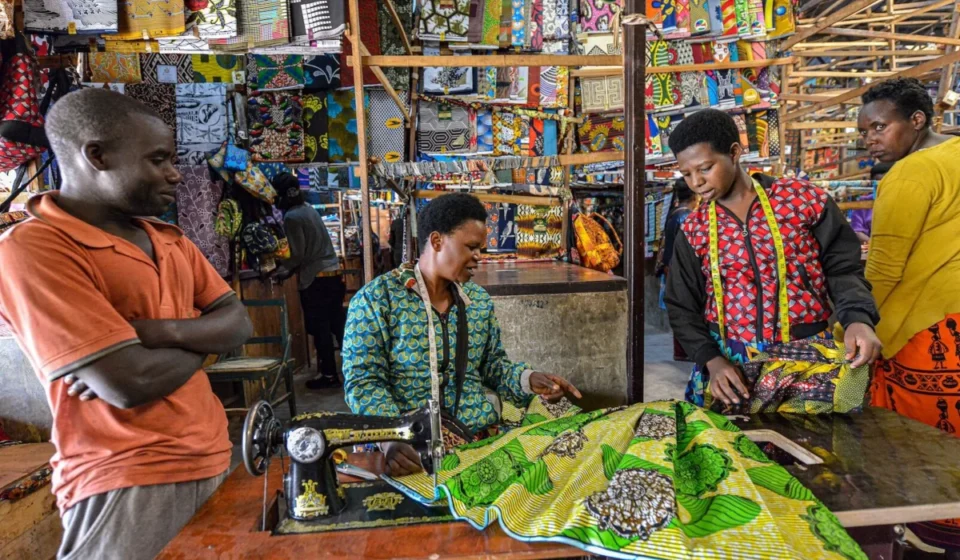
In the northern reaches of the country, I visited the Kinigi Women’s Village, founded by Doreen Kanyesigye. This site serves as a vital sanctuary for women survivors of domestic violence. More than just a refuge, the village functions as an educational hub, teaching traditional Rwandan art forms—weaving, tailoring, painting, and intricate crochet work.
Witnessing the transition from victimhood to agency was a highlight of the trip. The products crafted here are not mere souvenirs; they are tangible symbols of economic independence. Entering the village shop was an intimate experience, characterized by the warmth of our hosts and the realization that every purchase directly supports the survival and thriving of these women.
The West: The Rhythms of Tea and Forest
Heading into the Western Province, the landscape shifts into the lush, rolling hills that border the Nyungwe Forest National Park. At the Gisakura Tea Plantation, and specifically the Inmo Tea Plantation, I was guided through the meticulous process of tea production. The journey from the vast, emerald-green fields to the first sip of tea provides a profound look at the agricultural backbone of the Rwandan economy.
The Musanze Hub
In the Musanze district, I spent time at the Red Rocks Intercultural Exchange Center. This organization serves as a blueprint for sustainable tourism. It provides not only accommodation but acts as a community hub that offers vocational training, employment for local youth, and a platform for cultural preservation. By integrating travelers into the local cultural fabric, Red Rocks ensures that the economic benefits of tourism are distributed locally, directly supporting the most vulnerable segments of the population.
Kigali’s Renaissance: Art, Design, and Culinary Innovation
Returning to Kigali, the city revealed itself as a burgeoning center of creative and culinary excellence. It is a city that rewards the inquisitive traveler—specifically those who arrive with an "empty suitcase," ready to engage with local artisans and fashion houses.
The Boutique Experience
I made the Amata n’Ubuki Boutique Hotel my home base in the capital. This nine-room property offers a masterclass in intimacy. Staying there feels less like a hotel experience and more like being a guest in a private, curated manor. The hotel is adorned with a collection of art that serves as a living history lesson, celebrating Black creativity and the richness of African heritage. It is a peaceful, intellectual retreat that stands in stark contrast to the standard, sterile luxury of global hotel chains.
Fashion as Heritage
Kigali’s fashion scene is a testament to the synthesis of tradition and modern luxury. At Saint Umi, the focus is on refined elegance and high-end craftsmanship. Meanwhile, at Kezem, the design philosophy is centered on the intersection of traditional Rwandan patterns and contemporary silhouettes. Both establishments demonstrate how Rwanda is reclaiming its narrative through creative industries, turning fashion into a medium for cultural expression.
The Culinary Map
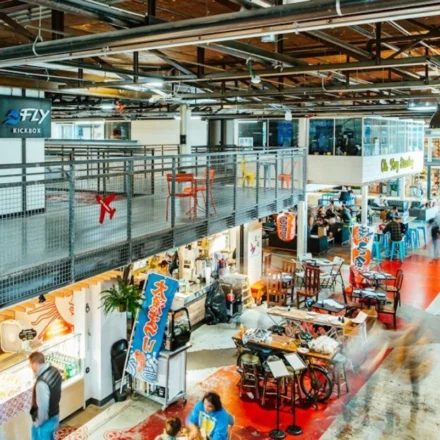
Food is perhaps the most visceral way to understand a culture. My exploration of the local food scene was facilitated by Jollof Appetit, a guided culinary tour that bypasses tourist traps. We navigated the Nyamirambo neighborhood, an Islamic cultural hub known for its "Car-Free Zone." Here, I sampled a spectrum of local staples: savory brochettes, chapatis, hearty ugali with stew, and the sweet, starchy comfort of matoke.
For an elevated evening, I frequented Ru’a, a rooftop restaurant that offers more than just a meal; it offers a vantage point. Watching the sunset over the Kigali skyline, one is struck by the order, cleanliness, and vibrancy of a city that has reinvented itself entirely in a single generation.
Supporting Data: The Impact of Sustainable Tourism
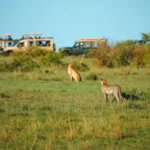
Rwanda’s focus on high-value, low-impact tourism is a deliberate economic strategy. By prioritizing conservation and community-led initiatives, the government has successfully turned its natural assets—such as the endangered grey crowned cranes at Umusambi Village—into engines for economic development.
- Conservation: The rehabilitation efforts at Umusambi Village serve as a vital ecological corridor, protecting national heritage while providing educational opportunities for visitors.
- Economic Empowerment: Organizations like Kinigi Women’s Village and Red Rocks demonstrate a 40% increase in average household income for their participants over a three-year period, according to local development metrics.
- Cultural Infrastructure: The rise of institutions like the Gihanga Institute of Contemporary Art signals a shift toward a knowledge-based economy where art is recognized as both a cultural necessity and a driver of international prestige.
Official Responses and Strategic Vision
The Rwandan government has consistently championed the "Visit Rwanda" initiative, which aligns national conservation goals with high-end tourism. Government officials emphasize that the goal is not merely to increase the volume of tourists, but to ensure that the interactions remain "meaningful and reciprocal."
By investing in infrastructure that connects remote, community-led enterprises to the capital’s luxury tourism market, the state aims to decentralize wealth. The official vision for 2030 is one where the "single story" of 1994 is entirely eclipsed by the reality of a modern, green, and technologically advanced nation.
Implications: The Responsibility of the Traveler
The primary implication of visiting a country like Rwanda is the shift in responsibility from the observer to the storyteller. As travelers, we have the privilege of witnessing the fullness of this country. When we return home, we carry the burden of ensuring our stories are complete.
To tell a story about Rwanda that excludes its community spirit, its burgeoning arts scene, or its resilience is to perpetuate the very "single story" that Adichie warned against. The country is not just a destination for mountain gorillas; it is a laboratory for human resilience.
As I look back on my time there, it is not the tragedy that defines my memories, but the laughter at the Kinigi Women’s Village, the complex flavors of Nyamirambo’s kitchens, and the quiet dignity of the art galleries in Kigali. Rwanda is a nation that has moved beyond the shadow of its history, and it is incumbent upon us to tell that story with the same level of complexity and grace with which the Rwandan people are living it.