
























































As the frost of winter recedes and the landscape turns green, millions of Americans are drawn outdoors to enjoy the warming weather. However, this seasonal migration coincides with a rising biological threat: a booming population of ticks capable of transmitting Borrelia burgdorferi, the bacterium responsible for Lyme disease. With the 2026 tick season already showing alarming signs of increased human interaction, health experts are sounding the alarm on a public health crisis that is expanding in both geography and severity.
Main Facts: A Growing Public Health Challenge
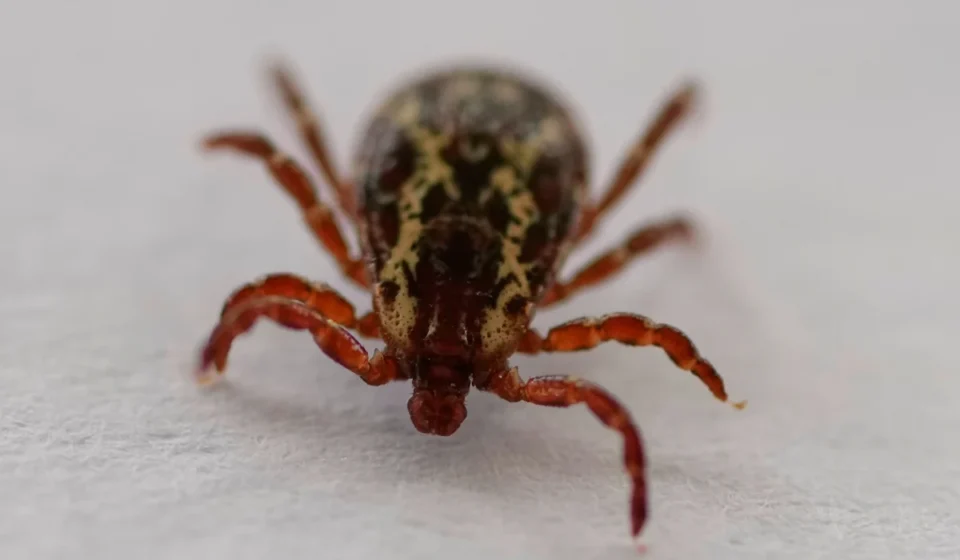
Lyme disease, first identified in the town of Old Lyme, Connecticut, in 1975, has evolved from a localized medical curiosity into a nationwide epidemic. The primary vector for the disease is the deer tick (or black-legged tick), which acquires the Borrelia bacteria by feeding on infected reservoir hosts, such as white-footed mice and birds.
The mechanism of transmission is deceptively simple but requires time. A tick must typically remain attached to a human host for 24 to 48 hours to successfully transmit the pathogen into the bloodstream. Because these ticks are often no larger than a sesame seed and their bites are frequently painless, many individuals remain unaware they have been exposed until symptoms manifest.
The clinical presentation of Lyme disease is diverse. In the early stages, patients often report flu-like symptoms—fever, chills, extreme fatigue, and muscle aches. The hallmark sign, a "bull’s-eye" rash known as erythema migrans, occurs in approximately 70% to 80% of cases. Despite these indicators, the disease is notoriously difficult to diagnose in its infancy, leading to frequent underreporting and delayed treatment.
Chronology of a Rising Crisis
The trajectory of Lyme disease in the United States has been one of steady, relentless escalation:
- 1975: The first cluster of cases is identified in Connecticut, linking mysterious pediatric arthritis to tick bites.
- 1995–2020: Over a quarter-century, the incidence of reported Lyme disease cases has nearly doubled, fueled by warming climates and the encroachment of residential developments into natural tick habitats.
- 2023: Official state health departments reported over 89,000 confirmed cases. However, data modeling by the Centers for Disease Control and Prevention (CDC) suggests that the actual number of annual infections is closer to 500,000, highlighting a massive gap in surveillance.
- April 2026: The CDC releases data indicating that emergency room visits related to tick bites have reached their highest levels since 2017, suggesting a particularly virulent season.
- March 2026: Pfizer and its partner Valneva announce positive late-stage clinical trial results for a new Lyme disease vaccine candidate, showing a 70% efficacy rate in preventing the disease.
Supporting Data: Why the Numbers Are Spiking
The surge in Lyme disease is not a random fluctuation; it is driven by complex ecological and climatic shifts.
Climate Change and Habitat Expansion
Warmer winters have allowed ticks to emerge earlier in the spring and remain active later into the autumn. In regions where freezing temperatures are becoming a rarity, ticks may remain active year-round. This extended window of opportunity for feeding significantly increases the probability of human-tick encounters.
The Ecological "Edge Effect"
As suburban sprawl pushes deeper into forests, human dwellings are increasingly situated at the intersection of woodland and lawn—the precise habitat where deer and mice thrive. This "edge effect" brings humans into constant, close contact with the primary hosts that sustain the tick life cycle. Studies indicate that as deer populations increase in these fragmented landscapes, the density of infected ticks rises correspondingly.
Geographic Spread
While the Northeast, mid-Atlantic, and Upper Midwest remain the epicenters, accounting for 90% of cases, the range of Ixodes ticks is shifting. Ticks are migrating into new territories, including parts of the Pacific Northwest, as changing rainfall patterns and temperature gradients make previously inhospitable environments suitable for colonization.
Official Responses and Medical Implications
Medical professionals are shifting their approach to Lyme disease, moving from a "wait-and-see" model to a more aggressive, preventative strategy.
The Diagnostic Dilemma
While blood tests for antibodies are standard, they are flawed. A negative result in the first few weeks of infection is common, as the body has not yet produced sufficient antibodies to be detected. Physicians are increasingly being trained to diagnose based on clinical signs—such as the bull’s-eye rash or exposure history—rather than waiting for laboratory confirmation, which could delay the critical early-stage antibiotic intervention.
Long-Term Sequelae
The danger of Lyme disease lies in its ability to become a systemic, chronic condition if left untreated. Roughly 60% of untreated patients will eventually develop Lyme arthritis, characterized by severe joint pain and swelling. In more complex cases, the bacteria can infiltrate the nervous system (neuroborreliosis) or the heart (Lyme carditis).
Even after a successful course of antibiotics, some patients suffer from "Post-Treatment Lyme Disease Syndrome." Researchers are still investigating why symptoms persist. Theories include the presence of residual bacterial cell wall fragments that trigger chronic inflammation, or the possibility that the infection triggers a secondary autoimmune response where the body’s immune system continues to attack its own tissues long after the pathogen has been eradicated.
The Promise of Vaccination
The recent news from Pfizer is the most significant development in Lyme prevention in decades. With a 70% efficacy rate in late-stage trials, the vaccine represents a potential turning point. However, public health experts emphasize that even if a vaccine is authorized, it will not be a "silver bullet." Prevention must remain the primary defense.
Strategies for Staying Safe
Until a vaccine becomes widely available and accessible, public health departments recommend a layered defense strategy to mitigate risk:
- Environmental Management: Create a "tick-safe zone" around your home. Keep grass mowed, remove leaf litter, and clear brush where ticks hide.
- Protective Clothing: When hiking or working in wooded areas, wear long sleeves and pants. Tucking pants into socks creates a physical barrier. Light-colored clothing makes it easier to spot ticks before they attach.
- Chemical Barriers: Use EPA-approved repellents containing DEET, picaridin, or oil of lemon eucalyptus. Permethrin-treated clothing provides an additional, highly effective layer of protection.
- The "Tick Check" Ritual: Upon returning indoors, perform a full-body scan. Ticks prefer warm, moist areas like the groin, armpits, and scalp. Showering within two hours of coming indoors can help wash away unattached ticks.
- Proper Removal: If you find a tick, use fine-tipped tweezers to grasp it as close to the skin as possible and pull upward with steady pressure. Do not twist or crush the tick, as this can force infected fluids into the wound. Clean the area thoroughly with rubbing alcohol or soap and water.
Conclusion: A New Normal
As the climate warms and the landscape changes, Lyme disease has transitioned from a niche medical issue to a pervasive environmental hazard. The rise in emergency room visits and the expansion of tick habitats serve as a clear indicator that public vigilance is no longer optional—it is a necessity.
By understanding the ecology of the tick, recognizing the symptoms of early infection, and employing rigorous prevention strategies, the public can navigate the spring and summer months with greater confidence. While science marches toward a vaccine, the most powerful tool in the fight against Lyme disease remains the informed, cautious, and proactive individual. As we continue to learn more about the true extent of this disease, one thing is certain: our relationship with the outdoors must be tempered by a respect for the invisible risks that hide in the tall grass.