











































The Minnesota Timberwolves concluded their 2025-26 season not with a whimper, but with a sobering, clarifying realization: they were simply not good enough. Across the physical, emotional, and fundamental spectrum, the team lacked the cohesion and identity required to mount a legitimate championship challenge. A season that began with high expectations and tactical experiments ultimately devolved into a six-month slog, defined by a "promised land" that remained perpetually out of reach.
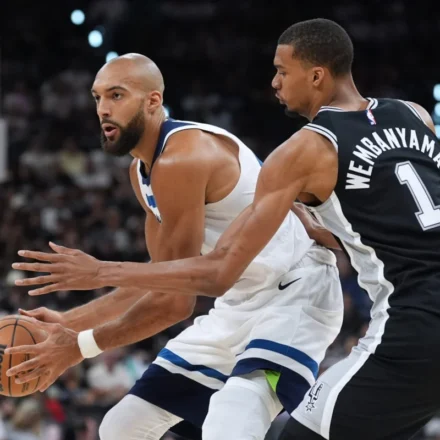
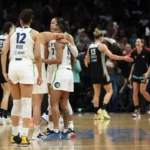
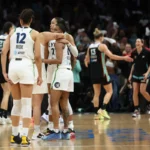
The curtain fell on Friday night as the San Antonio Spurs dismantled the Timberwolves 139-109, securing a 4-2 series victory. It was the third time in six games that the Spurs had handed Minnesota a defeat by at least 29 points, a statistic that underscores the profound gap between a team with a clear identity and one struggling to find its footing.
A Chronology of Tactical Missteps
The Timberwolves’ postseason exit was bracketed by strategic gambles from head coach Chris Finch that, in hindsight, appear to have been exercises in futility.
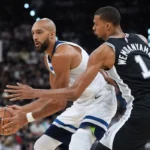
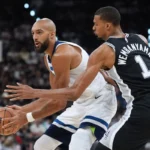
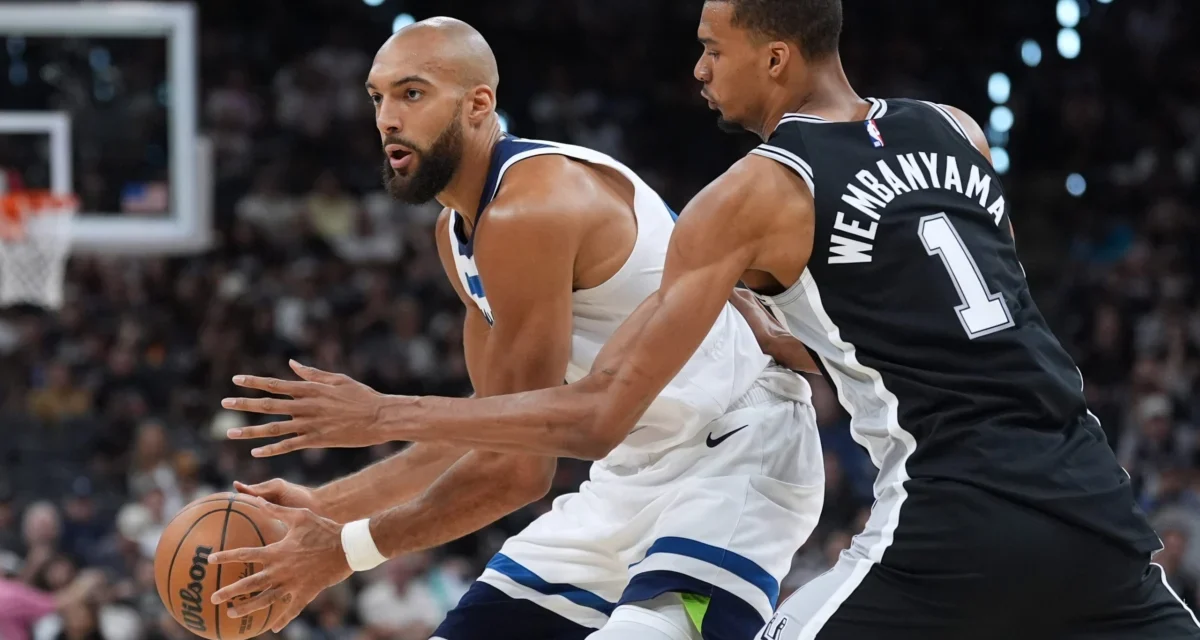
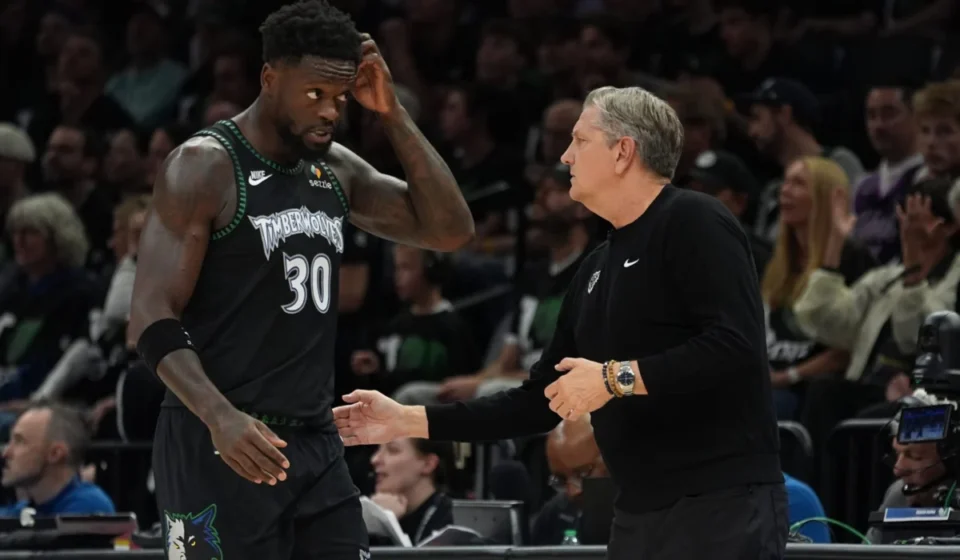
In the decisive Game 6, Finch attempted a high-risk defensive maneuver: shifting Julius Randle onto Victor Wembanyama, while allowing Rudy Gobert to roam as a free safety, effectively double-teaming Wembanyama while ostensibly guarding Spurs guard Stephen Castle.
For the first quarter, the gamble seemed to pay dividends. Wembanyama was neutralized, managing just four points, one rebound, and two turnovers. However, the plan ignored the reality of the Spurs’ roster. Castle, the reigning NBA Rookie of the Year and a collegiate champion at UConn, exploited the space provided to him. Within the first eight minutes, Castle drained three triples, converted a driving dunk, and finished an "and-one" layup. The scheme had traded a superstar’s efficiency for a perimeter barrage, triggering the 139-109 rout that sent Minnesota packing.
Finch was characteristically blunt in the aftermath. "We lost some of our aggression—we needed to come out more aggressive," he admitted. "That’s on me."
This, however, was only the final chapter of a book riddled with self-inflicted errors. The most significant of these was the "original sin" Finch identified during his post-season exit interviews: the abrupt, unilateral decision to alter the starting lineup just before the season opener. By shifting Anthony Edwards to the point guard position and relegating 19-year veteran Mike Conley to the bench, Finch inadvertently destabilized the team’s rhythm.
The Cost of "The Original Sin"
The decision to install Donte DiVincenzo into the starting backcourt alongside Edwards, while pushing Conley to a reserve role, was intended to maximize DiVincenzo’s impact and preserve Conley. Instead, it fractured the team’s continuity.
"Putting Ant at the point guard spot on the eve of the season certainly helped with Donte, but it hurt putting everybody in the best position," Finch explained. "It threw off the rhythm and the style in which we had to play. It set everybody back. Mike wasn’t able to find any consistency, and the young guys were put in a position where too much was asked of them."
This decision, made without the long-term strategic vetting required for a championship contender, caused a ripple effect. Conley’s role was already under pressure following the preseason trade that brought Julius Randle and DiVincenzo to Minnesota in exchange for Karl-Anthony Towns. By force-feeding two ball-dominant players—Edwards and Randle—into the starting lineup, the coaching staff effectively sidelined the team’s most reliable floor general, forcing Conley into an off-ball, catch-and-shoot role that diminished his utility.
Statistical Realities and Roster Friction
The numbers surrounding the Randle era in Minnesota are as damning as the tactical failures. During the 2025-26 season, Randle’s presence frequently clogged the paint, forcing Gobert into situations where his lack of perimeter range became an even greater liability. Randle’s 32.9% shooting from three-point range over his two seasons in Minnesota failed to provide the necessary spacing for Edwards to operate effectively.
The most jarring statistic from the elimination loss was the team’s performance during Randle’s 23:42 on the court: a staggering -34. Conversely, in the 24:18 he sat on the bench, the Timberwolves were +4.
While Randle contributed in isolated moments—such as his emphatic dunk early in Game 6—his overall impact was a liability. He finished the game with three points on 1-of-8 shooting. Perhaps more concerning than his offensive struggles was his defensive inconsistency. Like Edwards, Randle possesses the physical tools to be an elite defender, but his tendency to operate as a "matador" rather than a disrupter eroded the team’s defensive standards throughout the campaign.
The Path Forward: Implications and Potential Shifts
As the Timberwolves transition into the offseason, president of basketball operations Tim Connelly faces a delicate balancing act. The organization is currently locked into a roster that lacks the depth and flexibility to compete with the modern juggernauts of the Western Conference, such as Oklahoma City and San Antonio.
The Point Guard Dilemma
The consensus among the core players—including Naz Reid and Jaden McDaniels—is clear: the team requires a classic floor general to organize the offense and allow Edwards to flourish as a scorer rather than a primary initiator.
Internal options are limited. Ayo Dosunmu, who publicly campaigned for a larger role, is an unrestricted free agent, and the Timberwolves’ limited salary cap flexibility makes his retention an uphill battle. With DiVincenzo sidelined by a torn Achilles and limited draft assets (the 28th and 59th picks), the front office will likely need to look to the trade market. Names such as Dejounte Murray have surfaced in speculation, though the cost of acquisition remains an open question.
The "Super-Team" Trap
The persistent rumors surrounding a pursuit of Giannis Antetokounmpo represent both an opportunity and a danger. While Connelly has proven willing to swing for the fences—as evidenced by the trades for Gobert and the departure of Towns—the "super-team" model has historically failed to yield championships in recent years. The current NBA landscape favors depth, spacing, and athletic wings over top-heavy rosters.
Rather than depleting the team’s remaining assets for a singular star, there is a strong argument for putting faith in the continued development of the existing core. Edwards, Reid, and McDaniels are entering the prime of their careers. If the team can shift the load-bearing responsibilities onto these players, and surround them with modern, aggressive wings like the prototype represented by Dosunmu or TJ Shannon, the ceiling of the team remains high.
Conclusion: A Season of Lessons
Despite the frustrations, the 2025-26 season was not without its moments of brilliance. The team’s gritty first-round dismantling of Denver demonstrated what this group is capable of when fully committed to a collective defensive and offensive identity.
The Timberwolves now stand at a crossroads. The lessons provided by San Antonio and Oklahoma City are clear: talent without structure is insufficient, and cheating on one’s intentions—as Finch noted—leads to inevitable failure. Whether this means a radical roster overhaul involving the departure of Randle or a fundamental shift in coaching philosophy remains to be seen.
One thing is certain: the era of "lackadaisical" championship pursuit must end. For a franchise that has flirted with greatness but consistently fallen short, the upcoming months will define not just the next season, but the legacy of the Edwards era. The organization has the pieces; now, it must decide if it has the courage to organize them correctly.