





















































Stability in the North Star State: Eric Taubel Appointed Permanent Director of Minnesota’s Office of Cannabis Management

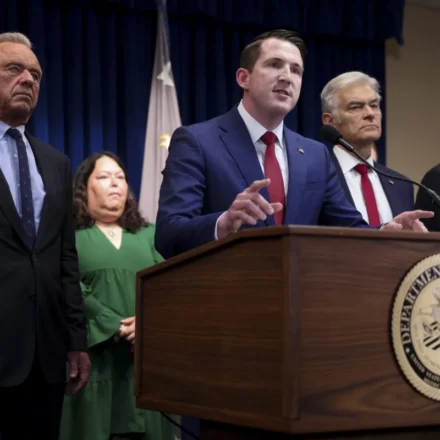
ST. PAUL, MN — In a move aimed at solidifying the leadership of Minnesota’s burgeoning marijuana industry, Governor Tim Walz officially announced on Wednesday that Eric Taubel will serve as the permanent executive director of the Office of Cannabis Management (OCM). Taubel, who has served as the interim director since January and previously acted as the agency’s general counsel, is now tasked with steering the state through the final, critical stages of launching a full-scale retail market.
The appointment comes at a pivotal moment for Minnesota. While the state legalized recreational cannabis in May 2023, the road to a functional commercial market has been fraught with administrative hurdles, leadership transitions, and complex regulatory debates. By naming Taubel as the permanent head, the Walz administration is signaling a shift from the "emergency management" phase of the agency toward a period of operational execution.
Main Facts: A Veteran Hand for a New Frontier
Eric Taubel’s transition from interim to permanent director is seen by many in the industry as a vote of confidence in his ability to navigate the "rocky" start that defined the OCM’s first year. Taubel, a legal expert who helped draft much of the agency’s initial regulatory framework, stepped into the interim role following a period of significant turnover.
Governor Walz, speaking on the appointment, emphasized Taubel’s success in aligning the state’s social equity goals with the practical realities of market creation. "Over the past eight months, Eric has ensured that the priorities that drove cannabis legalization in Minnesota—equity, safety, and community reinvestment—are reflected in our emerging market," Walz said in a statement.
The OCM is responsible for overseeing the entire lifecycle of cannabis in Minnesota, from cultivation and processing to testing and retail sales. Currently, the agency is processing hundreds of applications for social equity licenses and is preparing for a broader lottery system for general applicants. Taubel’s permanent status provides a level of continuity essential for a department that must coordinate with local governments, tribal nations, and thousands of prospective business owners.
Chronology: The Road to Permanent Leadership
The path to Taubel’s appointment began with the passage of House File 100 in May 2023, which made Minnesota the 23rd state to legalize recreational marijuana for adults. However, the initial rollout was marred by the brief and controversial tenure of the first appointed director, Erin DuPree, who resigned before her first day following reports regarding her previous business practices.
- May 2023: Governor Walz signs the cannabis legalization bill into law, creating the OCM.
- September 2023: The search for a permanent director hits a snag after the resignation of the initial appointee.
- January 2024: Eric Taubel, then the OCM’s general counsel, is named interim director. He immediately begins a "listening tour" and a series of legislative tweaks to streamline the licensing process.
- May 2024: The Minnesota Legislature passes a "clean-up bill" to adjust the licensing process, introducing a lottery system for social equity applicants to prevent a "first-come, first-served" rush that might favor well-capitalized out-of-state interests.
- July 2024: The OCM begins granting the first "final approvals" for businesses, though most are still months away from opening their doors.
- August 2024: Governor Walz officially removes the "interim" tag from Taubel’s title, cementing his role as the architect of the retail rollout.
Supporting Data: The 2024-2025 Outlook
As Taubel takes the permanent helm, the OCM faces a daunting checklist. The agency’s internal projections suggest a significant ramp-up in activity through the end of the calendar year.
Licensing Projections
Taubel has publicly committed to a goal of granting final license status to between 100 and 150 cannabis retailers by December 31, 2024. This would mark a dramatic acceleration from the current handful of approved businesses. To reach this goal, the OCM must complete rigorous background checks, facility inspections, and security plan reviews.
Municipal Involvement
While private enterprise is the primary driver, the "municipal model" is gaining traction in Greater Minnesota. Currently, 13 Minnesota cities are in the formal exploratory stage of opening publicly-owned cannabis dispensaries. This model, similar to municipal liquor stores, allows cities to retain profits for local infrastructure and public safety projects.
The Social Equity Component
The OCM has received thousands of "pre-verified" social equity applications. Under the current law, these individuals—often veterans, residents of high-poverty areas, or those with past low-level cannabis convictions—receive priority in the licensing lottery. Ensuring these applicants have the capital and support to survive the first year of business is one of Taubel’s primary stated priorities.
Official Responses: Shifting the Onus to the Private Sector
In a recent interview, Taubel struck a tone of pragmatic accountability. While acknowledging the state’s role in providing a clear regulatory path, he signaled that the period of "hand-holding" is coming to an end.
"We’ve transitioned to the point where the onus is on the applicant and a prospective business owner," Taubel stated. He argued that the regulatory framework is now sufficiently clear, and delays in business openings are often the result of applicants failing to meet the rigorous standards for security, insurance, and local zoning compliance.
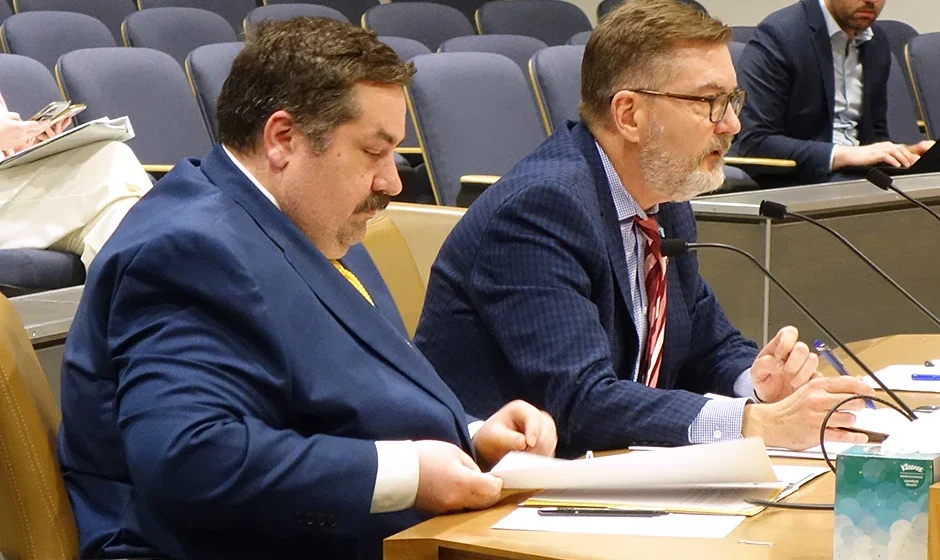
Lawmakers have largely reacted positively to the appointment. State Senator Scott Dibble, a key proponent of the legalization bill, has praised Taubel’s technical expertise. "The OCM needs a steady hand that understands the law inside and out," Dibble noted during a committee hearing. "Eric Taubel has proven he can handle the complexity without losing sight of the legislative intent."
However, not all feedback has been celebratory. Some industry advocacy groups argue that the "onus" Taubel speaks of is too heavy. Critics point to the high costs of compliance and the difficulty of securing traditional banking, calling on the OCM to do more to facilitate access to capital for social equity entrepreneurs.
Implications: The Challenge of Local Control
Perhaps the most significant challenge facing Taubel in his permanent role is the tension between state authorization and local control. This tension was thrust into the spotlight recently in Albert Lea.
Despite the state OCM granting "final approval" to a retailer named The Smoking Tree, the Albert Lea City Council shocked observers by denying the business a local registration license. This move has created a legal and regulatory conundrum: can a city effectively veto a state-licensed cannabis business?
The "Albert Lea" Precedent
The decision in Albert Lea suggests that local governments may have more leeway than previously thought to act as gatekeepers. If other cities follow suit, the OCM could find itself in a series of legal battles to defend the validity of its licenses. Taubel will need to work closely with the League of Minnesota Cities to establish clear boundaries for local "reasonable regulations" versus outright bans.
The Tribal Advantage
While the commercial market for non-tribal entities moves in "fits and starts," Minnesota’s 11 tribal nations continue to lead the way. Because tribal nations are sovereign, they were able to open dispensaries—such as those on the Red Lake and White Earth reservations—long before the state’s regulatory framework was finalized.
The OCM’s recent agreement with the White Earth Nation to open dispensaries off-reservation in St. Cloud and Moorhead represents a unique hybrid model of state-tribal cooperation. This partnership could serve as a blueprint for how the state manages market saturation and competition in the coming years.
Conclusion: The Road to 2025
The appointment of Eric Taubel provides the Office of Cannabis Management with the stability it has lacked since its inception. However, the true test of his leadership will occur over the next six months. As the first wave of 100-150 retailers attempts to open their doors, Taubel must balance the need for strict public safety oversight with the economic necessity of a thriving market.
Success for Taubel will be measured not just by the number of licenses issued, but by the stability of the businesses that receive them. If Minnesota can successfully launch its retail market without the supply chain collapses or legal quagmires seen in other states, Taubel’s "onus on the applicant" strategy may well become the national gold standard for cannabis regulation. For now, the North Star State watches closely as its newest permanent director prepares to turn the "rocky" start into a smooth finish.