







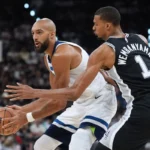






































This is the first of a four-part series exploring the state of the Minnesota Timberwolves through an exclusive, in-depth conversation between veteran journalist Britt Robson and Head Coach Chris Finch.
Main Facts: A Team in Transition
Minnesota Timberwolves Head Coach Chris Finch is no stranger to the volatile nature of the NBA. Over his five-and-a-half-year tenure in the Twin Cities, he has established himself as one of the league’s most tactically flexible minds, guiding a franchise that was once a perennial lottery team into a consistent Western Conference contender. However, as the 2026-27 season looms, Finch faces perhaps his most daunting challenge yet: integrating a drastically altered roster while maintaining the defensive identity that has served as the team’s foundation.
Following a 2025-26 campaign defined by frustrating inconsistencies—ranging from shaky point guard play to lapses in player commitment—the Timberwolves are undergoing a significant metamorphosis. President of Basketball Operations Tim Connelly has been aggressive, orchestrating a series of high-stakes trades that have brought new faces into the fold, including dynamic guard LaMelo Ball and versatile forward Jonathan Kuminga. For Finch, the goal is clear: build a cohesive unit from these disparate parts before the rigorous Western Conference playoff race begins.
Chronology: From Continuity to Flux
The trajectory of the Timberwolves over the last two years has been a study in contrast. Just one year ago, the prevailing narrative surrounding the organization was "continuity." The roster was stable, the roles were defined, and the coaching staff was settled. It was a time of consolidation, aimed at building upon the deep playoff runs that established Minnesota as a legitimate threat.

However, the 2025-26 season did not go as planned. Inconsistency plagued the team, leading to an early exit that forced the front office to pivot. The "continuity" buzzword was replaced by a more urgent, kinetic energy. The current offseason has been marked by significant roster turnover. Key contributors like Naz Reid have departed, and the coaching staff has seen its own seismic shift, most notably with lead assistant Micah Nori departing to pursue a head coaching opportunity in Portland.
As the team prepares for training camp, the focus is not on refinement, but on a total "re-learning" of the team’s identity. The veteran "tentpoles"—Anthony Edwards, Rudy Gobert, and Jaden McDaniels—remain the anchors, but their task has shifted from maintaining a system to teaching a new one.
Supporting Data: The Defensive Challenge
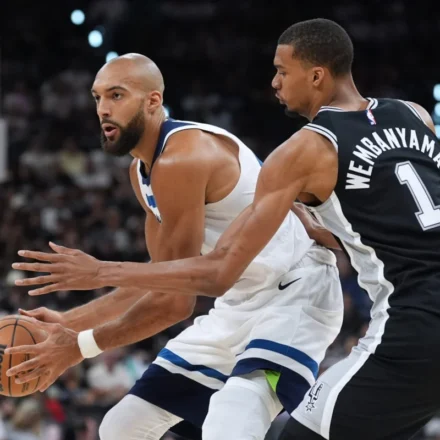
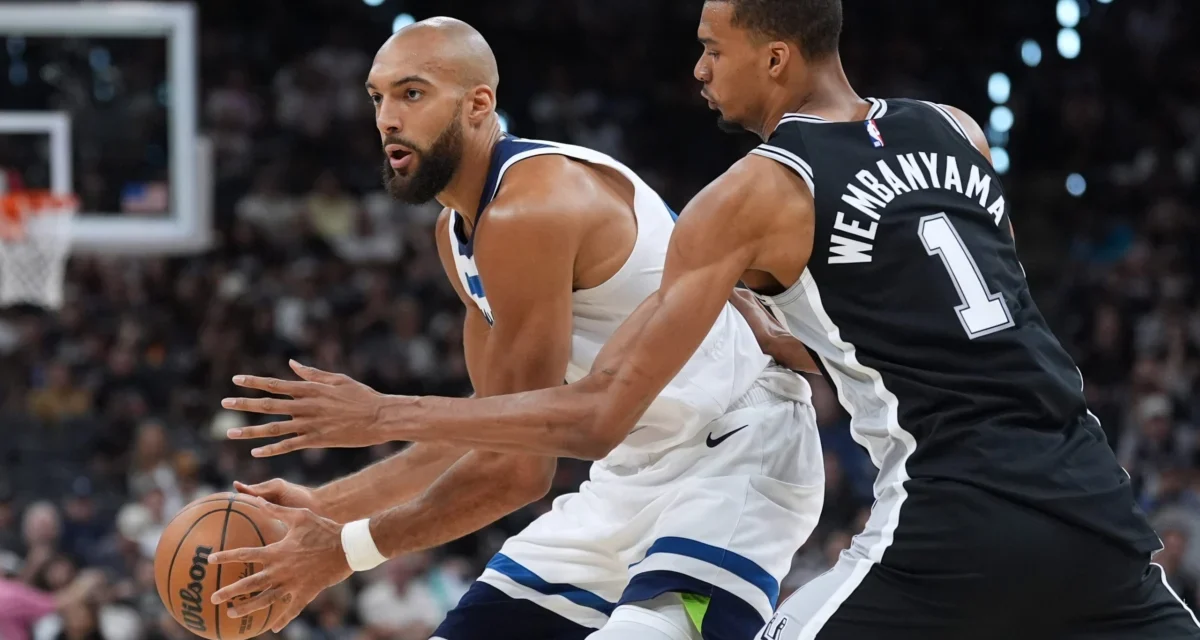
The defensive end of the floor remains the non-negotiable cornerstone of the Chris Finch era. Throughout his tenure, Minnesota has prided itself on a defensive-first mentality, relying on the rim protection of Rudy Gobert and the perimeter versatility of Jaden McDaniels. Yet, as Finch explains, the math for the upcoming season is changing.
"We have to do things a little bit differently," Finch noted during our 80-minute sit-down. "We have new personnel, and that requires a new defensive philosophy."

The statistics from the previous season indicate that the Timberwolves were at their best when they utilized a "high-wall" defensive scheme or engaged in aggressive zone rotations. However, the lack of familiarity among the new group means that the team must approach the beginning of the season with a "less is more" philosophy. The challenge is balancing the need for a foundational structure with the desire to utilize the unique skill sets of newcomers like LaMelo Ball.
"LaMelo has never played with a rim protector like Rudy," Finch admitted. "There is a feel and a nuance to that, not just in pick-and-roll defense, but in how he helps in transition and on the perimeter. We have to accelerate that learning curve."
Official Responses: Finch on Accountability and Strategy
When asked about the "soft" nature of the team’s defensive efforts last year, Finch took a reflective, albeit firm, stance. He acknowledged that the coaching staff may have been too trusting, allowing bad habits to persist.
"I think I’ve spent the last few years trying to lean into the development of coaches, giving everybody a voice, and growing together," Finch said. "But this year, these new guys need to hear me front and center a little bit more. They need to hear [defensive coordinator] Elston Turner a little bit more. We need to reset the urgency."

Finch’s strategy for the upcoming year involves a return to the basics, but with a flexible edge. He compared the current situation to the early days of the Gobert/Karl-Anthony Towns era, where the coaching staff had to cycle through various defensive solutions based on the opponent.
"My gut tells me it will map out similar to when we first paired Rudy and KAT," Finch explained. "Every night was a different challenge at the 4-5 positions. We settled into a rhythm of two or three solutions based on the profile of the opponent. We need to find that rhythm again."
Regarding Anthony Edwards, the franchise’s centerpiece, the expectations for defensive engagement have never been higher. Finch was emphatic that if the team is to reach its potential, Edwards must embrace a more consistent role on the defensive side of the ball.
"He doesn’t have to take the marquee matchup every night, but he has to re-engage his defensive impact," Finch said. "For him to have an MVP season, he has to have a defensive component. It’s the next logical step in his career."

Implications: The Road Ahead
The implications of this roster overhaul are significant. The Western Conference remains a gauntlet, and there is no grace period for teams learning on the fly. The Timberwolves are currently in a state of "logical nightmare" regarding their frontcourt rotation—specifically, how to handle the minutes when Rudy Gobert is resting or in foul trouble.
Finch is exploring several options, including sliding Jaden McDaniels to the five-spot in small-ball lineups or utilizing Trey Lyles, whose defensive metrics have shown promise in specific matchups. The team is also likely to lean back into zone coverages, a tactic that yielded success in the past but was underutilized last season due to a lack of trust in the execution.
As the team heads into the final two weeks before training camp, the directive is clear: establish a foundation, identify the most effective defensive rotations, and hold the stars accountable.
"We have eleven or twelve guys on the roster who can help us," Finch concluded. "If we go in too narrow-minded, we won’t maximize those guys. We’ll settle on a couple of options early, but we have to be ready to pivot. That is the nature of this team now."

The Timberwolves are no longer a group resting on the laurels of continuity. They are a team being rebuilt in real-time, under the watchful eye of a coach who seems invigorated by the challenge of turning a collection of talent into a disciplined, championship-caliber machine. Whether the defensive "tentpoles" can support this new structure remains the most critical question of the 2026-27 season.
Stay tuned for Part II of our series, where we dive deeper into the offensive synergy between LaMelo Ball, Anthony Edwards, and the rest of the Timberwolves’ backcourt.