





















































The Australian Outback is often reduced to a monolith of scorching heat and barren, rusted earth. Yet, for those willing to traverse the ancient, undulating spines of the West MacDonnell Ranges, the reality is far more vibrant. In July 2026, I embarked on a six-day expedition along the Larapinta Trail—a journey that challenged my anxieties about remote wilderness travel and fundamentally shifted my perspective on what it means to "hike."
Main Facts: The Larapinta Trail
The Larapinta Trail is one of Australia’s premier long-distance walking tracks, stretching approximately 143 miles (230 kilometers) from the historic Old Alice Springs Telegraph Station to the rugged slopes of Mount Sonder. As one of the "Great Walks of Australia," it serves as a critical artery for adventure tourism in the Northern Territory.
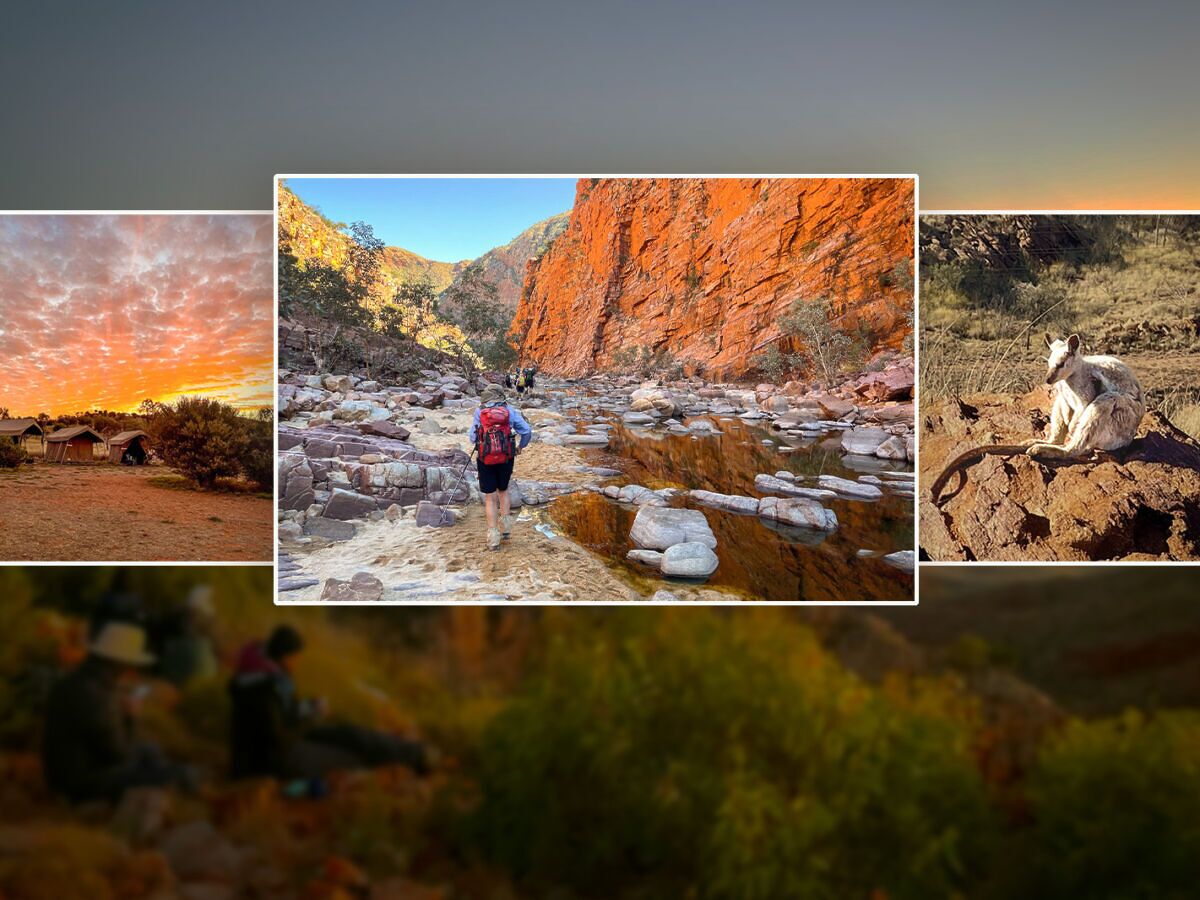
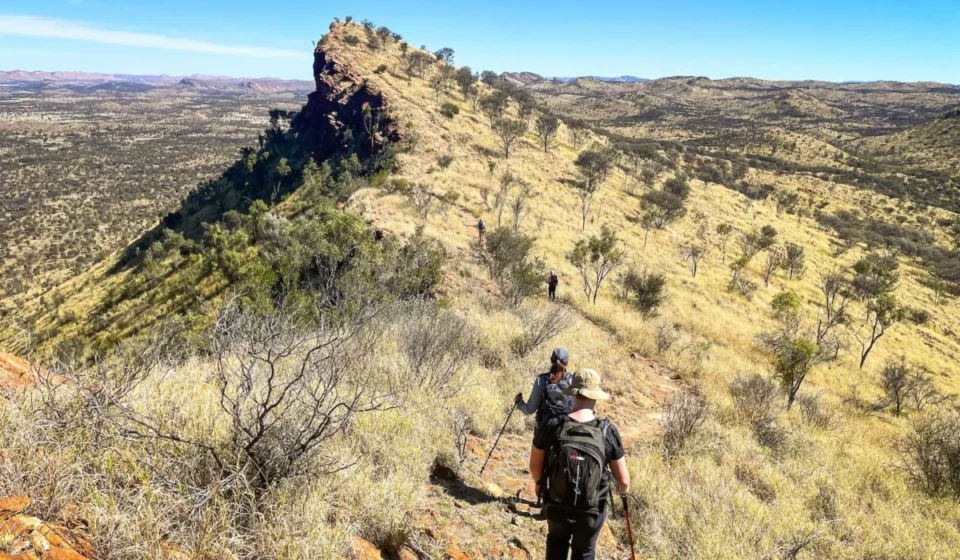
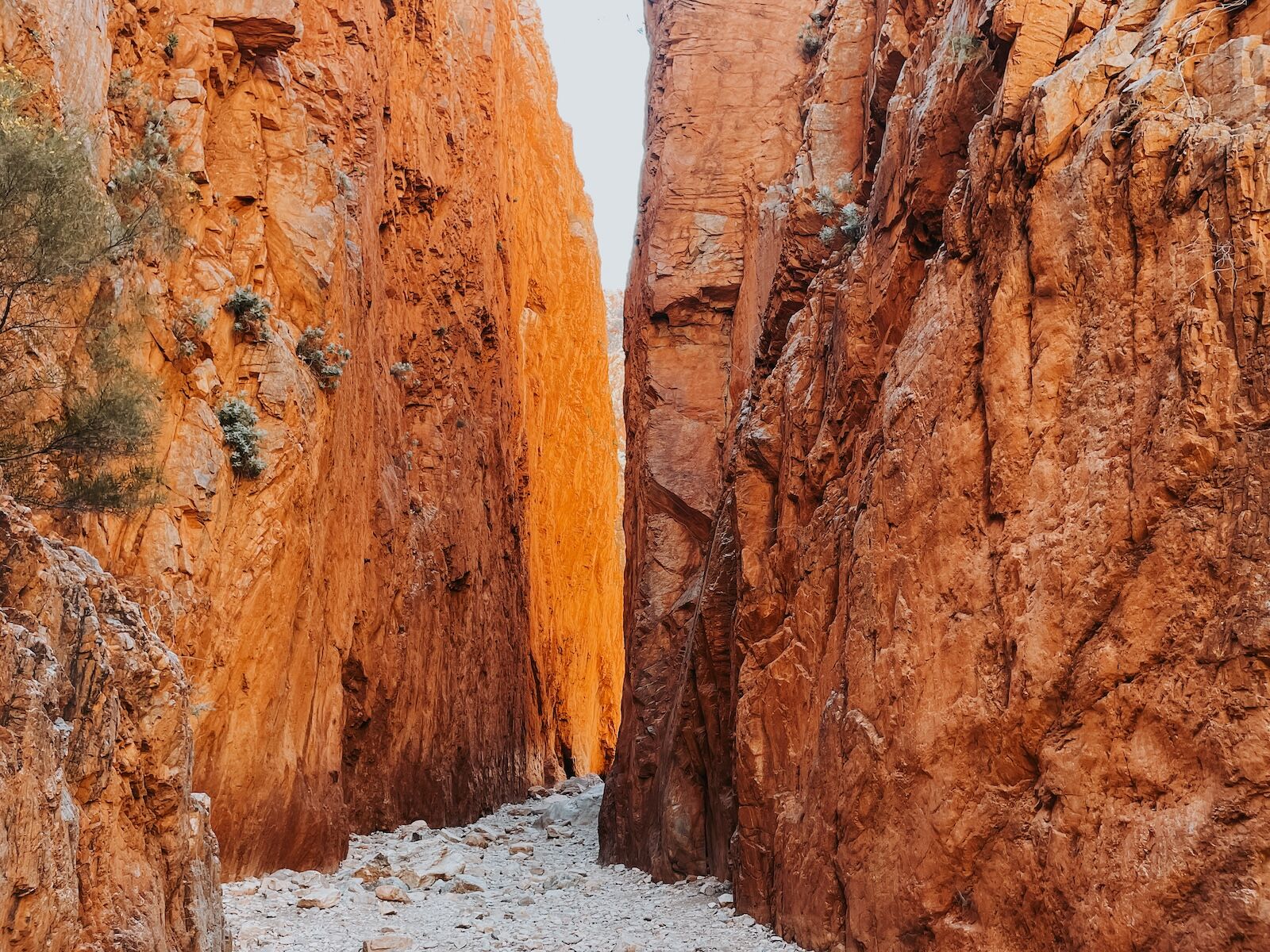
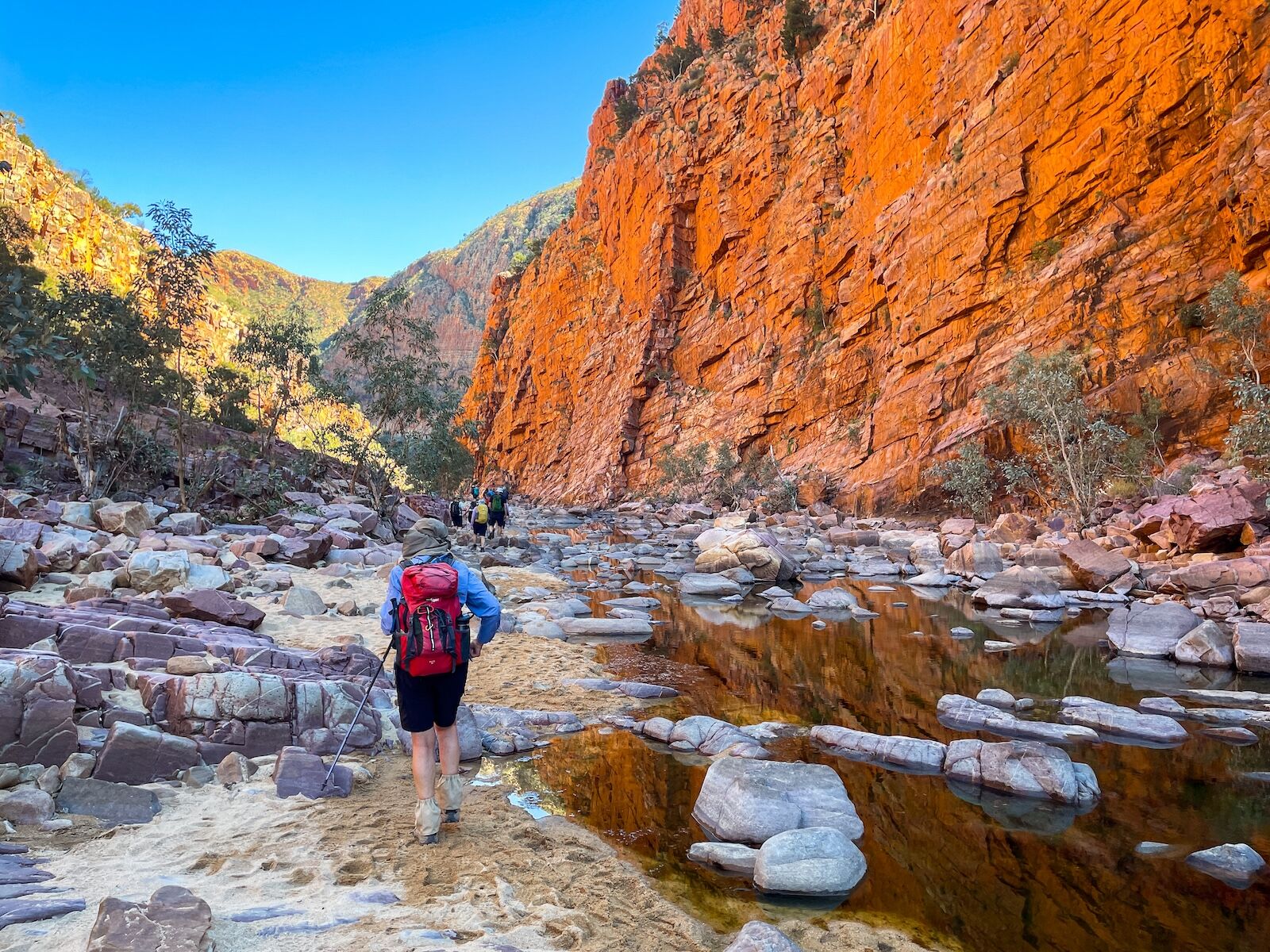
Unlike the fleeting visits many tourists pay to the iconic Uluru, the Larapinta offers a slow-burn immersion into the Northern Territory’s geological and cultural history. The trail is divided into 12 distinct sections, each presenting unique terrain—from the narrow, shadowy passages of Standley Chasm to the sun-bleached granite ridges that offer panoramic views of the vast inland region.
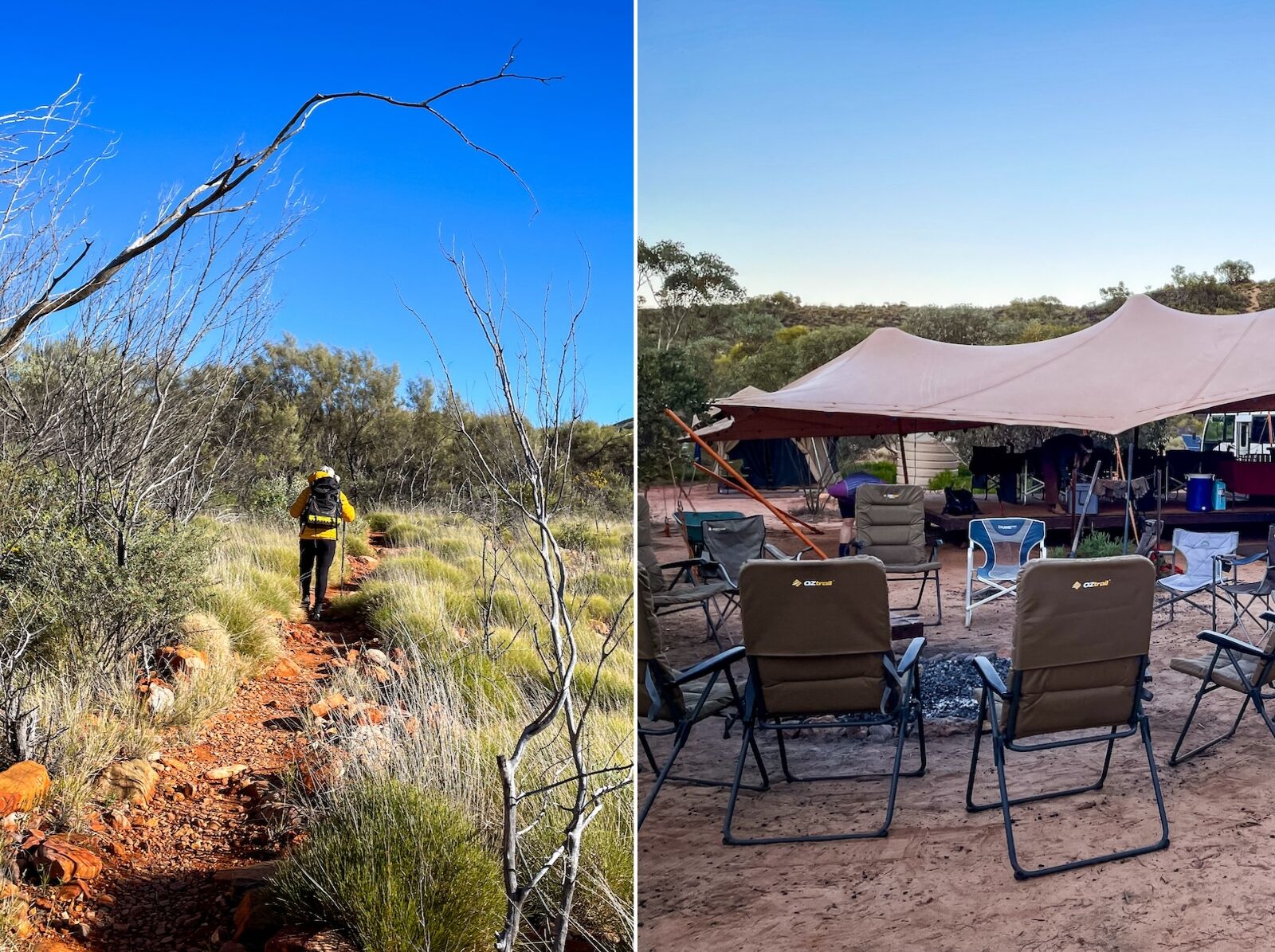
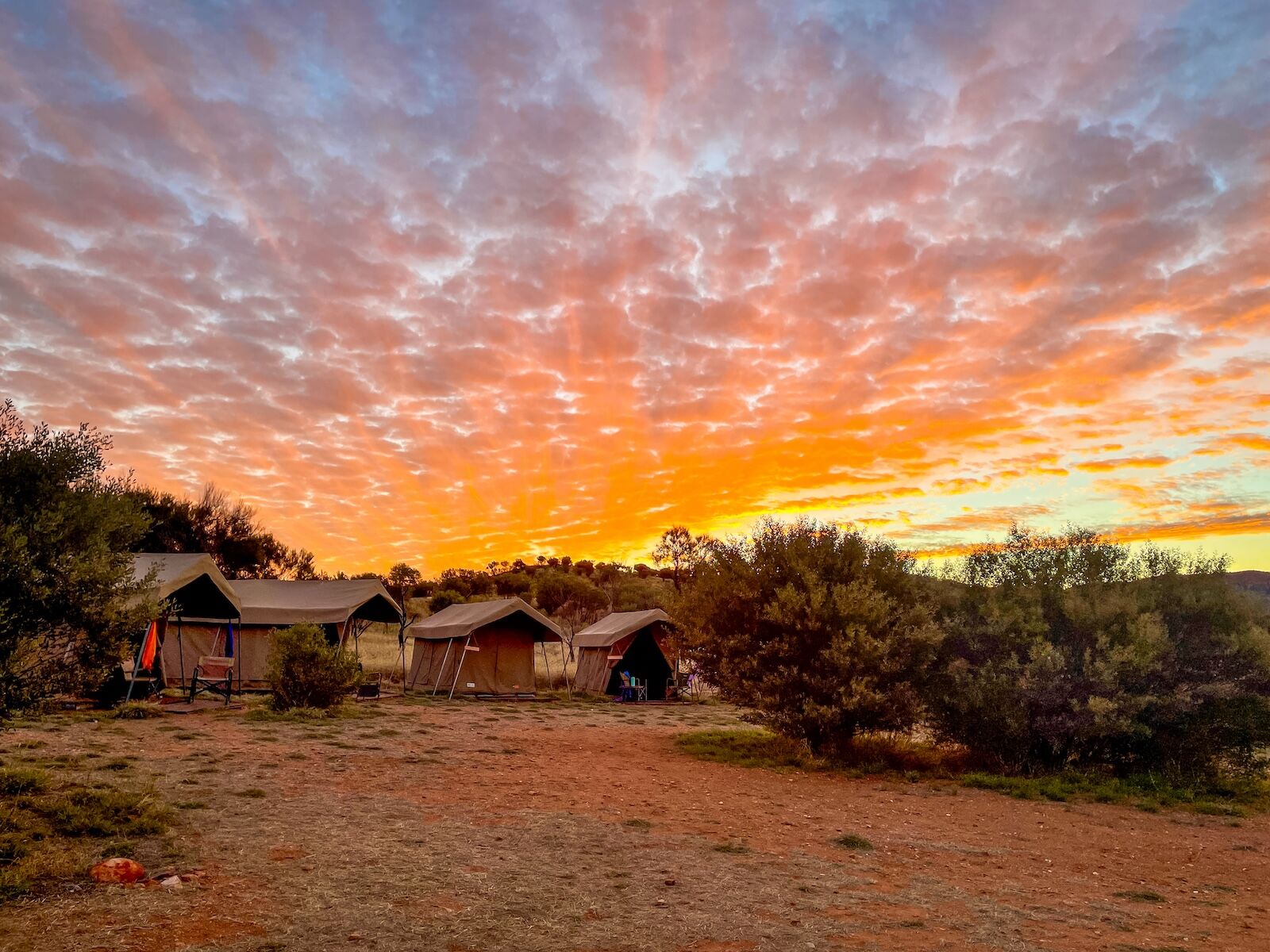
My own excursion was facilitated by World Expeditions, specifically their "Classic Larapinta Trek in Comfort" itinerary. This model bridges the gap between rugged endurance and accessibility, utilizing a network of permanent, solar-powered eco-camps. For a solo traveler with limited multi-day backpacking experience, this structure was transformative. It removed the logistical burden of carrying a heavy, self-sufficient pack, allowing the focus to shift from survival to observation.
A Chronological Odyssey
The Departure: The journey began with a mix of trepidation and anticipation. My initial concerns were trivial but deeply felt: would my clothing choices hold up against the desert sun? Would I be comfortable camping in such a remote expanse? And, perhaps most significantly, how would I fare when encountering the local wildlife?
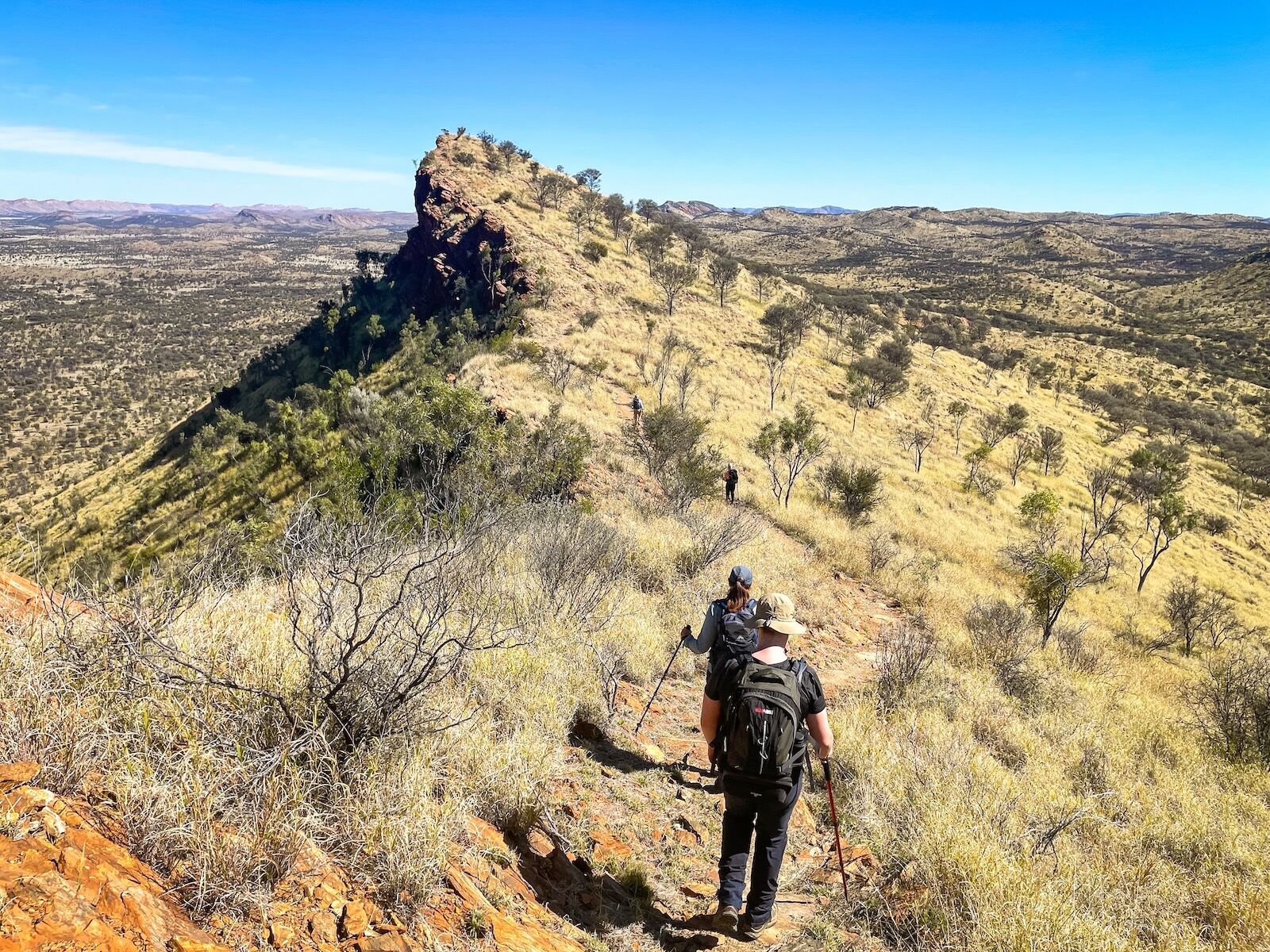
The Early Days: The first few mornings were defined by a rhythmic transition from the crisp, frigid desert air at dawn to the intense, dry heat of the midday sun. I quickly learned the necessity of the "legionnaire" hat—a garment that prioritizes function over fashion—and the non-negotiable rule of high-SPF sun protection. The trail, which spans one billion years of geological formation, demands a pace that defies the modern urge to rush.
Mid-Trail Reflections: By the third day, the routine had solidified. Our mornings began at 7:00 AM with communal breakfasts, followed by a departure into the landscape. We hiked between seven and 10 miles daily, with the rhythm of the group dictating our progress. We were a diverse cohort—millennial solo travelers, married couples, and friends—united by a common curiosity.
The Final Stretch: As we approached the trail’s conclusion, the initial anxiety had vanished, replaced by a profound sense of rhythm. The final miles were marked by a reluctance to return to the world of constant connectivity and urban noise. By the time I reached the final camp, the "Outback" no longer felt like a hostile environment, but a complex, living classroom.
Supporting Data and Context
The Larapinta Trail is not merely a path through the dirt; it is a meticulously curated experience designed to highlight the Arrernte people’s relationship with the land. The trail was conceptualized in 1988, not just as a recreational asset, but as a bridge between the gorges, chasms, and cultural sites of Tjoritja (the Arrernte name for the West MacDonnell Ranges).
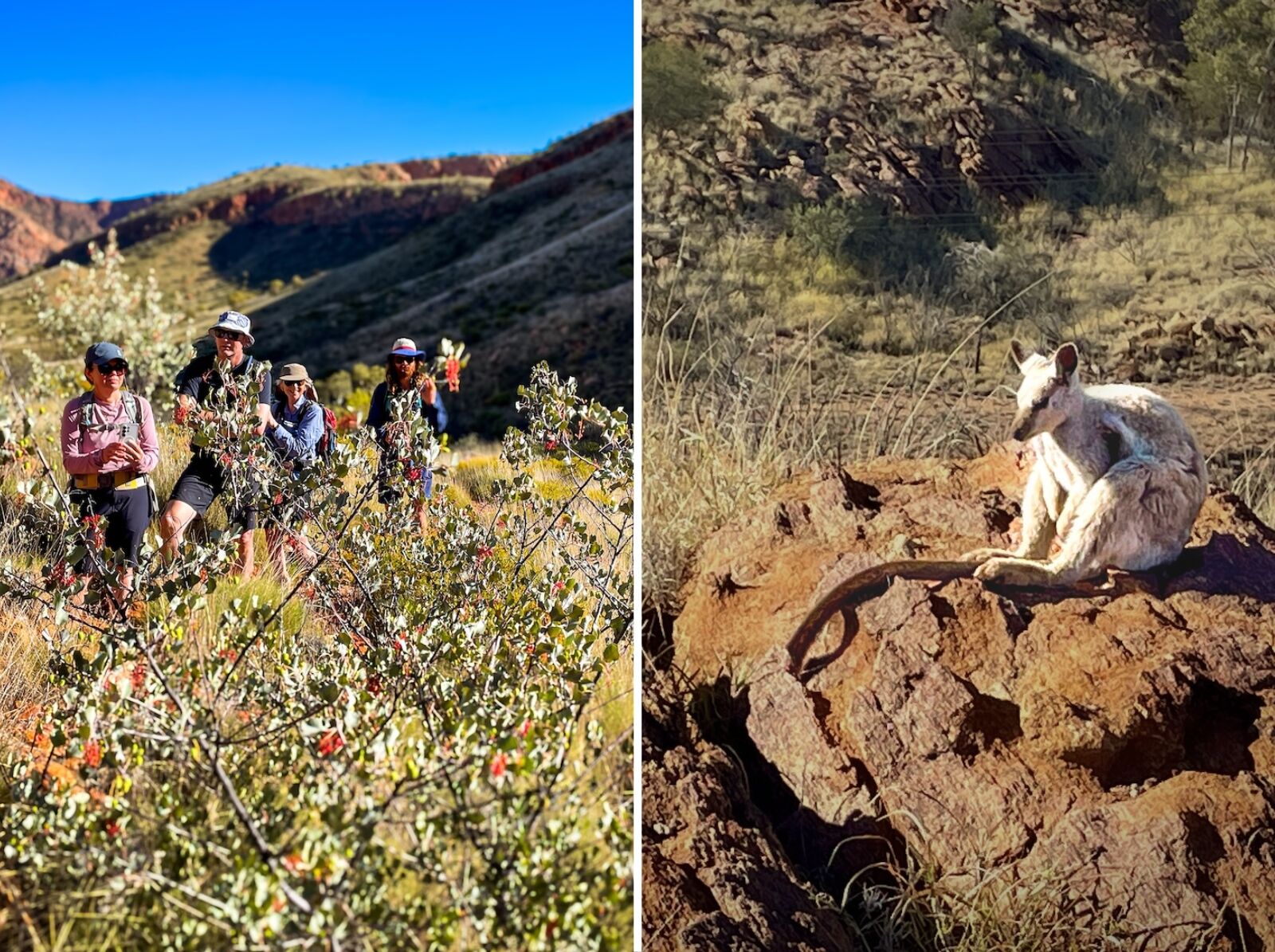
The biodiversity of the region is equally compelling. Despite the arid reputation of the Red Centre, the landscape is a tapestry of life. Recent heavy rains prior to my visit had triggered an explosion of wildflower growth, including the iconic Sturt’s desert pea and the aromatic curry wattle.
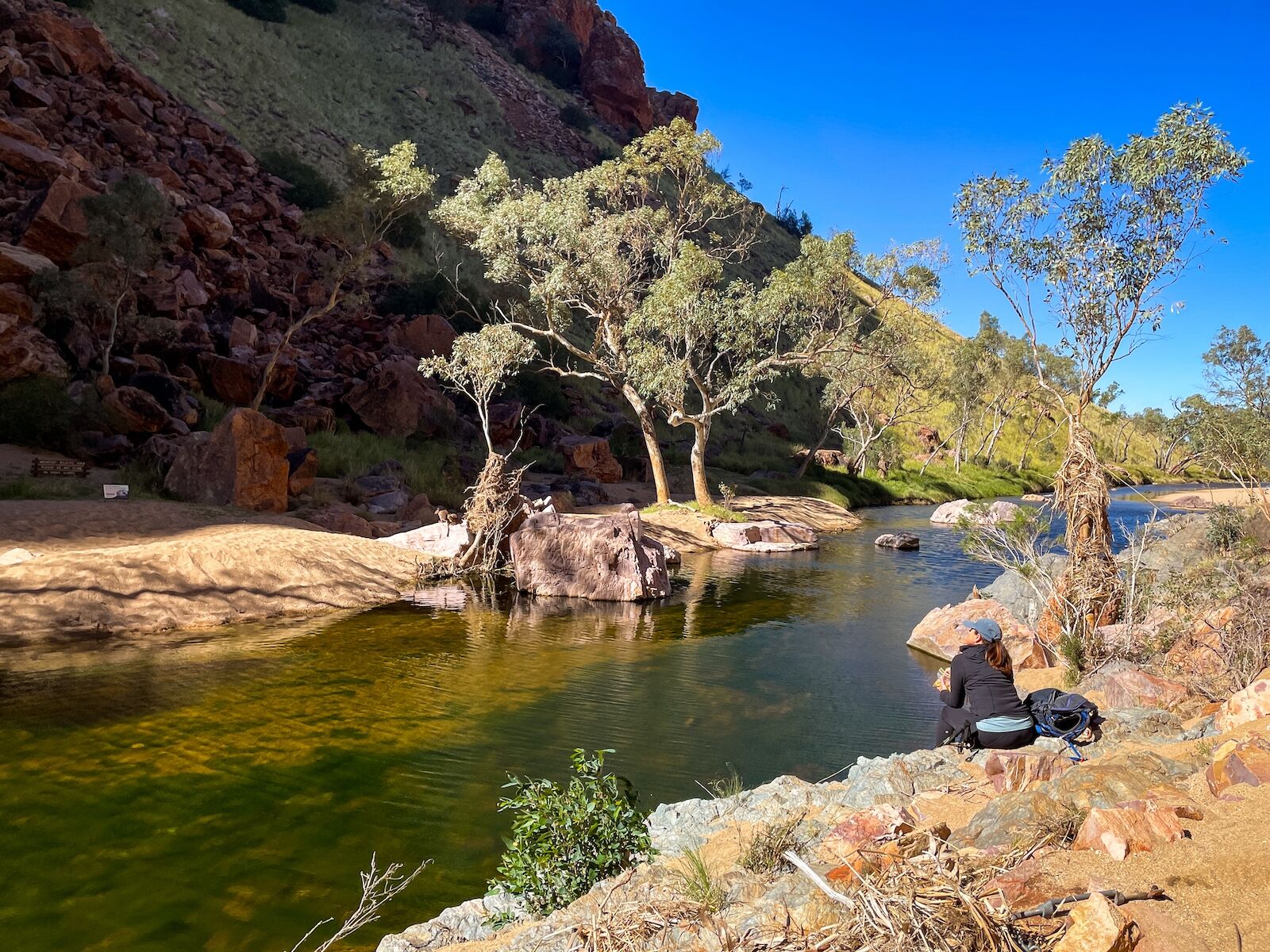
Wildlife sightings were frequent and varied. From the black-footed rock-wallaby, often seen near the watering holes of Simpsons Gap, to the majestic wedge-tailed eagle with its seven-foot wingspan, the desert is far from empty. Nighttime, however, provided the most striking encounters. Our nocturnal bird-watching efforts, guided by the knowledgeable Prowse, introduced us to the Australian boobook, while the haunting, melodic howls of dingoes served as a constant, wild reminder of the landscape’s apex predators.
Official Perspectives: The Value of Connection
A core element of the guided experience is the inclusion of Indigenous insight. William Palmer, an Arrernte guide who works with World Expeditions, emphasizes that the land is not just scenery—it is a repository of history and knowledge.
"I hope travelers leave with a better understanding of Arrernte culture and the strong connection we have to country," Palmer noted during our time at Simpsons Gap. "I want them to understand that the landscape they are traveling through has a lot of meaning, history, and knowledge behind it."
This sentiment underscores the primary advice given to all hikers: slow down. The Larapinta is not a trail meant for those seeking to set speed records or "hike-to-post" on social media. It is a place that rewards those who pay attention to the subtle shifts in the rock, the unique birdcalls, and the ancient stories embedded in the geology.
Implications: Beyond the Hike
My experience on the Larapinta raises broader questions about the future of adventure travel. As more people seek authentic, off-grid experiences, the "hike in comfort" model serves as an important bridge. It democratizes access to remote environments without compromising the integrity of the ecosystem.
For the solo traveler, the group dynamic provided a sense of safety and social cohesion that mitigated the fear of the unknown. Yet, it also provided enough solitude to foster a personal connection with the desert. The realization that I could navigate these challenges—the physical exertion, the wildlife, and the isolation—has fundamentally changed my relationship with outdoor activities.
The Larapinta Trail is more than just a destination; it is a catalyst for personal growth. It challenges the hiker to strip away the distractions of modern life and exist, for a few days, at the speed of the landscape. As I prepare for my next trip back to the desert, I am left with the understanding that the most significant growth often happens at the edge of one’s comfort zone.
The Outback does not ask for your endurance; it asks for your presence. In return, it offers a glimpse into a world that has existed for millennia, inviting you to be, for a short while, part of its story.