























































Understanding Feline Longevity: Major Veterinary Data, Breed Lifespans, and Senior Cat Care

Main Facts
A comprehensive veterinary study published in 2024 in the Journal of Feline Medicine and Surgery has provided new benchmarks for domestic cat lifespans. Analyzing record data from 7,936 cat deaths across United Kingdom veterinary practices in 2019, researchers led by Dr. Teng and colleagues at the Royal Veterinary College (RVC) determined that the overall average life expectancy at birth for cats receiving veterinary care is 11.74 years.
The findings highlight significant variations across biological sex, pedigree breeds, and crossbred populations:
- Sex Disparities: Female cats outlive male cats by more than a year on average, showing an estimated life expectancy of 12.51 years compared to 11.18 years for males.
- Breed Top Performers: Burmese and Birman breeds posted the highest average life expectancy among evaluated breeds, both reaching an estimated 14.4 years at birth.
- Crossbred Advantage: Mixed-breed cats live longer on average (11.9 years) than the purebred feline population taken as a collective group.
- Pedigree Ranges: Purebred life expectancies vary widely—ranging from 11.7 years for Siamese and 10.9 years for Persians down to 8.5 years for Bengals and 6.7 years for Sphynx cats.
- Life Expectancy vs. Eventual Age: The baseline study metric represents life expectancy calculated at birth, a figure that factors in early mortality. Cats that successfully survive early life hazards and reach their tenth or twelfth birthdays possess a significantly higher remaining life expectancy than their birth baseline initially suggests.
While genetic factors establish baseline lifespans, veterinary researchers emphasize that everyday living conditions—including body weight maintenance, indoor safety protocols, prompt detection of medical issues, and preventive veterinary care—heavily dictate whether individual cats reach their late teens or early twenties.
Chronology of Feline Lifespan Benchmarks and Research
The evolving understanding of feline longevity and healthcare standards is marked by several key historical milestones, research datasets, and institutional guidelines:
[1967–2005] Lifetime of Creme Puff (38 years, 3 days) — Oldest recorded cat in history
     │
[2019] Data Collection Window: 7,936 cat deaths recorded in UK veterinary practices (VetCompass)
     │
[2021] AAHA/AAFP Feline Life Stage Guidelines publish standardized 4-stage aging framework
     │
[2024] Teng et al. publish landmark VetCompass lifespan study in Journal of Feline Medicine and Surgery
     │
[2024] AAFP releases Feline Indoor and Outdoor Lifestyle Statement & updated Senior Care Guidelines
August 3, 1967 – August 6, 2005: The Lifetime of Creme Puff
Born in Austin, Texas, on August 3, 1967, the domestic cat named Creme Puff lived for 38 years and 3 days before passing away on August 6, 2005. Officially recognized by Guinness World Records as the oldest cat ever recorded, Creme Puff represents an extreme biological anomaly rather than a realistic life expectancy target for standard domestic felines.
2019: VetCompass Data Collection Phase
Veterinary clinics across the United Kingdom documented health profiles and mortality records for domestic cats. This surveillance window yielded a dataset of 7,936 confirmed cat deaths, forming the empirical foundation for subsequent statistical lifespan modeling.
2021: Standardization of Feline Life Stages
The American Association of Feline Practitioners (AAFP) alongside the American Animal Hospital Association (AAHA) updated their Joint Feline Life Stage Guidelines. The framework divided feline aging into four distinct categories: Kitten, Young Adult, Mature Adult, and Senior, setting baseline care schedules for veterinary clinical practice.
2024: Publication of Lifespan Tables and Lifestyle Statements
In 2024, Teng and colleagues published their analysis of the VetCompass dataset in the Journal of Feline Medicine and Surgery, establishing breed-specific life tables at birth. Concurrently, the AAFP issued updated clinical statements regarding senior cat care and the welfare requirements of indoor versus outdoor feline environments.
Supporting Data and Demographic Analysis
The 2024 study conducted by Teng et al. utilizing the RVC VetCompass database provides detailed data regarding average life expectancy at birth across cat breeds and life stages.
Average Life Expectancy by Cat Breed (VetCompass 2024 Study)
The following dataset reflects estimated life expectancy at birth calculated from recorded deaths in UK veterinary care. Researchers caution that figures represent breed averages at birth rather than maximum potential lifespans, and that smaller sample sizes in certain breed categories introduce higher statistical uncertainty.
| Cat Breed | Average Life Expectancy at Birth | Notes & Sample Size Factors |
|---|---|---|
| Burmese | 14.4 years | Highest breed average; evaluated from a sample of 45 recorded deaths. |
| Birman | 14.4 years | Highest breed average; evaluated from a sample of 38 recorded deaths. |
| Mixed Breed (Crossbred) | 11.9 years | Outperforms the purebred average as a collective group. |
| Siamese | 11.7 years | Known for long individual lifespans, reaching late teens/twenties. |
| Persian | 10.9 years | Life expectancy impacted by facial structure and inherited risks. |
| Ragdoll | 10.3 years | Susceptible to inherited cardiac conditions such as HCM. |
| Norwegian Forest Cat | 10.0 years | Large-framed breed with specific care considerations. |
| Maine Coon | 9.7 years | Large breed; evaluated alongside genetic screening needs. |
| Russian Blue & Related | 9.7 years | Pedigree metric evaluated across UK practice populations. |
| British Shorthair & Related | 9.6 years | Covers domestic British pedigree cohorts. |
| Bengal | 8.5 years | Hybrids showing lower average baseline lifespan in study data. |
| Sphynx | 6.7 years | Lowest estimate; based on a small sample of 18 recorded deaths. |
Data Source: Teng et al., 2024, VetCompass UK study, published in the Journal of Feline Medicine and Surgery.
Understanding Sample Size Limitations
The researchers noted that sample sizes for specific purebreds were relatively small. For instance, the Sphynx estimate of 6.7 years was derived from just 18 recorded deaths, while Burmese (45 deaths) and Birman (38 deaths) metrics also relied on limited cohorts. Consequently, individual health histories and care levels are more predictive of an individual cat’s longevity than single table entries, particularly for pets in non-UK regions such as the United States.
Standard Feline Life Stage Classifications
To standardise veterinary care, the AAHA and AAFP classify feline development into four biological life stages:
| Life Stage | Age Range | Clinical Focus & Characteristics |
|---|---|---|
| Kitten | Birth to 1 year | Rapid growth phase; kittens are born with light coats (e.g., Siamese points develop later). |
| Young Adult | 1 to 6 years | Physical maturity; peak energy levels and high activity demands. |
| Mature Adult | 7 to 10 years | Maintenance phase; initial onset of early metabolic or dental changes. |
| Senior | Older than 10 years | Increased incidence of chronic conditions (kidney disease, arthritis, thyroid disorders). |
[ Kitten: 0-1 yr ] ──> [ Young Adult: 1-6 yrs ] ──> [ Mature Adult: 7-10 yrs ] ──> [ Senior: 10+ yrs ]Official Guidelines and Institutional Responses
Professional veterinary associations and academic institutions have published formal guidelines addressing the statistical and health management realities highlighted in recent lifespan research.
Royal Veterinary College (RVC) on Remaining Life Expectancy
Addressing the clinical interpretation of the 2024 data, researchers from the Royal Veterinary College emphasized that life expectancy at birth should not be confused with a cat’s remaining lifespan as it ages. Because birth averages incorporate infant and early-life mortalities, a cat that successfully reaches 10 or 12 years of age has already navigated those early hazards. Consequently, healthy senior cats retain a remaining life expectancy that frequently pushes their total age well into their mid-to-late teens.
AAFP and AAHA Clinical Examination Protocols
The American Animal Hospital Association (AAHA) and the American Association of Feline Practitioners (AAFP) issue clear guidance regarding clinical visit frequency:
- Mature Adults (Up to 10 years): Recommended minimum of annual comprehensive veterinary examinations.
- Senior Cats (10+ years): Recommended examination frequency increases to every six months.
The AAHA/AAFP guidelines stress that cats instinctively hide signs of physical discomfort and illness. Regular bi-annual examinations for senior cats allow veterinarians to run routine blood work, urinalysis, and blood pressure checks to catch diseases like chronic renal failure, hypertension, and hyperthyroidism before clinical signs become severe.
AAFP 2024 Statement on Indoor vs. Outdoor Lifestyle Management
In their 2024 Feline Indoor and Outdoor Lifestyle Statement, the AAFP addressed the trade-offs between indoor safety and outdoor environmental exposure:
- Outdoor Hazards: Unrestricted outdoor access exposes cats to vehicular traffic, animal fights, predators, and infectious disease transmission.
- Indoor Welfare Needs: While indoor housing mitigates external trauma risks, confinement without stimulation can result in stress-related behavioral problems, inactivity, and dangerous weight gain.
- Recommended Compromises: The AAFP advises providing indoor enrichment (climbing structures, hiding spots, food puzzles) or secure, supervised outdoor access—such as fully enclosed outdoor "catios" or harness walking.
Universities Federation for Animal Welfare (UFAW) on Persian Brachycephaly
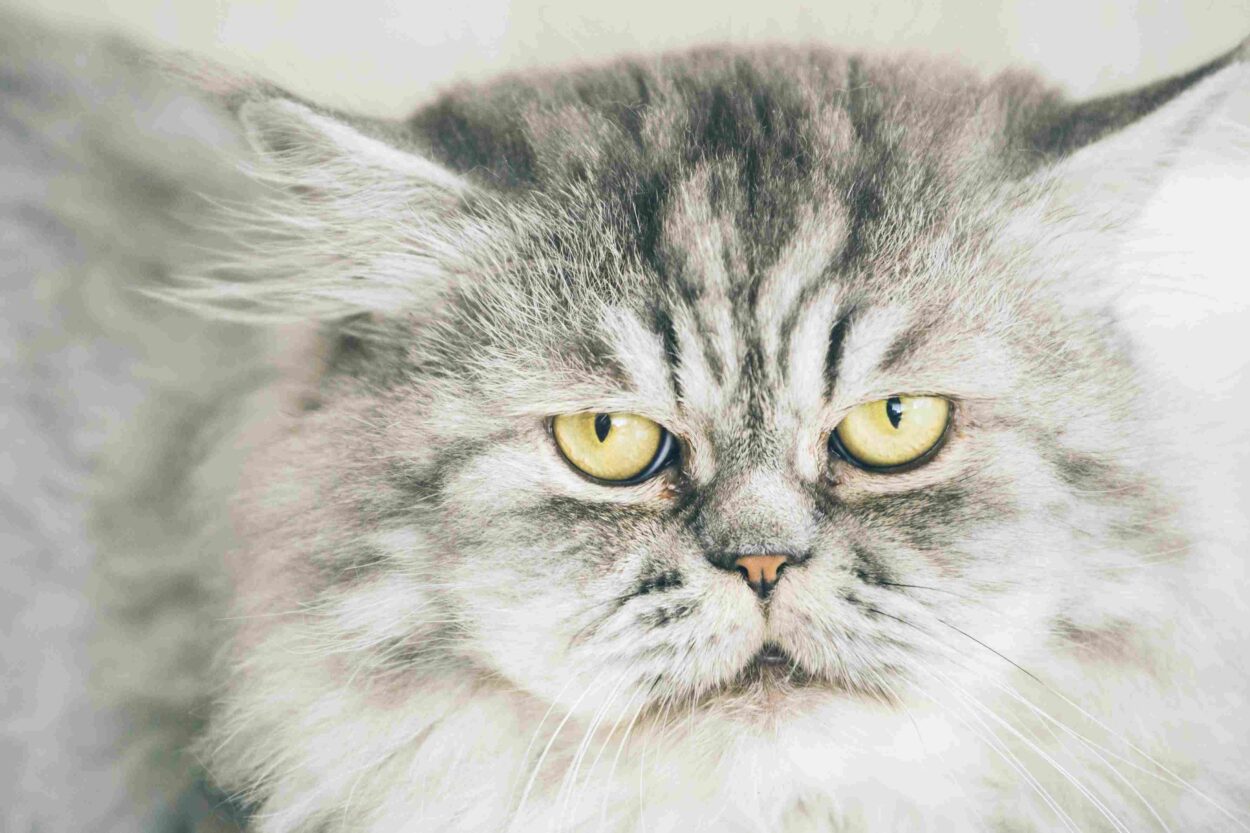
The Universities Federation for Animal Welfare has published assessments regarding the physical structural risks of short-muzzled breeds. UFAW points out that extreme facial shortening (brachycephaly) in certain Persian breeding lines direct contributes to chronic respiratory distress and ocular drainage issues, recommending careful parental health screening prior to breeding.
Cornell University Veterinary Cardiology Service on Inherited Heart Disease
Specialists at the Cornell University Hospital for Animals Companion Animal Cardiology Service emphasize the threat of Hypertrophic Cardiomyopathy (HCM)—a genetic disorder causing abnormal thickening of the heart muscle. HCM significantly affects breeds such as Maine Coons, Ragdolls, and Sphynx cats. Cornell specialists advise targeted cardiac screenings and responsible breeding practices to prevent passing HCM down through bloodlines.
Guinness World Records on Feline Longevity Upper Limits
Guinness World Records maintains official tracking of extreme feline longevity. In documenting Creme Puff’s 38-year, 3-day lifespan (August 3, 1967 – August 6, 2005), the organization clarifies that such ages are exceptional statistical outliers that do not reflect normal biological benchmarks achievable through routine diet or husbandry adjustments.
Implications for Pet Owners, Feline Welfare, and Senior Care
The 2024 VetCompass study and corresponding clinical guidelines highlight actionable steps owners and care providers can take to optimize feline health and maximize quality of life.
1. Weight Management and Body Condition Monitoring
The 2024 VetCompass study identified a clear association between non-ideal body weight (both obesity and underweight states) and reduced life expectancy.
- Overweight Risks: Excess body weight puts strain on joints, exacerbates mobility issues, and dramatically increases the risk of feline diabetes.
- Underweight Risks: Unexpected weight loss in mature or senior cats frequently signals underlying systemic illness, such as kidney disease or hyperthyroidism.
- Assessment Standard: A healthy cat should present an observable waistline when viewed from above, with ribs that can be easily felt under a light coat of flesh without pressing heavily.
[ Ideal Weight Profile ] ──> Ribs easily felt without heavy pressure + Visible waist from above2. Environmental Enrichment for Indoor Felines
Because indoor housing prevents trauma but risks sedentary behavior, owners must proactively create active environments. Effective indoor strategies include:
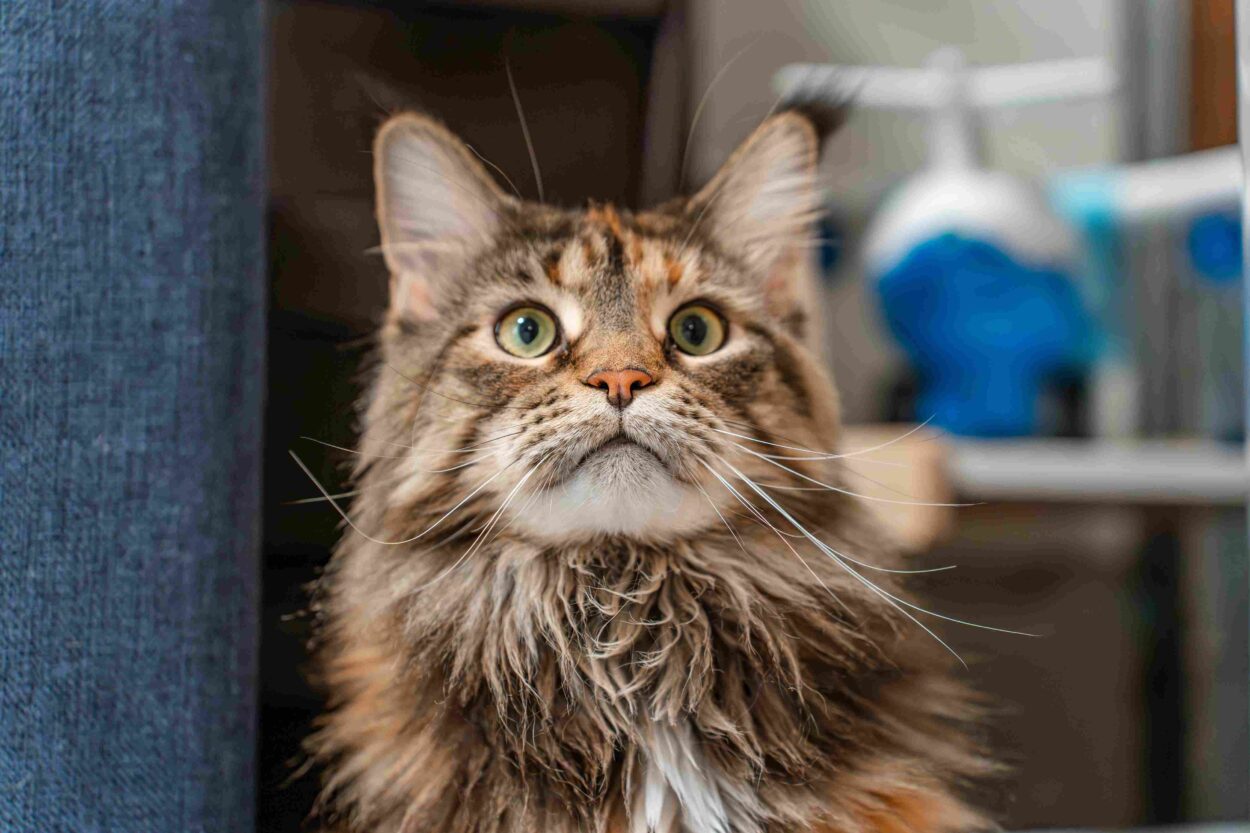
- Vertical Space: Installing cat trees and elevated shelves to fulfill climbing instincts.
- Interactive Play: Using fishing-rod toys and daily play sessions to simulate natural hunting sequences.
- Cognitive Feeding: Utilizing food puzzles to slow down eating and encourage active problem-solving.
- Resting & Hiding Areas: Providing designated safe zones, particularly in multi-pet households, to prevent inter-animal stress and territorial conflicts.
3. Monitoring Litter Box and Digestive Behaviors
Changes in elimination habits serve as key early diagnostic indicators for internal health conditions:
- Urinary Frequency & Straining: Increased frequency, vocalizing, or straining to urinate can indicate lower urinary tract inflammation or blockages. Straining with little to no urine output—especially in male cats—is a life-threatening medical emergency requiring immediate intervention.
- Inappropriate Elimination: Sudden urine spraying or avoiding the litter box may stem from territorial anxiety, but physical illness must first be ruled out by a veterinarian.
- Bowel Dynamics: Significant shifts in stool frequency or consistency require diagnostic evaluation to check for underlying digestive disorders.
4. Specialized Senior Cat Care Protocols
As cats pass their tenth birthday and enter their senior years, physical care routines must adapt:
Senior Care Focus:
 ├── Bi-Annual Vet Visits (Blood pressure, kidney & thyroid screenings)
 ├── Coat & Grooming Support (Assisting long-haired/arthritic cats)
 ├── Environmental Adaptations (Low-sided litter boxes, ramps, heated beds)
└── Ocular & Dental Inspections (Monitoring iris pigment spots & oral hygiene)- Grooming Assistance: Older cats, particularly long-haired breeds or those suffering from arthritis, often struggle to groom themselves independently. Daily brushing prevents matting and fur accumulation.
- Ocular Monitoring: Senior cats can develop small pigment spots on their irises; routine veterinary eye examinations ensure these changes remain benign.
- Resting Comfort & Accessibility: Older cats typically sleep even longer than the standard 12 to 16 hours seen in younger adults. Providing soft, easily accessible bedding away from cold drafts helps preserve joint comfort and overall quality of life.
Ultimately, while breed metrics establish general statistical population trends, an individual cat’s health trajectory is primarily governed by early medical intervention, weight control, environmental safety, and attentive daily care.