

























































In the rapidly evolving landscape of Baja California Sur, where minimalist, glass-and-steel luxury resorts are the new standard, one property stands as a defiant monument to the era that put Los Cabos on the global map. Hacienda del Mar Los Cabos, a sprawling coastal estate that has spent over three decades as a pillar of Mexican hospitality, has recently transitioned into an all-inclusive model. Yet, to categorize it alongside the typical, cookie-cutter all-inclusive resorts would be a disservice to its deep-rooted architectural charm and its commitment to elevated gastronomy.
Main Facts: A New Chapter for a Legacy Property
Hacienda del Mar, situated within the exclusive Cabo del Sol corridor, is far from a newcomer. Originally conceived in the mid-1990s during the first wave of large-scale, high-end beachfront developments in Los Cabos, the resort was designed to mirror the timeless aesthetic of a traditional Mexican hacienda. For two decades, it operated under the Sheraton flag, eventually joining Marriott’s Autograph Collection in 2020.
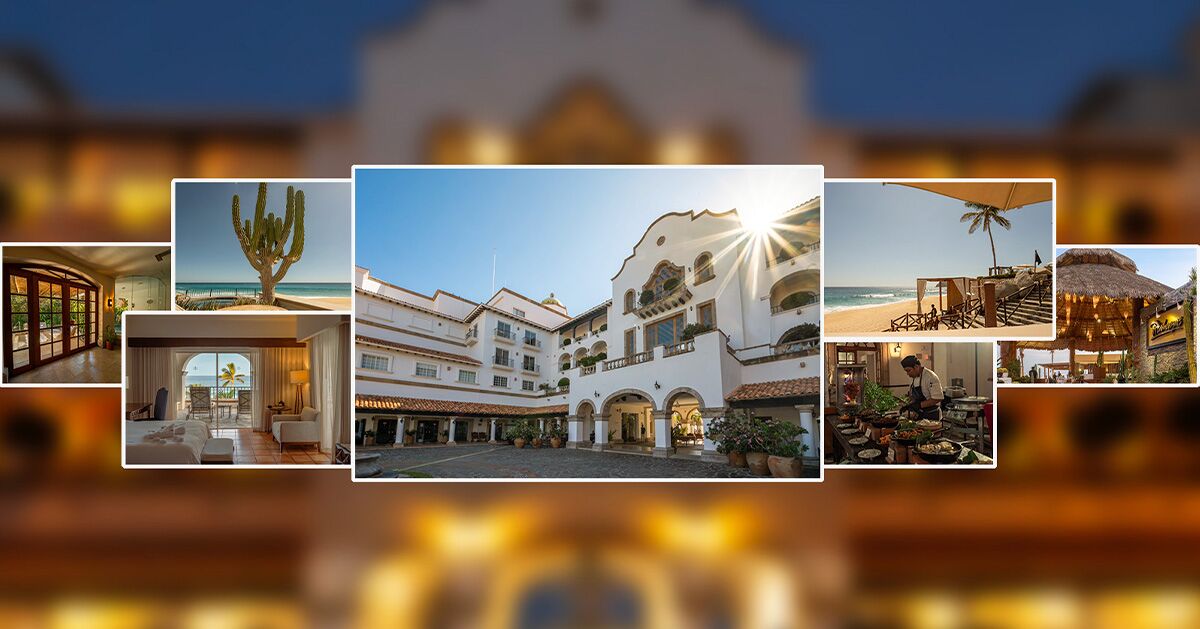
As of July 2025, the property officially pivoted to an all-inclusive format. While many resorts undergo this transition to streamline operations and appeal to the modern traveler’s desire for convenience, Hacienda del Mar has managed to retain its soul. The resort features seven distinct restaurants, an extensive array of pools, a tranquil spa, and an entertainment program that balances high-energy activities with the serene, contemplative atmosphere of its historic architecture.
A Chronology of a Baja Icon
The story of Hacienda del Mar is essentially the story of Los Cabos’ transformation into an international luxury powerhouse.
- Mid-1990s: The project breaks ground as a timeshare venture in Cabo del Sol, positioning itself as a destination that emphasized regional heritage, lush gardens, and expansive ocean views.
- 2000: The resort joins the Sheraton brand, cementing its status as a premier choice for travelers looking for consistent, upscale service in an authentic, villa-style setting.
- 2020: In a strategic move to align with a boutique-luxury aesthetic, the resort becomes part of the Marriott Autograph Collection, focusing on high-design and personalized experiences.
- July 2025: The property shifts its business model to become an all-inclusive resort, merging the convenience of a modern vacation package with the sophisticated culinary and architectural standards it has cultivated over 30 years.
Supporting Data: Gastronomy as the North Star
In the world of all-inclusive travel, dining is often the first casualty of cost-cutting. However, Hacienda del Mar has adopted a different strategy. According to Fatyma Camacho, the hotel’s social media manager, the resort’s primary differentiator in an oversaturated market is its food program.
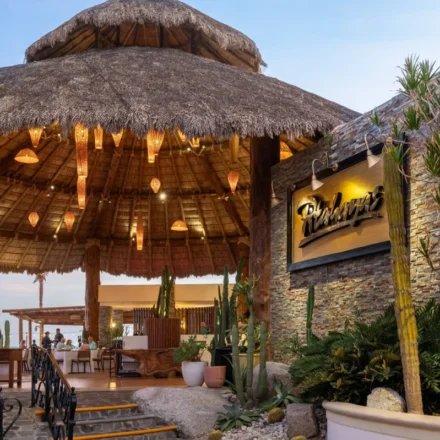
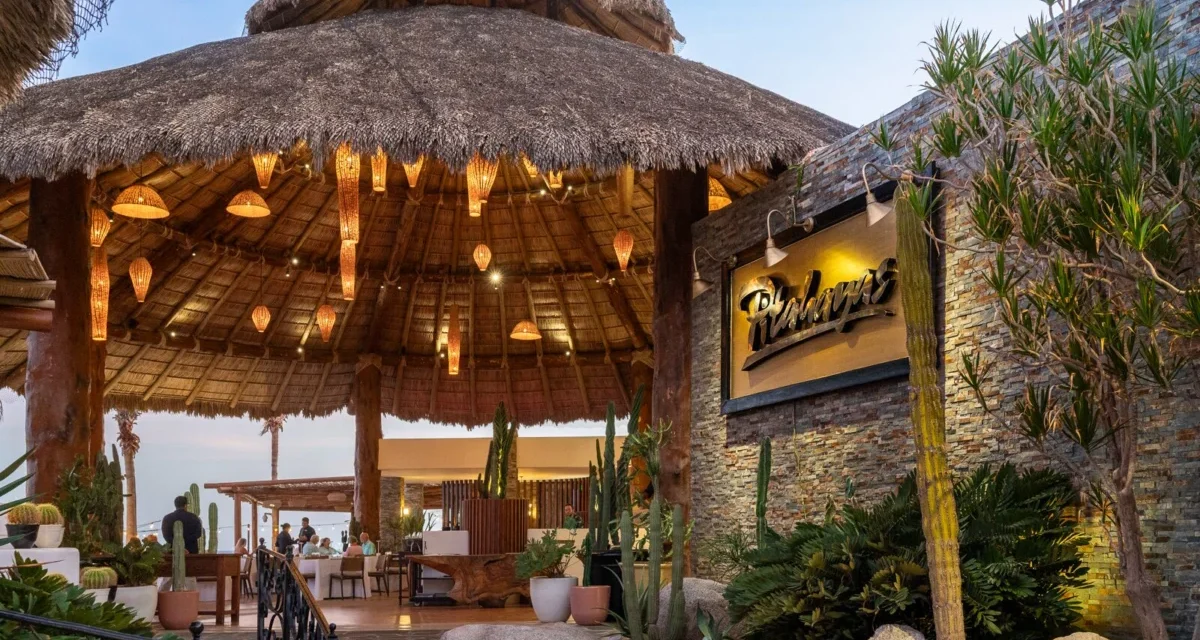
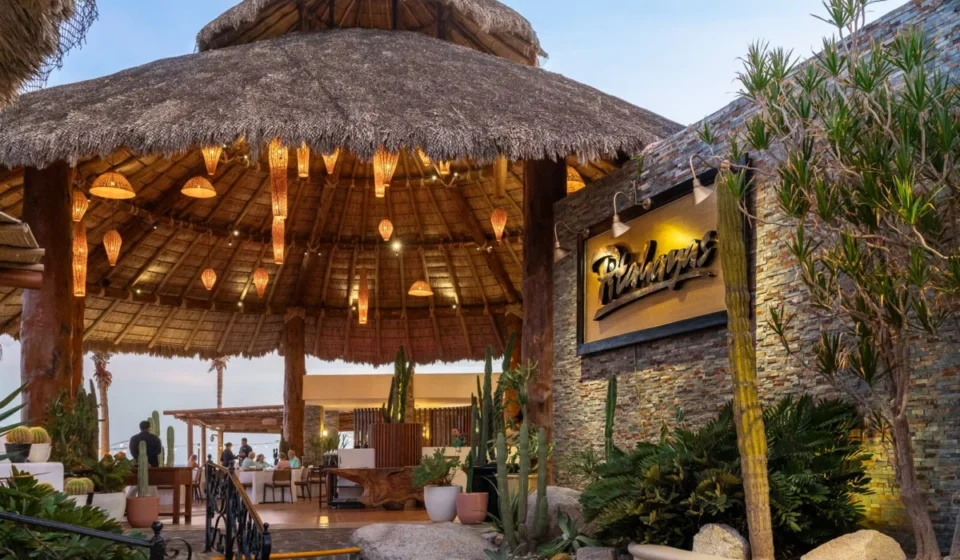
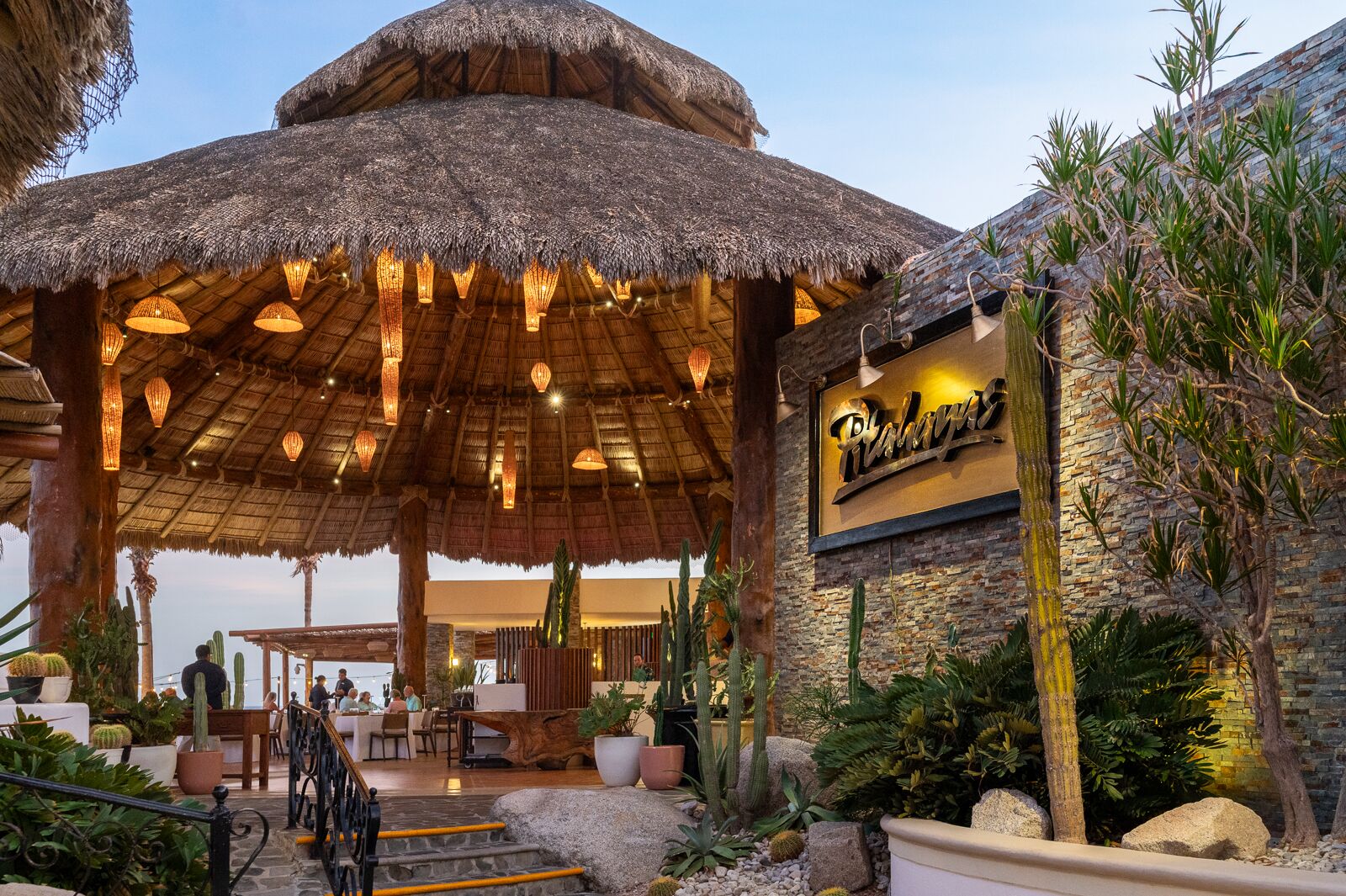
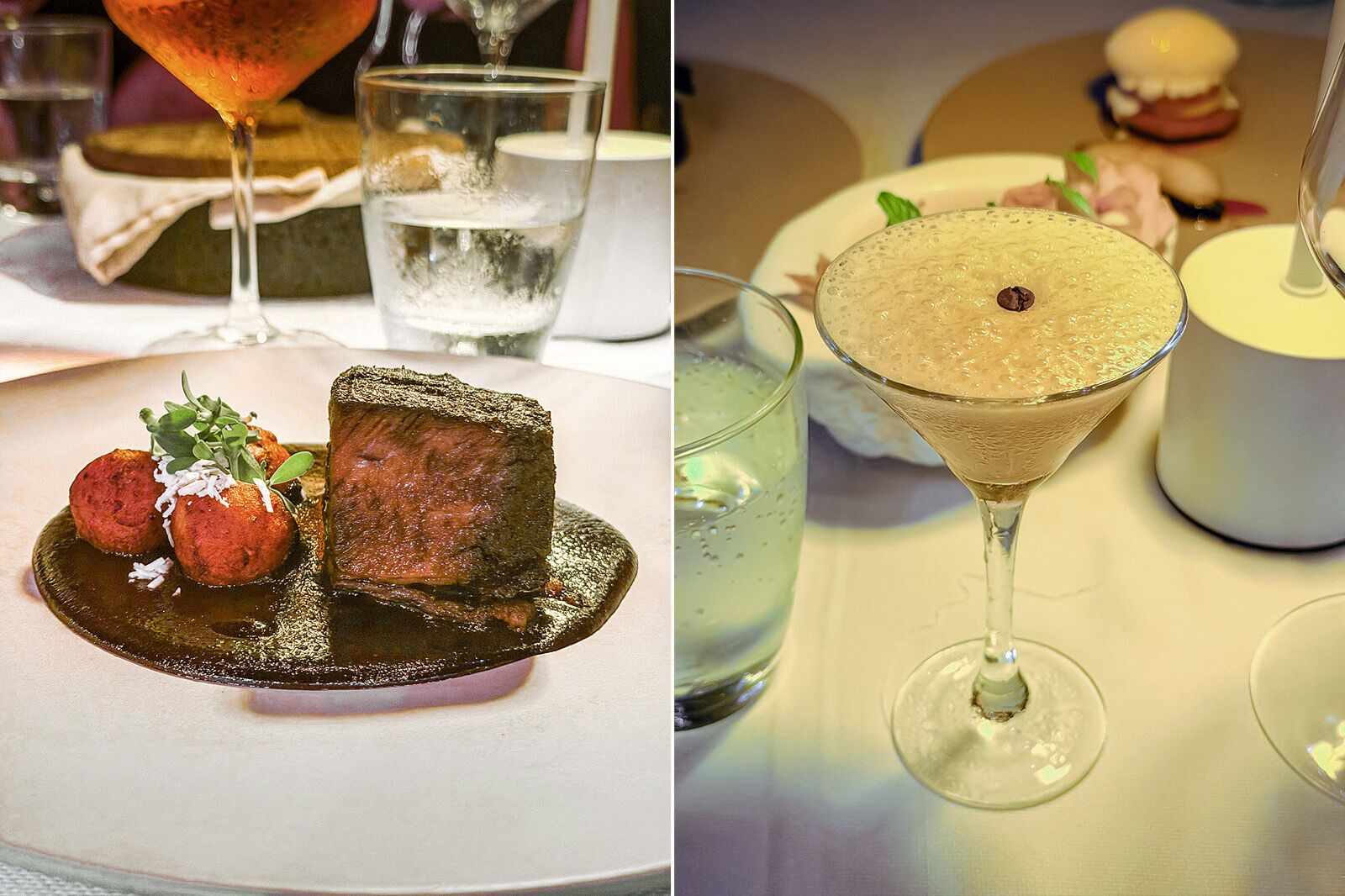
Led by Chef José Lazcarro, the culinary team at Hacienda del Mar treats the all-inclusive buffet and a la carte options with the same gravity one would find at a standalone fine-dining establishment. The standout, Pitahayas, serves as the prime example. Established in 1995, long before the current ownership structure, the restaurant remains a destination in its own right. Under its current iteration, it focuses on Pacific Rim-influenced Mexican cuisine, utilizing local ingredients to create a dining experience that is both sophisticated and deeply grounded in its geography.
The breakfast offerings further illustrate this commitment to quality. Moving beyond the standard scrambled eggs and bacon, the buffet features regional specialties such as molotes, tetelas, and panuchos. These are not merely fillers; they are deliberate nods to the culinary heritage of Mexico, ensuring that even a standard morning meal feels like an immersive cultural experience.
Official Perspectives: The Philosophy of "Included"
The challenge for the management team has been to balance the "all-inclusive" expectation—which often implies a certain level of homogenization—with the specific, old-world charm that defines the property.
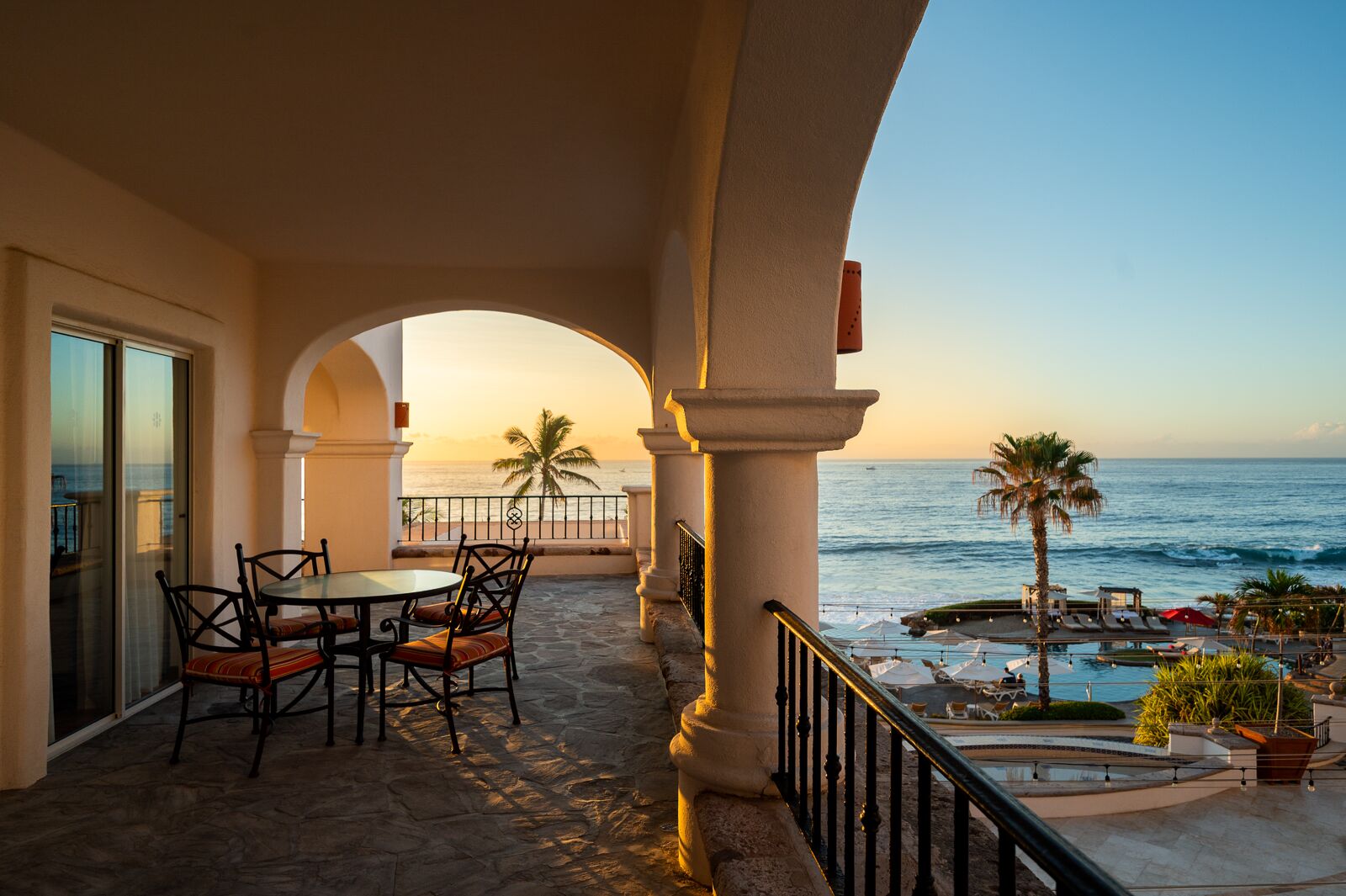
"The resort isn’t trying to be another sleek, modern box," notes staff. By maintaining its terracotta floors, hand-painted tiles, and sprawling, villa-arranged courtyards, the hotel intentionally avoids the "corporate resort" feel. When guests pay for their all-inclusive package, they are not just paying for access to drinks and meals; they are paying for the architectural integrity of a 30-year-old estate.
The strategy relies on a tiered experience. While the core of the stay is all-inclusive, guests are offered the option to curate their experience further. For instance, the multi-course dinner at Pitahayas is included, but guests can choose to upgrade their wine pairings or access premium spirits. This allows the resort to cater to both the budget-conscious traveler and the discerning epicurean without creating a sense of exclusion.
The Dual Atmosphere: Energy and Solitude
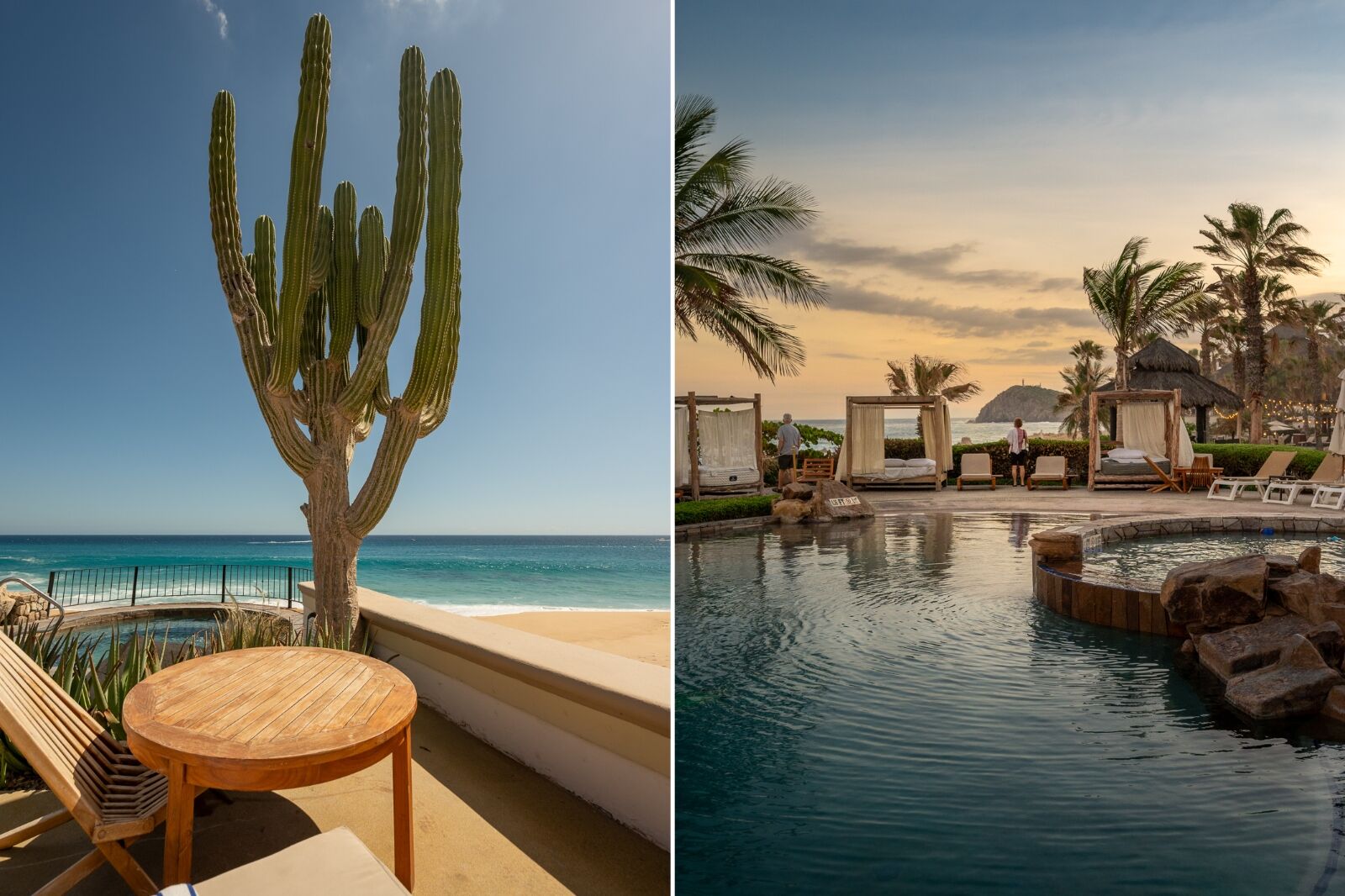
One of the most striking aspects of the Hacienda del Mar experience is the distinct contrast between its public and private spaces. During the daylight hours, the main pool area is a hub of activity. Guests participate in volleyball, fitness classes, and high-energy games, all supported by a constant flow of refreshments.
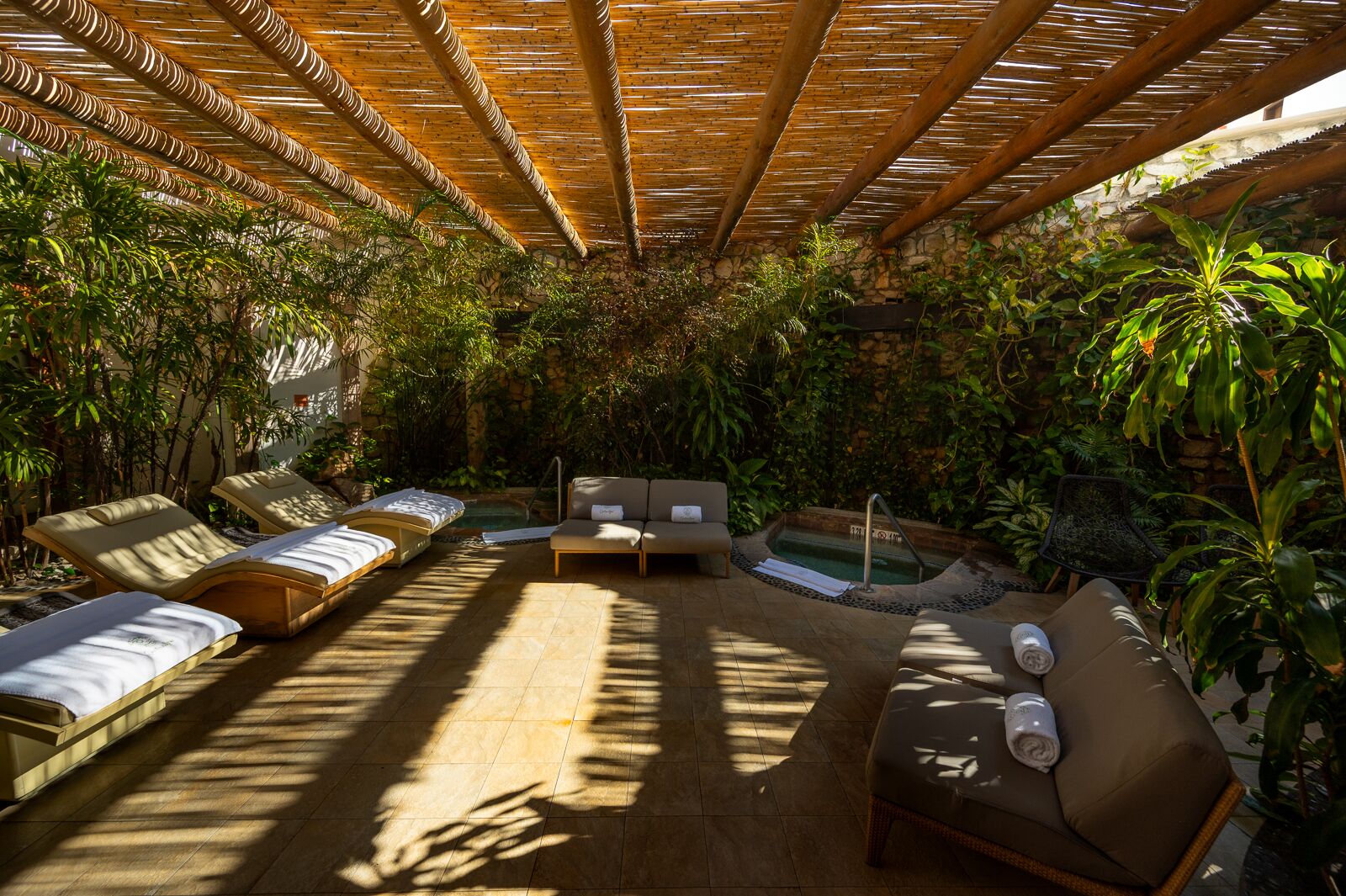
Yet, the property possesses an uncanny ability to turn inward. The Cactus Spa is a testament to this, offering a sanctuary of hydrotherapy pools, tropical plants, and quiet, wood-meshed ceilings that feel light-years away from the poolside entertainment. This duality allows the resort to serve as a versatile destination—it can be a vibrant playground for a family or a contemplative retreat for a couple seeking solitude.
Implications: The Future of the "Upscale All-Inclusive"
Hacienda del Mar’s transition into the all-inclusive market carries significant implications for the hospitality industry in Mexico. It proves that legacy properties do not have to undergo "renovation by demolition" to remain competitive. By embracing their history—the heavy wooden furnishings, the religious art, and the traditional layouts—these resorts can offer something that new-builds cannot: a sense of place.
As Los Cabos continues to attract new, ultra-modern luxury brands, there is a risk that the destination will begin to feel uniform. Hacienda del Mar serves as a necessary counterweight to this trend. Its success suggests that modern travelers are increasingly hungry for a hybrid experience: the ease of an all-inclusive stay paired with the personality and character of a historic boutique hotel.
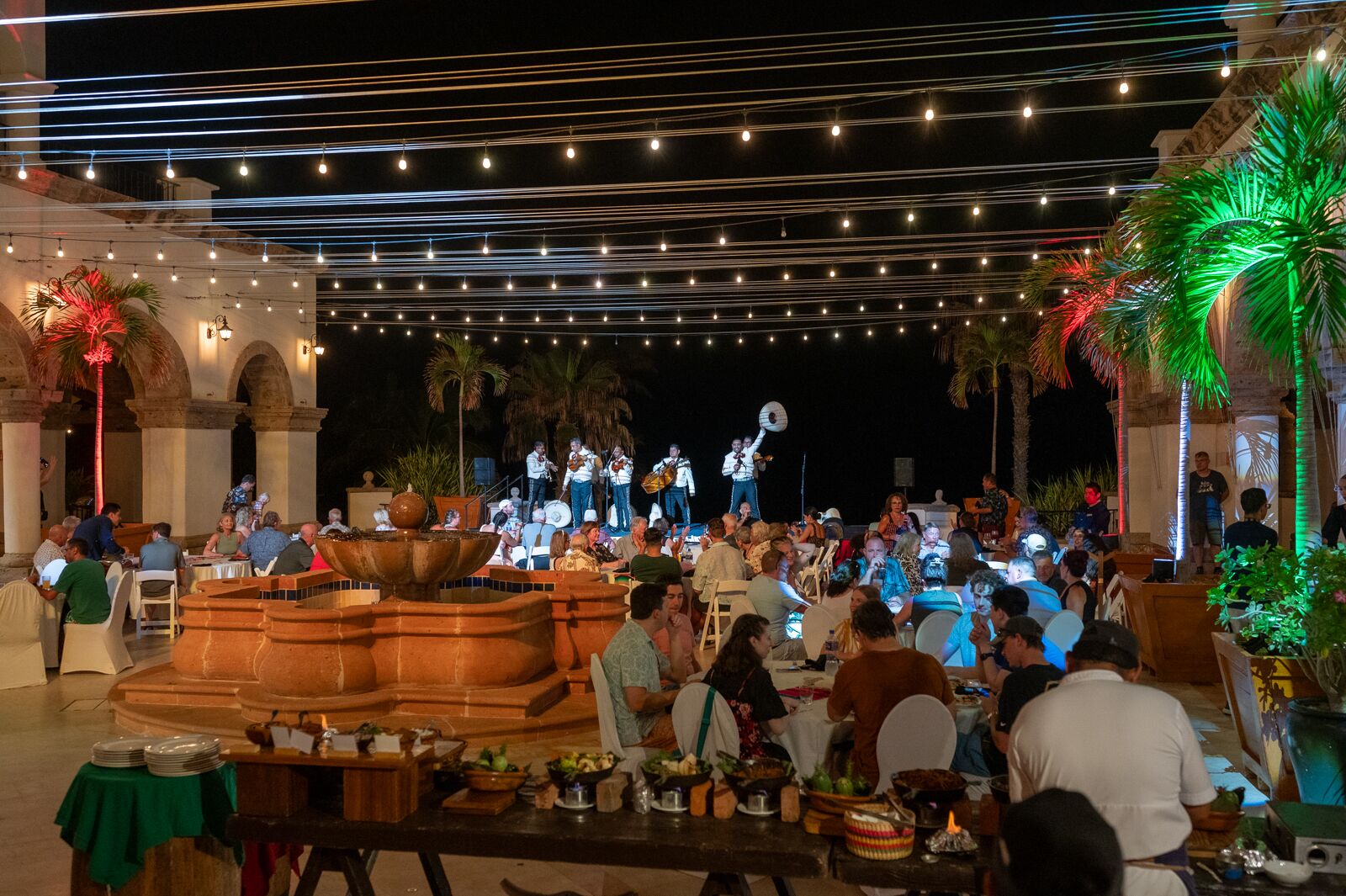
For the traveler, this means more choice. It means you can spend your morning doing yoga to the sound of the Pacific, your afternoon participating in a lively, DJ-led pool party, and your evening enjoying a world-class, multi-course meal in a restaurant that has been refining its craft for decades.
In the final assessment, Hacienda del Mar isn’t just a hotel; it is a survivor. It has navigated the changing tides of tourism by refusing to shed its identity. While it may not fit the conventional, minimalist mold that dominates the architectural magazines today, it offers something arguably more valuable: an authentic connection to the history of Los Cabos, served with a modern, effortless flourish. Whether you are listening to a live cover of Bohemian Rhapsody in the main plaza or watching a cruise ship fade into the horizon from the comfort of a private, balcony-lounger, the message is clear: Hacienda del Mar has found its place in the future by honoring its past.