






















































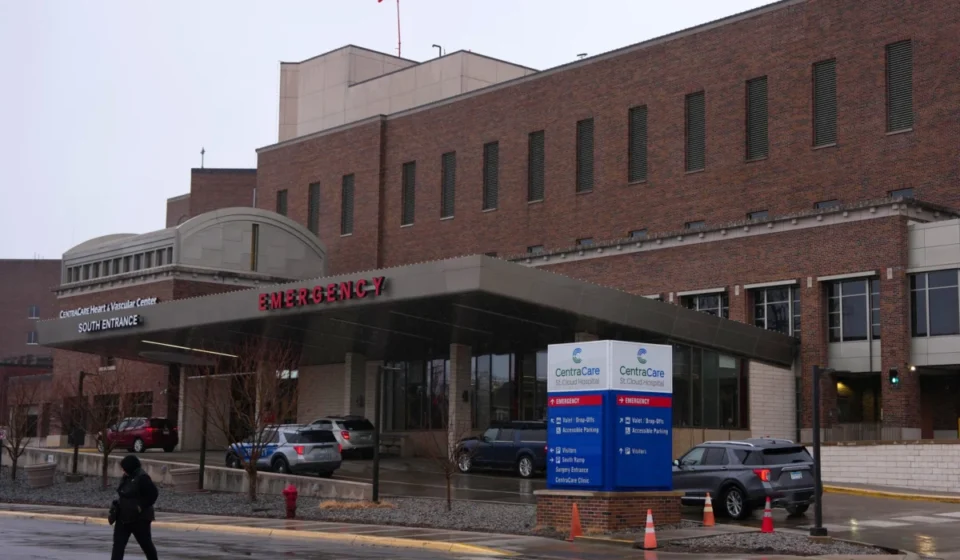

For years, the promise of the nonprofit hospital model has been rooted in a simple social contract: institutions receive millions of dollars in federal, state, and local tax exemptions in exchange for providing care to the communities they serve—particularly those who cannot afford it. However, a sweeping investigation by the Minnesota Star Tribune and KFF Health News has revealed a troubling reality: Minnesota’s hospitals are among the least charitable in the nation, often prioritizing aggressive debt collection over the financial well-being of the patients they are chartered to protect.
The Human Cost: A Patient’s Struggle
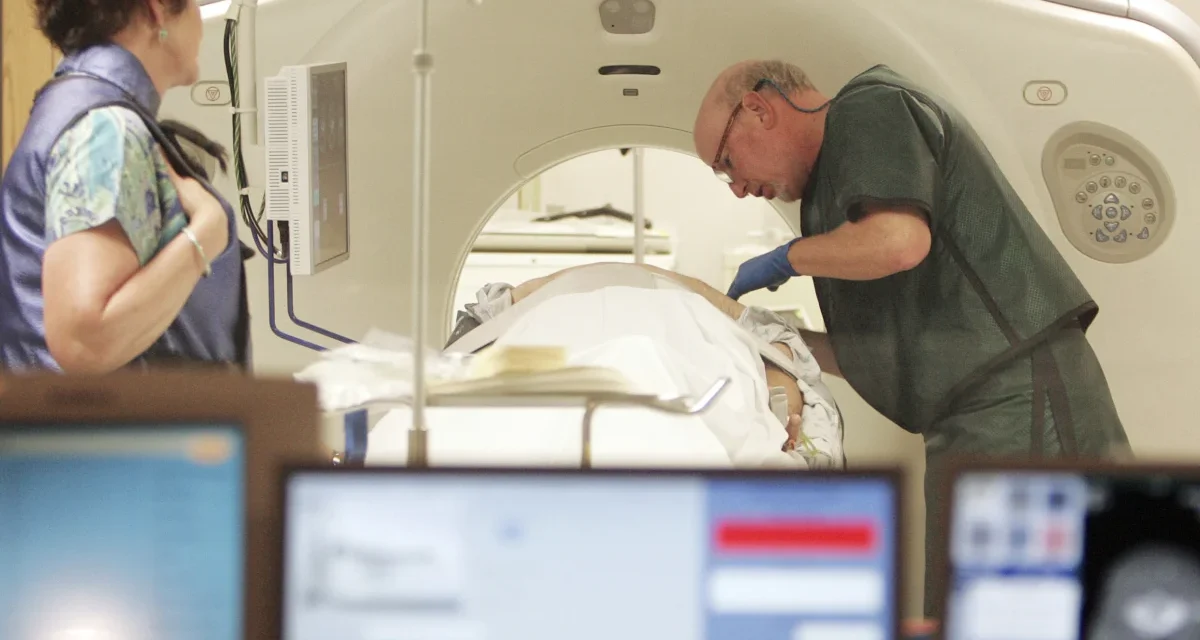
Cori Roberts’ story serves as a sobering case study of this systemic failure. Four years ago, the St. Cloud resident was navigating the dual trauma of a recent divorce and a diagnosis of early-stage cervical cancer. Despite her modest income of $41,000 as a human resources professional, she was blindsided by more than $8,000 in medical debt.
"I had my car and a basket of clothes," Roberts recalled. "Medical bills were not something I could have afforded."
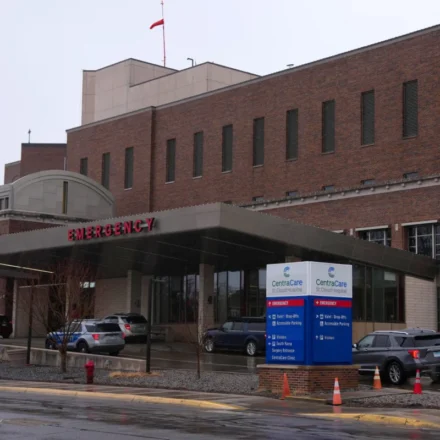
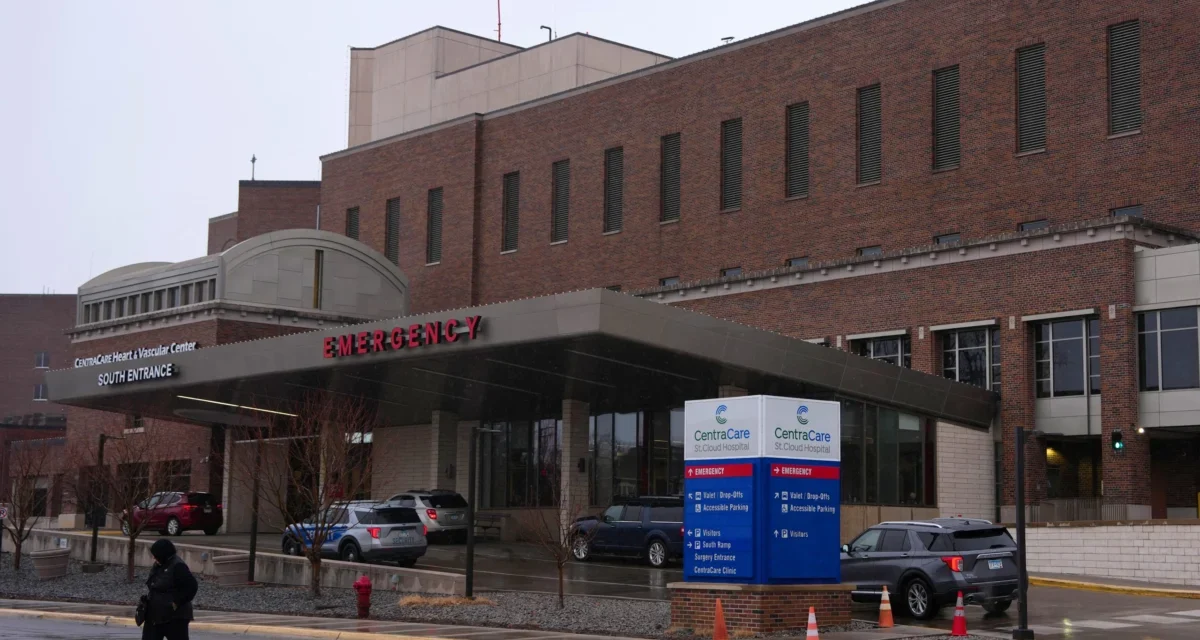
When she reached out to CentraCare, the nonprofit health system that treated her, she was denied financial assistance on the grounds that her income was too high. For two years, Roberts sacrificed necessities, skipping groceries and cutting back on holiday gifts for her children to chip away at the debt. Despite her efforts, CentraCare sued her last year for the remaining balance. The stress of the litigation forced her to take out a loan against her retirement savings to settle the account. Only then did the hospital drop the lawsuit.

"They’re supposed to be a nonprofit," Roberts said, reflecting on the experience. "It’s like, ‘Come on!’"
By the Numbers: A National Outlier
The investigation, which analyzed five years of hospital financial data and reviewed every charity care program in the state, found that Minnesota hospitals consistently underperform compared to their national peers.
Nationally, hospitals spend an average of approximately 2.4% of their operating budgets on charity care. In Minnesota, that figure is nearly three times lower. Of the state’s 123 general hospitals, 62 devoted less than 0.5% of their operating budgets to charity care between 2020 and 2024. CentraCare’s flagship facility in St. Cloud was found to spend less than 0.25%—equating to a mere $25 in patient aid for every $10,000 in operating expenses.
The data suggests that the state’s healthcare landscape is failing those it is meant to support. Erin Hartung, director of legal services at Cancer Legal Care, a nonprofit specializing in medical debt, did not mince words: "The system is not working. And the burden is falling hardest on the people who are least able to bear it."

The "Maze" of Eligibility
The lack of standardized criteria for charity care across Minnesota has created a chaotic, "maze-like" environment for patients. While some hospitals provide free care to individuals earning up to $47,000 annually, others cap eligibility at $15,000.
Furthermore, the application processes are often designed as barriers rather than bridges. Many institutions require invasive documentation, including bank statements, retirement accounts, mortgage records, and even appraisals of vehicles and livestock.
Jared Walker, founder of the nonprofit Dollar For, notes that these hurdles are intentional. "Hospitals have optimized to get payment," Walker explained. "If you want to get on a payment plan, if you want to get on a credit card, it’s so easy."
Patients like Arleen Mullenax, who underwent surgery for a neck tumor at the Mayo Clinic, describe the "cancer fog" of navigating these bureaucratic nightmares. "I knew as a former office manager I had to stay on top of it," she said. "But it was the most daunting thing I had to do as a patient."

Institutional Perspectives and Financial Pressures
Hospital executives argue that the narrative of "greedy hospitals" overlooks the complex financial realities of modern healthcare. They point to razor-thin operating margins, the high cost of labor, and the routine underpayment by government programs like Medicare and Medicaid.
"Rural hospitals like ours are often portrayed as though we are sitting on piles of cash and simply choosing not to spend it on charity care," said Robert Pastor, CEO of Rainy Lake Medical Center. "That is far from the reality. We are running on razor-thin margins while navigating escalating labor and supply costs."
Patti Banks, head of Ely-Bloomenson Community Hospital, echoed this sentiment: "I feel like I’m put in the position, being the hospital, where we have to defend being paid."
However, critics, including Minnesota Attorney General Keith Ellison, argue that these financial pressures do not absolve hospitals of their core mission. "There is a benefit you get from being a nonprofit hospital in the state of Minnesota," Ellison stated. "But do the people get the benefit?"

The Path Toward Reform
The scrutiny has begun to yield results. In 2024, state lawmakers passed legislation banning hospitals from denying care to patients based on outstanding debt. Additionally, a state-led investigation into the Mayo Clinic’s practices led to a landmark agreement to overhaul their charity care policies. Following the intervention, Mayo’s charity care spending nearly doubled.
Attorney General Ellison and lawmakers like Sen. Liz Boldon are now pushing for further structural reforms, including:
- Standardized Eligibility: Creating uniform income thresholds across the state to eliminate the geographic lottery of care.
- Automatic Enrollment: Requiring hospitals to use screening software to identify eligible low-income patients, removing the need for arduous applications.
- Increased Transparency: Mandating clearer, more accessible information regarding financial aid on hospital websites.
While the Minnesota Hospital Association has resisted these mandates, citing increased bureaucratic strain, the success of systems like Sanford Health—which uses automated eligibility screening—suggests that solutions are within reach.
Implications for the Future
The urgency of this issue is compounded by a shifting economic landscape. As the state’s uninsured rate climbs to its highest level since 2017 and federal budget pressures threaten to impact Medicaid, the safety net provided by charity care will become even more vital.

For patients like Cori Roberts, the current system remains a source of profound frustration. When she looks at the expansive construction projects at major hospital campuses, she sees a disconnect between the industry’s growth and its commitment to human compassion.
"They have all the money," Roberts said. "But they can’t grant a good person some grace?"
As Minnesota moves into the next legislative session, the debate over charity care is likely to remain at the forefront. The fundamental question for policymakers and health system leaders remains: Is a tax-exempt status a reward for past excellence, or an obligation to provide for the most vulnerable among us? Until the state addresses the opaque, inconsistent, and often predatory nature of medical billing, the "price of healing" may continue to be a debt that many Minnesotans simply cannot afford to pay.