





































Introduction: The Political Heartland Converges
In the sprawling, sun-drenched fields of Morgan, Minnesota, the annual pilgrimage to Farmfest serves as more than a celebration of agricultural innovation and rural commerce. It acts as the definitive litmus test for candidates navigating the final, high-stakes stretch of the state’s primary election season. As the August 11 primary looms, the dusty fairgrounds transformed this week into a bustling epicenter of political theater, where the pressing concerns of Greater Minnesota—ranging from federal farm subsidies to infrastructure and inflation—clashed with the ambitious platforms of those seeking to represent the state in St. Paul and Washington, D.C.
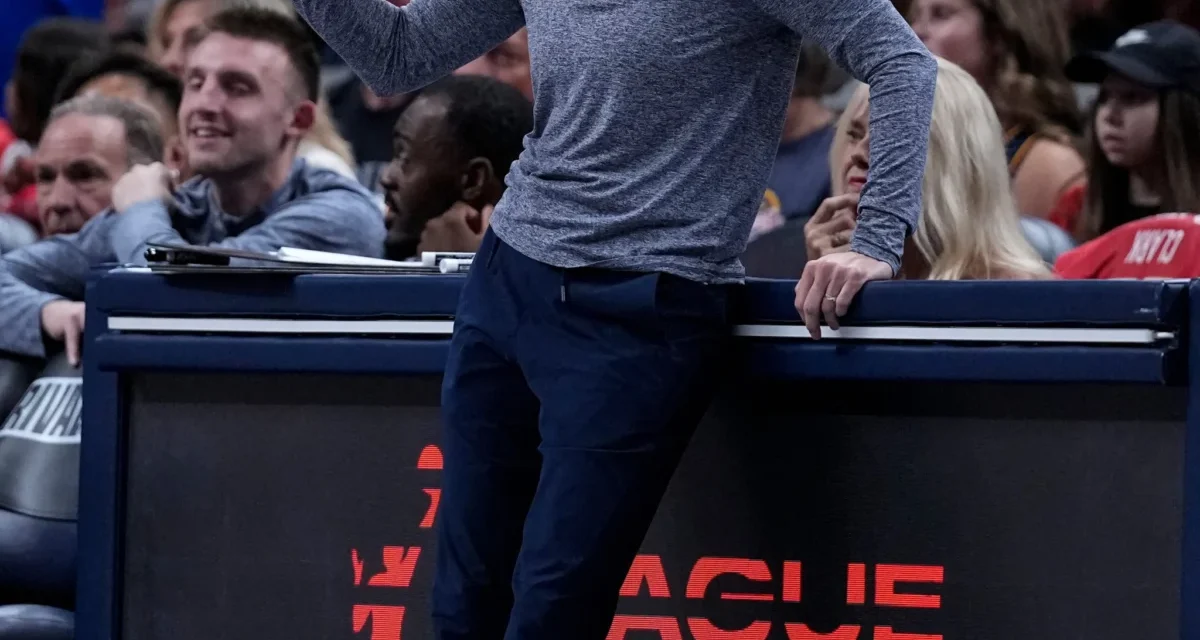
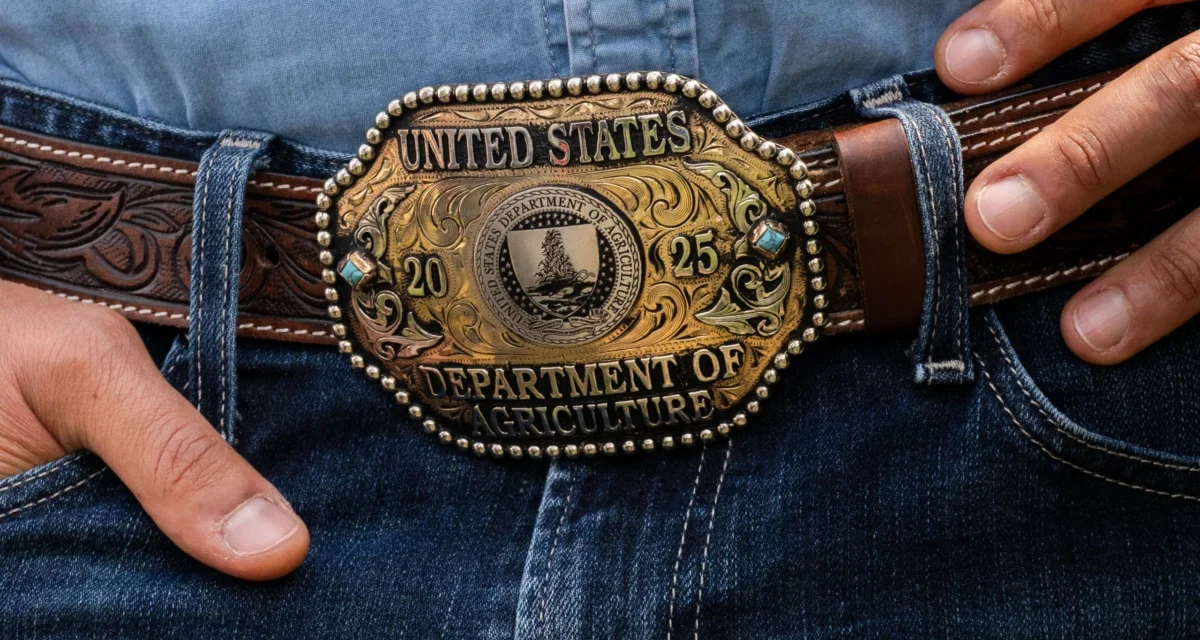
For two days, MinnPost photographer Bridget Bennett captured the visceral reality of this political ritual: the intense, televised candidate forums, the frantic "media scrums" where journalists vied for soundbites, and the exhaustive, repetitive cycle of handshakes that remains the bedrock of Minnesota retail politics.

Main Facts: The Stakes of the August 11 Primary
The 2024 iteration of Farmfest carries particular weight due to the compressed nature of the election cycle. With primary day falling on August 11, the candidates currently roaming the rows of machinery and seed-company booths are in a "sprint phase."
Key races highlighted at the event include:

- The Gubernatorial Outlook: Incumbent and challenger platforms are being stress-tested against the backdrop of rural economic anxiety.
- The U.S. Senate Contests: Candidates are articulating their visions for federal agricultural policy, attempting to balance the needs of industrial farming with the growing calls for sustainable, climate-resilient practices.
- Congressional Districts: With several seats in flux, rural voters are demanding clarity on how D.C. policies directly impact the bottom line of a family-run Minnesota farm.
The event remains one of the few places in the American political landscape where the distance between the governed and the representative is physically bridged by a simple, firm handshake.
Chronology: A Two-Day Political Marathon
Day One: The Macro-Policy Debates
The opening day of the festival was dominated by the heavyweights of the gubernatorial and senatorial races. The morning sessions were characterized by formal, moderator-led forums where candidates adhered to strict time limits. As the sun reached its zenith, the atmosphere shifted to the "media scrums." Here, the polished messaging of the forums gave way to the raw, unscripted reality of press questioning.

Photographer Bridget Bennett noted that the energy was palpable. The candidates moved from the stage to the crowd, engaging in what is colloquially known as "the fence-line campaign." Every interaction was a calculation: a handshake with a local dairy farmer, a photo op with a 4-H club member, and a brief, focused conversation with a local county commissioner.
Day Two: The Ground Game
By the second day, the focus shifted to the "retail" aspect of campaigning. The major stages saw less traffic, replaced by candidate visits to individual booths and smaller, localized town halls. This is where the true work of the campaign happens. Candidates moved through the crowd, often appearing exhausted, yet maintaining the requisite enthusiasm for the cameras and the voters. The sheer volume of handshakes observed—thousands over the course of 48 hours—highlights the physical endurance required to run for office in Minnesota.

Supporting Data: The Agricultural Economic Landscape
To understand why Farmfest is the premier venue for political discourse, one must look at the data governing Minnesota’s agricultural sector. According to recent reports from the Minnesota Department of Agriculture, the state remains a top-tier producer of corn, soybeans, and pork. However, the industry is currently navigating a period of intense volatility.
- Input Costs: Fertilizer, fuel, and equipment costs have risen by an estimated 15-22% since 2022, placing immense pressure on farm margins.
- Trade Relations: Rural voters are increasingly concerned about the stability of international trade agreements, which heavily influence the export viability of Minnesota’s harvest.
- The Broadband Gap: A recurring theme at the forums was the persistent "digital divide." Despite significant state investment, large swaths of rural Minnesota still lack the high-speed connectivity necessary for modern, precision agriculture.
Candidates who can offer concrete solutions to these three metrics are finding significantly more traction than those relying on abstract national party rhetoric.

Official Responses: Candidate Messaging
During the forums, the consensus among participants was clear: the rural vote is not a monolith, but it is a prioritized demographic.
One Senate candidate noted during a breakout session, "You cannot win Minnesota if you don’t show up in Morgan. The people here are the backbone of our economy, and they don’t care about the talking points they hear on cable news. They want to know what you’re going to do about the price of diesel and the availability of labor."

Conversely, gubernatorial challengers used the platform to critique current state-level initiatives, arguing that rural Minnesota has been sidelined in favor of the Twin Cities metro area. "We are here to talk about the forgotten corners of our state," one challenger stated during a heated exchange. "The primary isn’t just about party affiliation; it’s about whose agenda actually reaches the farm gate."
Incumbents, meanwhile, focused on record-keeping, citing legislative successes in state funding for rural infrastructure and disaster relief for farmers affected by recent weather events.

Implications: What This Means for August 11
The implications of the events at Farmfest are immediate. For the voters in attendance, the primary election is a chance to filter out candidates who are merely performing for the cameras versus those who understand the granular realities of their lives.
The "Handshake Effect"
While social media and television advertising dominate modern campaigns, the "handshake effect" remains the most potent tool in a candidate’s arsenal. The ability to look a voter in the eye, listen to their concerns about property taxes or crop insurance, and provide a coherent, empathetic response creates a ripple effect of local influence that data-driven digital ads simply cannot replicate.

Voter Engagement
Historically, primary turnout in Minnesota has been modest. However, the density of high-profile candidates at this year’s Farmfest suggests that party organizations are working overtime to generate enthusiasm. The intensity seen in the media scrums and the forums is a precursor to what is expected to be a high-turnout, highly contentious primary season.
The Road Ahead
As the candidates pack up their booths and leave Morgan, the focus shifts to the final week of campaigning. The lessons learned in the heat of the Minnesota summer will dictate the closing messages of these campaigns. Candidates who successfully translated their policy platforms into the language of the farm community are likely to see the benefits when the ballots are cast on August 11.

Conclusion: The Endurance of the Rural Primary
Farmfest 2024 served as a poignant reminder that despite the technological advancements of the modern campaign, the heart of Minnesota politics remains firmly rooted in the soil of its rural communities. Whether it is the flash of a photographer’s bulb or the grip of a candidate’s hand, the interactions documented by Bridget Bennett underscore a fundamental truth: in Minnesota, you earn your votes one conversation at a time. As the state moves toward the primary, the echoes of the debates held in Morgan will continue to reverberate, shaping the political destiny of the state for the next two years. The candidates have made their pitch; now, the decision rests with the voters.