














































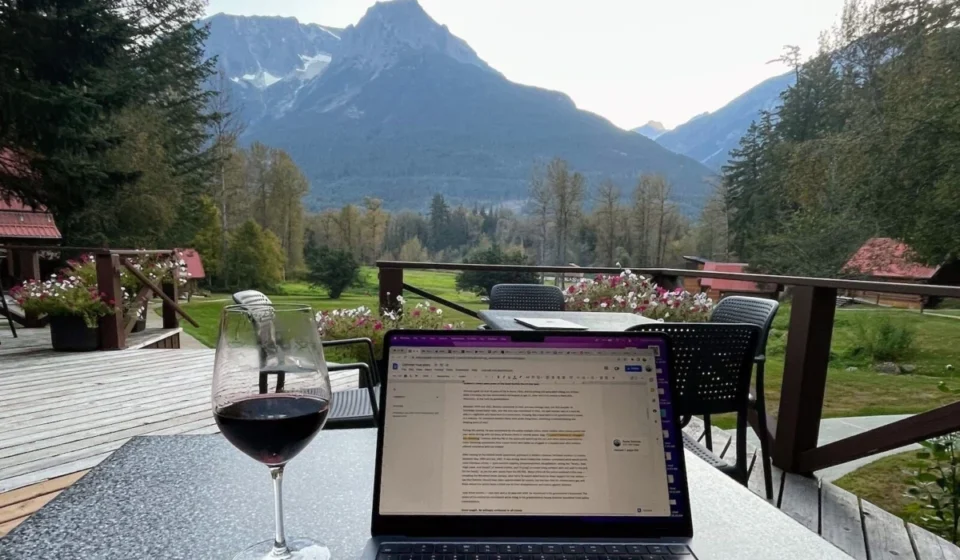

In the era of remote work and the "always-on" economy, the definition of a vacation has undergone a radical transformation. For the modern professional, travel is no longer a total departure from reality; it is a fluid integration of exploration and responsibility. Yet, a growing trend in the hospitality industry—the deliberate withholding of Wi-Fi under the guise of "mindfulness"—has sparked a quiet but significant backlash among travelers.
For the professional nomad, the freelance worker, and the executive with responsibilities, the absence of internet is not a luxury wellness experience; it is an operational hazard. As hotels increasingly market their lack of connectivity as a curated benefit, many guests are left wondering: since when did a service provider gain the right to dictate how a guest manages their own time?
The Reality of Remote Professionalism
To clarify, this critique does not target the truly isolated. If a traveler ventures to a remote jungle lodge in the Amazon, a backcountry ski hut, or a tented camp in the Gobi Desert, the lack of signal is an expected, inherent feature of the geography. In these instances, the absence of infrastructure is a logistical reality, not a curated design choice.
The grievance lies with the modern, accessible hotel that possesses the capability to provide internet access but intentionally chooses not to. These establishments often market their "Wi-Fi-free" zones as a gift to the guest—an opportunity for a "digital detox" or a "mindful reconnection with nature." However, for the millions of people whose livelihoods depend on maintaining a digital pulse, this forced disconnection is the antithesis of relaxation.
For a freelancer, checking email for 90 seconds a few times a day is the difference between peace of mind and chronic anxiety. It is the ability to confirm that no crises are unfolding at home or in the office. Once that check is complete, the phone can be tucked away, and the hiker can return to the trail with a clear head. Without that option, the guest is trapped in a cycle of uncertainty, unable to truly relax because they are perpetually worried about what they might be missing.
Chronology of the "Wellness" Trend
The rise of the "disconnected" hotel experience gained significant momentum in the mid-2010s, riding the coattails of the broader wellness and "JOMO" (Joy of Missing Out) movements.

- 2015–2018: Boutique hotels began branding their lack of Wi-Fi as a "premium" feature, framing the absence of connectivity as a way to provide a sanctuary from the noise of modern life.
- 2019–2021: During the pandemic, the desire for isolation peaked. Many properties utilized this time to overhaul their "tech-free" marketing, pitching it as a therapeutic escape from the stressors of a global health crisis.
- 2022–Present: As the hybrid work model solidified, the divide between "digital-friendly" hotels and "wellness-centric" properties grew. Travelers began to push back, noting that for the modern worker, the freedom to choose whether or not to connect is more valuable than the forced absence of it.
The Psychology of Autonomy: Who Owns Your Attention?
The most patronizing aspect of the "no-Wi-Fi" rule is the underlying assumption that guests lack the self-control to manage their own technology. By removing the option to connect, hotels are effectively treating adults like children who must be protected from their own habits.
The logic follows that if a hotel makes it physically impossible to "doomscroll," the guest will be forced to be "mindful." But true mindfulness is a practice of choice, not a state of enforced deprivation. If an individual wishes to unplug, they are perfectly capable of putting their phone in a drawer or turning it off. They do not need a business to enforce that decision upon them.
Furthermore, this infantilization ignores the reality of modern employment. Many professionals enjoy the privilege of remote work precisely because they have the flexibility to work from anywhere. They have built their lives around this autonomy. To have a hotel unilaterally strip away that autonomy is, in effect, a breach of the unspoken contract between the traveler and the host.
Supporting Data and Worker Demographics
According to recent travel industry reports, the demographic of people who travel while working—often termed "bleisure" (business and leisure) travelers—has grown by over 30% since 2020.
- The Freelance Economy: A significant portion of these travelers are independent contractors. For them, a missed email is not just an inconvenience; it can mean a missed contract or a lost client.
- The "Urgency" Threshold: Studies on digital habits suggest that most high-functioning professionals do not suffer from constant connectivity. Instead, they use intermittent checks to manage their workflow. The "all-or-nothing" approach favored by these hotels forces a binary state that does not reflect the nuanced reality of professional life.
- The Paradox of Choice: Data suggests that when guests are given the choice between connecting or not, they are more likely to report high levels of satisfaction. When that choice is removed, resentment builds, regardless of how scenic the property may be.
The "Big Brother" Effect: Implications for Hospitality
When a hotel frames the lack of Wi-Fi as a "benefit" they are providing to the guest, they are engaging in a form of gaslighting. If a business decides to save on the costs of high-speed infrastructure, they should be transparent about it. Masking a budget-cutting measure—or a management preference—as a moral or wellness imperative is disingenuous.
The implications for the hospitality industry are clear:
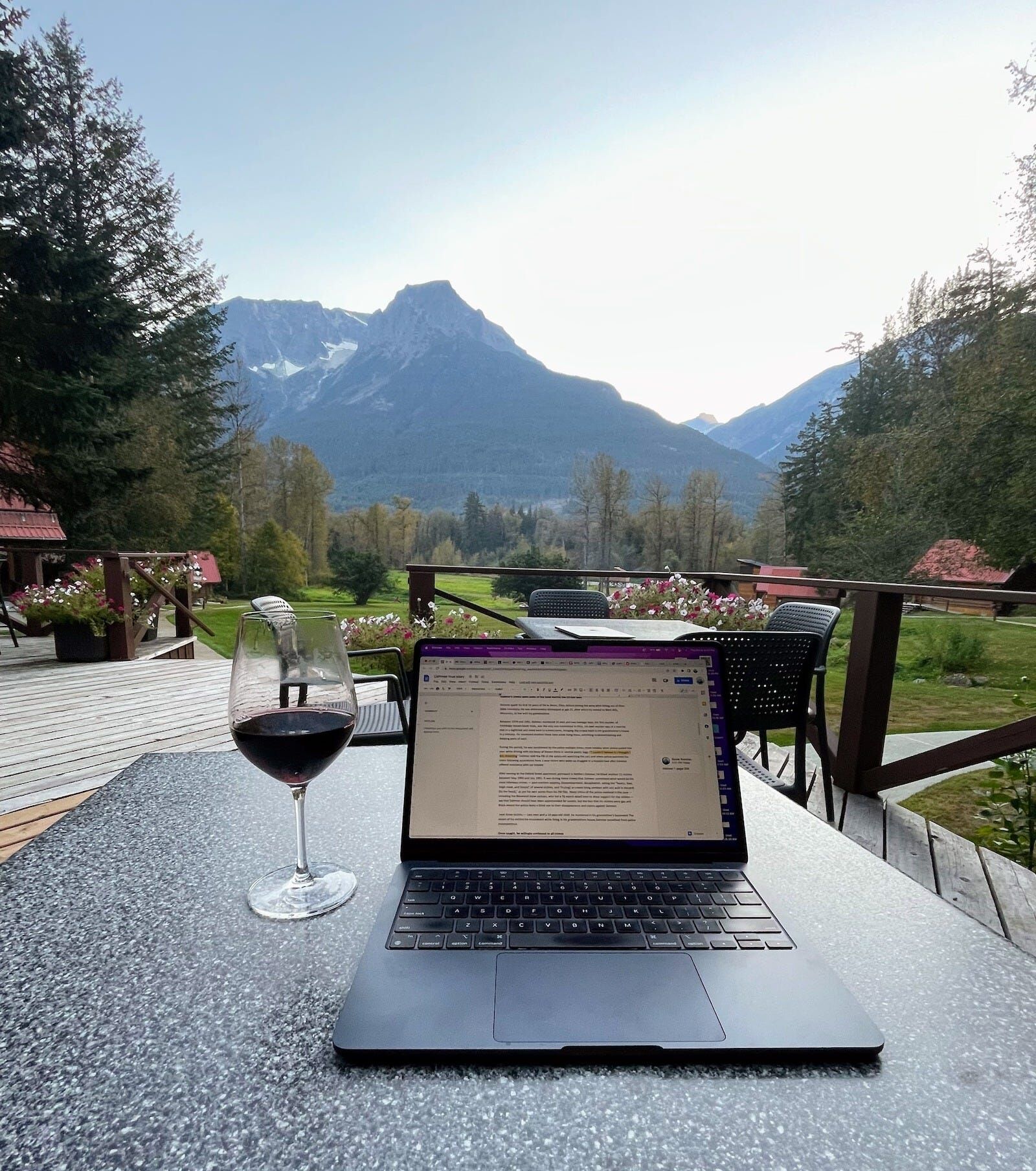
- Loss of Repeat Business: The modern traveler is increasingly vocal about their needs. Hotels that cater to the "forced detox" crowd are alienating a growing segment of the population that requires connectivity to sustain their lifestyle.
- The Rise of the "Co-working Hotel": Conversely, hotels that lean into high-speed, reliable, and accessible Wi-Fi are seeing higher retention rates. These properties understand that a productive guest is a happy guest.
- Boundary Erosion: By forcing a disconnection, hotels are actually contributing to stress. If a professional knows they are unreachable, they are more likely to be anxious about the potential for unaddressed emergencies. Connectivity actually provides the security necessary to truly disconnect.
Conclusion: Leave the Choice to the Guest
There is no inherent nobility in being unable to access the internet. A person is not more "spiritual" or "connected to nature" because they are unable to send a work email or check the weather.
If a hotel truly wants to support the wellness of its guests, it should focus on providing an environment that encourages relaxation while respecting the professional realities of its patrons. This means offering comfortable spaces, great service, and, yes, high-speed, reliable Wi-Fi.
If a guest wants to unplug, they have the agency to turn off their devices. The hotel’s job is to provide the infrastructure, not to act as a digital nanny. In the end, the most luxurious thing a hotel can offer a modern traveler isn’t a "forced" detox—it is the freedom to choose how they spend their time.
As we look toward the future of travel, it is time for the hospitality industry to abandon the high horse of forced mindfulness. Leave the Wi-Fi on. If we don’t want to use it, we won’t. That is, and should remain, entirely our decision.