




















































For the modern traveler, the journey between major European hubs—like Lisbon to Porto or Prague to Salzburg—has evolved from a logistical necessity into a curated experience. As travelers increasingly prioritize “slow travel” and immersive cultural pitstops, data from the travel platform Daytrip has revealed a shifting landscape in European tourism.
According to the latest booking data for fall 2026, American travelers are eschewing direct transfers in favor of high-value, culturally dense stopovers. From the gilded halls of Portuguese universities to the record-breaking swells of the Atlantic coast, these intermediate destinations are no longer mere "comfort breaks"—they are becoming the highlights of the itinerary.
Main Facts: The Rise of the Strategic Stopover
The data, derived from thousands of booking requests, highlights a distinct trend: travelers are looking for destinations that offer a high “cultural density” per square mile. While global icons like Paris, Rome, and London remain the primary anchors of any European vacation, the intermediary stops are where the character of a region truly shines.
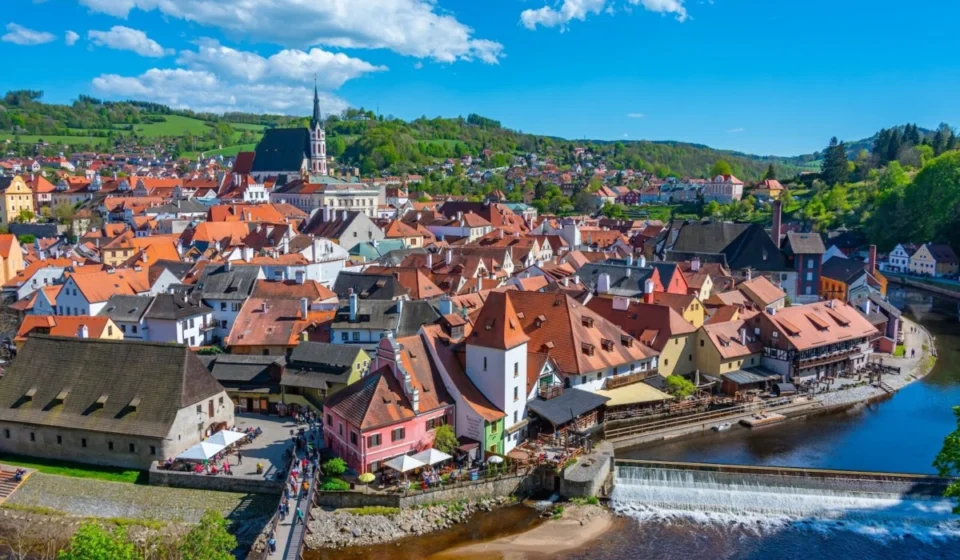
The rankings, which include global powerhouses like Pompeii and Cesky Krumlov, showcase a clear preference for historic preservation and unique sensory experiences. In Portugal, in particular, secondary cities are experiencing a renaissance. Coimbra, Aveiro, Óbidos, and Nazaré have solidified their positions as essential waypoints, transforming the coastal and inland routes of the Iberian Peninsula into a vibrant tapestry of history, gastronomy, and adventure.
Chronology and Evolution of the European Route
The transformation of these towns from "sleepy villages" to "must-visit destinations" has been a decade-long evolution.
The Medieval Foundations
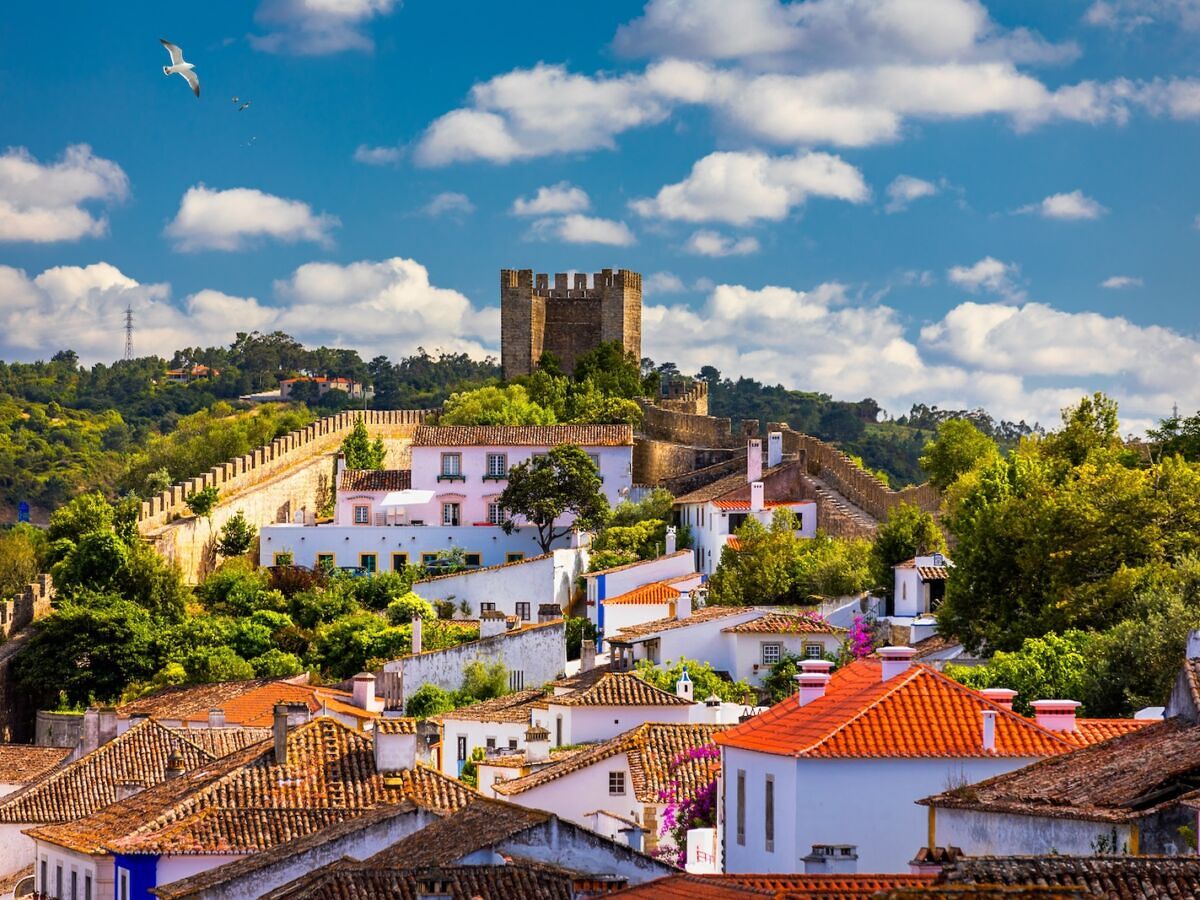
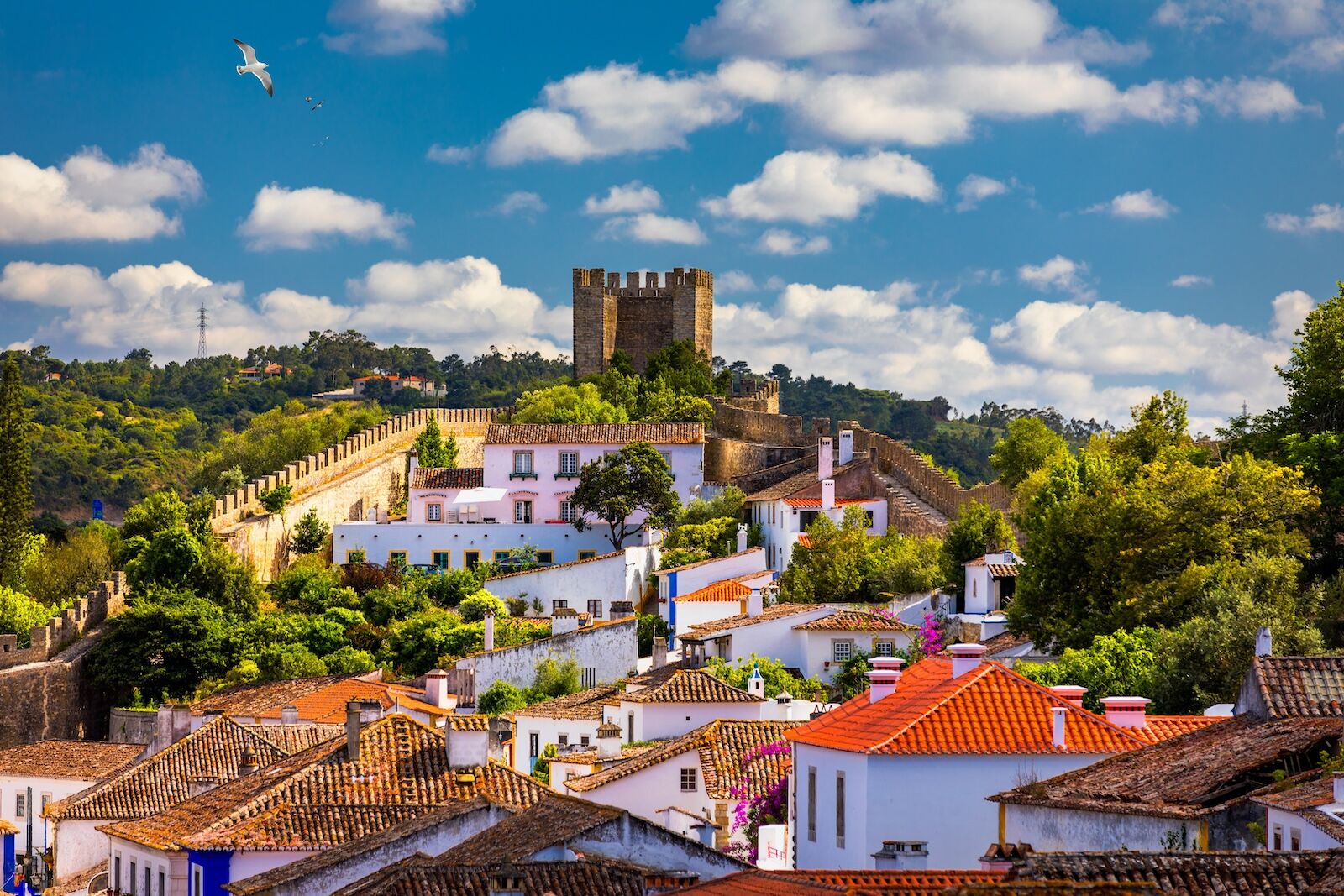
Many of these top-rated stops, such as Óbidos and Cesky Krumlov, were originally fortified settlements designed for defense. Óbidos, a charming town cradled by medieval walls, has long been a favorite of royalty—historically gifted to queens of Portugal upon their marriage. Today, that royal history is channeled through its celebrated ginja de Óbidos, a sour-cherry liqueur that keeps the town’s 17th-century monastic heritage alive.
The Intellectual Renaissance
Coimbra, ranked as the third most popular stop globally, represents the intellectual heart of Portugal. The University of Coimbra, founded in 1290, is one of the oldest in the world. The crown jewel of the campus, the Joanina Library, stands as a testament to the Baroque era. Completed in the early 1700s, the library is not merely a collection of books; it is a living ecosystem. In a fascinating symbiotic relationship, a colony of bats resides within the library’s walls, emerging at night to feast on insects that would otherwise consume the 16th-century parchment. This unique preservation method is a prime example of why travelers are seeking out these specific, historically rich locations.
The Industrial Transition
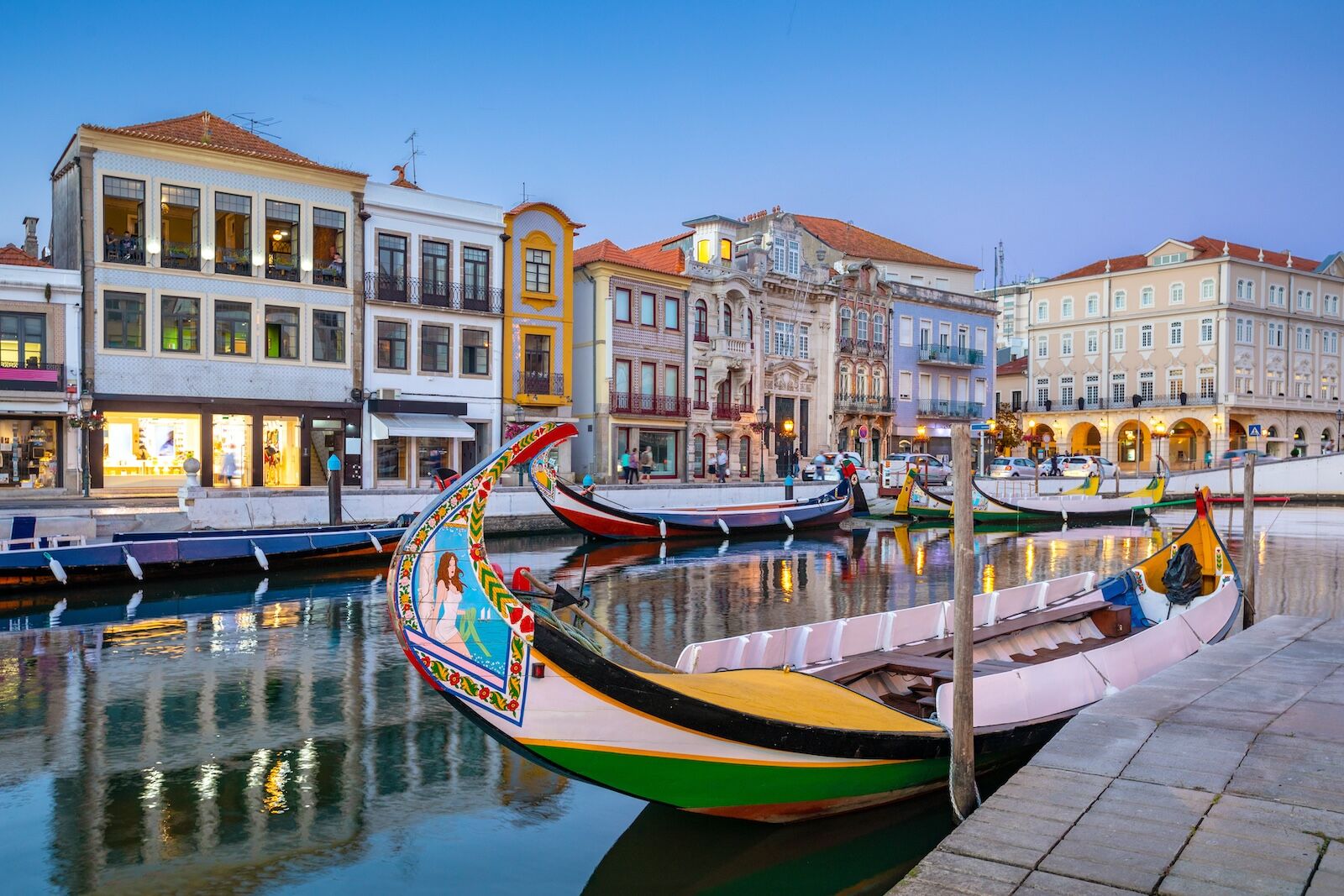
Aveiro, known as the "Venice of Portugal," illustrates the transition from industrial utility to tourism. Its famous moliceiro boats, once used exclusively for harvesting seaweed from the lagoon to fertilize local crops, have been reimagined as the primary mode of transit for sightseers. This shift mirrors a broader trend across Europe: the repurposing of historic infrastructure to tell a local story to an international audience.
Supporting Data: Why Travelers Choose These Stops
The Daytrip data provides a clear window into the preferences of the modern American traveler. While the list includes globally recognized sites like Italy’s Pompeii, the inclusion of niche destinations like Nazaré—a town famous for holding the Guinness World Record for the largest wave ever surfed (86 feet)—suggests that travelers are increasingly interested in "bucket list" physical phenomena.
Comparative Popularity Index
- Pompeii, Italy: The gold standard for historical stopovers.
- Cesky Krumlov, Czech Republic: A masterclass in medieval preservation.
- Coimbra, Portugal: The intellectual and architectural hub.
- Óbidos, Portugal: The quintessential walled medieval experience.
- Aveiro, Portugal: A unique intersection of canal culture and pastry arts.
- Nazaré, Portugal: The nexus of extreme sport and coastal tradition.
The data indicates that convenience is a primary driver, but it is not the only one. Travelers are choosing routes that allow them to maximize their vacation time. By integrating these stops into a car transfer, a traveler can see two or three significant UNESCO-level sites in a single day, effectively turning a transit leg into a full-day excursion.
Official Perspectives: The Impact of "Stopover Tourism"
Local tourism boards and municipal authorities have been quick to react to this surge in interest. In Aveiro, the Oficina do Doce has become a focal point for culinary tourism. By allowing visitors to witness the creation of ovos moles—a delicate, egg-yolk-and-sugar-filled pastry—the town has transformed a simple snack into an interactive cultural experience.
"The goal is to move beyond the transaction," says a spokesperson for regional tourism development. "When a visitor stops in Aveiro, they aren’t just passing through; they are engaging with the town’s history through their palate. Seeing the production of ovos moles creates a memory that a direct flight or train ride simply cannot replicate."
In Nazaré, the focus has shifted toward education and climate awareness. The São Miguel Arcanjo lighthouse, which serves as the premier observation point for the massive winter swells, now houses a surf museum. This provides visitors with a reason to visit even outside of the peak surfing season, creating a more sustainable year-round tourism model.
Implications: The Future of European Travel
The rise of these specific stopovers carries significant implications for the European travel industry.
1. The Decentralization of Tourism
As travelers become more sophisticated, the pressure on major capitals like Lisbon, Prague, and Rome may begin to alleviate. By encouraging stopovers in secondary cities, the tourism industry is effectively spreading the economic benefits of travel to regions that previously relied solely on local or regional traffic. This decentralization helps prevent "over-tourism" in major hubs while revitalizing the economies of smaller, historic municipalities.
2. The Rise of "Curated Transit"
The traditional "A-to-B" travel model is being replaced by "A-to-C-to-B." Travel platforms that facilitate these custom road trips are seeing a massive increase in demand. The implication for the future is clear: the journey is becoming as important as the destination. Travelers are increasingly willing to pay a premium for the flexibility to stop, explore, and learn, rather than simply moving from one hotel to another.
3. Sustainability and Preservation
The popularity of places like the Joanina Library in Coimbra serves as a reminder of the fragility of historic sites. As these locations gain global recognition through data-driven travel trends, there is a heightened need for managed visitation. Tours at the library, for instance, frequently sell out, necessitating advance bookings. This creates a "controlled tourism" environment that can actually fund the preservation efforts required to protect these sites for future generations.
Conclusion
The 2026 data confirms a pivot in the way we experience Europe. We are entering an era where the spaces between the world-class cities are being reclaimed as destinations in their own right. Whether it is the sour-cherry sweetness of an Óbidos liqueur, the crashing, record-breaking surf of Nazaré, or the ancient, bat-protected archives of Coimbra, these stopovers are the new frontier of exploration.
For the traveler, the lesson is simple: next time you book a trip across Europe, look at the map between your departure and arrival points. There, tucked away in the "in-between," you will likely find the most memorable part of your journey. As these destinations continue to gain prominence, they serve as a testament to the fact that the richest travel experiences are often found in the places we once hurried past.