






























From Big Apple Stages to Northfield Parks: How JC Sanford is Transforming a Small-Town Jazz Scene

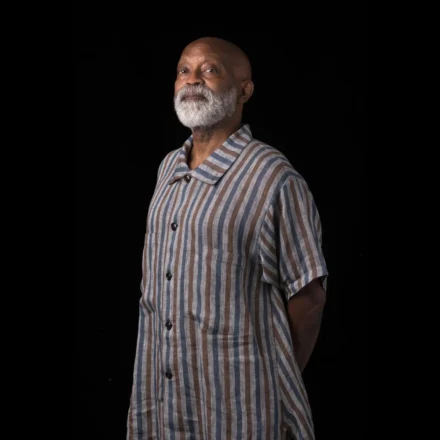
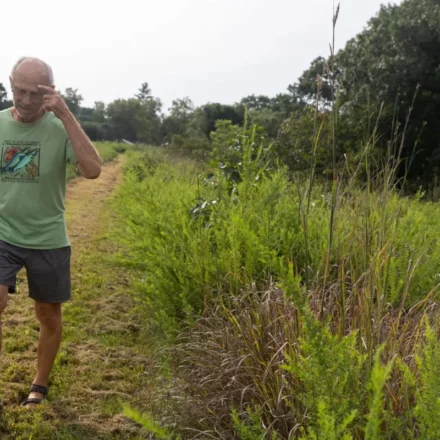
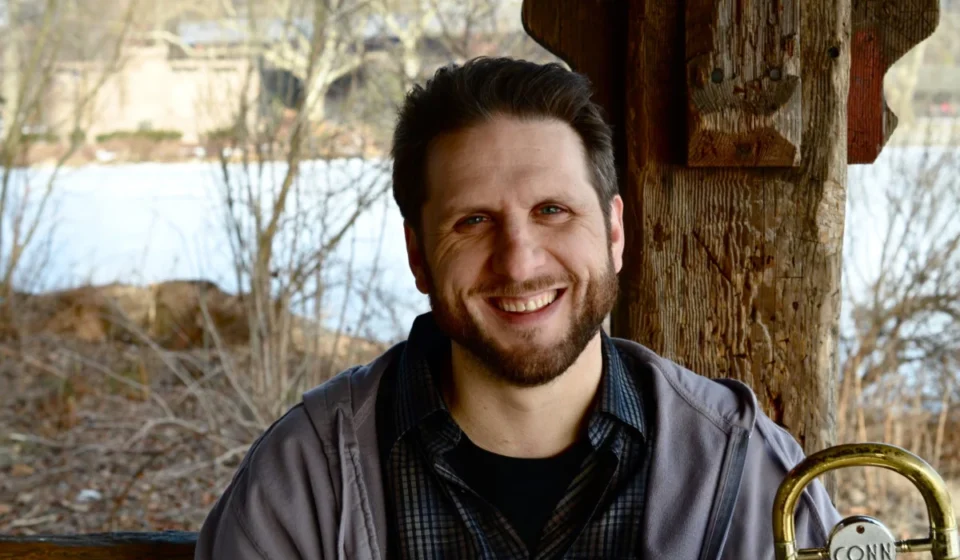
For nearly six decades, JC Sanford has lived his life in the service of music. As a trombonist, composer, conductor, arranger, and educator, his resume reads like a map of the American jazz landscape. From the frantic, high-stakes clubs of New York City to the academic halls of Minnesota, Sanford has spent his life navigating the complexities of harmonic structures and ensemble dynamics.
Yet, as he prepares for the third iteration of the Northfield Jazz Festival this weekend, Sanford finds himself grappling with a new, decidedly non-musical set of variables: the logistical choreography of food truck placement, the precise calculations of portable sanitation requirements, and the anxieties of weather-related insurance policies.
"I never in my life thought I’d be booking a food truck, never mind thinking, ‘OK, are two taco trucks enough, or should it be something else?’" Sanford says, his voice a blend of bemused exhaustion and genuine passion. "Or that we needed more portable toilets than the ones already in the park, and that some need to be accessible. This stuff has been a real area of growth for me."
The Genesis of a Musical Movement
The Northfield Jazz Festival has undergone a rapid metamorphosis since its inception. What began two years ago as a modest, day-long event featuring three local ensembles—supported by a Southeastern Minnesota Arts Council (SEMAC) grant—has blossomed into a three-day, multi-venue cultural cornerstone for the college town located 40 miles south of the Twin Cities.
Sanford’s return to Northfield a decade ago was initially motivated by a desire to decompress and raise his then-infant daughter in the community where he spent his own high school years. However, the pull of the creative arts proved too strong to ignore. Last year, in partnership with the Northfield Arts Guild, Sanford tripled the festival’s budget, expanding the footprint of the event and securing nationally recognized talent to sit alongside regional heavyweights.
This year, the festival reaches a new level of maturity. Backed by funding from the Minnesota State Arts Board and Arts Experience, the event has solidified its reputation as a premiere free-admission festival, proving that high-caliber jazz can thrive outside of the major metropolitan hubs.
A Chronology of Artistic Growth
The expansion of the festival follows a clear upward trajectory:
- The Pilot Year: A single day of music showcasing three Northfield-based groups, establishing the core mission of community engagement.
- The Expansion: A three-day format introduced in year two, incorporating talent from the Twin Cities and the festival’s first nationally renowned headliner.
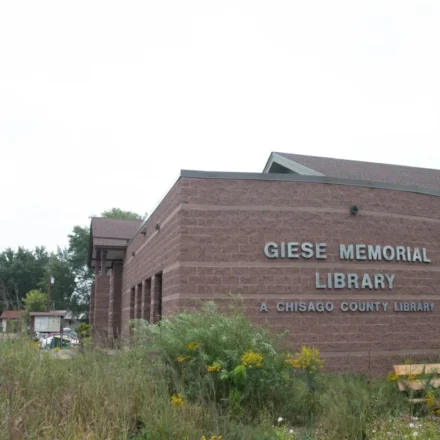
- The Maturity Phase: The current year, which sees the festival refining its infrastructure, introducing masterclasses, and diversifying its venue list to include the First United Church of Christ, the Northfield Arts Guild Theater, and the Northfield Public Library.
Curating the Sound: The 2026 Lineup
At the heart of this year’s festival is a commitment to both local favorites and international stars. The headliner, 37-year-old pianist Christian Sands, is a multi-Grammy-nominated powerhouse. Known for his ability to reshape jazz standards with both gusto and sophisticated precision, Sands is expected to be a major draw. His appearance will be preceded by a masterclass, reinforcing the festival’s dedication to education.
The festival’s programming strategy is designed to cater to the diverse tastes of Northfield’s 20,000 residents, which include the vibrant, transient population of Carleton and St. Olaf colleges. The Friday night kickoff features the Strawberry Jazz Collective and the Bend in the River Big Band at the Grand Event Center—a pairing intended to galvanize the local community before the festival shifts its focus to the more eclectic, traveling acts arriving on Saturday and Sunday.
"It is a great way to get the locals who know these folks to be more attuned to events happening the rest of the weekend," Sanford explains. "It builds a bridge to artists from the Twin Cities and elsewhere that they might not otherwise seek out."

Supporting Data: The Logistics of Community
The festival is a logistical feat, requiring meticulous coordination across municipal departments. The festival’s Sunday programming remains anchored at Way Park, utilizing the "Showmobile"—a mobile bandshell that serves as the site for performances by the Michael Cain Trio, the Charles Gorczynsky Tango Quartet, and the Inatnas Orchestra.
The Inatnas Orchestra, co-founded by Sanford and his wife, composer Asuka Kikatani, serves as a testament to the international reach of this small-town festival. The ensemble frequently features trumpeter Russ Johnson, a veteran of the New York City scene whose history with the couple dates back to their time in the Big Apple.
The inclusion of rising stars like vocalist Anya Menk, a protégé of the legendary Danilo Perez, further underscores the festival’s role as a platform for intergenerational dialogue and pedagogical excellence. Menk’s involvement, including a vocal masterclass, highlights the festival’s commitment to passing the torch of jazz tradition.
Official Perspectives: The "Town vs. Gown" Dynamic
Sanford is acutely aware of the historical tensions often found in college towns—the so-called "town vs. gown" divide regarding taxes, land use, and community engagement. He views the festival as a neutral ground where these barriers can be dismantled.
"It is very easy to communicate with the people who work for the city departments," Sanford notes. "They tell me the steps to do what I have to do. And the Department of Tourism here in Northfield has been helpful and enthusiastic because we’re all going for the same goal—to bring people to Northfield. Not only to enhance the lives of people who live here but also to show people what a great little town we have."
He remains staunchly opposed to charging admission. For Sanford, the barrier to entry is the enemy of community building. By relying on grant money and private donations, he ensures that the festival remains a public good. "The idea is, everything is free," he says. "If you show up, you have nothing to lose."
Implications for the Future
The evolution of the Northfield Jazz Festival reflects a broader trend in American music: the decentralization of cultural hubs. As artists like Sanford—who have seen success in the high-pressure environments of New York or Chicago—return to smaller communities, they bring with them a wealth of professional experience, networking connections, and an appreciation for the intimacy of local life.
The festival is more than just a series of concerts; it is a laboratory for community development. By involving the local Farmer’s Market, collaborating with the Arts Guild, and fostering jam sessions at local businesses like Imminent Brewing, Sanford is weaving jazz into the fabric of the town’s daily existence.
As the daughter he raised in Northfield grows older and his family life evolves, Sanford’s commitment to the festival remains anchored in his love for the area. "It is definitely much more diverse than when I went to high school here," he observes. "But in a lot of ways it hasn’t changed that much. It has always been a community that really appreciated the arts."
With the final notes of the jam session at Imminent Brewing on Sunday, the festival will conclude its third year. However, the lessons learned—about the necessity of portable toilets, the power of a well-placed taco truck, and the enduring, universal appeal of a well-played jazz standard—will undoubtedly inform the next stage of Northfield’s growth as a destination for serious, accessible, and inclusive music. For JC Sanford, the meticulous work of a lifetime has found a new, perfect venue: the small-town park, where the music is free, the audience is local, and the jazz is world-class.