






















































By [Your Name/Journalistic Byline]
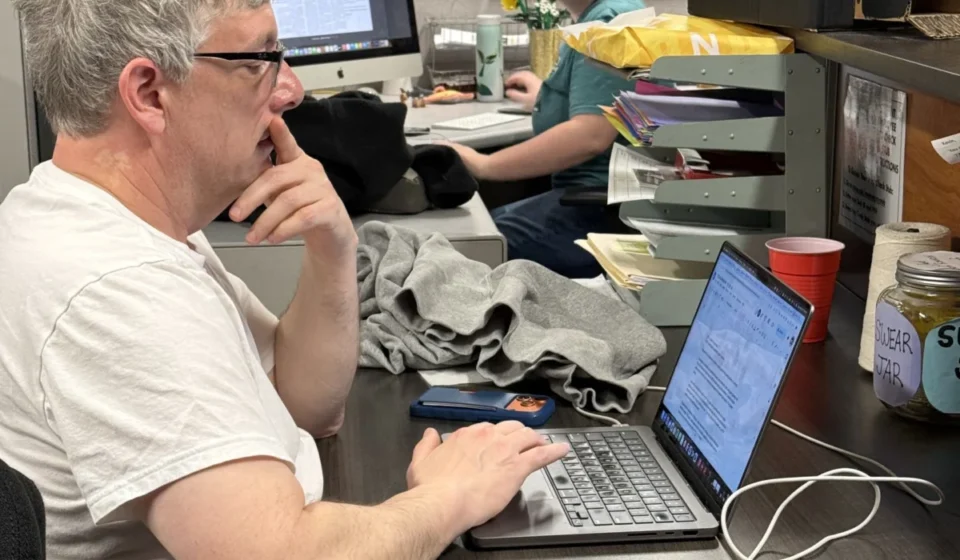
In the quiet hum of a Monday evening, the newsroom of The Reporter—the student-run newspaper of Minnesota State University, Mankato—is a masterclass in controlled chaos. With the 9 p.m. print deadline looming, Anahi Zuniga, the paper’s editor-in-chief, sits at the epicenter of a operation that has remained a bedrock of campus life for a century.
While the broader newspaper industry grapples with the existential dread of declining print readership and the relentless march of digital-first consumption, The Reporter persists. As the seconds tick toward the final transmission to the printing press, there is no panic—only the steady rhythm of a machine that has been calibrated over one hundred years of continuous operation.
The Pulse of the Newsroom: A Chronology of a Deadline
The Monday cycle at The Reporter is a ritual of precision. By late afternoon, the flurry of activity has transitioned from the chaotic brainstorming of early-week editorial meetings to the surgical focus of final production. Photos are color-corrected, articles are scrubbed for libel and clarity, and page proofs are finalized.
For Zuniga, the pressure is a familiar friend. "Everyone should be done, hopefully, in the next half hour," she says, her tone calm despite the proximity to the cutoff. "It’s sometimes a close call, but that’s the nature of the beast."
Once the final digital files land in her queue, they are dispatched to the downtown printing press. By Tuesday morning, the results of this labor will greet students across campus—a physical artifact of their own community’s discourse. This week’s headline, a critical look at a proposed 7% tuition increase, underscores the essential role these publications play in holding institutional power to account.
For Zuniga, the act of holding the printed paper is more than just a completion of a task; it is a tangible connection to the past. "It’s a satisfying feeling," she reflects. "It keeps history alive."
A Century of Service: The Institutional Legacy
The Reporter recently celebrated its 100th year of publication, a milestone that underscores the resilience of student journalism in Minnesota. The celebration, held on March 24, drew alumni who have gone on to forge significant careers in professional journalism, from local outlets like the Mankato Free Press to national giants like ESPN.
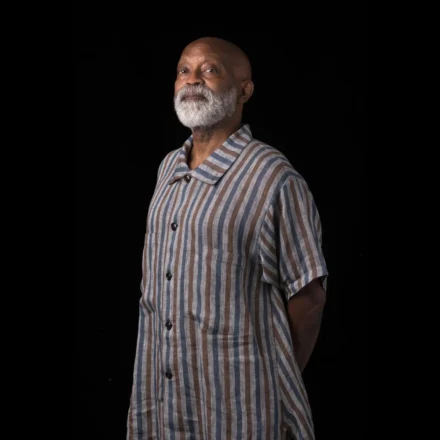
Myron Medcalf, a veteran sports journalist and Star Tribune columnist who served as The Reporter’s first Black editor-in-chief in 2003, delivered the keynote address. His words resonated with the current staff: "I learned the ins and outs of actually being on deadline, the accuracy that’s necessary in your reporting, and the fact that you are communicating to an audience that’s much bigger than you are."
Medcalf emphasized that the value of student journalism transcends the immediate news cycle. "One-hundred years from now, all of us are gone, and what we will have left is what we contributed to this world," he noted. "A big part of that, no matter what anyone tells you, will be the written word. It’ll be the archives from the MSU Reporter and all of these publications."
The Landscape of Higher Education Journalism
While The Reporter thrives, the landscape across Minnesota is uneven. The decline of the traditional newspaper model has forced university publications to innovate, pivot, or, in some cases, vanish.
The variation in output is stark. At Bemidji State University, the Northern Student has transitioned to a quarterly magazine format, prioritizing depth over the daily or weekly grind. Minnesota State University Moorhead’s The Advocate has moved almost entirely online, with a print edition appearing only once per semester. Some institutions, like Minneapolis College, currently lack a formal student paper, though momentum is building within the student government to revive one.
Conversely, The Winonan at Winona State University continues to publish every other week. Doug Westerman, the paper’s advisor, views the cyclical nature of student turnover as a natural, if challenging, component of the business. "Every college paper has natural attrition," Westerman explains. "We’ve been fortunate to have good student leaders who keep the engine running."

Westerman, who often fields calls from employers inquiring about his former students, emphasizes that the core tenets of journalism remain immutable, regardless of the medium. "You still have to check sources, you still need to do research, whether it’s going on a printed page or going on a post," he says.
The University of Minnesota system mirrors this diversity of approach. The Minnesota Daily—once a staple of print circulation in the Twin Cities—is now a purely digital operation. Meanwhile, the University of Minnesota-Duluth’s The Bark maintains a hybrid model, pairing daily online updates with a monthly print magazine.
Professional Perspectives: The Role of Advisors and Mentors
The sustainability of these papers often rests on a delicate balance between student autonomy and professional oversight. At The Reporter, the editorial board exercises complete independence, deciding what stories warrant the front page and how they are framed.
The infrastructure is supported by a lean staff: business manager Jane Tastad and advertising design manager Dana Clark provide the necessary institutional backbone. Perhaps most importantly, Robb Murray, an editor at the Mankato Free Press, serves as an external mentor, proofreading copy and offering industry-standard guidance.
This collaborative model is essential because many of these institutions no longer possess formal journalism departments. The student newspaper, therefore, serves as an "accidental" journalism school—a place where students learn the trade by practicing it under real-world pressures.
Implications for the Future of News
The significance of these papers extends beyond the campus gates. As local news deserts continue to expand across the United States, student newspapers are increasingly the only entities providing consistent, local accountability reporting.
For students like Zuniga, the experience is transformative. "I wasn’t very confident with who I was when I first enrolled here," she admits. "I feel so sure of myself now and who I want to be after graduation. I can use my words as a way to express what I feel and think is necessary."
This sentiment is echoed by the broader student staff. After the Monday deadline is met, there is no time for extended revelry. The team immediately pivots to the next edition, huddled in Zuniga’s office to map out the upcoming coverage.
The most rewarding aspect, Zuniga suggests, is the profound level of engagement with the student body. "We get to have all these very meaningful conversations with classmates and see their thoughts," she says. "I think, overall, working at a college newspaper just opens up a completely different lens on how you view the world."
Conclusion: The Endurance of the Written Word
As the digital age continues to reshape how information is consumed, the survival of student-run newspapers—especially those that maintain a print presence—is an anomaly worth studying. They represent a commitment to the process of inquiry and the preservation of history.
Whether through a glossy quarterly magazine, an online-only portal, or the traditional, ink-stained pages of a twice-weekly broadsheet, these publications ensure that the voices of the next generation are recorded. They remain the training ground for the next cohort of journalists, and more importantly, they serve as the conscience of the campus.
In a world of fleeting tweets and algorithmic news feeds, the steady, rhythmic output of The Reporter and its peers across Minnesota serves as a reminder that some things—the pursuit of truth, the rigors of the deadline, and the importance of community connection—remain timeless. As long as there are students willing to ask the hard questions, the press will continue to run.