





















































Beyond the Reflecting Pool: Minnesota’s Massive Undertaking to Restore the ‘Land of 10,000 Lakes’

While the nation’s eyes have recently been drawn to the persistent, unsightly algae blooms choking the Lincoln Memorial Reflecting Pool in Washington, D.C.—a challenge complicated by shallow water, heat-absorbing blue liners, and Potomac River runoff—a far more extensive, complex environmental battle is playing out across the American Midwest.
In Minnesota, a state defined by its relationship with water, the Minnesota Pollution Control Agency (MPCA) is currently navigating the biennial process of updating its "impaired waters" list. As of June 2026, the state has identified nearly 3,000 water bodies that fail to meet federal water-quality standards. This isn’t just a matter of aesthetics or tourism; it is a critical assessment of the state’s ecological health, affecting everything from public health and commercial fishing to the cultural identity of the "Land of 10,000 Lakes."
The Scope of the Crisis: A Data-Driven Snapshot
Every two years, under the federal Clean Water Act, states are mandated to submit a report detailing waters that fail to meet quality standards. The 2026 draft list from the MPCA serves as a sobering inventory of the state’s aquatic challenges.
The data is comprehensive: the list includes 2,979 individual water bodies, ranging from sprawling lakes and primary river arteries to sensitive wetlands. These bodies account for a staggering 6,410 distinct impairments. Topping the list are concerns regarding aquatic life, such as fish and macroinvertebrates, which account for 32% of the impairments. Mercury contamination remains a persistent shadow, accounting for 27% of the issues, while bacterial contamination makes up 15%.
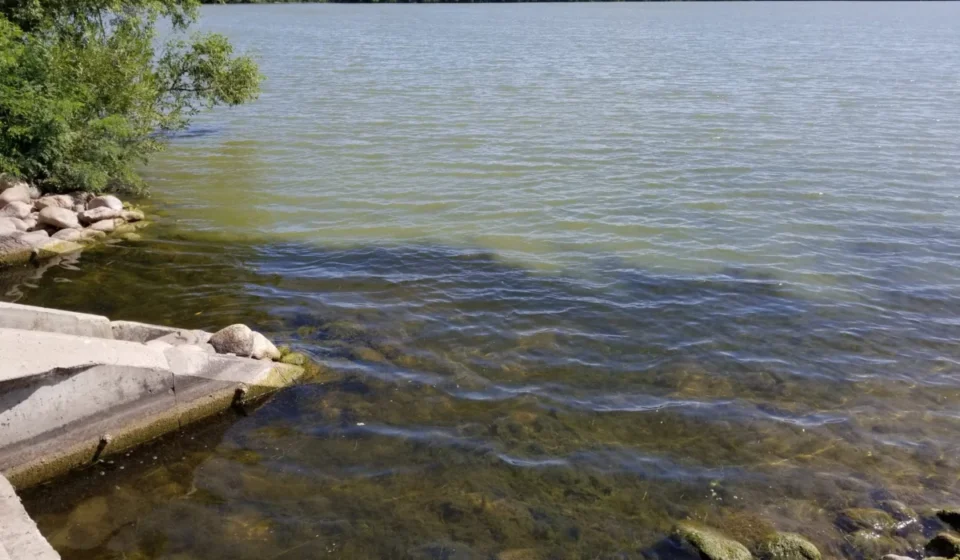
The presence of these pollutants—sediment, nitrogen, and phosphorus—creates a chemical environment that, much like the Lincoln Memorial Reflecting Pool, acts as a catalyst for runaway algae growth. These blooms not only degrade the water quality but can also be toxic to wildlife and humans, turning recreational assets into health hazards.
Chronology of Stewardship: From Fragmented Efforts to Holistic Watershed Management
The trajectory of Minnesota’s water management has undergone a radical evolution over the last three decades. Prior to the early 2000s, the state’s approach to restoration was largely reactive and piecemeal, focusing on individual lake or stream segments without considering the broader hydrology.
The Shift to Watershed Management
In 2007, the MPCA fundamentally altered its strategy, shifting toward a "watershed approach." This holistic method treats the state as a collection of 80 major watersheds, acknowledging that a pollutant entering a stream upstream will eventually impact everything downstream. By working with local partners, soil and water conservation districts, and municipalities, the agency now identifies restoration and protection needs based on the entire drainage area.
A History of Legislative Commitment
The state’s ability to fund these massive cleanup efforts is anchored in a unique fiscal reality. In 2008, Minnesota voters approved the Clean Water, Land and Legacy Amendment. By enacting a dedicated 0.375% sales tax, the state created a sustainable pipeline of funding known as the Clean Water Fund. This constitutional amendment, which runs from 2009 to 2034, has been the engine behind the state’s most successful restoration projects. For the 2024–2025 biennium alone, the state legislature appropriated $318 million to water resource activities, with $48 million specifically earmarked for the MPCA’s protective efforts.
Success Stories: The Riley Lake Blueprint
While the sheer volume of impaired waters can feel overwhelming, there are tangible indicators of progress. The 2026 list proposes the removal of impairments from 45 water bodies—a record number since the state began the program in 1992.
A primary example of this success is Riley Lake, located on the border of Chanhassen and Eden Prairie. For years, the lake struggled with excessive phosphorus and degraded water clarity. The Riley Purgatory Bluff Creek Watershed District implemented a multi-stage, science-based intervention that could serve as a template for other districts.

- Biological Assessment: Researchers from the University of Minnesota studied the migratory and reproductive patterns of common carp—a bottom-feeding fish that disturbs sediment and releases nutrients into the water column.
- Population Management: The district aggressively reduced the carp population to allow aquatic vegetation to stabilize the lakebed.
- Invasive Species Control: Crews removed invasive vegetation like Eurasian water milfoil and curly leaf pondweed.
- Chemical Mitigation: Finally, the application of alum—a compound that binds with phosphorus—prevented the nutrients from fueling further algae blooms.
This success demonstrates that while pollution is a "wicked problem," it is solvable when local agencies combine academic research with consistent, dedicated funding.
The Bureaucracy of Restoration: Understanding TMDLs
For the average citizen, the terminology surrounding water quality can be daunting. Central to the MPCA’s work is the concept of a "Total Maximum Daily Load" (TMDL). In bureaucratic terms, a TMDL is the maximum amount of a specific pollutant that a water body can receive and still remain in compliance with state water-quality standards.
The "TMDL list" is essentially a roadmap for recovery. Once a body of water is placed on the impaired list, it becomes a candidate for a TMDL project. These projects are not merely academic; they involve rigorous modeling, public hearings, and the implementation of specific engineering or land-use changes. To date, Minnesota has completed 205 EPA-approved TMDL projects, a testament to the sheer administrative labor required to restore a single lake or river reach.
The Path Forward: Public Engagement and Accountability
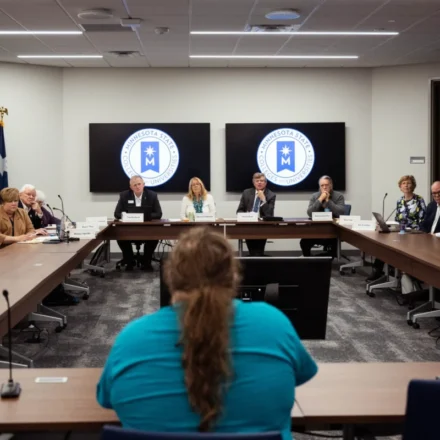
The MPCA is currently in the middle of a vital public review period, which concludes on July 22, 2026. This period is not just a formality; it is a mechanism for transparency and public oversight. Throughout late June and early July, the agency hosted a series of virtual town halls—the first of which took place on June 23—to discuss the state of the Upper Mississippi River region.
These meetings allow residents to ask questions about specific watersheds, such as the Leech Lake, Pine, and Redeye Rivers, and provide feedback on the proposed removal of impairments.
The Implications of Continued Degradation
The stakes are high. As the climate warms, the conditions that plague the Lincoln Memorial Reflecting Pool—higher temperatures and increased nutrient loading—are becoming more frequent in Minnesota. Warmer water temperatures hold less dissolved oxygen, which is essential for cold-water fish species like walleye, a cultural and economic staple of the state.
If the current trajectory of adding 46 new impairments while struggling to keep up with the existing 6,410 continues, Minnesota risks a long-term decline in water quality that could impact property values, tourism, and public health. However, the state’s commitment to its Clean Water Fund and the shift to a watershed-wide management strategy suggests a path forward that is both evidence-based and fiscally resilient.
Conclusion: A Lesson for the Nation
Minnesota’s approach to its "Land of 10,000 Lakes" is a macro-scale version of the challenges faced by national monuments. The problems in Washington, D.C., are concentrated and highly visible, but they are a microcosm of the systemic issues occurring across the country.
By prioritizing long-term, taxpayer-supported funding, investing in rigorous scientific monitoring, and fostering collaboration between local watershed districts and state agencies, Minnesota is attempting to move the needle. The 2026 impaired waters list is more than just a document of failure; it is a ledger of accountability, a signal of where resources must be directed, and a roadmap for the future of the state’s most precious natural resource. As the public comment period closes and the work of remediation continues, the state remains a critical case study in how to balance the demands of modern development with the imperative of environmental preservation.