















































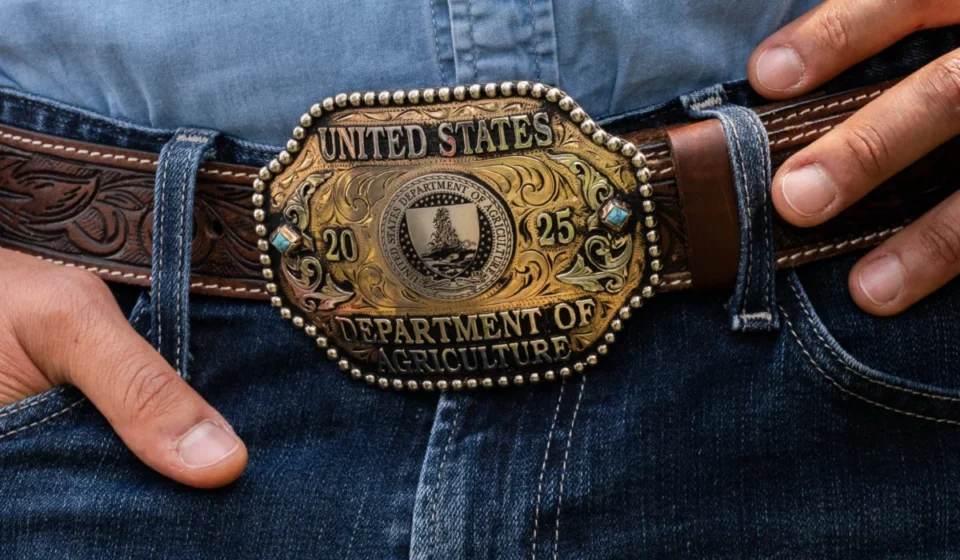

MORGAN, Minn. — Under the expansive, corn-tasseled skies of Redwood County, the annual ritual of Minnesota politics unfolded this week with a vigor that suggests the upcoming August 11 primary election is far more than a mere formality. Farmfest, the premier agricultural exposition in the Upper Midwest, transformed once again into the state’s primary political stage, serving as a high-stakes proving ground for candidates seeking to represent the Gopher State in St. Paul and Washington, D.C.
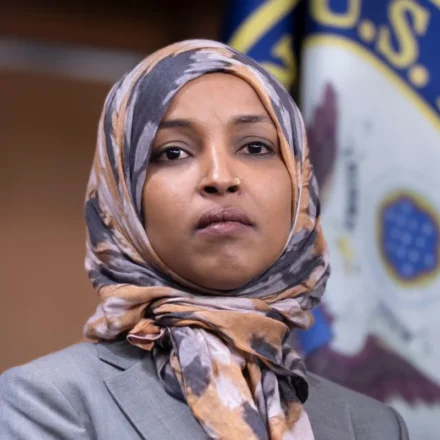
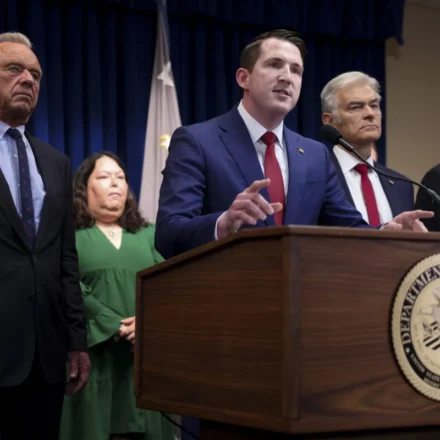
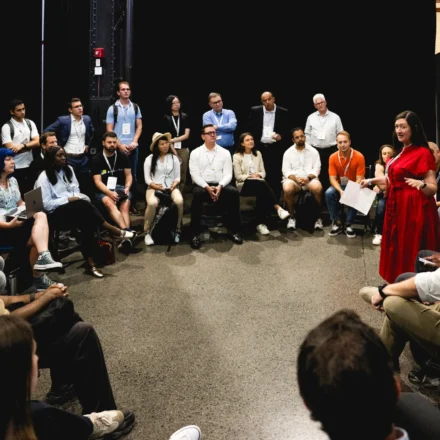
As thousands of farmers, agribusiness leaders, and rural advocates gathered to discuss crop yields, trade policy, and infrastructure, the shadow of the ballot box loomed large. MinnPost photographer Bridget Bennett spent two days embedded in the thick of the event, capturing the tactile nature of retail politics: the frantic energy of media scrums, the calculated gravitas of candidate forums, and the omnipresent, quintessential campaign handshake.

Main Facts: The Intersection of Agriculture and Policy
Farmfest is not merely a showcase for the latest in John Deere machinery or seed technology; it is the heartbeat of Minnesota’s rural electorate. This year, the event took on added significance as candidates for governor, the U.S. Senate, and various Congressional seats descended upon Morgan to articulate their platforms to a demographic that often feels sidelined by urban-centric political narratives.
The core of the discourse centered on the economic survival of the family farm, the volatility of global commodity markets, and the persistent struggle to bridge the digital divide in rural areas. For the candidates, the mission was clear: translate complex policy goals into tangible promises that resonate with the men and women who feed the nation.

Whether discussing the nuances of the Farm Bill or the inflationary pressures impacting input costs, the candidates faced a sophisticated and critical audience. The forums provided a rare, unvarnished look at how those seeking office plan to navigate the intersection of environmental regulation and economic prosperity—a friction point that defines modern Minnesota politics.
Chronology: Two Days of Political Ferment
Day One: Setting the Stage
The first day of the event was characterized by a palpable sense of urgency. As the sun rose over the fairgrounds, campaigns were already in motion, setting up booths and ensuring that their promotional materials were prominently displayed.

The morning sessions were dominated by gubernatorial hopefuls, who addressed the crowd regarding state-level fiscal policy and rural development. The atmosphere was charged with the tension of the impending primary. Candidates moved through the crowd with precision, employing a mix of stump speeches and one-on-one engagement. The "handshake count" was high, as each candidate sought to make a personal connection that could translate into a vote on August 11.
By midday, the media scrums had become a fixture in the aisles. Reporters from across the state pressed candidates on their stances regarding healthcare access in rural Minnesota and the state’s response to fluctuating grain prices.

Day Two: The Push to the Finish
If the first day was about introduction, the second day was about consolidation. As the event neared its conclusion, the rhetoric sharpened. Congressional candidates participated in moderated debates that highlighted the sharp ideological divides within the state’s political spectrum.
The afternoon was defined by a series of town hall-style meetings where the barrier between candidate and constituent dissolved. Farmers, often blunt and direct, posed challenging questions about trade tariffs and the long-term viability of small-scale agriculture. The day ended with a whirlwind of final interactions, as campaigns attempted to secure last-minute commitments before packing up their displays to head back to the campaign trail.

Supporting Data: The Stakes for Rural Minnesota
To understand why these candidates spent forty-eight hours in Morgan, one must look at the data. Agriculture is a cornerstone of the Minnesota economy, contributing billions of dollars annually and supporting hundreds of thousands of jobs.
- Economic Impact: Minnesota consistently ranks among the top states in the nation for the production of corn, soybeans, and sugar beets. Any policy shift at the federal level—specifically within the Farm Bill—has an immediate, ripple-effect impact on the state’s GDP.
- Demographic Trends: The rural vote has become a critical swing factor. While urban centers lean heavily in one direction, rural counties have shown an increasing propensity for split-ticket voting, making them the ultimate "kingmakers" in statewide races.
- Policy Priorities: According to recent polling conducted in conjunction with the event, over 65% of rural Minnesotans identify "rising operational costs" as their primary concern, followed closely by "access to broadband internet" and "healthcare affordability."
These data points were the subtext of every handshake and every speech delivered at Farmfest. Candidates who failed to address these specific metrics found themselves struggling to gain traction during the Q&A sessions.

Official Responses: Voices from the Floor
The sentiment among the attendees was one of cautious optimism tempered by a desire for concrete action.
"We don’t need more photo ops," said a third-generation corn farmer from Renville County. "We need to know that whoever wins this primary understands that we are operating on razor-thin margins. The candidate who can prove they have a plan to lower our input costs—not just talk about it—is the one who gets my vote."

Conversely, the candidates expressed an appreciation for the direct feedback. One U.S. Senate hopeful noted, "There is no filter here. When you’re standing in a field in Morgan, you aren’t talking to donors or lobbyists; you’re talking to the people who are directly impacted by every vote I cast in Washington. It’s the most honest form of campaigning."
Campaign managers emphasized that the primary goal of their attendance was to humanize their candidates. In a digital age where ads are often automated and algorithmic, the physical presence of the candidate at Farmfest serves as a reminder that politics remains, at its core, a human enterprise.

Implications: The Road to August 11
As the dust settles on the Farmfest grounds, the implications for the August 11 primary are becoming clearer. The event served as a litmus test for candidate viability. Those who successfully navigated the forums without stumbling and managed to project a sense of authenticity have likely gained a crucial edge.
The Primary Landscape
The primary election will serve as the ultimate referendum on the strategies employed at Farmfest. For gubernatorial candidates, the focus will now shift to mobilizing the base and defining the opposition. For Congressional candidates, the focus remains on district-specific issues that were highlighted during the two-day event.

Long-Term Political Shifts
The intense focus on rural issues at this year’s Farmfest signals a broader trend in Minnesota politics: the revitalization of the rural vote as a decisive force. Both major parties are recognizing that the path to victory in statewide elections increasingly runs through the farmsteads of western and southern Minnesota.
The candidates who leave Morgan with the most momentum will be those who demonstrated that they were not just listening, but learning. The primary election is no longer just about party lines; it is about who can provide the most credible vision for the future of rural life in Minnesota.

As the candidates depart for their next stops, they leave behind a constituency that is more engaged, more informed, and—critically—more demanding than it was just a week ago. The handshake, that simple gesture of trust, was the currency of the week. Now, as the calendar inches toward August 11, the people of Minnesota will decide which of those hands are worthy of the power they are asking for.
The work of governance begins long before the swearing-in ceremony; it begins in the mud, under the sun, and amidst the persistent, earnest dialogue of Farmfest. The primary is now merely days away, and the lessons learned in Morgan will undoubtedly echo through the ballot boxes across the state.