


















































A Beacon in the Limbo: The Cowles Center’s Fragile Rebirth Amidst a Shifting Arts Landscape

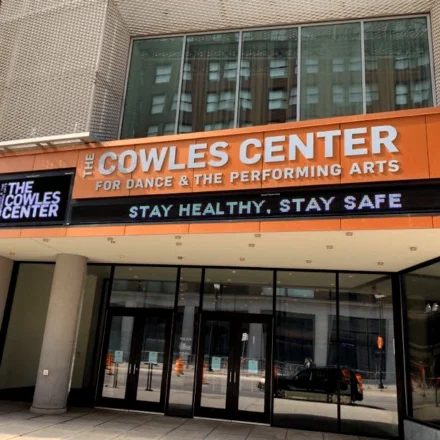
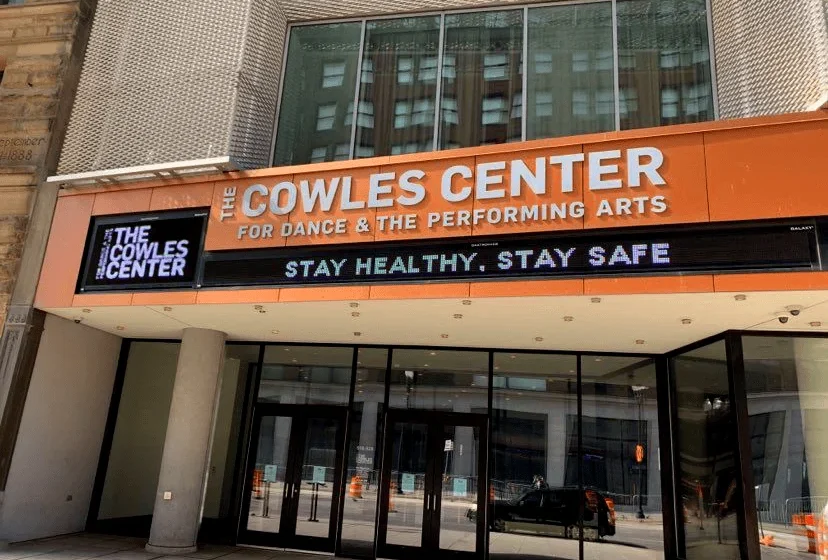
The downtown Minneapolis cultural scene, long a pillar of the city’s identity, is currently navigating a period of profound uncertainty. Nowhere is this more visible than at the Cowles Center, the historic flagship venue that spent much of 2024 shrouded in darkness. However, this past weekend, the silence was shattered. The South Asian Arts and Theater House (SAATH) brought the venue back to life with the debut of "Made in INDIA," a high-energy production that served as a poignant, if unofficial, grand re-opening of the historic space.
While the energy inside the 500-seat theater was electric—marked by the scent of chai, the vibrant pulse of Bollywood-infused choreography, and the appreciative roar of a packed house—the scene belied a complex administrative reality. More than a year after the City of Minneapolis selected Arts’ Nest, in partnership with Zenon Dance, to manage the facility, a formal lease remains unsigned. The Cowles Center stands as a metaphor for the Twin Cities’ broader artistic crisis: a space full of potential and history, currently held in a state of suspended animation.
A Legacy of Movement: From the Shubert to the Cowles
The history of the building at 528 Hennepin Avenue is one of endurance and transformation. Designed by William Albert Swasey and opened in 1910 as the Shubert Theatre, the structure was a masterpiece of early 20th-century design. Its interior featured two ornate balconies and a sophisticated trap door system that stretched the length of the stage—an engineering marvel for its time.
Over the decades, the building became a shape-shifter. It weathered multiple lobby remodels and an Art Deco redesign of its marquee. Its most famous chapter, however, occurred in 1999, when the entire 5.8-million-pound structure was physically rolled across downtown Minneapolis, from 7th Street to its current home on Hennepin Avenue, to save it from demolition. Reborn as the Cowles Center in 2011 with the backing of $12 million in state funds, it was meant to be a permanent home for dance and theater. Yet, the economic aftershocks of the pandemic proved too much, leading to an abrupt closure in 2024 that left a gaping hole in the city’s cultural infrastructure.
The Production: "Made in INDIA" as a Cultural Catalyst
The arrival of SAATH was not merely a rental agreement; it was a reclamation of space. "Made in INDIA," written by Kristen Marx, tackles the nuanced, often painful, and ultimately beautiful journey of transracial adoption. The play follows two sisters born in India and raised by a white, single mother in the United States.
The production serves as a masterclass in hybrid storytelling. By weaving together classical Indian dance, South Asian martial arts, hip-hop, and Bollywood, the cast—largely composed of non-professional performers—captures the complexity of diasporic identity. Under the direction of co-directors Madhu Bangalore and Divya Maiya, the show utilizes the technical capabilities of the Cowles—the very features that had been dormant for months. Surya Saathi’s lighting design breathed life into the expansive stage, highlighting the emotional contours of the narrative.
For the audience, the experience was visceral. The connection between the performers and the crowd was palpable, a testament to the community’s hunger for live, local art. "This is a massive theater," said Bangalore after Saturday’s show. "We would love to have 2,000 more people watch it." For many in attendance, the performance was a reminder of what the venue was built for: to be a vessel for stories that demand a grand scale.
The Macro View: A Troubled Ecosystem
The struggles at the Cowles Center are not an isolated phenomenon. They are part of a wider contraction affecting the Twin Cities arts scene. The most striking example is the decline of the Jungle Theater, a long-standing institution that recently canceled its entire season. The situation there has become so dire that the theater is auctioning off everything from set-shop tools and dressing-room furniture to lighting rigs, signaling a permanent departure from its Lyndale Avenue home.
When esteemed institutions like the Jungle falter, the impact is felt across the entire ecosystem. It forces smaller companies like SAATH to operate in a landscape of instability. For SAATH’s executive director, Divya Maiya, the access to the Cowles was a long-term goal. "It was very exciting to have that access to so much more tech and staging," she said. "It almost felt like a big growth for us, so we were pretty sad that went away in 2024."
When the company discovered by chance that the venue was available for rent earlier this year, the scramble to secure dates was an act of both necessity and defiance. They were not just renting a building; they were navigating the dusty, quiet halls of a dormant landmark, finding long-unused equipment in the basement and breathing life back into the rafters.
Administrative Limbo: The Arts’ Nest Challenge
The primary reason for the lingering uncertainty at the Cowles lies in the transition of power. While the City of Minneapolis remains the legal owner, it has struggled to finalize a management agreement with Arts’ Nest. Currently, the relationship is a delicate, informal arrangement. Arts’ Nest acts as a bridge, managing bookings and overseeing the technical requirements for renters, with the city retaining final control.
This "soft opening" approach, as described by Arts’ Nest acting executive director Jenny Moeller, is a result of bureaucratic hurdles, specifically state approvals and the finalization of the lease. "We probably won’t have a grand opening," Moeller admitted. "Mostly that has to do with just the timeline of state approval and the next steps after that. Everything’s been taking longer."
The implications of this delay are financial. Without a signed lease, the organization is effectively in a holding pattern, unable to launch the comprehensive fundraising campaigns necessary to sustain a venue of this magnitude. Moeller is candid about the reality: "Arts’ Nest needs to do a little more fundraising. We need a few more backers behind us."
Implications for the Future
The Cowles Center represents a crossroads for Minneapolis. If the city and its partners can successfully navigate the administrative hurdles, the venue could once again become the jewel of the Hennepin theater district. However, the current model—where the city serves as the landlord and a small nonprofit acts as a liaison—is precarious.
The success of "Made in INDIA" proves that the demand for the space exists. The audience was diverse, engaged, and eager to return. The festive atmosphere during intermission, with chai and samosas served in a lobby still adorned with the logos of departed corporate sponsors, underscored the juxtaposition between the venue’s past glory and its uncertain future.
If the Cowles is to thrive, it must move beyond the "soft opening" phase. It requires a stable financial foundation, a clear management structure, and a renewed commitment from the city to treat the building not just as an asset to be managed, but as a cultural utility that requires investment.
As SAATH continues its run through August 29, the performances offer a glimpse of what could be. The theater is not just a building of brick, mortar, and trap doors; it is a space where the community reconciles its past with its present. For now, the lights are on, the stage is set, and for a few hours each night, the Cowles Center feels like it never left. Whether this signals a true renaissance or merely a brief, flickering spark in the dark remains to be seen.
“Made in INDIA” continues its run on August 26, 28, and 29 at 7:00 p.m. at the Cowles Center, 528 Hennepin Ave. S., Minneapolis. Tickets range from $25–$40, with student pricing available and children under 5 admitted free. The performance on Wednesday, August 26, features a "pay-what-you-like" ticketing model.