




































DFL Convention: A Youthful Challenge Ignites Rochester, Klobuchar Secures Gubernatorial Nod

ROCHESTER, MN – May 31, 2026 – The Minnesota Democratic-Farmer-Labor (DFL) Party’s State Convention, held this past weekend at the bustling Mayo Convention Center in Rochester, delivered a largely predictable outcome for its top endorsements. Yet, amidst the procedural motions and anticipated victories, a singular, electrifying moment stood out: the spirited challenge posed by 26-year-old political newcomer Kobey Layne against seasoned U.S. Senator Amy Klobuchar for the party’s gubernatorial endorsement. While Klobuchar ultimately secured the nod with a commanding 68% of the vote, Layne’s impassioned, policy-driven address captivated many delegates, injecting an unexpected jolt of energy into what was otherwise a convention largely devoid of suspense.
The convention also saw Lieutenant Governor Peggy Flanagan coronated as the endorsed candidate for the open U.S. Senate seat, a path cleared by Congresswoman Angie Craig’s earlier decision to withdraw from the race. However, it was Layne’s “quixotic quest” – as one observer termed it – that truly animated the DFL faithful, sparking discussions about the party’s future, the balance between progressive ideals and electability, and the enduring power of grassroots enthusiasm.
Chronology of an Electrifying Weekend
The 2026 DFL State Convention unfolded against a backdrop of significant political shifts in Minnesota. With incumbent Governor Tim Walz not seeking a third term and long-serving U.S. Senator Tina Smith announcing her retirement, both top statewide offices were open, promising a competitive election cycle. However, much of the intrigue around the DFL endorsements had dissipated weeks before the Rochester gathering.
Pre-Convention Landscape:
The Republican Party had already held its own convention in Duluth, endorsing Kendall Qualls for governor. On the DFL side, the U.S. Senate race, initially expected to be a contentious primary, saw a crucial development when Congresswoman Angie Craig announced she would not seek the endorsement for the open seat. This decision effectively cleared the path for Lt. Governor Peggy Flanagan, a prominent figure and potential history-maker as the first Native American woman elected to the U.S. Senate. Craig’s withdrawal, while simplifying the Senate race for the DFL, created new complexities, leaving her House seat—considered a difficult hold—without an incumbent seeking re-election and forcing the party to endorse former state senator Matt Little as her potential successor. This move, according to long-time DFL delegate Don Slaten of Hastings, who has known Craig for 15 years, was a source of "consternation" for many, worried about the party’s ability to retain the vulnerable House district.
Friday Evening: The Challenge Emerges:
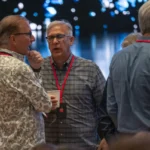
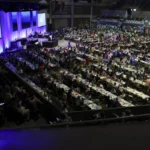
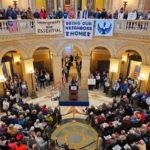
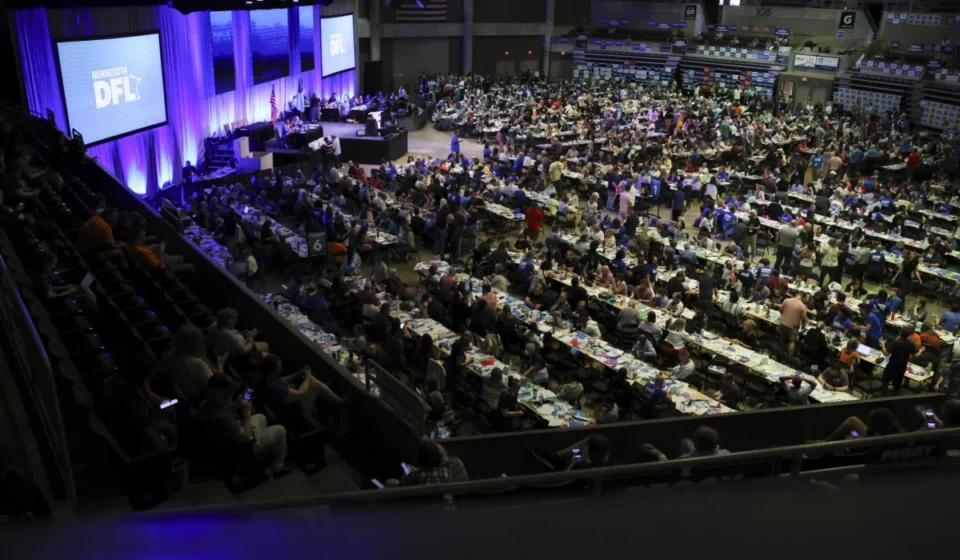
The DFL convention commenced on Friday, May 29, at the Mayo Convention Center, an expansive venue that would host over 1,200 voting delegates. The evening’s proceedings, initially weighed down by procedural motions and delegate complaints about limited food options, took a dramatic turn with the gubernatorial endorsement segment. After Senator Amy Klobuchar’s nomination, the floor buzzed with anticipation for a potential challenger.
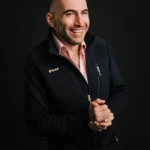
Enter Kobey Layne. A collective roar of "Let her speak!" erupted as her candidacy was put forth. Layne, needing 10% support from the total delegates and at least 12 votes from each of Minnesota’s eight Congressional delegations, successfully garnered the requisite backing. This achievement alone was a testament to her nascent campaign’s ability to mobilize a segment of the party.

However, a minor but memorable disruption preceded the speeches. Klobuchar’s campaign, in an ostensibly innocuous gesture, distributed strobe lights to delegates. The flashing lights quickly drew the ire of many. State Senator Scott Dibble of Minneapolis, visibly fatigued, admonished the crowd: “The strobe lights need to be turned off. No strobe lights.” This directive, however, was met with further delegate outrage, with some demanding the glow wands be confiscated. The underlying concern, as later highlighted, included the risk to individuals with photosensitive epilepsy, a small but significant portion of the population susceptible to seizures from intense flashing.
When Layne finally took the podium, the atmosphere crackled with anticipation. Her 15-minute speech was a whirlwind of "jittery energy and concrete goals." She declared, with fingers pointing to her eyes and ears, "Politics is about policy, not personalities, not platitudes." This line resonated deeply, eliciting "raucous applause" from a crowd eager for substantive discourse. Layne laid out ambitious proposals: a bonding bill designed to "integrate Minnesota’s clean energy goals" and a bold initiative "capping rent increases across the state to 3%." She also called for a more "substantive diversity, equity, and inclusion statement" for the DFL, asserting, "Just because we are not the Republican Party does not mean that our anti-racism work is done." Her speech concluded with a declaration that she would continue her campaign to the August primary regardless of the endorsement outcome, a stance that drew some boos but solidified her independent spirit.
Following Layne, Senator Klobuchar delivered her address. Drawing on her two decades of experience representing Minnesota in the U.S. Senate, Klobuchar emphasized her proven track record and electability. Her declaration, “When you look at my track record, when I lead the ticket, we win,” garnered a “much louder ovation,” underscoring the delegates’ pragmatism and desire for a winning candidate. Klobuchar also affirmed her commitment to abiding by the party’s endorsement, a contrast to Layne’s intention to continue campaigning.
Late Night Voting and Endorsement:
The voting process itself presented a modern-day challenge. As delegates attempted to cast their ballots digitally, many struggled with the technology, likened by one observer to "your parents trying to use a QR code." A folding table promising "IT support" became a magnet for confused conventioneers, who were repeatedly reminded to hit the "submit" button after casting their vote.
Finally, after 1 a.m., the results were announced. Amy Klobuchar had sailed to the endorsement with 68% of the vote. Kobey Layne, despite her compelling performance, received 28%, with the remaining 4% opting for "no endorsement."
Saturday Afternoon: Flanagan’s Coronation:
The following day, Saturday, May 30, brought a more subdued and celebratory tone for the U.S. Senate race. With Angie Craig out of the running, Lt. Governor Peggy Flanagan’s path to endorsement was clear. The afternoon became a "coronation party" for Flanagan, whose potential election would mark a historic milestone as the first Native American woman to serve in the U.S. Senate. Flanagan, in her address, emphasized the democratic legitimacy of the endorsement, stating that the delegates "represent the nearly 40,000 Minnesotans who went to the caucus on Feb. 3" during the height of "Operation Metro Surge," calling them "the heart of our party."

Supporting Data and Deeper Insights
The Rise of Kobey Layne:
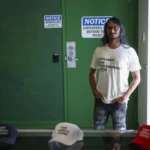
Layne’s background speaks to a journey of both personal and political evolution. Holding a Master’s in Public Policy from the University of Minnesota, her professional career began as a legislative assistant for moderate Republican Jim Abeler of Anoka. Her political awakening, she stated in an interview, coincided with a significant personal transition. After being laid off from the Legislature in 2022, she underwent a "political transition to the left" while also personally transitioning to female, having previously identified as a gay man. Currently, Layne works as an assistant manager at the cosmetics company Aveda. This diverse experience, coupled with her earnest demeanor, allowed her to connect with a segment of the DFL base seeking fresh perspectives and bolder policy initiatives. Delegates like Laura Turman were clearly moved, exclaiming, "Wonderful, it moved me, I felt it." Andrew Ulasich, a delegate from South Minneapolis, appreciated "how specific she was at the things that she wanted to do." Her policy proposals – a bonding bill integrating clean energy, a 3% statewide rent cap – reflected a distinctly progressive agenda, appealing to those yearning for systemic change.
Klobuchar’s Enduring Appeal:
Senator Klobuchar’s victory was not merely a testament to her name recognition but to a carefully cultivated image of electability and competence. Her long tenure in the U.S. Senate has provided her with a vast network and a reputation for winning tough races. For many delegates, the primary concern was not ideological purity but the ability to secure a general election victory. This pragmatic approach was evident in their reasoning. Several delegates explicitly cited Klobuchar’s "competence" as a deciding factor, with two individuals noting that she would "run a tighter ship" than outgoing Governor Tim Walz, whose administration had "presided over fraud committed by social service providers." Klobuchar’s assertion of having "met nearly literally every person" in some counties highlights her relentless statewide campaigning and her ability to appeal across Minnesota’s diverse political landscape, a crucial asset for any gubernatorial candidate. While Layne articulated specific policies, Klobuchar acknowledged her policy platform was still in development, promising, "I have so many ideas," including on housing, childcare, and healthcare, adding, "So, stay tuned. We’re going to release a lot more ideas." This measured approach allows her flexibility while signaling her commitment to key DFL priorities.
The "F" in DFL: Rural Minnesota’s Persistent Concerns:
The DFL’s full name, Democratic-Farmer-Labor, serves as a constant reminder of its historical roots and its aspiration to represent both urban and rural interests. Throughout the convention, the adage, "Remember, the F in DFL stands for farmer," was repeated with almost ritualistic frequency. This wasn’t mere "reflexive pandering," but a reflection of genuine and pressing concerns in rural Minnesota.
Mary Sullivan, a DFL rural caucus member who, with her husband, has operated a livestock farm near Redwood Falls since 1980, articulated the gravity of the situation. She described how global events – tariffs and an ongoing war in Iran – have led to "skyrocketing costs for fertilizer and fuel for tractors," among other price hikes. Sullivan drew a stark comparison, noting that her current economic distress mirrored the infamous farm crisis of the mid-1980s. This agricultural downturn directly impacts the livelihoods of thousands of Minnesotans and presents a critical challenge for the DFL.
Don Slaten, from Hastings, further elaborated on the political nuances of rural areas. He noted that many voters in his region are "conservative Catholics driven by their views on guns, gay people, and abortion." However, he also expressed a belief that the economic hardships faced by farmers due to federal policies could potentially shift allegiances. "If what Trump has done to farmers doesn’t get them voting DFL, I don’t know what can," Slaten remarked, hinting at a potential opening for the party if it can effectively address these economic anxieties. This ongoing struggle to connect with and represent rural Minnesota remains a significant task for the DFL, even as the state’s population continues to shift towards metropolitan areas.
Angie Craig’s Strategic Retreat:
Congresswoman Angie Craig’s decision to forgo a Senate bid, while creating a clear path for Flanagan, was not without its strategic costs for the DFL. Her congressional district is considered a swing seat, and her departure leaves it vulnerable. Don Slaten’s concern that it "will be a hard seat to keep" reflects a broader anxiety within the party. While some delegates expressed a willingness to support Craig if she had challenged Flanagan in a primary, her withdrawal means the party now faces the dual challenge of defending an open House seat while simultaneously promoting Flanagan for Senate. The endorsement of Matt Little for Craig’s House seat signals the party’s attempt to consolidate support, but the upcoming election will test the DFL’s ability to navigate this complicated landscape.

Official Responses and Delegate Sentiments
The convention was a mosaic of official pronouncements and candid delegate reactions. Kobey Layne’s articulate policy positions, summarized by her mantra "Politics is about policy, not personalities, not platitudes," clearly resonated with many. Her assertion about the DFL’s ongoing "anti-racism work" highlighted a desire among some delegates for the party to push further on social justice issues.
Senator Klobuchar, in her post-endorsement remarks, emphasized her commitment to developing a comprehensive policy platform, saying, "I have so many ideas," covering critical areas like housing, childcare, and healthcare. Her promise to release more details signifies a strategic move to address the policy-focused energy Layne brought to the convention while maintaining her broad appeal.
Lt. Governor Flanagan, in accepting her Senate endorsement, skillfully linked the delegates’ decision to the broader DFL base, emphasizing that they were "the heart of our party," representing thousands of Minnesotans who participated in precinct caucuses. This served to legitimize the endorsement process and rally support for her historic candidacy.
Despite Klobuchar’s decisive victory, the positive reception to Layne’s speech was widespread. "Most delegates I spoke to said they were impressed with Layne’s speech," indicating a significant segment of the party is receptive to, and perhaps actively seeking, more progressive and direct policy advocacy. This underlying sentiment, even in defeat, could influence the party’s direction and future candidate selections.
Implications for Minnesota’s Political Future
The 2026 DFL State Convention, while confirming established political trajectories, also revealed significant undercurrents that will shape Minnesota’s political landscape.
For Kobey Layne: Her impressive showing, securing 28% of the vote against an entrenched incumbent, marks her as a rising voice within the DFL’s progressive wing. Her decision to continue campaigning to the August primary, despite drawing boos from some, signals her commitment to her platform and her belief in directly engaging primary voters. This convention may serve as a critical launching pad for future political endeavors, demonstrating a clear hunger for her brand of impassioned, policy-focused politics. She has successfully articulated a vision that resonates with a younger, more ideologically driven segment of the party, suggesting a potential shift in the DFL’s internal dynamics.

For Amy Klobuchar: Her overwhelming endorsement for governor solidifies her position as the DFL’s standard-bearer and the presumptive frontrunner for the general election. The challenge now lies in translating her proven electability into a compelling policy vision for the state. Her promise to unveil detailed plans on housing, childcare, and healthcare indicates an awareness of the need to address the substantive issues raised by Layne and other progressive voices. Klobuchar will need to effectively bridge the gap between her pragmatic, broadly appealing image and the more progressive demands of a significant portion of her party’s base. The delegates’ emphasis on her "competence" and ability to "run a tighter ship" than the outgoing governor suggests her campaign will likely focus on administrative efficiency and effective governance, in addition to policy initiatives.
For Peggy Flanagan: The smooth path to her U.S. Senate endorsement positions her for a historic run. As potentially the first Native American woman in the U.S. Senate, her candidacy carries immense symbolic weight and could galvanize voter turnout. The DFL will now focus its efforts on uniting behind her, leveraging her experience as Lieutenant Governor, and campaigning on her unique background and policy priorities. However, the party must also manage the fallout from Angie Craig’s withdrawal, ensuring that the open House seat is vigorously defended to prevent a Republican gain.
For the DFL Party: The convention highlighted the ongoing tension between the party’s desire for electability and the growing demands for bolder, more progressive policy solutions. Layne’s challenge demonstrates that a significant portion of the DFL base is eager for candidates who prioritize specific, transformative policies over broad appeals to experience or track record. The party will need to find ways to harness this progressive energy while maintaining unity and appealing to a diverse electorate across Minnesota. The continued struggle to connect with rural voters, exacerbated by national economic pressures and cultural divides, remains a critical long-term challenge. The repeated invocation of the "F" in DFL underscores the party’s historical commitment, but actual engagement and effective policy solutions for rural communities will be paramount to its statewide success.
In conclusion, the 2026 DFL State Convention, while culminating in expected endorsements, was far from mundane. It was a microcosm of the Democratic Party’s internal struggles and aspirations, offering a glimpse into the evolving dynamics of Minnesota politics as it navigates the complex interplay of youth, experience, ideology, and electability. The spirited debate, the technical glitches, and the impassioned speeches painted a vivid picture of a party grappling with its identity as it prepares for a crucial election cycle.