









































The Heartland Pulse: Candidates Converge at Farmfest Ahead of Critical Primary Election

Main Facts: The Intersection of Agriculture and Politics
As the late summer sun beat down on the fertile plains of Redwood County, Minnesota, the annual Farmfest gathering in Morgan, Minnesota, transformed from a traditional celebration of agricultural innovation into the state’s most significant political staging ground. With the August 11 primary election looming, the event served as a critical barometer for candidates vying for seats in the governor’s office, the U.S. Senate, and the halls of Congress.
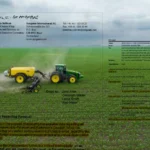
Farmfest is traditionally known as one of the premier agricultural trade shows in the United States, offering farmers a look at the latest in combine technology, seed genetics, and livestock management. However, this year, the rows of heavy machinery were punctuated by a different kind of harvest: the pursuit of the rural vote. For two days, the event grounds became a high-stakes arena for political aspirants to test their messaging, engage in traditional media scrums, and participate in a marathon of handshakes that define the "retail politics" style of the Upper Midwest.

The presence of high-profile candidates underscored a growing reality in American politics: rural voters, despite their smaller population density compared to urban centers, wield disproportionate influence in determining the trajectory of statewide and national contests.
Chronology: Two Days of Campaigning in the Field
The atmosphere at Farmfest was one of focused urgency. For many candidates, this event represented the final, most visible opportunity to capture the attention of the state’s agricultural backbone before the primary season reached its crescendo.

Day One: The Morning Rush and the Forum Circuit
The first day of the event began before dawn, with candidates and their staff maneuvering through the crowded parking lots to secure prime locations near the main stage. By mid-morning, the forums were in full swing. These sessions provided a structured platform for candidates to address specific concerns: commodity pricing, trade policy, rural broadband infrastructure, and the ongoing labor shortages in the agricultural sector.
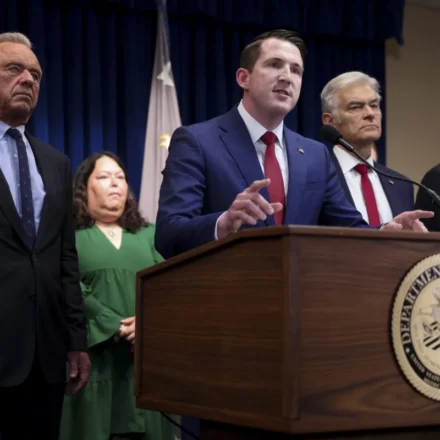
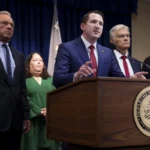
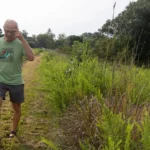
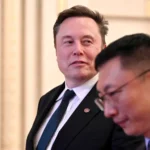
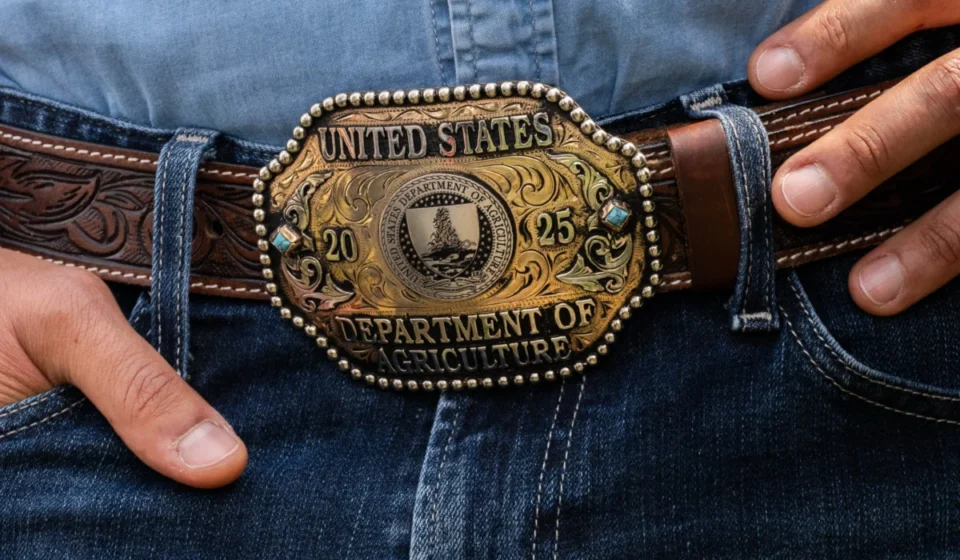
Throughout the day, MinnPost photographer Bridget Bennett captured the cadence of the event. The images, which form a visual narrative of the campaign trail, highlight the stark contrast between the industrial scale of the farm equipment and the personal, often intimate, nature of the interactions between candidates and voters. The "handshake diplomacy" was constant; candidates moved from one booth to the next, often pausing to hear personal anecdotes about the challenges of the current growing season.

Day Two: Media Scrums and Closing Arguments
By the second day, the intensity had shifted. With the forums concluded, the candidates pivoted to media scrums—the chaotic, often rapid-fire sessions where reporters pushed for clarity on controversial policy stances. The rhetoric sharpened as the candidates realized that these interviews would reach a statewide audience.
The afternoon was defined by final outreach efforts. Candidates utilized the remaining hours to visit local vendors, meet with agriculture lobbyists, and engage in impromptu town halls on the sidelines of the main exhibits. As the sun set on the final day, the exhaustion was palpable, but so was the realization that the work in Morgan would serve as the foundation for the final push toward the August 11 primary.

Supporting Data: The Agricultural Context of Minnesota
To understand why Farmfest is a political "must-attend," one must look at the data governing Minnesota’s economic landscape. Agriculture remains a cornerstone of the state’s GDP, contributing billions annually and supporting tens of thousands of jobs.
- Economic Impact: Minnesota consistently ranks as one of the top five agricultural producers in the nation, particularly in corn, soybeans, and pork production.
- Rural Demographics: The state’s rural districts have seen a shift in political alignment over the last decade, making them a "swing" territory that can decide the outcome of statewide elections.
- Primary Participation: Historically, primary elections in Minnesota suffer from lower turnout than general elections. However, candidates are increasingly aware that winning the primary requires mobilizing the most dedicated segment of the electorate—those who value the face-to-face engagement provided by events like Farmfest.
The data suggests that the issues discussed at the forum—namely market volatility and the cost of production—are not merely abstract policy points; they are the primary drivers of voter sentiment in rural Minnesota.

Official Responses: What the Candidates Had to Say
The forums provided a rare glimpse into how candidates frame their platforms when speaking directly to a constituency that prioritizes practical, bottom-line results over abstract ideological battles.
On Trade and Markets
Several candidates for the U.S. Senate addressed the complexities of international trade. "We cannot afford to leave our farmers at the mercy of unpredictable global markets," one candidate remarked during a panel. The consensus among those on the stage was a push for more robust trade agreements that prioritize the export of Minnesota-grown commodities.

On Rural Infrastructure
The debate over broadband internet access was another focal point. Candidates across the spectrum agreed that the "digital divide" is an existential threat to rural communities. "If we want to keep the next generation of farmers in our small towns, we have to provide them with the same tools and connectivity that a business owner in Minneapolis enjoys," noted a gubernatorial hopeful.
The Tone of the Debate
Despite the political rivalries, the tone on the stage was largely professional. Candidates recognized that an overly aggressive or abrasive approach could alienate the pragmatic, Midwestern sensibilities of the Farmfest crowd. The goal was to appear relatable, competent, and deeply invested in the long-term success of Minnesota agriculture.

Implications: The Road to August 11 and Beyond
The significance of the events at Farmfest extends far beyond the two days of activity. As candidates head into the final week before the primary, the impressions made in Morgan will serve as a litmus test for their campaign strategies.
The "Farmfest Effect"
The primary implication is the solidification of a candidate’s "rural brand." Voters in Redwood County and beyond are looking for consistency. If a candidate promised to support a specific agricultural bill at Farmfest, they are now held to that promise. The media coverage generated from the event acts as a verification mechanism; voters will be comparing the clips from the media scrums to the candidates’ official campaign advertisements.

Impact on the General Election
While the immediate goal is the August 11 primary, the long-term goal is the November general election. The candidates who successfully navigated the Farmfest forums are the ones likely to have the strongest momentum. By engaging with the rural electorate early, they are effectively building a firewall of support that is difficult for opponents to penetrate later in the cycle.
Conclusion: A Democracy in Action
As the booths were packed away and the heavy machinery was transported to the next destination, the silence returned to the grounds in Morgan. However, the political machinery set in motion at Farmfest continues to hum.

The event served as a vivid reminder that, despite the prevalence of digital campaigning and mass-media blitzes, there is no substitute for the physical presence of a candidate in the field. The handshakes, the long conversations in the shadow of tractors, and the unfiltered debates in the forum halls are the bedrock of the democratic process in Minnesota. As the state moves toward its primary election, the message from Farmfest is clear: the road to victory is paved with direct engagement, and for those who put in the work, the harvest may indeed be fruitful.