




















































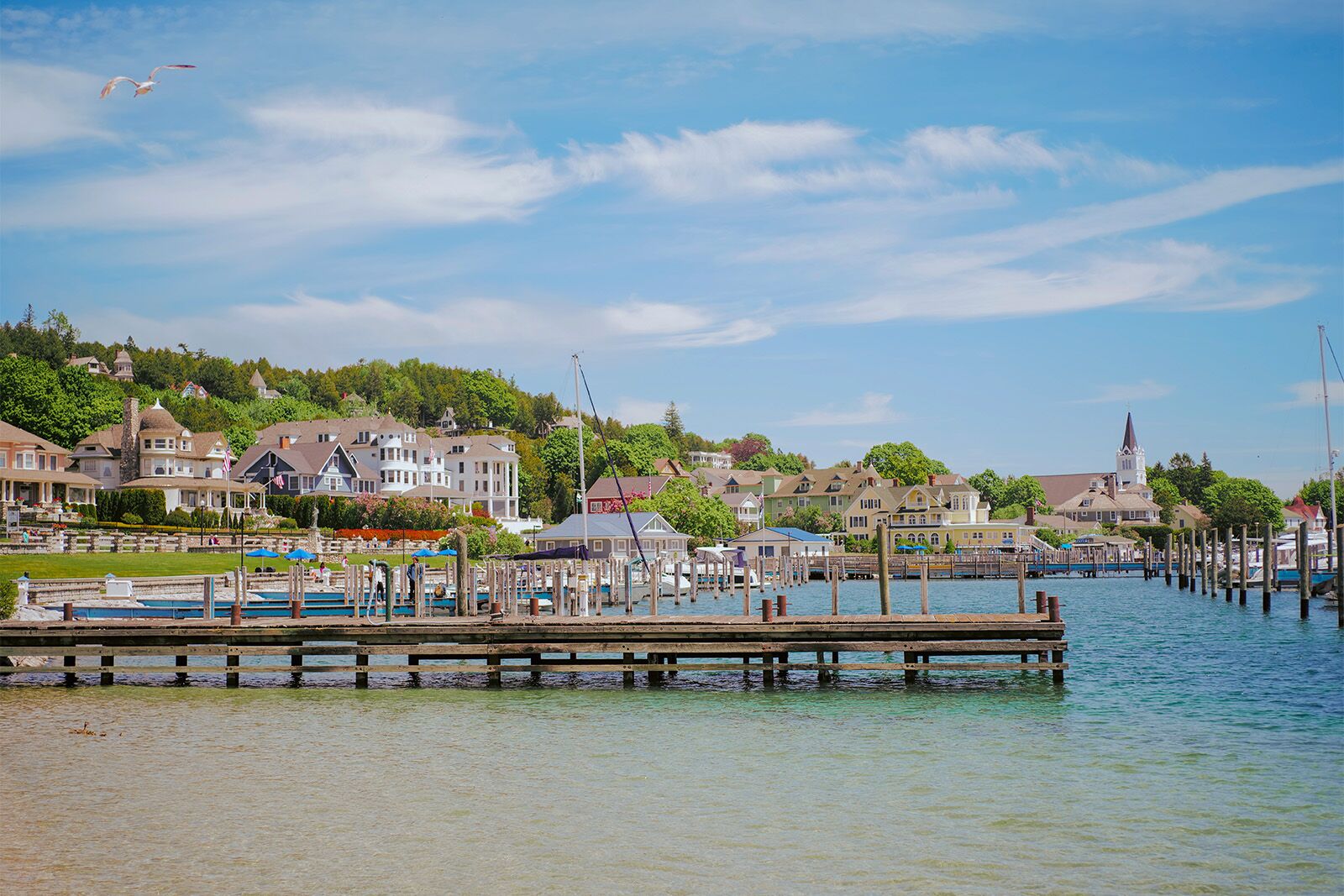
Nestled in the pristine waters of Lake Huron, between Michigan’s Upper and Lower Peninsulas, lies Mackinac Island—a destination that feels less like a vacation spot and more like a portal to a bygone era. Here, the hum of internal combustion engines has been conspicuously absent since 1898, when a local ban on automobiles was enacted following protests from carriage drivers concerned for the safety of their horses. Today, the island remains a sanctuary of clip-clopping hooves, bicycle bells, and pedestrian-friendly thoroughfares. Spanning roughly eight miles in circumference, the island serves as a living museum of Victorian charm, rugged natural beauty, and enduring American traditions.
Main Facts: The Essence of Mackinac
Mackinac Island is a unique geographic and cultural entity. Its history is inextricably linked to its status as a strategic fur-trading post and later as a summer retreat for the American elite. The island’s infrastructure is designed to prioritize tranquility and historical preservation. Because cars are prohibited, the primary modes of transit are walking, cycling, and horse-drawn carriages.
The seasonal window for visiting is generally defined as May through October. June serves as a particularly enchanting time to arrive, as the island awakens from its winter slumber and the vibrant white and purple lilacs begin to bloom. The annual Mackinac Island Lilac Festival is a highlight of this season, marking the start of the high-traffic summer months. Locals often suggest that for the most authentic experience, visitors should aim for the early summer bloom or the crisp, golden transformation of the landscape during the autumn months.
Chronology of an Island Legacy
To understand Mackinac, one must look at its timeline:
- 1875: Mackinac is established as the second national park in the United States, following Yellowstone.
- 1887: The Grand Hotel opens its doors, and the Murdick family introduces the first candy shop, solidifying the island’s legacy as the “Fudge Capital of the World.”
- 1895: The island is transferred from federal to state control, becoming Michigan’s first state park.
- 1898: The historic ban on “horseless carriages” is officially enacted, preserving the island’s quietude for over 125 years.
- 1980: The film Somewhere in Time, starring Christopher Reeve and Jane Seymour, brings international attention to the island’s cinematic aesthetic.
- 2024: The Inn at Stonecliffe undergoes a $40 million restoration, signaling a new chapter in the island’s luxury hospitality scene.
Supporting Data: Exploring the Island’s Assets
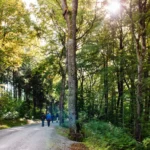
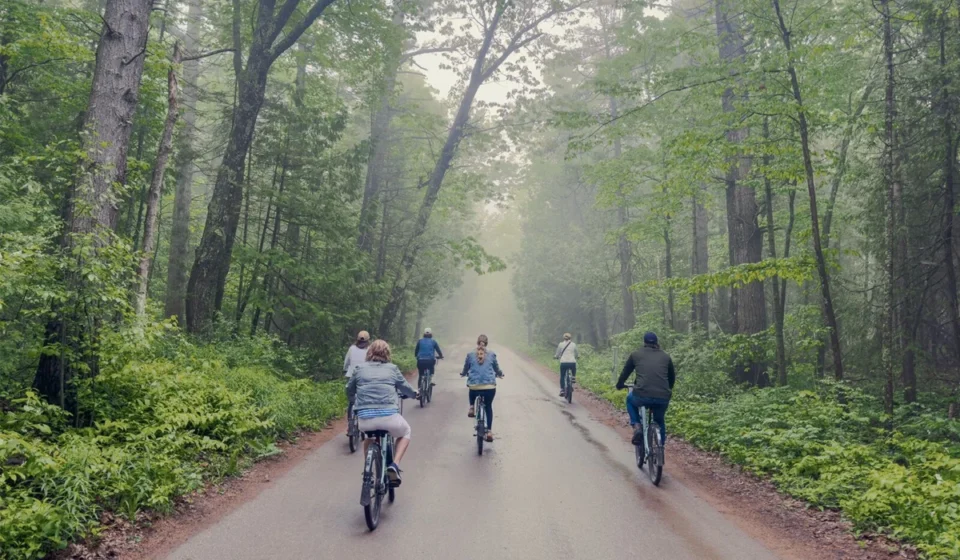
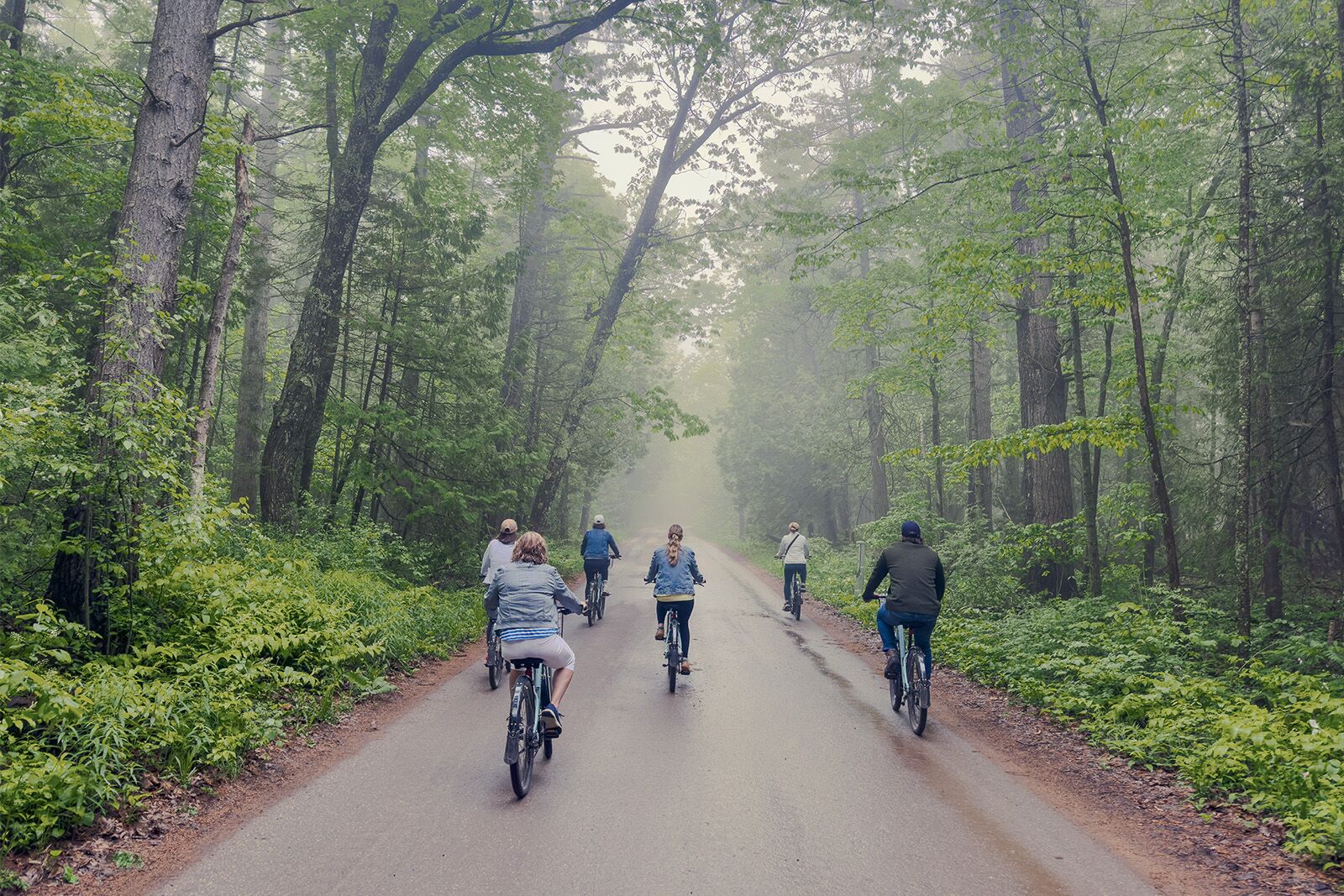
The island is more than just a scenic vista; it is a meticulously managed ecosystem of tourism and preservation. Over 80 percent of the island is designated as Mackinac Island State Park. This massive green space offers over 70 miles of hiking and biking trails that wind through dense evergreen forests, limestone formations, and wildflower meadows.
The Art of the Walking Tour
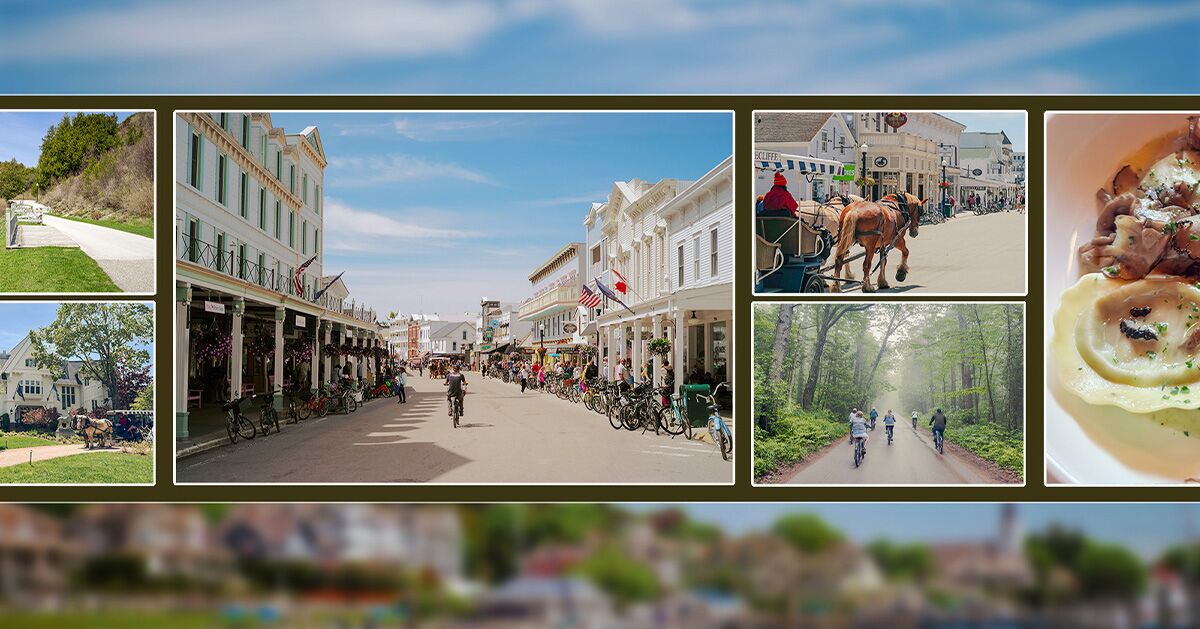
Main Street remains the heart of the island’s commerce. Unlike the homogenized shopping districts of mainland cities, Mackinac’s shops are largely family-owned, with legacies spanning generations. Doud’s Market holds the distinguished title of being the oldest continuously operated family-run grocery store in the United States. Visitors can gain a deeper understanding of the island’s narrative through initiatives like Mackinac Jane’s Audio Tours, which utilizes the VoiceMap app to provide immersive, expert-narrated stories that bring sites like East Bluff and British Landing—a historic War of 1812 site—to life.
Biking and Geological Wonders
Biking is not merely a leisure activity here; it is the island’s lifeblood. Renting a bicycle from local vendors like Mackinac Island Bike Shop or Mackinac Wheels allows visitors to traverse the eight-mile Lake Shore Boulevard loop. A mandatory stop is Arch Rock, a stunning natural limestone formation. While the hike involves 207 steps, the perspective it offers—overlooking the crystal-clear, turquoise waters of Lake Huron—is widely considered the premier photo opportunity on the island.
The Culinary and Confectionery Landscape
Fudge on Mackinac Island is treated with a level of reverence usually reserved for fine wine. The technique of cooling and folding the fudge on marble slabs—pioneered by the Murdick family in the late 19th century—is still the gold standard. Shops like Murdick’s Fudge and Joann’s Fudge offer more than just sweets; they offer a sensory demonstration of culinary heritage.
Beyond sweets, the dining scene is robust. The Straits at the Inn at Stonecliffe provides a farm-to-table fine-dining experience with a focus on regional ingredients, such as whitefish and seasonal produce. Woods Restaurant, located within a Bavarian-style house, offers a transportive experience that is arguably the finest dining on the island. For a more casual, historically anchored atmosphere, the Pink Pony remains a local institution, serving as a social hub since the early 1900s.
Official Perspectives and Expert Insight
The preservation of the island is a collaborative effort between the state and the local business community. Mary Jane Barnwell, who has operated The Island Bookstore since 1989, emphasizes the importance of education for travelers. “The island isn’t just a backdrop for photos; it’s a living history book,” she notes. By encouraging visitors to engage with audio tours and local literature, she and other business owners aim to shift the tourist experience from passive observation to active engagement.
Furthermore, the hospitality industry is embracing a more modern, humanitarian ethos. The Inn at Stonecliffe, for instance, operates as a “Humanitarian Hotel,” directing net profits toward community development and providing employment pathways for asylum-seekers. This reflects a growing trend on the island to balance historical reverence with contemporary social responsibility.
Implications: The Future of a Time Capsule
The challenge for Mackinac Island in the 21st century is managing the tension between increasing tourism demand and the preservation of its quiet, car-free identity. The implications of this are seen in the meticulous maintenance of the state park and the strict zoning laws that protect the Victorian architecture.
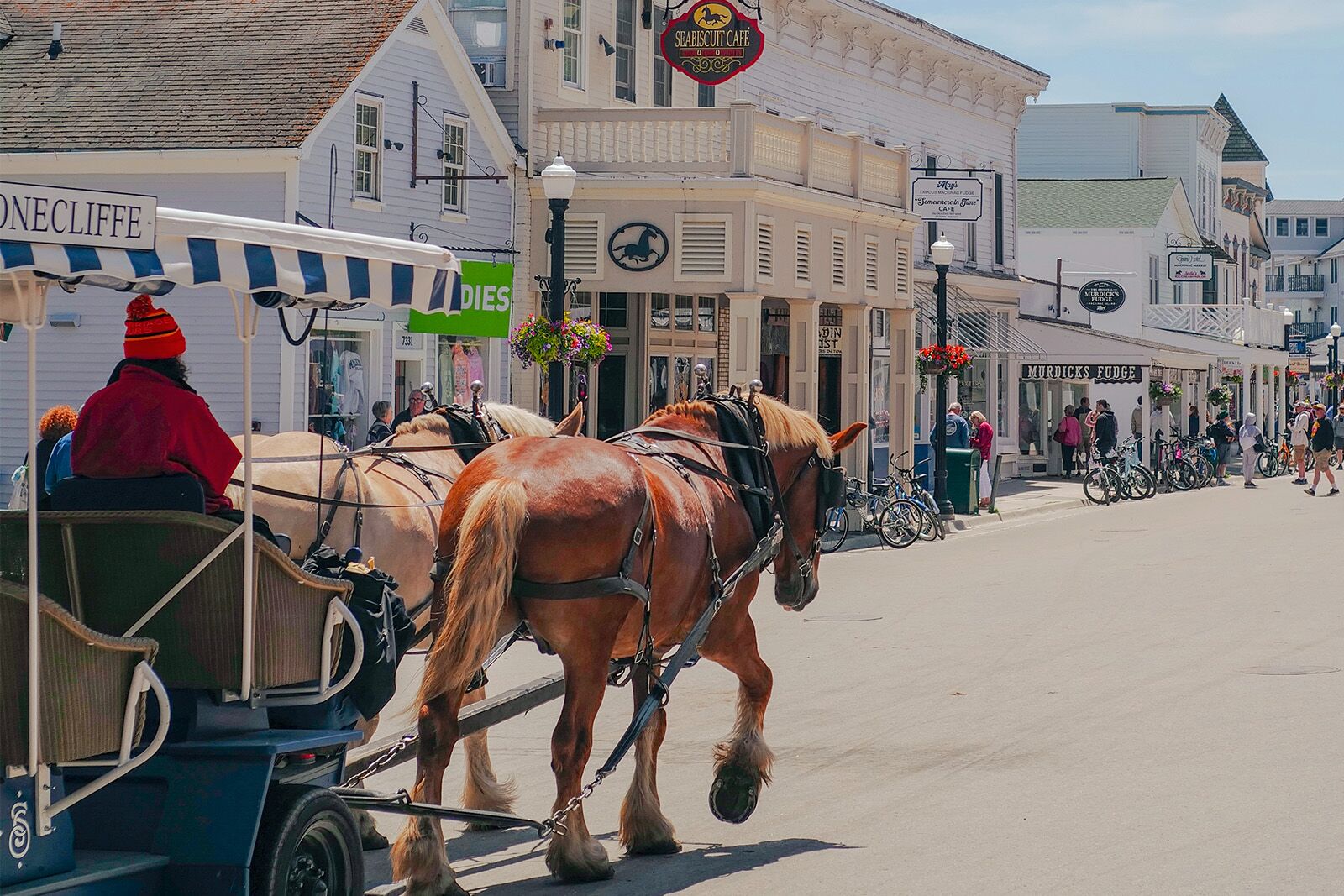
The island’s transportation model—relying on carriages and bikes—serves as a compelling case study in sustainable tourism. By limiting the speed and scale of human movement, the island forces a slower, more deliberate pace of life. This creates a psychological impact on the visitor; the urgency of modern life dissipates the moment one steps off the ferry or plane.
Practical Advice for the Modern Traveler
For those planning a visit, logistics require careful consideration:
- Arrival: Delta provides service to Pellston Regional Airport (PLN), with seasonal routes from Chicago via United. For those seeking a unique arrival, Fresh Air Aviation offers small-plane charters directly to the island’s airstrip, providing unparalleled aerial views.
- Lodging: Whether choosing the historic, 400-room Grand Hotel—with its record-breaking 660-foot porch—or the intimate, modernized luxury of the Inn at Stonecliffe, it is essential to book well in advance.
- Etiquette: Visitors should be mindful of the carriage taxi service, which operates 24/7 but requires cash and patience. Respecting the "no-car" lifestyle is paramount; always yield to horses and carriages, as they have the right-of-way.
Mackinac Island stands as a testament to the idea that progress does not always mean adding more. Sometimes, true progress involves preserving the quiet, the historic, and the authentic. As long as the horses continue to walk the streets and the lilacs continue to bloom, the island will remain a vital, living piece of American heritage, offering a sanctuary for those looking to trade the noise of the highway for the gentle rhythm of the lake breeze.